Adhyaya 136
जतुगृहदाहः — The Burning of the Lac House and the Pāṇḍavas’ Concealed Escape
Upa-parva: Jatugṛha-dāha (The Lac House Conflagration) Episode
Vaiśaṃpāyana narrates the critical night at Vāraṇāvata. Purocana, observing the Pāṇḍavas after a year’s residence, assumes them unsuspecting and takes confidence. Yudhiṣṭhira, reading Purocana’s complacency as an opening, articulates a plan: ignite the armory/structure, neutralize Purocana in the blaze, and depart without detection after placing six living beings within (a narrative detail that later explains public misidentification of casualties). Kuntī arranges a brāhmaṇa-feast under the pretext of charity; women guests depart at night after food and drink. A Niṣāda woman with five sons arrives seeking food; intoxicated, she and her children sleep within the residence, described as insensible. In a stormy night, Bhīma sets fire to the area where Purocana lies. The conflagration’s roar awakens the settlement; townspeople attribute the deed to Duryodhana’s agent and lament the perceived death of the Pāṇḍavas, while also condemning the political calculus behind the plot. Meanwhile, the Pāṇḍavas, grieving yet resolute, exit through the prepared tunnel and move unseen. Fatigue and fear slow them; Bhīma physically carries Kuntī and the twins, taking the two elder brothers by the hands, and departs with forceful speed—an evacuation tableau emphasizing protection, endurance, and operational secrecy.
Chapter Arc: रंगभूमि में एक अनजान-सा परन्तु तेजस्वी वीर प्रवेश करता है—जन्मजात कवच-कुण्डल से दीप्त मुख, हाथ में निस्त्रिंश, और पर्वत-सा अडिग पादचारी। सभा को जैसे अचानक किसी सूर्यकिरण ने चौंका दिया हो। → अर्जुन के कौशल-प्रदर्शन के बाद वह वीर उसी स्तर की चुनौती रखता है। परन्तु कुल-परिचय का प्रश्न उठता है—वीरता के सामने ‘जन्म’ की दीवार खड़ी कर दी जाती है। कर्ण इसे अपमान नहीं, अन्याय मानकर कहता है कि रंगमण्डप सबके लिए समान है और बल-धर्म वीरता के साथ चलता है। → दुर्योधन आगे बढ़कर कर्ण का सार्वजनिक स्वागत करता है और उसे राज्य-भोग का प्रस्ताव देता है। फिर वह निर्णायक कदम उठाता है—कर्ण को तुरंत राज्याभिषेक देकर ‘राजा’ घोषित करता है, ताकि वह अर्जुन के समकक्ष अधिकार से द्वंद्व कर सके। → कर्ण दुर्योधन की मित्रता स्वीकार करता है; दोनों आलिंगन कर परमानन्द पाते हैं। सभा में शक्ति-संतुलन बदल जाता है—कर्ण अब केवल चुनौती नहीं, कौरव-पक्ष का तेजस्वी स्तम्भ बनकर खड़ा है। → नवाभिषिक्त कर्ण और अर्जुन के बीच द्वंद्व की संभावना हवा में तनी रहती है—और साथ ही यह भी कि कर्ण का जन्म-रहस्य (कन्यागर्भ, कुन्ती-पुत्र) भविष्य में किस तरह इस मित्रता और वैर को उलट देगा।
Shlokas
Verse 1
इस प्रकार श्रीमहाभारत आदिपव॑के अन्तर्गत सम्भवपर्वमें अस्त्रदर्शविषयक एक सौ चौंतीसवाँ अध्याय पूरा हुआ ॥/ १३४ ॥। (दाक्षिणात्य अधिक पाठके १६ श्लोक मिलाकर कुल ३३३ “लोक हैं) भस्न्ैमा+ () अिमनने पज्चत्रिशर्दाधिकशततमो< ध्याय: कर्णका रंगभूमिमें प्रवेश तथा राज्याभिषेक वैशम्पायन उवाच दत्तेडवकाशे पुरुषैर्विस्मयोत्फुल्ललोचनै: । विवेश रछ्ूं विस्तीर्ण कर्ण: परपुरंजय:,वैशम्पायनजी कहते हैं--जनमेजय! आश्चर्यसे आँखें फाड़-फाड़कर देखते हुए द्वारपालोंने जब भीतर जानेका मार्ग दे दिया, तब शत्रुओंकी राजधानीपर विजय पानेवाले कर्णने उस विशाल रंगमण्डपमें प्रवेश किया
Vaiśampāyana said: When the attendants, their eyes widened in astonishment, granted him passage, Karṇa—renowned as a conqueror of enemy strongholds—entered the vast arena. The scene underscores how public spectacle and reputation can swiftly elevate a warrior’s standing, even as questions of rightful status and dharma linger beneath the applause.
Verse 2
सहजं कवचं बिश्रत् कुण्डलोद्योतितानन: । सभरनुर्बद्धनिस्त्रिंश: पादचारीव पर्वत:,उसने शरीरके साथ ही उत्पन्न हुए दिव्य कवचको धारण कर रखा था। दोनों कानोंके कुण्डल उसके मुखको उद्धासित कर रहे थे। हाथमें धनुष लिये और कमरमें तलवार बाँधे वह वीर पैरोंसे चलनेवाले पर्वतकी भाँति सुशोभित हो रहा था
Vaiśampāyana said: He bore the divine cuirass that had arisen with him at birth; the earrings on his ears made his face shine. With bow in hand and a sword fastened at his waist, that hero appeared like a mountain that moves on foot—massive, radiant, and awe-inspiring.
Verse 3
कन्यागर्भ: पृथुयशा: पृथाया: पृथुलोचन: । तीक्ष्णांशोर्भास्करस्यांश: कर्णोडरिगणसूदन:,कुन्तीने कन्यावस्थामें ही उसे अपने गर्भमें धारण किया था। उसका यश सर्वत्र फैला हुआ था। उसके दोनों नेत्र बड़े-बड़े थे। शत्रुसमुदायका संहार करनेवाला कर्ण प्रचण्ड किरणोंवाले भगवान् भास्करका अंश था
Vaiśampāyana said: While Pṛthā (Kuntī) was still in maidenhood, she conceived and bore a son in secret. He was renowned far and wide, large-eyed, and a slayer of hostile hosts—Karṇa, an incarnation-like portion of the radiant Sun (Bhāskara) with his fierce beams. The narration underscores both the extraordinary, divinely sourced birth of Karṇa and the moral tension surrounding an unwed mother’s concealed maternity in a society governed by honor and dharma.
Verse 4
सिंहर्षभगजेन्द्राणां बलवीर्यपराक्रम: । दीप्तिकान्तिद्युतिगुणै: सूर्येन्दुज्वलनोपम:,उसमें सिंहके समान बल, साँड़के समान वीर्य तथा गजराजके समान पराक्रम था, वह दीप्तिसे सूर्य, कान्तिसे चन्द्रमा तथा तेजरूपी गुणसे अग्निके समान जान पड़ता था
Vaiśampāyana said: He possessed strength like a lion, virility like a bull, and heroic prowess like the lord of elephants. By his radiance he seemed like the sun, by his beauty like the moon, and by the quality of blazing energy like fire—an idealized portrait of a ruler whose outward splendor signals inner power and fitness for leadership.
Verse 5
प्रांश:ः कनकतालाभ: सिंहसंहननो युवा । असंख्येयगुण: श्रीमान् भास्करस्यात्मसम्भव:,उसका शरीर बहुत ऊँचा था, अतः वह सुवर्णमय ताड़के वृक्ष-सा प्रतीत होता था। उसके अंगोंकी गठन सिंह-जैसी जान पड़ती थी। उसमें असंख्य गुण थे। उसकी तरुण अवस्था थी। वह साक्षात् भगवान् सूर्यसे उत्पन्न हुआ था, अतः (उन्हींके समान) दिव्य शोभासे सम्पन्न था
Vaiśampāyana said: He was very tall, appearing like a golden tāla (palm) tree. His limbs were powerfully built, like a lion’s frame. Endowed with countless virtues and in the vigor of youth, he was illustrious—born from Bhāskara (the Sun)—and therefore radiant with a divine splendor befitting his origin.
Verse 6
स निरीक्ष्य महाबाहु: सर्वतो रड्भजमण्डलम् । प्रणाम द्रोणकृपयोर्नात्यादृतमिवाकरोत्,उस समय महाबाहु कर्णने रंगमण्डपमें सब ओर दृष्टि डालकर द्रोणाचार्य और कृपाचार्यको इस प्रकार प्रणाम किया, मानो उनके प्रति उसके मनमें अधिक आदरका भाव नहो
After surveying the arena on all sides, the mighty-armed Karṇa offered his salutations to Droṇa and Kṛpa—but he did so in a manner that seemed to show little genuine reverence. The moment subtly signals a tension between outward etiquette and inner disposition, foreshadowing how pride and rivalry can erode the ethical substance behind formal respect.
Verse 7
स समाजजन: सर्वो निश्चल: स्थिरलोचन: । को<यमित्यागतक्षोभ: कौतूहलपरो5भवत्,रंगभूमिमें जितने लोग थे, वे सब निश्चल होकर एकटक दृष्टिसे देखने लगे। यह कौन है, यह जाननेके लिये उनका चित्त चंचल हो उठा। वे सब-के-सब उत्कण्ठित हो गये
Then all the people gathered there stood motionless, their eyes fixed and steady. Yet their minds stirred with the question, “Who is this?”—and, seized by curiosity, they became intensely eager to know.
Verse 8
सो<ब्रवीन्मेघगम्भीरस्वरेण वदतां वर: । भ्राता भ्रातरमज्ञातं सावित्र: पाकशासनिम्,इतनेमें ही वक्ताओंमें श्रेष्ठ सूर्यपुत्र कर्ण, जो पाण्डवोंका भाई लगता था, अपने अज्ञात भ्राता इन्द्रकुमार अर्जुनसे मेघके समान गम्भीर वाणीमें बोला--
Vaiśampāyana said: Then Karṇa—son of Sūrya, foremost among speakers—addressed in a voice deep as thunderclouds his own brother, though unknown to him: Arjuna, the son of Indra, the chastiser of Pāka. The moment underscores the tragic irony of kinship concealed by fate, where rivalry and duty move men to speak and act without recognizing the bonds that ought to restrain them.
Verse 9
पार्थ यत् ते कृतं कर्म विशेषवदहं ततः । करिष्ये कह | मा55तमना विस्मयं गम:,“कुन्तीनन्दन! हे इन दर्शकोंके समक्ष जो कार्य किया है, मैं उससे भी अधिक अद्भुत कर्म कर दिखाऊँगा। अत: तुम अपने पराक्रमपर गर्व न करो”
Vaiśampāyana said: “O Pārtha, the deed you have performed here before these onlookers is indeed remarkable; yet I shall accomplish an even more astonishing feat than that. Therefore, O son of Kuntī, do not become proud of your own prowess.”
Verse 10
असमाप्ते ततस्तस्य वचने वदतां वर । यन्त्रोत्क्षिप्त इवोत्तस्थी क्षिप्रं वै सर्वती जन:,वक्ताओंमें श्रेष्ठ जनमेजय! कर्णकी बात अभी पूरी ही न हो पायी थी कि सब ओरके मनुष्य तुरंत उठकर खड़े हो गये, मानो उन्हें किसी यन्त्रसे एक साथ उठा दिया गया हो
Vaiśaṃpāyana said: “O best of speakers, Janamejaya, before his words were even finished, the people on every side sprang up at once—swiftly, as if lifted by a single mechanism.” The verse underscores the sudden, collective surge of attention and agitation that can seize a crowd when a charged speech is still unfolding.
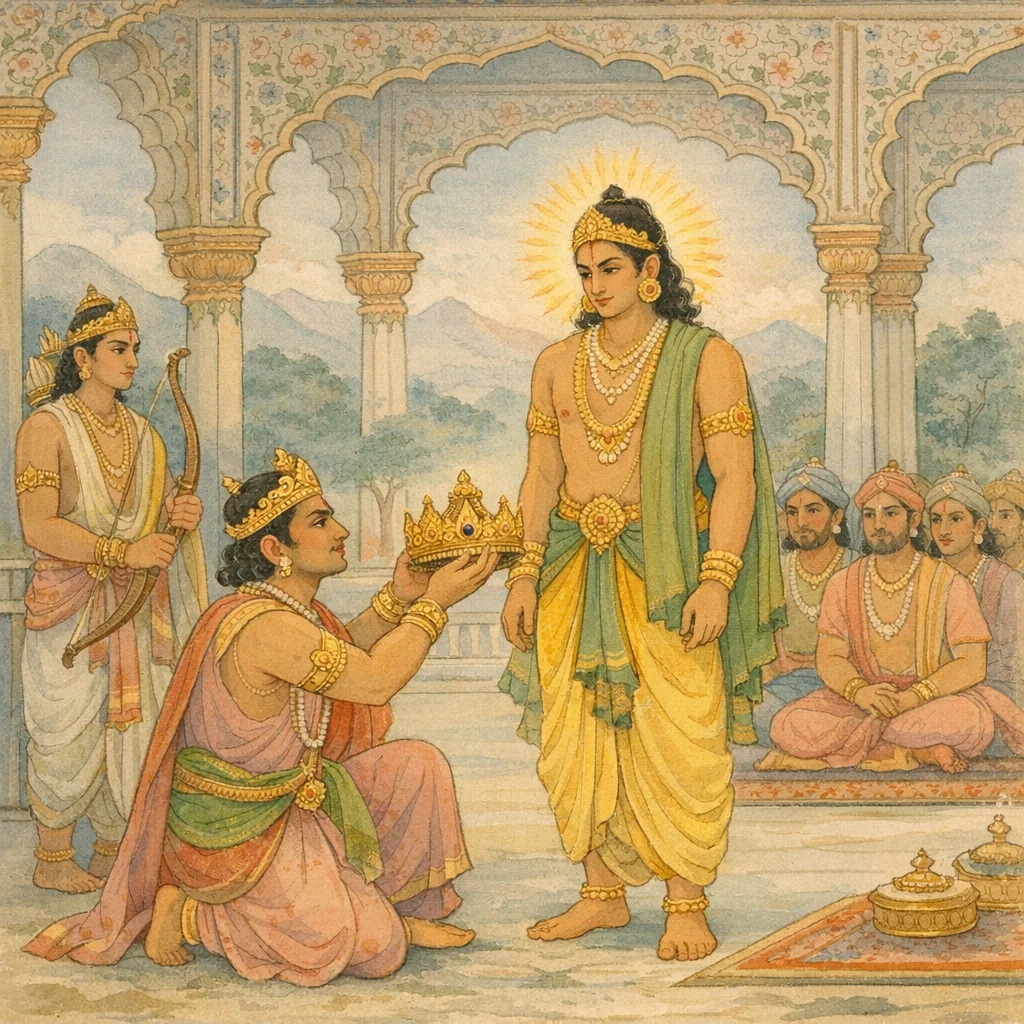
Verse 11
प्रीतिश्च मनुजव्याप्र दुर्योधनमुपाविशत् । द्वीक्ष क्रोधश्ष॒ बीभत्सुं क्षणेनान्वाविवेश ह,नरश्रेष्ठ उस समय दुर्योधनके मनमें बड़ी प्रसन्नता हुई और अर्जुनके चित्तमें क्षणभरमें लज्जा और क्रोधका संचार हो आया
Vaiśampāyana said: “O tiger among men, joy entered Duryodhana’s heart; but in that very moment shame and anger swiftly arose within Bībhatsu (Arjuna).” The verse contrasts the moral temper of the two: Duryodhana’s delight at a perceived advantage is set against Arjuna’s immediate ethical discomfort and indignation, suggesting an inner conscience that reacts to impropriety and injustice.
Verse 12
ततो द्रोणाभ्यनुज्ञातः कर्ण: प्रियरण: सदा । यत् कृतं तत्र पार्थेन तच्चकार महाबल:,तब सदा युद्धसे ही प्रेम करनेवाले महाबली कर्णने द्रोणाचार्यकी आज्ञा लेकर, अर्जुनने वहाँ जो-जो अस्त्र-कौशल प्रकट किया था, वह सब कर दिखाया
Then Karṇa—ever fond of battle—having obtained Droṇa’s permission, displayed the very same feats of weapon-skill that Pārtha (Arjuna) had shown there. The narrative underscores how martial excellence is pursued not only through learning but also through rivalry and the desire for recognition, setting the stage for ethical tensions about merit, status, and the right use of power.
Verse 13
अथ दुर्योधनस्तत्र भ्रातृभि: सह भारत । कर्ण परिष्वज्य मुदा ततो वचनमत्रवीत्,भारत! तदनन्तर भाइयोंसहित दुर्योधनने वहाँ बड़ी प्रसन्नताके साथ कर्णको हृदयसे लगाकर कहा
Then Duryodhana, O descendant of Bharata, being there with his brothers, joyfully embraced Karṇa and thereafter spoke these words. The scene underscores Duryodhana’s deliberate cultivation of loyalty through affection and public honor—an ethically charged bond that will later shape choices in the coming conflict.
Verse 14
दुर्योधन उवाच स्वागतं ते महाबाहो दिष्ट्या प्राप्तोडसि मानद | अहं च कुरुराज्यं च यथेष्टमुपभुज्यताम्,दुर्योधन बोला--महाबाहो! तुम्हारा स्वागत है। मानद! तुम यहाँ पधारे, यह हमारे लिये बड़े सौभाग्यकी बात है। मैं तथा कौरवोंका यह राज्य सब तुम्हारे हैं। तुम इनका यसथेष्ट उपभोग करो
Duryodhana said: “Welcome to you, mighty-armed one. It is our good fortune that you have arrived, O giver of honor. Let both I and this kingdom of the Kurus be enjoyed by you as you please.” In context, the speech frames hospitality and alliance as political strategy: Duryodhana offers himself and the Kuru realm as if at the guest’s disposal, seeking to bind the visitor through gratitude and obligation rather than through dharmic deliberation.
Verse 15
कर्ण उवाच कृतं सर्वमहं मन्ये सखित्वं च त्वया वृणे । डन्ड्ययुद्धं च पार्थेन कर्तुमिच्छाम्यहं प्रभो,कर्णने कहा--प्रभो! आपने जो कुछ कहा है, वह सब पूरा कर दिया, ऐसा मेरा विश्वास है। मैं आपके साथ मित्रता चाहता हूँ और अर्जुनके साथ मेरी द्वद्ध-युद्ध करनेकी इच्छा है
Verse 16
दुर्योधन उवाच भुड्क्ष्य भोगान् मया सार्ध बन्धूनां पियकृद् भव । दुर्हदां कुरु सर्वेषां मूर्थ्नि पादमरिंदम,दुर्योधन बोला--शत्रुदमन! तुम मेरे साथ उत्तम भोग भोगो। अपने भाई-बन्धुओंका प्रिय करो और समस्त शत्रुओंके मस्तकपर पैर रखो
Duryodhana said: “Enjoy these pleasures together with me. Become one who wins the affection of your brothers and kinsmen; and, O subduer of foes, set your foot upon the heads of all who stand firm against you.” The speech frames power and enjoyment as the goal, urging dominance over opponents and the securing of loyalty within one’s own circle—an ethically charged appeal that prioritizes victory and gratification over restraint and righteousness.
Verse 17
वैशम्पायन उवाच ततः क्षिप्तमिवात्मानं मत्वा पार्थो5 भ्यभाषत । कर्ण भ्रातृसमूहस्य मध्येडचलमिव स्थितम्,वैशम्पायनजी कहते हैं--जनमेजय! उस समय अर्जुनने अपने-आपको कर्णद्वारा तिरस्कृत-सा मानकर दुर्योधन आदि सौ भाइयोंके बीचमें अविचल-से खड़े हुए कर्णको सम्बोधित करके कहा
Vaiśampāyana said: Then Pārtha (Arjuna), feeling as though he had been slighted by Karṇa, addressed Karṇa—who stood firm and unmoving in the midst of the band of brothers (Duryodhana and the rest). The moment highlights how perceived insult and pride can sharpen speech and escalate rivalry within a courtly, dharma-sensitive setting.
Verse 18
अजुन उवाच अनाहूतोपसृष्टानामनाहूतोपजल्पिनाम् । ये लोकास्तान् हत:ः कर्ण मया त्वं प्रतिपत्स्यसे,अर्जुन बोले--कर्ण! बिना बुलाये आनेवालों और बिना बुलाये बोलनेवालोंको जो (निन्दनीय) लोक प्राप्त होते हैं, मेरे द्वारा मारे जानेपर तुम उन्हीं लोकोंमें जाओगे
Arjuna said: “Karna, those who intrude without being summoned and those who speak without being invited are said to fall into blameworthy realms. When you are slain by me, you will attain those very worlds.”
Verse 19
कर्ण उवाच रड्रो5यं सर्वसामान्य: किमत्र तव फाल्गुन । वीर्यश्रेष्ठाश्न॒ राजानो बल॑ धर्मोडनुवर्तते,कर्णने कहा--अर्जुन! यह रंगमण्डप तो सबके लिये साधारण है, इसमें तुम्हारा क्या लगा है? जो बल और पराक्रममें श्रेष्ठ होते हैं, वे ही राजा कहलानेयोग्य हैं। धर्म भी बलका ही अनुसरण करता है
Karna said: “O Phalguna (Arjuna), this arena is common to all—what special claim do you have here? Those who are foremost in valor are the ones fit to be called kings; and dharma, too, follows the lead of strength.”
Verse 20
कि क्षेपैर्दुर्बलायासै: शरै: कथय भारत । गुरो: समक्ष यावत् ते हराम्यद्य शिर: शरै:,भारत! आक्षेप करना तो दुर्बलोंका प्रयास है। इससे क्या लाभ है? साहस हो तो बाणोंसे बातचीत करो। मैं आज तुम्हारे गुरुके सामने ही बाणोंद्वारा तुम्हारा सिर धड़से अलग किये देता हूँ
Karna said: “What is the use of taunts—such efforts are for the weak. If you have courage, speak with arrows. Even here, in the very presence of your teacher, I will today sever your head from your body with my shafts.” The verse frames martial valor as action rather than insult, revealing Karna’s fierce pride and the escalating ethic of kṣatriya contest where honor is claimed through prowess, not words.
Verse 21
वैशम्पायन उवाच ततो द्रोणाभ्यनुज्ञातः पार्थ: परपुरंजय: । भ्रातृभिस्त्वरया55श्लिपष्टो रणायोपजगाम तम्,वैशम्पायनजी कहते हैं--राजन्! तदनन्तर शत्रुओंके नगरको जीतनेवाले कुन्तीनन्दन अर्जुन आचार्य द्रोणकी आज्ञा ले तुरंत अपने भाइयोंसे गले मिलकर युद्धके लिये कर्णकी ओर बढ़े
Vaiśampāyana said: Then Pārtha (Arjuna), the conqueror of enemy strongholds, having received Droṇa’s permission, quickly embraced his brothers and advanced toward him (Karna) for battle. The passage underscores disciplined warfare: even in haste and hostility, action proceeds under the teacher’s sanction and with fraternal solidarity.
Verse 22
ततो दुर्योधनेनापि स भ्रात्रा समरोद्यत: । परिष्वक्त: स्थित: कर्ण: प्रगृह्मा सशरं धनु:,तब भाइयोंसहित दुर्योधनने भी धनुष-बाण ले युद्धके लिये तैयार खड़े हुए कर्णका आलिंगन किया
Then Duryodhana too—together with his brother—rose ready for battle. Embracing Karṇa, he stood firm, taking up his bow with arrows, signaling resolve and solidarity as the conflict moved toward open confrontation.
Verse 23
ततः सविद्युत्स्यनितै: सेन्द्रायुधपुरोगमै: । आवृतं गगन मेघैर्बलाकापड्क्तिहासिभि:,उस समय बकपंक्तियोंके व्याजसे हास्यकी छटा बिखेरनेवाले बादलोंने बिजलीकी चमक, गड़गड़ाहट और इन्द्रधनुषके साथ समूचे आकाशको ढक लिया
Vaiśampāyana said: Then the sky was completely veiled by clouds—flashing with lightning, rumbling with thunder, and led by the rainbow—while lines of cranes, as if in playful disguise, seemed to scatter a gentle, laughing charm across the scene. The passage heightens the narrative mood by portraying nature’s grandeur and beauty, suggesting an ordered cosmos where even awe-inspiring power appears with a touch of grace.
Verse 24
तत:ः स्नेहाद्धरिहयं दृष्टवा रड्भरावलोकिनम् | भास्करो>5प्यनयन्नाशं समीपोपगतान् घनान्,तत्पश्चात् अर्जुनके प्रति स्नेह होनेके कारण इन्द्रको रंगभूमिका अवलोकन करते देख भगवान् सूर्यने भी अपने समीपके बादलोंको छिलन्न-भिन्न कर दिया
Then, out of affection, seeing Indra—whose mount is the tawny horse—watching the arena, the Sun-god too dispersed the clouds that had gathered close by, clearing the sky. The scene underscores how divine powers, moved by personal regard, remove obstacles and restore clarity at a crucial moment.
Verse 25
मेघच्छायोपगूढस्तु ततो5दृश्यत फाल्गुन: । सूर्यातपपरिक्षिप्त: कर्णोडपि समदृश्यत,तब अर्जुन मेघकी छायामें छिपे हुए दिखायी देने लगे और कर्ण भी सूर्यकी प्रभासे प्रकाशित दीखने लगा
Then Phālguna (Arjuna) was seen concealed beneath the shadow of a cloud, while Karṇa too was seen, ringed about and made conspicuous by the sun’s heat and glare. The scene contrasts concealment and exposure, suggesting how circumstance and inner disposition can alternately veil or reveal a warrior’s presence and intent.
Verse 26
धार्तराष्ट्रा यत: कर्णस्तस्मिन् देशो व्यवस्थिता: । भारद्वाज: कृपो भीष्मो यतः पार्थस्ततो5भवन्,धृतराष्ट्रके पुत्र जिस ओर कर्ण था, उसी ओर खड़े हुए तथा द्रोणाचार्य, कृपाचार्य और भीष्म जिधर अर्जुन थे, उस ओर खड़े थे
Vaiśampāyana said: The sons of Dhṛtarāṣṭra took their position on the side where Karṇa stood. On the other side—where Pārtha (Arjuna) was—stood Bhāradvāja (Droṇa), Kṛpa, and Bhīṣma. The alignment of the elders and warriors thus revealed the pull of loyalty and judgment: some followed the bond of kinship and faction, while others gravitated toward the side they deemed steadier in prowess and principle.
Verse 27
द्विधा रंग: समभवत् स्त्रीणां द्वैधमजायत । कुन्तिभोजसुता मोहं विज्ञातार्था जगाम ह,रंगभूमिके पुरुषों और स्त्रियोंमें भी कर्ण और अर्जुनको लेकर दो दल हो गये। कुन्तिभोजकुमारी कुन्तीदेवी वास्तविक रहस्यको जानती थीं (कि ये दोनों मेरे ही पुत्र हैं), अतः चिन्ताके कारण उन्हें मूर्च्छा आ गयी
Vaiśampāyana said: The arena became divided into two sides, and even among the women a split of opinion arose. Kuntī, the daughter of Kuntībhoja, knowing the true meaning of what was unfolding, fell into a fainting swoon—overcome by bewilderment and inner turmoil.
Verse 28
तां तथा मोहमापचन्नां विदुर: सर्वधर्मवित् । कुन्तीमाश्चवासयामास प्रेष्याभिश्चन्दनोदकै:,उन्हें इस प्रकार मूच्छामें पड़ी हुई देख सब धर्मोके ज्ञाता विदुरजीने दासियोंद्वारा चन्दनमिश्रित जल छिड़कवाकर होशमें लानेकी चेष्टा की
Seeing Kuntī lying thus in a swoon, Vidura—knower of all dharma—had her comforted and revived, instructing the maidservants to sprinkle her with water scented with sandalwood. The scene underscores compassionate duty: steadiness in crisis and care for the afflicted are themselves acts of dharma.
Verse 29
ततः प्रत्यागतप्राणा तावुभौ परिदंशितौ । पुत्री दृष्टवा सुसम्भ्रान्ता नान्वपद्यत किंचन,इससे कुन्तीको होश तो आ गया; किंतु अपने दोनों पुत्रोंको युद्धूके लिये कवच धारण किये देख वे बहुत घबरा गयीं। उन्हें रोकनेका कोई उपाय उनके ध्यानमें नहीं आया
Then Kuntī regained consciousness. But when she saw her two sons standing ready for combat, clad in protective armor, she was seized with alarm. In that moment of distress, she could find no means at all to restrain them or avert what was about to happen.
Verse 30
तावुद्यतमहाचापौ कृप: शारद्वतोडब्रवीत् डन्दरयुद्धसमाचारे कुशल: सर्वधर्मवित्,उन दोनोंको विशाल धनुष उठाये देख द्वन्ड-युद्धकी नीति-रीतिमें कुशल और समस्त धर्मोके ज्ञाता शरद्वानके पुत्र कृपाचार्यने इस प्रकार कहा--
Seeing the two with their great bows raised and ready, Kṛpa—son of Śāradvata—who was skilled in the proper conduct of single combat and who knew the full range of dharma, spoke as follows. The narrative underscores that even in the heat of impending violence, warfare is to be governed by rule, restraint, and moral discernment.
Verse 31
अयं पृथायास्तनय: कनीयान् पाण्डुनन्दन: । कौरवो भवता सार्ध द्वन्डयुद्धं करिष्यति,“कर्ण! ये कुन्तीदेवीके सबसे छोटे पुत्र पाण्डु-नन्दन अर्जुन कुरुवंशके रत्न हैं, जो तुम्हारे साथ इन्द्र-युद्ध करेंगे। महाबाहो! इसी प्रकार तुम भी अपने माता-पिता तथा कुलका परिचय दो और उन नरेशके नाम बताओ, जिनका वंश तुमसे विभूषित हुआ है
Vaiśaṃpāyana said: “This is the younger son of Pṛthā (Kuntī), Arjuna, the beloved son of Pāṇḍu and a jewel of the Kuru line. He will engage you in a single combat. O Karṇa, in the same way, you too should declare your parentage and lineage, and name the kings whose dynasties have been ennobled through you.”
Verse 32
त्वमप्येवं महाबाहो मातरं पितरं कुलम् । कथयस्व नरेन्द्राणां येषां त्वं कुलभूषणम्,“कर्ण! ये कुन्तीदेवीके सबसे छोटे पुत्र पाण्डु-नन्दन अर्जुन कुरुवंशके रत्न हैं, जो तुम्हारे साथ इन्द्र-युद्ध करेंगे। महाबाहो! इसी प्रकार तुम भी अपने माता-पिता तथा कुलका परिचय दो और उन नरेशके नाम बताओ, जिनका वंश तुमसे विभूषित हुआ है
Vaiśampāyana said: “You too, mighty-armed one, should likewise declare your mother, your father, and your lineage. Tell us also the names of those kings whose royal houses are adorned by you.”
Verse 33
ततो विदित्वा पार्थस्त्वां प्रतियोत्स्यति वा न वा । वृथाकुलसमाचारैर्न युध्यन्ते नृपात्मजा:,“इसे जान लेनेके बाद यह निश्चय होगा कि अर्जुन तुम्हारे साथ युद्ध करेंगे या नहीं; क्योंकि राजकुमार नीच कुल और हीन आचार-विचारवाले लोगोंके साथ युद्ध नहीं करते”
Verse 34
वैशम्पायन उवाच एवमुक्तस्य कर्णस्य व्रीडावनतमाननम् | बभौ वर्षाम्बुविक्लिन्नं पच्ममागलितं यथा,वैशम्पायनजी कहते हैं--जनमेजय! कृपाचार्यके यों कहनेपर कर्णका मुख लज्जासे नीचेको झुक गया। जैसे वर्षाके पानीसे भींगकर कमल मुरझा जाता है, उसी प्रकार कर्णका मुँह म्लान हो गया
Vaiśampāyana said: When Karṇa was addressed in this manner, his face, lowered in shame, appeared like a lotus drooping and withering after being drenched by the waters of the rainy season. The image underscores how a pointed admonition can humble even the proud, revealing an inner moral tension between self-image and the demands of right conduct.
Verse 35
दुर्योधन उवाच आचार्य त्रिविधा योनी राज्ञां शास्त्रविनिश्षये | सत्कुलीनश्नव शूरश्न यश्व सेनां प्रकर्षति,तब दुर्योधनने कहा--आचार्य! शास्त्रीय सिद्धान्तके अनुसार राजाओंकी तीन योनियाँ हैं--उत्तम कुलमें उत्पन्न पुरुष, शूरवीर तथा सेनापति (अत: शूरवीर होनेके कारण कर्ण भी राजा ही हैं)
Duryodhana said: “O Teacher, according to the settled conclusions of the treatises, there are three recognized ‘sources’ of kingship among rulers: one born in a noble lineage, one who is a proven hero, and one who, as a commander, can lead and drive an army to excellence. By this standard, valor itself establishes royal status.”
Verse 36
यद्ययं फाल्गुनो युद्धे नाराज्ञा योद्धुमिच्छति । तस्मादेषो5ड्भविषये मया राज्येडभिषिच्यते,यदि ये अर्जुन राजासे भिन्न पुरुषके साथ रणभूमिमें लड़ना नहीं चाहते तो मैं कर्णको इसी समय अंगदेशके राज्यपर अभिषिक्त करता हूँ
Duryodhana said: “If this Phālguna (Arjuna) does not wish to fight in battle with one who is not a king, then for that reason I hereby consecrate this man to kingship in the realm of Aṅga.” In context, Duryodhana strategically elevates Karṇa’s status to remove the stigma of ‘non-royal’ birth, legitimizing him as an equal opponent for Arjuna and turning a question of social rank into a political instrument for rivalry and war.
Verse 37
वैशम्पायन उवाच (ततो राजानमामन्त्र्य गाड़ेयं च पितामहम् । अभिषेकस्य सम्भारान् समानीय द्विजातिभि: ।।) ततस्तस्मिन् क्षणे कर्ण: सलाजकुसुमैर्घटै: । काज्चनै: काज्चने पीठे मन्त्रविद्धिर्महारथ:,वैशम्पायनजी कहते हैं--राजन्! तदनन्तर दुर्योधनने राजा धृतराष्ट्र और गंगानन्दन भीष्मकी आज्ञा ले ब्राह्मणोंद्वारा अभिषेकका सामान मँगवाया। फिर उसी समय महाबली एवं महारथी कर्णको सोनेके सिंहासनपर बिठाकर मन्त्रवेत्ता ब्राह्मणोंने लावा और फूलोंसे युक्त सुवर्णमय कलशोंके जलसे अंगदेशके राज्यपर अभिषिक्त किया। तब मुकुट, हार, केयूर, कंगन, अंगद, राजोचित चिह्न तथा अन्य शुभ आभूषणोंसे विभूषित हो वह छत्र, चँवर तथा जय-जयकारके साथ राज्यश्रीसे सुशोभित होने लगा
Vaiśampāyana said: Thereafter, having taken leave of King Dhṛtarāṣṭra and of the grandsire Bhīṣma, Duryodhana had the requisites for a consecration brought in by the twice-born. Then, at that very moment, the great chariot-warrior Karṇa—seated upon a golden throne—was anointed by mantra-knowing Brahmins with water from golden jars adorned with parched grain and flowers, thereby installing him in the kingship of Aṅga. The episode underscores how political allegiance is cemented through Vedic ritual and public honor, even as it deepens factional bonds that will later drive the conflict.
Verse 38
अभिषिक्तो$डूराज्ये स श्रिया युक्तो महाबल: । (समौलिहारकेयूरै: सहस्ताभरणाडूदै: । राजलिड्जैस्तथान्यैश्न भूषितो भूषणै: शुभे: ।।) सच्छत्रवालव्यजनो जयशब्दोत्तरेण च,वैशम्पायनजी कहते हैं--राजन्! तदनन्तर दुर्योधनने राजा धृतराष्ट्र और गंगानन्दन भीष्मकी आज्ञा ले ब्राह्मणोंद्वारा अभिषेकका सामान मँगवाया। फिर उसी समय महाबली एवं महारथी कर्णको सोनेके सिंहासनपर बिठाकर मन्त्रवेत्ता ब्राह्मणोंने लावा और फूलोंसे युक्त सुवर्णमय कलशोंके जलसे अंगदेशके राज्यपर अभिषिक्त किया। तब मुकुट, हार, केयूर, कंगन, अंगद, राजोचित चिह्न तथा अन्य शुभ आभूषणोंसे विभूषित हो वह छत्र, चँवर तथा जय-जयकारके साथ राज्यश्रीसे सुशोभित होने लगा
Vaiśampāyana said: He was consecrated as king of Aṅga, endowed with royal fortune and great strength. Adorned with auspicious ornaments—diadem and garlands, armlets and bracelets, finger-rings and shoulder-ornaments—together with the insignia of kingship and other regal decorations, he shone in sovereignty. With a fine parasol, garlands and fans, and amid cries of victory, he appeared resplendent in the majesty of rule—an image of worldly honor that also hints at the epic’s ethical tension: external consecration and acclaim do not by themselves certify inner righteousness or just cause.
Verse 39
(सभाज्यमानो विधप्रैश्न प्रदत्त्वा ह्यमितं वसु ।) उवाच कौरवं राजन् वचनं स वृषस्तदा । अस्य राज्यप्रदानस्य सदृशं कि ददानि ते,फिर ब्राह्मणोंसे समादृत हो राजा कर्णने उन्हें असीम धन प्रदान किया। राजन्! उस समय उसने कुरुश्रेष्ठ दुर्योधनसे कहा--“नृपतिशिरोमणे! आपने मुझे जो यह राज्य प्रदान किया है, इसके अनुरूप मैं आपको क्या भेंट दूँ? बताइये, आप जैसा कहेंगे वैसा ही करूँगा।” यह सुनकर दुर्योधनने कहा--“अंगराज! मैं तुम्हारे साथ ऐसी मित्रता चाहता हूँ, जिसका कभी अन्त न हो”
Vaiśampāyana said: Honoured by the Brahmins and duly questioned, Vṛṣa (Karna) bestowed immeasurable wealth. Then he addressed the Kaurava (Duryodhana), saying: “O King, what gift can I offer you that would be worthy of this kingdom you have granted me? Tell me—whatever you command, I shall do.” The exchange frames Karna’s sense of obligation and gratitude, and sets the ethical tension of loyalty formed through patronage and public honour.
Verse 40
प्रत्रुहि राजशार्दूल कर्ता हास्मि तथा नृप । अत्यन्तं सख्यमिच्छामीत्याह तं॑ स सुयोधन:,फिर ब्राह्मणोंसे समादृत हो राजा कर्णने उन्हें असीम धन प्रदान किया। राजन्! उस समय उसने कुरुश्रेष्ठ दुर्योधनसे कहा--“नृपतिशिरोमणे! आपने मुझे जो यह राज्य प्रदान किया है, इसके अनुरूप मैं आपको क्या भेंट दूँ? बताइये, आप जैसा कहेंगे वैसा ही करूँगा।” यह सुनकर दुर्योधनने कहा--“अंगराज! मैं तुम्हारे साथ ऐसी मित्रता चाहता हूँ, जिसका कभी अन्त न हो”
Vaiśampāyana said: “Speak, O tiger among kings; I shall do so, O ruler.” Then Suyodhana said to him: “I desire a friendship with you that is absolute and enduring.” In context, this exchange frames Duryodhana’s political-ethical move: he binds Karṇa through gratitude and alliance, turning a gift of status into a lifelong obligation of loyalty.
Verse 41
एवमुक्तस्तत: कर्णस्तथेति प्रत्युवाच तम् । हर्षाच्चोभौ समाश्लिष्य परां मुदमवापतु:,उसके यों कहनेपर कर्णने “तथास्तु” कहकर उसके साथ मैत्री कर ली। फिर वे दोनों बड़े हर्षसे एक-दूसरेको हृदयसे लगाकर आनन्दमग्न हो गये
Vaiśampāyana said: Thus addressed, Karṇa replied, “So be it,” accepting his proposal. Then, out of joy, the two embraced one another and attained great delight—signaling the sealing of their friendship and mutual commitment.
Verse 135
इति श्रीमहाभारते आदिपर्वणि सम्भवपर्वणि कर्णाभिषेके पज्चत्रिंशदधिकशततमो<ध्याय:
Thus, in the Śrī Mahābhārata, within the Ādi Parva—specifically the Sambhava Parva—ends the one-hundred-and-thirty-fifth chapter, concerning Karṇa’s consecration (anointment/installation). This closing colophon signals the completion of a narrative unit that frames Karṇa’s rise in status and the ethical tensions of recognition, legitimacy, and honor.
Frequently Asked Questions
The chapter stages a survival ethics problem: whether covert counteraction—including arson and the neutralization of an aggressor—can be justified as protective dharma when facing an organized attempt at secret elimination.
Discernment (viveka) and preparedness are portrayed as integral to dharma: righteousness may require strategic restraint, accurate threat assessment, and safeguarding dependents under conditions of concealed hostility.
No explicit phalaśruti appears in this adhyāya; its meta-significance lies in demonstrating how narrative causality is shaped by intent, misperception, and public inference within the epic’s broader ethical architecture.