Adhyaya 126
कर्णप्रवेशः—रङ्गे द्वन्द्वयुद्धप्रस्तावः तथा अङ्गराज्याभिषेकः (Karna’s Entry, Duel Proposal, and Consecration as King of Aṅga)
Upa-parva: Rāṅgāvataraṇa (Dhanurvidyā-Pradarśana) Upa-Parva
Vaiśaṃpāyana narrates Karṇa’s dramatic entrance into the expanded arena, marked by innate armor and earrings and described with solar imagery emphasizing radiance, strength, and youth. Karṇa offers a restrained salutation to Droṇa and Kṛpa, then addresses Arjuna, declaring he will match or exceed Arjuna’s displayed feats and proposing a direct duel. The assembly reacts with sudden agitation; Duryodhana experiences immediate approval, while Arjuna is struck by a mix of shame and anger. With Droṇa’s permission both prepare for combat; atmospheric omens are poetically rendered as clouds and sunlight alternately obscure the contenders, visually associating Arjuna with shade and Karṇa with sunlit brilliance. The arena divides in sympathy; Kuntī, perceiving the deeper truth of Karṇa’s identity, falls into confusion and distress, and Vidura consoles her with ritual cooling gestures. Kṛpa, as an arbiter of duel protocol, requires Karṇa to state his mother, father, and lineage so that the match may be properly authorized. Karṇa is momentarily shamed by this demand; Duryodhana intervenes with a legal-political argument about royal ‘origins’ and immediately consecrates Karṇa as ruler of Aṅga, thereby supplying formal status. Karṇa and Duryodhana publicly affirm intense friendship, converting a contested challenger into a legitimized ally within the Kaurava coalition.
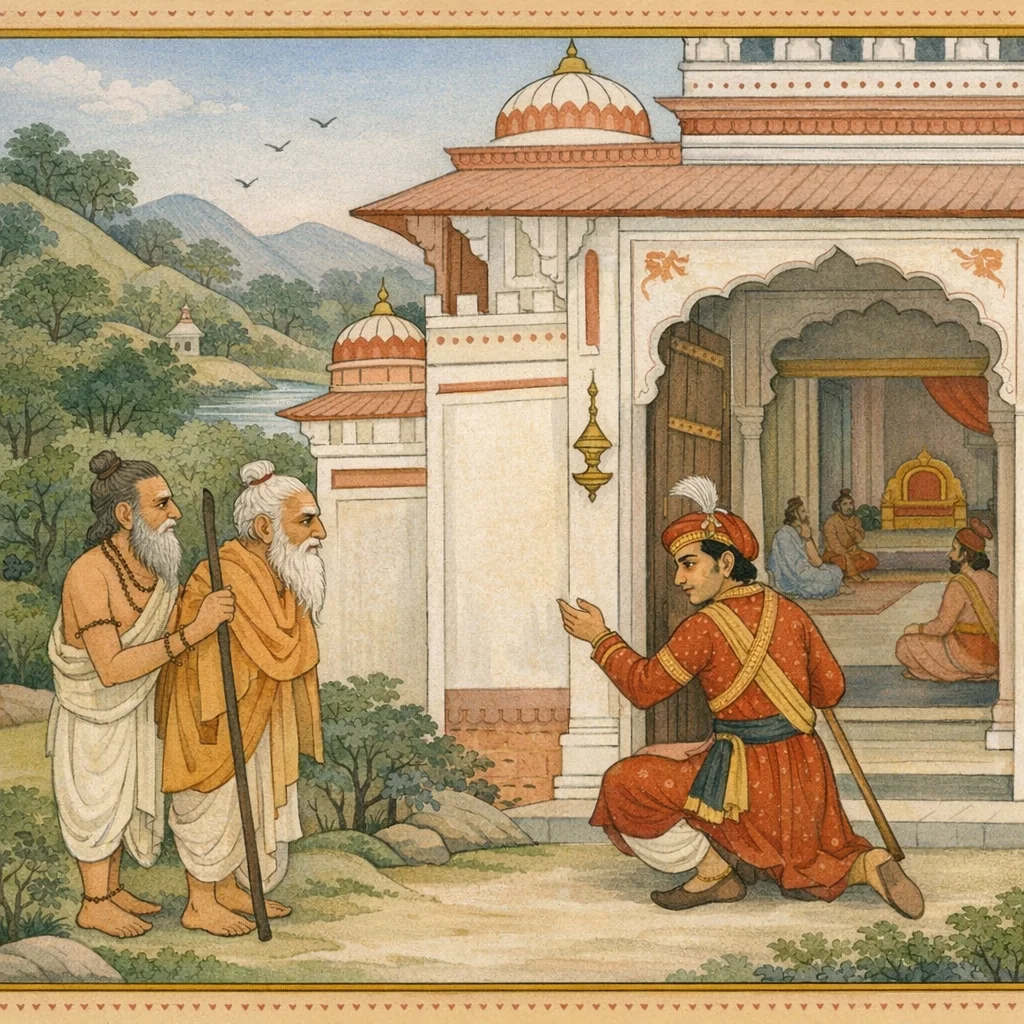
Chapter Arc: वन-आश्रम के तापसों का वचन—राजा पाण्डु ने राज्य त्यागकर यहीं तप किया और यहीं से परलोकगमन किया—हस्तिनापुर के राजभवन तक पहुँचता है, मानो वन का सत्य नगर के द्वार पर दस्तक देता हो। → तापस द्वारपाल से कहते हैं कि राजा को उनके आगमन का समाचार दे; सभा में संदेश पहुँचते ही कुरुवंश के लिए दोहरी चिंता उठती है—पाण्डु का अंत और नवजात पाण्डवों व कुन्ती-माद्री की धरोहर-रक्षा का दायित्व। प्रेतकार्य, सपिण्डीकरण और पितृमेध जैसे कर्मों की अनिवार्यता भी सामने आती है। → तापसों का निर्णायक उद्घोष: पाण्डु ने सत्पुरुषों के आचार का पालन करते हुए पुत्रलाभ के बाद सत्रहवें दिन पितृलोक गमन किया; और माद्री पतिव्रता होकर उसी के साथ पतिलोक चली गई—यह समाचार सभा के हृदय में वज्र-सा गिरता है। → तापस संकेत देते हैं कि प्रेतकार्य-सपिण्डीकरण पूर्ण होने पर कुरुकुल-उद्धारक पाण्डु को पितृमेध द्वारा यथोचित श्राद्ध-मान मिलेगा; साथ ही कुन्ती और नवजात पुत्रों को सौंपे गए ‘उपनिधि’ (धरोहर) के संरक्षण और आगे की व्यवस्था का मार्ग प्रशस्त होता है। → वन के ऋषि-सिद्धगण का गन्धर्वनगर-सा अद्भुत दृश्य देख कौरव-सभा विस्मित होती है—अब प्रश्न यह है कि हस्तिनापुर इस दिव्य-साक्ष्य और अनाथ-से राजकुमारों की उत्तराधिकार-रेखा को कैसे स्वीकारेगा।
Shlokas
Verse 1
(दाक्षिणात्य अधिक पाठके ५०६ श्लोक मिलाकर कुल ८१३६ *लोक हैं) भीकम (2 अमान पजञ्चविशर्त्याधिकशततमो< ध्याय: *आ ० और पाण्डवोंको लेकर हस्तिनापुर जाना उन्हें भीष्म आदिके हाथों सौंपना वैशम्पायन उवाच पाण्डोरुपरमं दृष्टवा देवकल्पा महर्षय: । ततो मन्त्रविद: सर्वे मन्त्रयांचक्रिरे मिथ:,वैशम्पायनजी कहते हैं--जनमेजय! राजा पाण्डुकी मृत्यु हुई देख वहाँ रहनेवाले, देवताओंके समान तेजस्वी सम्पूर्ण मन्त्रज्ञ महर्षियोंने आपसमें सलाह की
Vaiśampāyana said: Seeing that King Pāṇḍu had passed away, the great seers—radiant like the gods and skilled in sacred counsel—conferred together among themselves.
Verse 2
तापसा ऊचु हित्वा राज्यं च राष्ट्र च स महात्मा महायशा: । अस्मिन् स्थाने तपस्तप्त्वा तापसाउ्शरणं गत:,तपस्वी बोले--महान् यशस्वी महात्मा राजा पाण्डु अपना राज्य तथा राष्ट्र छोड़कर इस स्थानपर तपस्या करते हुए तपस्वी मुनियोंकी शरणमें रहते थे
The ascetics said: “That great-souled, highly renowned one—having renounced both his kingship and his realm—performed austerities in this very place and lived here under the protection and guidance of the forest sages.”
Verse 3
स जातमात्रान पुत्रांश्व दारांश्न भवतामिह । प्रादायोपनिरधिं राजा पाण्डु: स्वर्गमितो गत:,वे राजा पाण्डु अपनी पत्नी और नवजात पुत्रोंकी आपलोगोंके पास धरोहर रखकर यहाँसे स्वर्गलोक चले गये
Vaiśampāyana said: Having entrusted to you here, as a sacred deposit, his wife and his sons who were but newly born, King Pāṇḍu departed from this world and went to heaven.
Verse 4
तस्येमानात्मजान् देहं भारया च सुमहात्मन: । स्वराष्ट्र गृह गच्छामो धर्म एष हि नः स्मृतः,उनके इन पुत्रोंको, पाण्डु और माद्रीके शरीरोंकी अस्थियोंको तथा उन महात्मा नरेशकी महारानी कुन्तीको लेकर हमलोग उनकी राजधानीमें चलें। इस समय हमारे लिये यही धर्म प्रतीत होता है
“Let us take these sons of his, along with the bones of the bodies of Pāṇḍu and Mādrī, and also Queen Kuntī of that great-souled king, and go to the capital of his realm; for this is what we now hold to be dharma.”
Verse 5
वैशम्पायन उवाच ते परस्परमामन्त्रय देवकल्पा महर्षय: । पाण्डो: पुत्रान् पुरस्कृत्य नगरं नागसाह्दयम्,वैशम्पायनजी कहते हैं--राजन! इस प्रकार परस्पर सलाह करके उन देवतुल्य उदारचेता सिद्ध महर्षियोंने पाण्डवोंको भीष्म एवं धृतराष्ट्रके हाथों सौंप देनेके लिये पाण्डुपुत्रोंकोी आगे करके हस्तिनापुर नगरमें जानेका विचार किया
Vaiśampāyana said: Having consulted one another, those great seers—godlike in stature—resolved to proceed to the city called Nāgasāhvaya, placing Pāṇḍu’s sons at the forefront.
Verse 6
उदारमनस: सिद्धा गमने चक्रिरे मन: । भीष्माय पाण्डवान् दातुं धृतराष्ट्राय चैव हि,वैशम्पायनजी कहते हैं--राजन! इस प्रकार परस्पर सलाह करके उन देवतुल्य उदारचेता सिद्ध महर्षियोंने पाण्डवोंको भीष्म एवं धृतराष्ट्रके हाथों सौंप देनेके लिये पाण्डुपुत्रोंकोी आगे करके हस्तिनापुर नगरमें जानेका विचार किया
Vaiśampāyana said: The accomplished sages, noble in mind, resolved to depart, intending to entrust the Pāṇḍavas to Bhīṣma and also to Dhṛtarāṣṭra.
Verse 7
तस्मिन्नेव क्षणे सर्वे तानादाय प्रतस्थिरे । पाण्डोर्दारिंश् पुत्रांक्ष शरीरे ते च तापसा:,उन सब तपस्वी मुनियोंने पाण्डुपत्नी कुन्ती, पाँचों पाण्डवों तथा पाण्डु और माद्रीके शरीरकी अस्थियोंको साथ लेकर उसी क्षण वहाँसे प्रस्थान कर दिया
Vaiśampāyana said: At that very moment, all those ascetic sages set out, taking with them Kuntī—the wife of Pāṇḍu—the five sons of Pāṇḍu, and also the bodily remains (bones/ashes) of Pāṇḍu and Mādrī.
Verse 8
सुखिनी सा पुरा भूत्वा सततं पुत्रवत्सला । प्रपन्ना दीर्घमध्वानं संक्षिप्त तदमन्यत,पुत्रोपर सदा स्नेह रखनेवाली कुन्ती पहले बहुत सुख भोग चुकी थी, परंतु अब विपत्तिमें पड़कर बहुत लंबे मार्गपर चल पड़ी; तो भी उसने स्वदेश जानेकी उत्कण्ठा अथवा महर्षियोंके योगजनित प्रभावसे उस मार्गको अल्प ही माना
Vaiśampāyana said: Formerly she had lived in comfort, ever tenderly devoted to her sons. But now, having fallen into adversity and set out upon a long journey, she nevertheless regarded that road as short—either from her intense longing to return to her own land or through the yogic influence of the great sages.
Verse 9
सा त्वदीर्घेण कालेन सम्प्राप्ता कुरुजाड्लम् । वर्धमानपुरद्वारमाससाद यशस्विनी,यशस्विनी कुन्ती थोड़े ही समयमें कुरुजांगल देशमें जा पहुँची और नगरके वर्धमान नामक द्वारपर गयी
After a long time, the illustrious Kuntī arrived in the land of Kuru-jāṅgala and came to the city-gate known as Vardhamāna.
Verse 10
द्वारिणं तापसा ऊचू राजानं च प्रकाशय । ते तु गत्वा क्षणेनैव सभायां विनिवेदिता:,तब तपस्वी मुनियोंने द्वारपालसे कहा--'राजाको हमारे आनेकी सूचना दो!” द्वारपालने सभामें जाकर क्षणभरमें समाचार दे दिया
Vaiśampāyana said: The ascetic sages said to the doorkeeper, “Announce us to the king.” He went at once and, within a moment, conveyed their message in the royal assembly.
Verse 11
त॑ चारणसहस्राणां मुनीनामागमं तदा । श्र॒त्वा नागपुरे नृणां विस्मय: समपद्यत,सहस्रों चारणोंसहित मुनियोंका हस्तिनापुरमें आगमन सुनकर उस समय वहाँके लोगोंको बड़ा आश्चर्य हुआ
Vaiśampāyana said: Hearing that thousands of Cāraṇas and sages had arrived then in Nāgapura (Hastināpura), the people there were filled with great astonishment.
Verse 12
मुहूर्तोदित आदित्ये सर्वे बालपुरस्कृता: । सदारास्तापसान द्रष्टं निर्ययु: पुरवासिन:,दो घड़ी दिन चढ़ते-चढ़ते समस्त पुरवासी स्त्रियों और बालकोंको साथ लिये तपस्वी मुनियोंका दर्शन करनेके लिये नगरसे बाहर निकल आये
When the sun had risen for a short while, all the townspeople—bringing their children to the fore and accompanied by their wives—went out of the city to behold the ascetic sages.
Verse 13
स्त्रीसड्घा: क्षत्रसड्घाश्व यानसड्घसमास्थिता: । ब्राह्मणैः सह निर्जम्मुत्राह्मिणानां च योषित:,झुंड-की-झुंड स्त्रियाँ और क्षत्रियोंके समुदाय अनेक सवारियोंपर बैठकर बाहर निकले। ब्राह्मणोंके साथ उनकी स्त्रियाँ भी नगरसे बाहर निकलीं
Vaiśampāyana said: Groups of women and companies of kṣatriyas, mounted upon many vehicles, went out together; and along with the brāhmaṇas, the brāhmaṇa women also came forth from the city.
Verse 14
तथा विट्शूद्रसड्घानां महान् व्यतिकरो5भवत् | न कश्चिदकरोदीर्ष्यामभवन् धर्मबुद्धयः,शूद्रों और वैश्योंके समुदायका बहुत बड़ा मेला जुट गया। किसीके मनमें ईष्याका भाव नहीं था। सबकी बुद्धि धर्ममें लगी हुई थी
Likewise, a great mingling and gathering arose among the communities of Vaiśyas and Śūdras. No one harbored jealousy; the minds of all were set upon dharma.
Verse 15
तथा भीष्म: शान्तनव: सोमदत्तो5थ बाह्विक: । प्रज्ञाचक्षुश्न॒ राजर्षि: क्षत्ता च विदुर: स्वयम्,इसी प्रकार शन्तनुनन्दन भीष्म, सोमदत्त, बाह्लीक, प्रज्ञाचक्षु राजर्षि धृतराष्ट्र, संजय तथा स्वयं विदुरजी भी वहाँ आ गये
Vaiśampāyana said: “Then Bhīṣma, the son of Śantanu, and also Somadatta and Bāhlīka arrived. The royal sage Dhṛtarāṣṭra—‘he whose eyes are wisdom’—came as well, along with the chamberlain Sañjaya and Vidura himself.”
Verse 16
सा च सत्यवती देवी कौसल्या च यशस्विनी । राजदारै: परिवृता गान्धारी चापि निर्यया,देवी सत्यवती, काशिराजकुमारी यशस्विनी कौसल्या तथा राजघरानेकी स्त्रियोंसे घिरी हुई गान्धारी भी अन्तःपुरसे निकलकर वहाँ आयीं
Vaiśampāyana said: The venerable lady Satyavatī, and the illustrious Kausalyā, and Gāndhārī as well—surrounded by the women of the royal household—came out from the inner apartments and arrived there.
Verse 17
धृतराष्ट्रस्य दायादा दुर्योधनपुरोगमा: । भूषिता भूषणैश्षित्रै: शतसंख्या विनिर्ययु:,धृतराष्ट्रके दुर्योधन आदि सौ पुत्र विचित्र आभूषणोंसे विभूषित हो नगरसे बाहर निकले
Vaiśampāyana said: The heirs of Dhṛtarāṣṭra, led by Duryodhana, adorned with various splendid ornaments, went out from the city in a company numbering a hundred.
Verse 18
तान् महर्षिगणान् दृष्टवा शिरोभिरभिवाद्य च । उपोपविविशु: सर्वे कौरव्या: सपुरोहिता:,उन महर्षियोंका दर्शन करके सबने मस्तक झुकाकर प्रणाम किया। फिर सभी कौरव पुरोहितके साथ उनके समीप बैठ गये
Seeing that assembly of great seers, the Kauravas bowed their heads in reverent salutation; then, accompanied by their family priest, they all sat down near the sages.
Verse 19
तथैव शिरसा भूमावभिवाद्य प्रणम्प च । उपोपविविशु: सर्वे पौरा जानपदा अपि,इसी प्रकार नगर तथा जनपदके सब लोग भी धरतीपर माथा टेककर सबको अभिवादन और प्रणाम करके आसपास बैठ गये
In the same manner, the townspeople and the folk from the surrounding countryside bowed with their heads to the ground. Having offered respectful salutations and obeisance, they all sat down nearby.
Verse 20
तमकूजमभिकज्ञाय जनौघं सर्वशस्तदा । पूजयित्वा यथान्यायं पाद्येनाघ्येण च प्रभो,राजन्! उस समय वहाँ आये हुए समस्त जनसमुदायको चुपचाप बैठे देख भीष्मजीने पाद्य-अर्घ्य आदिके द्वारा सब महर्षियोंकी यथोचित पूजा करके उन्हें अपने राज्य तथा राष्ट्रका कुशल-समाचार निवेदन किया। तब उन महर्षियोंमें जो सबसे अधिक वृद्ध थे, वे जटा और मृगचर्म धारण करनेवाले मुनि अन्य सब ऋषियोंकी अनुमति लेकर इस प्रकार बोले---
Vaiśampāyana said: Then, perceiving the assembled multitude sitting in quiet attention, Bhīṣma duly honored the great sages according to proper custom—offering water for washing the feet and the arghya offering. Having thus shown reverence, he inquired after the welfare of their realms and people. Thereupon, the eldest among those sages—wearing matted locks and a deerskin—having obtained the consent of the other ṛṣis, began to speak.
Verse 21
भीष्मो राज्यं च राष्ट्र च महर्षिभ्यो न्न्यवेदयत् । तेषामथो वृद्धतम: प्रत्युत्थाय जटाजिनी । ऋषीणां मतमाज्ञाय महर्षिरिदमब्रवीत्,राजन्! उस समय वहाँ आये हुए समस्त जनसमुदायको चुपचाप बैठे देख भीष्मजीने पाद्य-अर्घ्य आदिके द्वारा सब महर्षियोंकी यथोचित पूजा करके उन्हें अपने राज्य तथा राष्ट्रका कुशल-समाचार निवेदन किया। तब उन महर्षियोंमें जो सबसे अधिक वृद्ध थे, वे जटा और मृगचर्म धारण करनेवाले मुनि अन्य सब ऋषियोंकी अनुमति लेकर इस प्रकार बोले---
Vaiśaṃpāyana said: Bhīṣma duly honored the assembled great seers with the customary offerings—water for the feet, arghya, and the like—and then reported to them the welfare of his kingdom and realm. Seeing the gathered people seated in respectful silence, the eldest among those sages—an ascetic wearing matted locks and a deer-skin—rose, sought the consent of the other ṛṣis, and then addressed the king as follows.
Verse 22
य: स कौरव्य दायाद: पाण्डु्नाम नराधिप: । कामभोगान् परित्यज्य शतशृड्भमितो गत:,“कुरुनन्दन भीष्मजी! वे जो आपके पुत्र महाराज पाण्डु विषयभोगोंका परित्याग करके यहाँसे शतशंग पर्वतपर चले गये थे, उन धर्मात्माने वहाँ फल-मूल खाकर रहते हुए सावधान रहकर अपनी दोनों पत्नियोंके साथ कुछ कालतक शास्त्रोक्त विधिसे भारी तपस्या की। उन्होंने अपने उत्तम आचार-व्यवहार और तपस्यासे शतशुृंगनिवासी तपस्वी मुनियोंको संतुष्ट कर लिया था। वहाँ नित्य ब्रह्मचर्यव्रतका पालन करते हुए महाराज पाण्डुको किसी दिव्य हेतुसे साक्षात् धर्मराजद्वारा यह पुत्र प्राप्त हुआ है, जिसका नाम युधिष्छिर है
Vaiśampāyana said: That royal heir of the Kuru line—king Pāṇḍu—renounced the pleasures of sense-enjoyment and departed from here to Mount Śataśṛṅga. The verse frames Pāṇḍu’s withdrawal as an ethically charged choice: turning from indulgence toward disciplined living and higher purpose.
Verse 23
(स यथोक्तं तपस्तेपे तत्र मूलफलाशन: ।। पत्नीभ्यां सह धर्मात्मा कंचित् कालमतन्द्रित: । तेन वृत्तसमाचारैस्तपसा च तपस्विन: । तोषितास्तापसास्तत्र शतशृुड्शनिवासिन: ।।) ब्रह्मचर्यव्रतस्थस्य तस्य दिव्येन हेतुना । साक्षाद् धर्मादयं पुत्रस्तत्र जातो युधिछ्िर:,“कुरुनन्दन भीष्मजी! वे जो आपके पुत्र महाराज पाण्डु विषयभोगोंका परित्याग करके यहाँसे शतशंग पर्वतपर चले गये थे, उन धर्मात्माने वहाँ फल-मूल खाकर रहते हुए सावधान रहकर अपनी दोनों पत्नियोंके साथ कुछ कालतक शास्त्रोक्त विधिसे भारी तपस्या की। उन्होंने अपने उत्तम आचार-व्यवहार और तपस्यासे शतशुृंगनिवासी तपस्वी मुनियोंको संतुष्ट कर लिया था। वहाँ नित्य ब्रह्मचर्यव्रतका पालन करते हुए महाराज पाण्डुको किसी दिव्य हेतुसे साक्षात् धर्मराजद्वारा यह पुत्र प्राप्त हुआ है, जिसका नाम युधिष्छिर है
Vaiśaṃpāyana said: As had been prescribed, Pāṇḍu undertook austerities there, living on roots and fruits. Steadfast and vigilant, that righteous king practiced severe penance for some time together with his two wives. By his disciplined conduct and ascetic power he pleased the hermit-sages dwelling on Śataśṛṅga. While he remained established in the vow of brahmacarya, through a divine cause a son was born to him there directly from Dharma himself—Yudhiṣṭhira, the embodiment of righteousness.
Verse 24
तथैनं बलिनां श्रेष्ठ तस्य राज्ञो महात्मन: । मातरिश्वा ददौ पुत्र भीम॑ नाम महाबलम्,“उसी प्रकार उन महात्मा राजाको साक्षात् वायु देवताने यह महाबली भीम नामक पुत्र प्रदान किया है, जो समस्त बलवानोंमें श्रेष्ठ है
Vaiśampāyana said: “In the same manner, O best among the mighty, Mātariśvan (the Wind-god) granted to that great-souled king a son of immense strength, named Bhīma—one who would stand foremost among all the powerful.”
Verse 25
पुरुहृतादयं जज्ञे कुन्त्यामेव धनंजय: । यस्य कीर्तिमिहेष्वासान् सर्वानभिभविष्यति,“यह तीसरा पुत्र धनंजय है, जो इन्द्रके अंशसे कुन्तीके ही गर्भसे उत्पन्न हुआ है। इसकी कीर्ति समस्त बड़े-बड़े धनुर्धरोंको तिरस्कृत कर देगी
Vaiśampāyana said: From Puruhūta (Indra) was born Dhanañjaya, indeed in Kuntī’s womb. His fame, here in this world, will surpass and eclipse all the great bowmen—foretelling a divinely sanctioned excellence that will later be tested in the demands of dharma and war.
Verse 26
यौ तु माद्री महेष्वासावसूत पुरुषोनमौ । अश्रिभ्यां पुरुषव्याप्राविमौ तावपि पश्यत,'माद्रीदेवीने अश्विनीकुमारोंसे जिन दो पुरुषरत्नोंको उत्पन्न किया है, वे ये ही दोनों महाधनुर्धर नरश्रेष्ठ हैं। इन्हें भी आपलोग देखें
Vaiśampāyana said: “And the two supreme men whom Mādrī bore—those two great bowmen, tiger-like among men—were begotten by the Aśvin twins. Behold these two as well.”
Verse 27
(नकुल: सहदेवश्न तावप्यमिततेजसौ । पाण्डवौ नरशार्दूलाविमावपष्यपराजितौ ।।) चरता धर्मनित्येन वनवासं यशस्विना । नष्ट: पैतामहो वंश: पाण्डुना पुनरुद्धृत:,“इनके नाम हैं नकुल और सहदेव। ये दोनों भी अनन्त तेजसे सम्पन्न हैं। ये नरश्रेष्ठ पाण्डुकुमार भी किसीसे परास्त होनेवाले नहीं हैं। नित्य धर्ममें तत्पर रहनेवाले यशस्वी राजा पाण्डुने वनमें निवास करते हुए अपने पितामहके उच्छिन्न वंशका पुनः उद्धार किया है
Vaiśampāyana said: “These are Nakula and Sahadeva; they too are endowed with immeasurable splendor. These Pāṇḍava princes, tigers among men, are not to be overcome by anyone. By living in the forest while remaining ever steadfast in dharma, the illustrious King Pāṇḍu restored again the line of his forefathers that had been lost.”
Verse 28
पुत्राणां जन्मवृद्धिं च वैदिकाध्ययनानि च । पश्यन्त: सततं पाण्डो: परां प्रीतिमवाप्स्यथ,'पाण्डुपुत्रोंके जन्म, उनकी वृद्धि तथा वेदाध्ययन आदि देखकर आपलोग सदा अत्यन्त प्रसन्न होंगे
Vaiśaṃpāyana said: “By continually witnessing the sons’ birth, their growth, and their study of the Veda, you will always attain the highest joy on account of Pāṇḍu.”
Verse 29
वर्तमान: सतां वृत्ते पुत्रलाभमवाप्य च । पितृलोकं गत: पाण्डुरित: सप्तदशे5हनि,'साधु पुरुषोंके आचार-व्यवहारका पालन करते हुए राजा पाण्डु उत्तम पुत्रोंकी उपलब्धि करके आजसे सत्रह दिन पहले पितृलोकवासी हो गये
Observing the conduct and discipline upheld by the virtuous, King Pāṇḍu—having attained the blessing of excellent sons—departed to the world of the ancestors; this occurred seventeen days ago.
Verse 30
तं चितागतमाज्ञाय वैश्वानरमुखे हुतम् । प्रविष्टा पावकं माद्री हित्वा जीवितमात्मन:,“जब वे चितापर सुलाये गये और उन्हें अग्निके मुखमें होम दिया गया, उस समय देवी माद्री अपने जीवनका मोह छोड़कर उसी अम्निमें प्रविष्ट हो गयी
Vaiśampāyana said: Knowing that he had been placed upon the funeral pyre and offered into the mouth of Vaiśvānara, the sacrificial Fire, Mādrī—renouncing attachment to her own life—entered that very fire.
Verse 31
सा गता सह तेनैव पतिलोकमनुव्रता । तस्यास्तस्य च यत् कार्य क्रियतां तदनन्तरम्,“वह पतिव्रता देवी महाराज पाण्डुके साथ ही पतिलोकको चली गयी। अब आपलोग माद्री और पाण्डुके लिये जो कार्य आवश्यक समझें, वह करें
Vaiśampāyana said: “That devoted lady, faithful to her husband’s vow, has gone with him to the world of her lord. Now, immediately thereafter, let whatever rites and duties are required for her and for him be duly performed.”
Verse 32
(पृथां च शरणं प्राप्तां पाण्डवांश्व॒ यशस्विन: । यथावदनुगृह्नन्तु धर्मो होष सनातन: ।।) इमे तयो: शरीरे द्वे पुत्राश्नेमे तयोरवरा: । क्रियाभिरनुगृहान्तां सह मात्रा परंतपा:,'शरणमें आयी हुई कुन्ती तथा यशस्वी पाण्डवोंको आपलोग यथोचित रूपसे अपनाकर अनुगृहीत करें; क्योंकि यही सनातन धर्म है। ये पाण्डु और माद्री दोनोंके शरीरोंकी अस्थियाँ हैं और ये ही उनके श्रेष्ठ पुत्र हैं, जो शत्रुओंको संतप्त करनेकी शक्ति रखते हैं। आप माद्री और पाण्डुकी श्राद्ध-क्रिया करनेके साथ ही मातासहित इन पुत्रोंको भी अनुगृहीत करें
Vaiśaṃpāyana said: “Let them duly receive and protect Pṛthā (Kuntī), who has come seeking refuge, and the illustrious Pāṇḍavas; for this is the eternal rule of dharma. Here are the two bodies, the mortal remains of those two—Pāṇḍu and Mādrī—and here too are their excellent sons, mighty enough to afflict their foes. Therefore, while performing the funerary rites, let these sons also be shown favor and care, together with their mother.”
Verse 33
प्रेतकार्ये निवृत्ते तु पितृमेधं महायशा: । लभतां सर्वधर्मज्ञ: पाण्डु: कुरुकुलोद्वह:,“सपिण्डीकरणपर्यन्त प्रेतकार्य निवृत्त हो जानेपर कुरुवंशके श्रेष्ठ पुरुष महायशस्वी एवं सम्पूर्ण धर्मोके ज्ञाता पाण्डुको पितृमेध (यज्ञ)-का भी लाभ मिलना चाहिये”
Vaiśampāyana said: When the rites for the departed had been duly completed, let the illustrious Pāṇḍu—foremost of the Kuru line and knower of all dharma—also receive the benefit of the pitṛmedha, the ancestral sacrificial rite. The passage underscores that beyond immediate funeral observances, dharma requires the full sequence of post-death duties so the deceased is properly integrated among the ancestors and honored according to lineage and law.
Verse 34
वैशम्पायन उवाच एवमुक्त्वा कुरून् सर्वान् कुरूणामेव पश्यताम् | क्षणेनान्तर्हिता: सर्वे तापसा गुह्र॒कः सह,वैशम्पायनजी कहते हैं--जनमेजय! समस्त कौरवोंसे ऐसी बात कहकर उनके देखते-देखते वे सभी तपस्वी मुनि गुह्कोंके साथ क्षणभरमें वहाँसे अन्तर्धान हो गये
Vaiśampāyana said: O King Janamejaya, having spoken thus to all the Kurus, and while they looked on, all those ascetic sages, together with Guhaka, vanished from that place in an instant.
Verse 35
गन्धर्वनगराकारं तथैवान्तर्तहितं पुन: । ऋषिसिद्धगणं दृष्टवा विस्मयं ते परं ययु:,(कौरवा: सहसोत्पत्य साधु साध्विति विस्मिता: ।।) गन्धर्वनगरके समान उन महर्षियों और सिद्धोंके समुदायको इस प्रकार अन्तर्धान होते देख वे सभी कौरव सहसा उछलकर “साधु-साधु' ऐसा कहते हुए बड़े विस्मित हुए
Vaiśampāyana said: Seeing that assembly of ṛṣis and siddhas—appearing like a celestial city of the Gandharvas—vanish again from sight, the Kauravas were struck with the highest amazement. Rising up at once, they exclaimed, “Well done, well done!” in wonder. The episode underscores reverence toward spiritual power and the humbling recognition that ascetic accomplishment can eclipse worldly pride.
Verse 124
इस प्रकार श्रीमहाभारत आदिपव॑के अन्तर्गत सम्भवपर्वमें पाण्डुके परलोकगमनविषयक एक सौ चौबीसवाँ अध्याय पूरा हुआ
Thus ends the one hundred and twenty-fourth chapter of the Sambhava section within the Ādi Parva of the Śrī Mahābhārata, dealing with Pāṇḍu’s departure to the next world. The colophon marks the close of a narrative unit and signals the ethical weight of mortality and consequence that frames the dynasty’s unfolding fate.
Verse 125
इति श्रीमहाभारते आदिपर्वणि सम्भवपर्वणि ऋषिसंवादे पजञ्चविंशत्यधिकशततमो< ध्याय:,इस प्रकार श्रीमहाभारत आदिपव॑के अन्तर्गत सम्भवपर्वमें ऋषिसंवादाविषयक एक यौी पचीसवाँ अध्याय पूरा हुआ
Thus, in the Śrī Mahābhārata, within the Ādi Parva and specifically the Sambhava Parva, in the section presented as a dialogue among sages, the one-hundred-and-twenty-fifth chapter (i.e., the 125th) comes to its close. The colophon marks the completion of this unit of narration, situating the teaching within a lineage of sacred transmission and emphasizing orderly preservation of the epic’s account.
Frequently Asked Questions
The chapter stages a dharma-sankat between merit and procedure: whether demonstrated prowess alone authorizes participation in elite combat, or whether social-legal qualification (lineage and recognized status) must precede public contest.
Public institutions convert personal qualities into social facts; therefore, legitimacy is not merely intrinsic but mediated by recognition, ritual, and policy—often shaped by strategic interests as much as ethical ideals.
No explicit phalaśruti is stated here; the meta-function is narrative-structural: it establishes Karṇa’s public identity as a politically legitimized rival and formalizes his alliance with Duryodhana, shaping subsequent causal trajectories.