Adhyaya 21
Virāṭa-parva Adhyāya 21 — Kīcaka’s clandestine approach and Bhīma’s covert intervention (नर्तनागारे कीचकवध-प्रसङ्गः)
Upa-parva: Kīcaka-vadha (Episode of Kīcaka’s death) within Virāṭa-parva
This chapter records a tightly sequenced covert operation framed by dialogue and nocturnal action. Bhīma reassures Draupadī that Kīcaka will be neutralized and instructs her to arrange a secret rendezvous at the dance hall (nartanaśālā), a space empty at night. Kīcaka, asserting de facto power in Matsya and offering material inducements, presses Draupadī; she responds by setting a condition of secrecy, citing fear of the “Gandharvas” (a protective cover for her husbands). The narrator notes Kīcaka’s anticipation and self-adornment, emphasizing delusion and overconfidence. Draupadī then informs Bhīma that Kīcaka will come alone at night; Bhīma reiterates commitment to act without assistance to preserve concealment. At midnight, Bhīma arrives first and waits unseen; Kīcaka enters the dark hall believing he approaches Draupadī. A physical struggle follows, described in escalating force and imagery; Bhīma ultimately overpowers Kīcaka and renders his body unrecognizable, then shows the result to Draupadī. Draupadī publicly attributes the death to her “Gandharva” husbands to maintain operational secrecy, after which guards confirm the corpse’s condition, reinforcing the episode’s themes of hidden agency, deterrence, and controlled disclosure.
Chapter Arc: द्रौपदी (कृष्णा) अपमान और भय से काँपती हुई भीम के पास आती है; भीम अपने बाहुबल और अर्जुन के गाण्डीव को धिक्कारता है कि उनके रहते उसके कोमल हाथ काले पड़ गए। → भीम विराट-सभा में ही कीचक का संहार करने को उद्यत होता है, पर संयम इसलिए रखता है कि कुन्तीपुत्र (अर्जुन) प्रतीक्षा में हैं और अज्ञातवास का भेद खुलना विनाशक होगा। द्रौपदी कीचक की कामातुरता, मद और दुरात्मता का वृत्तांत सुनाती है—कैसे वह राजाश्रय लेकर निर्भय हो गया और उसने उसे सताया। → द्रौपदी भीम की छाती से लगकर रोती है; भीम उसके आँसू पोंछते हुए क्रोध से दाँत पीसता है, कीचक के वध का संकल्प भीतर ही भीतर दृढ़ करता है—‘ऐश्वर्यमद में उन्मत्त महाद्विप’ की भाँति उसे पैरों तले रौंद देने की प्रतिज्ञा करता है। → भीम द्रौपदी को तर्कयुक्त वचनों से ढाढ़स बँधाता है—समय उपस्थित कार्य पर लगने का उपदेश देता है और प्रतिशोध को ऐसी रीति से साधने का संकेत देता है कि पाण्डवों का रहस्य सुरक्षित रहे। → भीम का क्रोध अब योजना में ढल चुका है; अगला कदम—कीचक को किस प्रकार फँसाकर, बिना पहचान खोले, दण्ड दिया जाएगा—यहीं अध्याय का तनाव छोड़ देता है।
Shlokas
Verse 1
भीमसेन बोले--देवि! मेरे बाहुबलको तथा अर्जुनके गाण्डीव धनुषको भी धिक्कार है; क्योंकि तुम्हारे ये दोनों कोमल हाथ, जो पहले लाल थे, अब घट्ठे पड़नेसे काले हो गये हैं,इस प्रकार श्रीमह्याभारत विराटपर्वके अन्तर्गत कीचकवधपर्वमें द्रौपदीको आश्चासनविषयक इक्कीसवाँ अध्याय प्रा हुआ ॥/ २९ ॥। (दाक्षिणात्य अधिक पाठके २ श्लोक मिलाकर कुल ५३ श्लोक हैं।) हि >> () हि २ 7-2 दाविशोद्ध्याय: कीचक और भीमसेनका युद्ध तथा कीचकवध भीमसेन उवाच तथा भद्रे करिष्यामि यथा त्वं भीरु भाषसे । अद्य तं॑ सूदयिष्यामि कीचकं सहबान्धवम्
Bhīmasena said: “So it shall be done, noble lady, exactly as you, though frightened, have spoken. Today I will strike down Kīcaka together with his supporters.” In this moment Bhīma gives Draupadī reassurance and commits himself to decisive action against an abuser, framing the coming violence as protective justice rather than personal vengeance.
Verse 2
सभायां तु विराटस्य करोमि कदनं महत् | तत्र मे कारणं भाति कौन्तेयो यत् प्रतीक्षते,मैं तो उसी दिन विराटकी सभामें ही भारी संहार मचा देता, किंतु ऐसा न करनेमें कारण बन गये कुन्तीनन्दन महाराज युधिष्ठिर। वे प्रकट हो जानेका भय सूचित करते हुए मेरी ओर देखने लगे
Verse 3
अथवा कीचकस्याहं पोथयामि पदा शिर: । ऐश्वर्यमदमत्तस्य क्रीडन्निव महाद्विप:,अथवा एऐश्वर्यके मदसे उन्मत्त हुए उस कीचकका मस्तक मैं उसी प्रकार पैरोंसे रौंद डालता जैसे क्रीडा करता हुआ महान् गजराज कीचक (बाँस)-के वृक्षको मसल डालता है
Bhīmasena said: “Or else I shall crush Kīcaka’s head beneath my feet—just as a mighty elephant, playfully, tramples a bamboo tree. Drunk with the pride of power and prosperity, he deserves to be brought down.”
Verse 4
अपश्यं त्वां यदा कृष्णे कीचकेन पदा हताम् | तदैवाहं चिकीर्षामि मत्स्यानां कदनं महत्,कृष्णे! जब कीचकने तुम्हें लातसे मारा था, उस समय मैं वहीं था और अपनी आँखों यह घटना मैंने देखी थी। उसी क्षण मेरी इच्छा हुई कि आज इन मत्स्यदेशवासियोंका महासंहार कर डालूँ
Verse 5
तत्र मां धर्मराजस्तु कटाक्षेण न््यवारयत् | तदहं तस्य विज्ञाय स्थित एवास्मि भामिनि,किंतु धर्मराजने वहाँ नेत्रोंसे संकेत करके मुझे ऐसा करनेसे रोक दिया। भामिनि! उनके उस इशारेको समझकर ही मैं चुप रह गया
There, however, King Dharma (Yudhiṣṭhira) restrained me with a mere glance. Understanding his signal, O passionate lady, I remained exactly as I was—silent and self-controlled.
Verse 6
यच्च राष्ट्रात् प्रच्यवनं कुरूणामवधश्नच यः । सुयोधनस्य कर्णस्य शकुने: सौबलस्य च,जिस दिन हमें राज्यसे वज्चित किया गया, उसी दिन जो कौरवोंका वध नहीं हुआ, दुर्योधन, कर्ण, सुबलपुत्र शकुनि तथा पापी दुःशासनके मस्तक मैंने नहीं काट डाले, यह सब सोचकर मेरे हृदयमें काँटा-सा चुभ जाता है और शरीरमें आग लग जाती है। सुश्रोणि! तुम बड़ी बुद्धिमती हो, धर्मको न छोड़ो; क्रोधका त्याग करो
Bhīma said: “And the day we were driven out from the kingdom—on that very day—that the slaughter of the Kauravas did not take place; that I did not strike down Suyodhana (Duryodhana), Karṇa, and Śakuni the son of Subala—this thought pierces my heart like a thorn and sets my whole being aflame. O fair-hipped lady, you are wise: do not abandon dharma; give up anger.”
Verse 7
दुःशासनस्य पापस्य यन्मया नाहतं शिर: । तन्मे दहति गात्राणि हृदि शल्यमिवार्पितम् । मा धर्म जहि सुश्रोणि क्रोधं जहि महामते,जिस दिन हमें राज्यसे वज्चित किया गया, उसी दिन जो कौरवोंका वध नहीं हुआ, दुर्योधन, कर्ण, सुबलपुत्र शकुनि तथा पापी दुःशासनके मस्तक मैंने नहीं काट डाले, यह सब सोचकर मेरे हृदयमें काँटा-सा चुभ जाता है और शरीरमें आग लग जाती है। सुश्रोणि! तुम बड़ी बुद्धिमती हो, धर्मको न छोड़ो; क्रोधका त्याग करो
Bhimasena said: “That I have not yet struck down the head of the sinful Duḥśāsana burns my limbs; it torments my heart like a dart embedded within. O fair-hipped one, do not abandon dharma; O wise lady, give up anger.”
Verse 8
इमं तु समुपालम्भं त्वत्तो राजा युधिष्ठिर: । शृणुयाद् वापि कल्याणि कृत्स्नं जह्मात् स जीवितम्,कल्याणी! यदि राजा युधिष्ठिर तुम्हारे मुखसे यह सारा उपालम्भ सुन लेंगे तो प्राण त्याग देंगे
Bhīmasena said: “O noble lady, if King Yudhiṣṭhira were to hear from your own mouth this entire reproach and taunt, he would abandon his very life.”
Verse 9
धनंजयो वा सुश्रोणि यमौ वा तनुमध्यमे । लोकान्तरगतेष्वेषु नाहं शक्ष्यामि जीवितुम्
Bhīmasena said: “O fair-hipped one, O slender-waisted lady—if Dhanañjaya (Arjuna) or the twin brothers should pass into another world, I would not be able to go on living.”
Verse 10
सुश्रोणि! तनुमध्यमे! धनंजय अथवा नकुल-सहदेव भी इसे सुनकर जीवित नहीं रह सकते। इन सबके परलोकवासी हो जानेपर मैं भी नहीं जी सकूँगा ।। पुरा सुकन्या भार्या च भार्गव च्यवनं वने । वल्मीकभूतं शाम्यन्तमन्वपद्यत भामिनी,प्राचीन कालकी बात है, भृगुनन्दन महर्षि च्यवन तपस्या करते-करते बाँबीके समान हो गये थे, मानो अब उनका जीवनदीप बुझ जायगा; ऐसी दशा हो गयी थी, तो भी उनकी कल्याणमयी पत्नी सुकन्याने उन्हींका अनुसरण किया--वह उन्हींकी सेवा-शुश्रूषामें लगी रही। नारायणी इन्द्रसेना भी अपने रूप-सौन्दर्यके कारण विख्यात थी। तुमने भी उसका नाम सुना होगा। पूर्वकालमें उसने अपने हजार वर्षके बूढ़े पति मुदुगल ऋषिकी निरन्तर सेवा की थी
Bhima said: “O fair-hipped one, O slender-waisted lady! Even Arjuna, or Nakula and Sahadeva, would not be able to go on living after hearing this. If all of them were to pass to the next world, I too could not live. In ancient times, the noble Sukanya followed her husband, the Bhargava sage Cyavana, into the forest. Though he had become like an anthill through austerity—his life seeming to fade—she did not abandon him; she remained devoted in service and attendance. So too Narayani Indrasena, famed for her beauty—whose name you have surely heard—once served her husband, the sage Mudgala, though he was a thousand years old, with unbroken dedication.”
Verse 11
नारायणी चेन्द्रसेना रूपेण यदि ते श्रुता । पतिमन्वचरद् वृद्ध पुरा वर्षमहस्रिणम्,प्राचीन कालकी बात है, भृगुनन्दन महर्षि च्यवन तपस्या करते-करते बाँबीके समान हो गये थे, मानो अब उनका जीवनदीप बुझ जायगा; ऐसी दशा हो गयी थी, तो भी उनकी कल्याणमयी पत्नी सुकन्याने उन्हींका अनुसरण किया--वह उन्हींकी सेवा-शुश्रूषामें लगी रही। नारायणी इन्द्रसेना भी अपने रूप-सौन्दर्यके कारण विख्यात थी। तुमने भी उसका नाम सुना होगा। पूर्वकालमें उसने अपने हजार वर्षके बूढ़े पति मुदुगल ऋषिकी निरन्तर सेवा की थी
Bhīmasena said: “If you have heard of Nārāyaṇī Indrasenā, famed for her beauty, then know this: in ancient times she faithfully followed and served her aged husband for a full thousand years. Her story is recalled to uphold the ethic that true marital dharma is measured not by youth, pleasure, or advantage, but by steadfast loyalty, service, and endurance in hardship.”
Verse 12
दुहिता जनकस्यापि वैदेही यदि ते श्रुता । पतिमन्वचरत् सीता महारण्यनिवासिनम्,जनकनन्दिनी वैदेही सीताका नाम तो तुम्हारे कानोंमें पड़ा ही होगा। उन्होंने अत्यन्त घोर वनमें निवास करनेवाले अपने पति श्रीरामचन्द्रजीका अनुगमन किया था
Surely you have heard of Vaidehī, the daughter of King Janaka—Sītā. She chose to follow her husband, Rāma, even when he was living in the vast and dreadful wilderness, showing steadfast marital fidelity and unwavering commitment to dharma despite hardship.
Verse 13
रक्षसा निग्रहं प्राप्प रामस्य महिषी प्रिया । क्लिश्यमानापि सुश्रोणि राममेवान्वपद्यत,सुश्रोणि! जानकी श्रीरामकी प्यारी रानी थीं। वे राक्षसकी कैदमें पड़कर दीर्घकालतक क्लेश उठाती रहीं, तो भी उन्होंने श्रीरामको ही अपनाये रखा; अपना धर्म नहीं छोड़ा
Bhīmasena said: “Sītā, the beloved queen of Rāma, fell under the restraint of a rākṣasa. Though she suffered long and was sorely afflicted, O fair-hipped lady, she still took refuge in Rāma alone—never abandoning her chosen dharma and fidelity.”
Verse 14
लोपामुद्रा तथा भीरु वयोरूपसमन्विता । अगस्तिमन्वयाद्धित्वा कामान् सर्वानमानुषान्,भीरु! नयी अवस्था और अनुपम रूप-सौन्दर्यसे सम्पन्न राजकुमारी लोपामुद्राने सम्पूर्ण अलौकिक सुख-भोगोंपर लात मारकर अपने पति महर्षि अगस्त्यका ही अनुसरण किया था
Bhīma said: “So too did the gentle Lopāmudrā, endowed with youth and incomparable beauty. Casting aside all extraordinary, otherworldly pleasures, she chose to follow only her husband, the great sage Agastya.”
Verse 15
द्युमत्सेनसुतं वीर॑ सत्यवन्तमनिन्दिता । सावित्र्यनुचचारैका यमलोकं॑ मनस्विनी,सती-साध्वी मनस्विनी सावित्री द्युमत्सेनके पुत्र वीरवर सत्यवान्के मर जानेपर उनके पीछे-पीछे अकेली ही यमलोककी ओर गयी थी
Bhīmasena said: “The blameless, resolute Sāvitrī—when the heroic Satyavān, son of Dyumatsena, had died—followed him all alone, even toward Yama’s realm.”
Verse 16
यथैता:ः कीर्तिता नार्यो रूपवत्य: पतिव्रता: । तथा त्वमपि कल्याणि सर्व: समुदिता गुणै:,कल्याणि! इन रूपवती पतिव्रता नारियोंका जैसा आदर्श बताया गया है, उसी प्रकार तुम भी समस्त सदगुणोंसे सम्पन्न हो
“Just as these women have been spoken of as beautiful and steadfast in wifely fidelity, so too, O auspicious lady, you are likewise endowed with every virtue.”
Verse 17
मादीर्घ क्षम काल त्वं मासमर्ध च सम्मितम् | पूर्णे त्रयोदशे वर्षे राज्ञां राज्ञी भविष्यसि,अब तुम थोड़े दिनोंतक और ठहर जाओ । वर्ष पूरा होनेमें महीना--आध-महीना और रह गया है। तेरहवाँ वर्ष पूर्ण होते ही तुम राजरानी बनोगी
Bhīmasena said: “Do not endure this for long. Only about a month—perhaps half a month—remains. As soon as the thirteenth year is completed, you will become a queen among kings.”
Verse 18
(सत्येन ते शपे चाहं भविता नान्यथेति ह । सर्वासां परमस्त्रीणां प्रामाण्यं कर्तुमहसि । देवि! मैं सत्यकी शपथ खाकर कहता हूँ, ऐसा ही होगा; यह टल नहीं सकता। तुम्हें सभी श्रेष्ठ स्त्रियोंके समक्ष अपना आदर्श उपस्थित करना चाहिये। सर्वेषां च नरेन्द्राणां मूर्थ्नि स्थास्यसि भामिनि ।। भर्तृभक्त्या च वृत्तेन भोगान् प्राप्स्यसि दुर्लभान् ।।) भामिनि! तुम अपनी पतिभक्ति तथा सदाचारसे सम्पूर्ण नरेशोंके मस्तकपर स्थान प्राप्त करोगी और तुम्हें दुर्लभ भोग सुलभ होंगे। द्रौपहुुवाच आरतयैतन्मया भीम कृतं बाष्पप्रमोचनम् । अपारयन्त्या दुःखानि न राजानमुपालभे,द्रौपदीने कहा--प्राणनाथ भीम! इधर अनेक प्रकारके दु:ःखोंको सहन करनेमें असमर्थ एवं आर्त होकर ही मैंने ये आँसू बहाये हैं। मैं राजा युधिष्ठिरको उलाहना नहीं दूँगी
Bhīmasena said: “By truth I swear to you—so it shall be; it cannot be otherwise. O lady, you ought to set forth your authority as an exemplar before all the foremost women. O passionate one, by your devotion to your husband and by your upright conduct, you will stand upon the heads of all kings—that is, you will be honored above them—and you will attain rare enjoyments and blessings.”
Verse 19
किमुक्तेन व्यतीतेन भीमसेन महाबल । प्रत्युपस्थितकालस्य कार्यस्यानन्तरो भव,महाबली भीमसेन! अब बीती बातोंको दुहरानेसे क्या लाभ? इस समय जिसका अवसर उपस्थित है, उस कार्यके लिये तैयार हो जाओ
“What is the use of speaking again about what has already passed, O mighty Bhīmasena? The time for action has now arrived—be ready at once for the task that stands before us.”
Verse 20
ममेह भीम कैकेयी रूपाभिभवशड्कया । नित्यमुद्विजते राजा कथं नेयादिमामिति,भीम! केकयकुमारी सुदेष्णा यहाँ मेरे रूपसे पराजित होनेके कारण सदा इस शंकासे उद्विग्न रहती है कि राजा विराट किसी प्रकार इसपर आसक्त न हो जायूँ
Bhīma said: “Here, O Bhīma, the Kekaya princess Sudeshṇā is ever anxious, fearing that my beauty will outshine her own. She is continually troubled by the suspicion: ‘How can I ensure that King Virāṭa does not become attached to her?’”
Verse 21
तस्या विदित्वा तं भावं स्वयं चानृतदर्शन: । कीचको<यं सुदुष्टात्मा सदा प्रार्थयते हि माम्,जिसका देखना भी अनृत (पापमय) है, वही यह परम दुष्टात्मा कीचक रानी सुदेष्णाके उक्त मनोभाव-को जानकर सदा स्वयं आकर मेरे आगे प्रार्थना किया करता है इति श्रीमहाभारते विराटपर्वणि कीचकवधपर्वणि द्रौपदीसान्त्वने एकविंशो5 ध्याय:
Having understood her intention, that Kīcaka—whose very presence is sinful to behold—this utterly wicked man, knowing Queen Sudeshṇā’s state of mind, repeatedly comes of his own accord and keeps pleading with me.
Verse 22
तमहं कुपिता भीम पुन: कोप॑ं नियम्य च । अब्र॒ुवं कामसम्मूढमात्मानं रक्ष कीचक,भीम! पहले-पहल उसके ऐसा कहनेपर मैं कुपित हो उठी; किंतु पुनः क्रोधके वेगको रोककर बोली--'कीचक! तू कामसे मोहित हो रहा है। अरे! तू अपने-आपकी रक्षा कर
Bhīma said: “At his words I first flared up in anger; but then, restraining the surge of wrath, I addressed Kīcaka—who was deluded by lust—saying: ‘Kīcaka, guard yourself; protect your own life.’”
Verse 23
गन्धर्वाणामहं भार्या पञठ्चानां महिषी प्रिया । ते त्वां निहन्यु: कुपिता: शूरा: साहसकारिण:,“मैं पाँच गन्धर्वोकी पत्नी तथा प्यारी रानी हूँ। वे साहसी तथा शूरवीर गन्धर्व तुम्हें कुपित होकर मार डालेंगे”
“I am the wife of five Gandharvas, their beloved chief queen. Those bold and valiant Gandharvas, if angered, will slay you.”
Verse 24
एवमुक्त: सुदुष्टात्मा कीचक: प्रत्युवाच ह । नाहं बिभेमि सैरन्ध्रि गन्धर्वाणां शुचिस्मिते,मेरे ऐसा कहनेपर महा दुष्टात्मा कीचकने उत्तर दिया--'पवित्र मुसकानवाली सैरन्ध्री! मैं गन्धर्वोंसे नहीं डरता
Thus addressed, the thoroughly wicked Kīcaka replied: “O Sairandhrī, you whose smile is pure— I do not fear the Gandharvas.”
Verse 25
शतं शतसहस्राणि गन्धर्वाणामहं रणे । समागतं हनिष्यामि त्वं भीरु कुरु मे क्षणम्,'भीरु! यदि युद्धमें मेरे सामने एक करोड़ गन्धर्व भी आ जाया, तो मैं उन्हें मार डालूगा; परंतु तुम मुझे स्वीकार कर लो"
Bhīma said: “Even if hundreds of thousands of Gandharvas were to gather against me in battle, I would slay them all. But you, timid one—grant me a moment; accept me.”
Verse 26
इत्युक्ते चाब्रुवं मत्तं कामातुरमहं पुनः । नत्वं प्रतिबलश्नैषां गन्धर्वाणां यशस्विनाम्,उसके इस प्रकार उत्तर देनेपर मैंने पुन उस कामातुर और मतवाले कीचकसे कहा --'कीचक! तू मेरे यशस्वी पति गन्धर्वोके समान बलवान् नहीं है
When he had spoken thus, I again addressed Kīcaka, that man intoxicated and maddened by lust: “Kīcaka, you are not a match in strength for those glorious Gandharvas.”
Verse 27
धर्मे स्थितास्मि सततं कुलशीलसमन्विता । नेच्छामि कंचिद् वध्यन्तं तेन जीवसि कीचक,“मैं सदा पातिव्रत्य-धर्ममें स्थित रहती हूँ एवं अपने उत्तम कुलकी मर्यादा और सदाचारसे सम्पन्न हूँ। मैं नहीं चाहती कि मेरे कारण किसीका वध हो, इसीलिये तू अबतक जीवित है”
I remain ever established in dharma, endowed with the noble standards and good conduct of my lineage. I do not wish that anyone should be slain because of me; therefore, O Kīcaka, you have lived until now.
Verse 28
एवमुक्त: स दुष्टात्मा प्राहसत् स्वनवत् तदा | अथ मां तत्र कैकेयी प्रैषयत् प्रणयेन तु,मेरी यह बात सुनकर वह दुष्टात्मा ठहाका मारकर हँसने लगा। तदनन्तर केकयराजकुमारी सुदेष्णा, जैसा कीचकने पहले उसे सिखा रखा था, उसी योजनाके अनुसार अपने भाईका प्रिय करनेकी इच्छासे मुझे प्रेमपूर्वक कीचकके यहाँ भेजने लगी और बोली--“कल्याणि! तुम कीचकके महलसे मेरे लिये मदिरा ले आओ”
Thus addressed, that wicked-souled man burst into loud laughter. Then, in that very place, the Kaikeyī princess, Queen Sudeshnā, with feigned affection—seeking to please her brother, according to the scheme Kīcaka had earlier taught her—sent me to Kīcaka’s residence and said: “O auspicious lady, bring liquor for me from Kīcaka’s palace.”
Verse 29
तेनैव देशिता पूर्व भ्रातृप्रियचिकीर्षया । सुरामानय कल्याणि कीचकस्य निवेशनात्,मेरी यह बात सुनकर वह दुष्टात्मा ठहाका मारकर हँसने लगा। तदनन्तर केकयराजकुमारी सुदेष्णा, जैसा कीचकने पहले उसे सिखा रखा था, उसी योजनाके अनुसार अपने भाईका प्रिय करनेकी इच्छासे मुझे प्रेमपूर्वक कीचकके यहाँ भेजने लगी और बोली--“कल्याणि! तुम कीचकके महलसे मेरे लिये मदिरा ले आओ”
In accordance with the very plan previously taught to her, and wishing to please her brother, she instructed: “O auspicious lady, bring liquor from Kīcaka’s residence.”
Verse 30
सूतपुत्रस्तु मां दृष्टवा महत् सान्त्वमवर्तयत् । सान्त्वे प्रतिहते क्रुद्ध: परामर्शमना भवत्,मैं वहाँ गयी। सूतपुत्रने मुझे देखकर पहले तो अपनी बात मान लेनेके लिये बड़े-बड़े आश्वासनोंके साथ समझाना आरम्भ किया; किंतु जब मैंने उसकी प्रार्थना ठुकरा दी, तब उसने क्रोधपूर्वक मेरे साथ बलात्कार करनेका विचार किया
Bhīmasena said: “When the charioteer’s son saw me, he first began to placate me with grand assurances, trying to win my consent. But when his entreaties were rejected, he became enraged and turned his mind toward forcibly violating me.”
Verse 31
विदित्वा तस्य संकल्पं कीचकस्य दुरात्मन: । तथाहं राजशरणं जवेनैव प्रधाविता
Having understood the wicked Kīcaka’s intent, I fled at once with all speed, seeking the king’s protection.
Verse 32
दुरात्मा कीचकके उस संकल्पको मैं जान गयी और राजाकी शरणमें पहुँचनेके लिये बड़े वेगसे भागी ।। संदर्शने तु मां राज्ञ: सूतपुत्र: परामृशत् । पातयित्वा तु दुष्टात्मा पदाहं तेन ताडिता
Knowing the wicked Kīcaka’s intention, I fled with great speed to seek refuge with the king. But in the king’s very presence, that charioteer’s son seized me; the vile man threw me down and struck me with his foot.
Verse 33
किंतु वहाँ भी दुष्टात्मा सूतपुत्रने राजाके सामने मुझे पकड़ लिया और पृथ्वीपर गिराकर लातसे मारा ।। प्रेक्षते सम विराटस्तु कड्कस्तु बहवो जना: । रथिन: पीठमर्दाक्ष हस्त्यारोहाश्ष नैगमा:,राजा विराट देखते रह गये। कंक तथा अन्य लोगोंने भी यह सब देखा। रथी, पीठमर्द (राजाके प्रियव्यक्ति), महावत, वैदिक विद्वान् तथा नागरिक--सबकी दृष्टिमें यह बात आयी थी
As this outrage occurred, King Virāṭa could only look on. Kaṅka and many others also witnessed it—chariot-warriors, the king’s favored attendants, elephant-riders (mahouts), Vedic scholars, and townsmen. The scene became publicly known, underscoring the shame of wrongdoing committed in full view of society.
Verse 34
उपालब्धो मया राजा कड्कश्चापि पुन: पुनः । ततो न वारितो राज्ञा न तस्याविनय: कृत:,मैंने राजा विराट और कंकको बार-बार फटकारा, तो भी राजाने न तो उसे मना किया और न उसकी उद्दण्डताका दमन ही किया
Bhīmasena said: “I repeatedly reproached King Virāṭa, and Kaṅka as well. Yet the king did not restrain him, nor did he curb that man’s insolence.”
Verse 35
यो<यं राज्ञो विराटस्थ कीचको नाम सारथि: । त्यक्तधर्मा नृशंसश्न नरस्त्रीसम्मतः प्रिय:,राजा विराटका यह जो कीचक नामवाला सारथि है, इसने धर्मको त्याग दिया है। यह अत्यन्त क्रूर है, तो भी विराट और सुदेष्णा दोनों पति-पत्नी उसे बहुत मानते हैं। यह उनका प्रिय सेनापति है
That charioteer of King Virāṭa, named Kīcaka—he is the one. He has cast off dharma and is a ruthless, cruel man; yet King Virāṭa and Queen Sudeshnā, husband and wife, hold him in great esteem and count him among their favorites.
Verse 36
शूरो5भिमानी पापात्मा सर्वार्थिषु च मुग्धवान् | दारामर्शी महाभाग लभते<र्थान् बहूनपि,इसे अपनी शूरवीरताका बड़ा अभिमान है। यह पापात्मा सब बातोंमें मूर्ख है। महाभाग! यह परायी स्त्रियोंपर बलात्कार करता और लोगोंसे बहुत धन हड़पता रहता है
He is a so‑called hero, swollen with pride, yet sinful at heart and deluded in every matter. O noble one, he violates other men’s wives and, by such predatory conduct, seizes and amasses much wealth.
Verse 37
आहरेदपि वित्तानि परेषां क्रोशतामपि । न तिष्ठति सम सन्मार्गें न च धर्म बुभूषति,लोग रोते-चिल्लाते रह जाते हैं; किंतु यह उनका सारा धन हड़प लेता है। यह सन्मार्गमें स्थिर नहीं रहता तथा धर्मोपार्जन भी नहीं करना चाहता है
Even while others cry out in protest, he still seizes their wealth. He does not remain established on the righteous path, nor does he wish to pursue dharma.
Verse 38
पापात्मा पापभावश्व कामबाणवशानुग: । अविनीतश्न दुष्टात्मा प्रत्याख्यात: पुन: पुन:,यह पापात्मा है; इसके मनमें पापकी ही वासना है। यह कामदेवके बाणोंसे विवश हो रहा है। उद्दण्ड और दुष्टात्मा तो है ही। मैंने बार-बार इसकी प्रार्थना ठुकरायी है
He is a sinful man, driven by sinful intent. Overpowered by the arrows of desire, he follows their compulsion. He is insolent and wicked by nature. Again and again I have rejected his entreaties.
Verse 39
दर्शने दर्शने हन्याद् यदि जहां च जीवितम् । तद् धर्मे यतमानानां महान् धर्मो नशिष्यति,अतः यह जब-जब सामने आयेगा, मुझे मारेगा। सम्भव है, किसी दिन मुझे जीवनसे भी हाथ धोना पड़े। उस दशामें धर्मके लिये प्रयत्न करनेवाले तुम सब लोगोंका सबसे महान् धर्म नष्ट हो जायगा
Therefore, whenever he comes before me, he will strike me down; perhaps one day I may even lose my life. If it comes to that, then the greatest dharma of all of you who strive for dharma will be brought to ruin.
Verse 40
समयं रक्षमाणानां भार्या वो न भविष्यति | भार्यायां रक्ष्यमाणायां प्रजा भवति रक्षिता,यदि तुमलोग प्रतिज्ञाके अनुसार तेरह वर्षकी अवधिका पालन करते रहोगे, तो तुम्हारी यह भार्या जीवित न रहेगी। भार्याकी रक्षा करनेपर संतानकी रक्षा होती है
Bhīmasena said: “If you keep clinging to the pledged ‘agreement’ of restraint, your wife will not remain alive. When the wife is protected, the family line and dependents are protected as well.”
Verse 41
प्रजायां रक्ष्यमाणायामात्मा भवति रक्षित: । आत्मा हि जायते तस्यां तेन जायां विदुर्बुधा:,संतानकी रक्षा होनेपर अपना आत्मा सुरक्षित होता है। आत्मा ही पत्नीके गर्भसे पुत्ररूपमें जन्म लेता है। इसीलिये विद्वान् पुरुष पत्नीको “जाया” कहते हैं
Bhīmasena said: “When one’s progeny is protected, one’s very self is protected. For the self, as it were, is born again through her—through the wife—in the form of a son. Therefore the wise call a wife ‘jāyā’, ‘she through whom one is born’.”
Verse 42
भर्ता तु भार्यया रक्ष्य: कथं जायान्ममोदरे | वदतां वर्णधर्मश्ने ब्राह्मणानामिति श्रुत:,मैंने वर्णधर्मका उपदेश देनेवाले ब्राह्मणोंके मुँहले सुना है, पत्नीको पतिकी रक्षा इसलिये करनी चाहिये कि यह किसी दिन मेरे पेटसे पुत्ररूपमें जन्म लेगा
Bhīmasena said: “I have heard from the mouths of Brāhmaṇas who teach the duties of varṇa-dharma that a husband should indeed be protected by his wife—for how else could he be born again in her womb?”
Verse 43
क्षत्रियस्य सदा धर्मों नान्य: शत्रुनिबर्हणात् । पश्यतो धर्मराजस्य कीचको मां पदावधीत्,महाबली भीमसेन! क्षत्रियके लिये सदा शत्रुओंका संहार करनेके सिवा और कोई धर्म नहीं है। कीचकने धर्मराज युधिष्ठिरके देखते-देखते और तुम्हारी आँखोंके सामने मुझे लात मारी है। तुमने उस भयंकर राक्षस जटासुरसे मेरी रक्षा की है
Bhīmasena said: “For a kṣatriya, there is no duty other than the crushing of enemies. Before the very eyes of Dharmarāja (Yudhiṣṭhira), Kīcaka struck me with his foot—an outrage committed openly in our presence.”
Verse 44
तव चैव समक्षे वै भीमसेन महाबल । त्वया हाहं परित्राता तस्माद् घोराज्जटासुरात्,महाबली भीमसेन! क्षत्रियके लिये सदा शत्रुओंका संहार करनेके सिवा और कोई धर्म नहीं है। कीचकने धर्मराज युधिष्ठिरके देखते-देखते और तुम्हारी आँखोंके सामने मुझे लात मारी है। तुमने उस भयंकर राक्षस जटासुरसे मेरी रक्षा की है
In your very presence, O mighty Bhīmasena, I was saved by you from the dreadful rākṣasa Jaṭāsura. O powerful Bhīma, for a kṣatriya there is ever no higher duty than the destruction of enemies. Kīcaka has kicked me—before Dharmarāja Yudhiṣṭhira’s eyes and in front of you. You once protected me from that terrible demon Jaṭāsura; now let that same strength uphold justice against this outrage.
Verse 45
जयद्रथं तथैव त्वमजैषी भ्रातृभि: सह । जहीममपि पापिष्ठं यो5यं मामवमन्यते,भाइयोंसहित तुमने जयद्रथको भी परास्त किया है। अत: अब इस महापापी कीचकको भी मार डालो, जो मेरा अपमान कर रहा है
Bhīmasena said: “Just as you, together with your brothers, once defeated Jayadratha, so now strike down this most sinful Kīcaka as well—this man who is insulting and dishonouring me.”
Verse 46
कीचको राजवाल्लभ्याच्छोककृन्मम भारत । तमेवं कामसम्मत्तं भिन्धि कुम्भमिवाश्मनि,भारत! राजाका प्रिय होनेके कारण ही कीचक मेरे लिये शोककारक हो रहा है। अतः ऐसे कामोन्मत्त पापीको तुम उसी तरह विदीर्ण कर डालो, जैसे पत्थर-पर पटककर घड़ेको फोड़ दिया जाता है
Bhīmasena said: “O Bhārata, because Kīcaka is the king’s favorite, he has become a cause of grief for me. Therefore, shatter that sinful man, crazed by lust, just as a pot is smashed by being dashed upon a stone.”
Verse 47
यो निमित्तमनर्थानां बहूनां मम भारत । त॑ चेज्जीवन्तमादित्य: प्रातरभ्युदयिष्यति,भारत! जो मेरे लिये बहुत-से अनर्थोंका कारण बना हुआ है, उसके जीते-जी यदि कल सूर्योदय हो जायगा, तो मैं विष घोलकर पी लूँगी; किंतु कीचकके अधीन नहीं होऊँगी। भीमसेन! कीचकके वशमें पड़नेकी अपेक्षा तुम्हारे सामने प्राण त्याग देना मेरे लिये कल्याणकारी होगा
Bhīmasena said: “O Bhārata, if the sun should rise tomorrow while that man—the very cause of many calamities for me—still lives, then I will drink poison and die. I will not submit to Kīcaka’s control; to give up my life before you would be better for me than falling under Kīcaka’s power.”
Verse 48
विषमालोड्य पास्यामि मा कीचकवशं गमम् | श्रेयो हि मरणं महां भीमसेन तवाग्रत:,भारत! जो मेरे लिये बहुत-से अनर्थोंका कारण बना हुआ है, उसके जीते-जी यदि कल सूर्योदय हो जायगा, तो मैं विष घोलकर पी लूँगी; किंतु कीचकके अधीन नहीं होऊँगी। भीमसेन! कीचकके वशमें पड़नेकी अपेक्षा तुम्हारे सामने प्राण त्याग देना मेरे लिये कल्याणकारी होगा
She declares that she would rather mix and drink poison than submit to Kīcaka. Addressing Bhīmasena, she insists that dying before his very eyes would be better for her than falling under Kīcaka’s control.
Verse 49
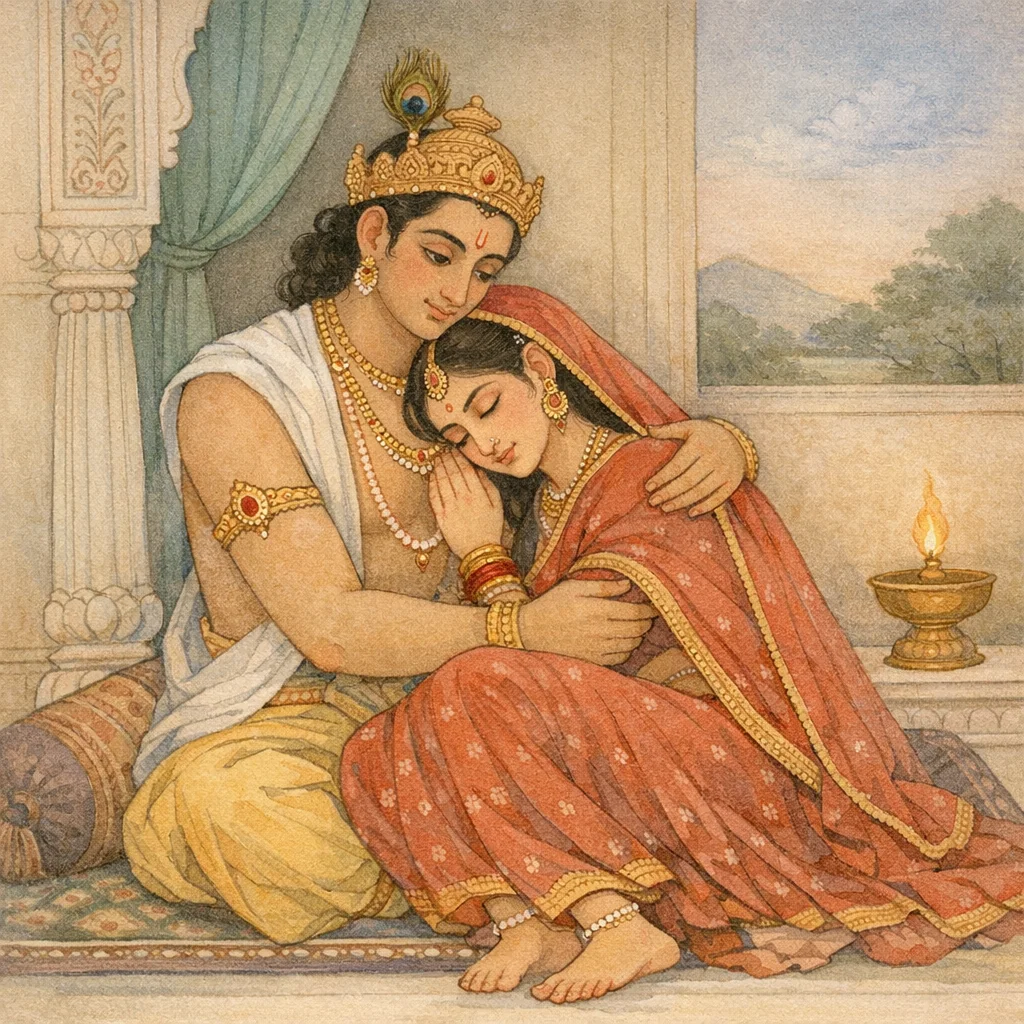
वैशम्पायन उवाच इत्युक्त्वा प्रारुदत् कृष्णा भीमस्योर:समाश्रिता । भीमश्न तां परिष्वज्य महत् सान्त्वं प्रयुज्य च,वैशम्पायनजी कहते हैं--राजन्! ऐसा कहकर द्रौपदी भीमके वक्ष:स्थलपर माथा टेककर फूट-फ़ूटकर रोने लगी। भीमसेनने उसको हृदयसे लगाकर बहुत सान्त्वना दी
Vaiśampāyana said: “O King, having spoken thus, Kṛṣṇā (Draupadī) broke into sobs, resting her head upon Bhīma’s chest. Bhīmasena drew her close to his heart and offered her great consolation.”
Verse 50
आश्वासयित्वा बहुशो भृशमार्ता सुमध्यमाम् । हेतुतत्त्वार्थसंयुक्तैर्वचोभिट्रूीपदात्मजाम्,वह बहुत आर्त हो रही थी, अतः उन्होंने सुन्दर कटिभागवाली ट्रुपदकुमारीको युक्तियुक्त तात्विक वचनोंसे अनेक बार आश्वासन देकर अपने हाथसे उसके आँसूभरे मुँहको पोंछा और क्रोधसे जबड़े चाटते हुए मन-ही-मन कीचकका स्मरण किया। तदनन्तर भीमने दुःखपीड़ित द्रौपदीसे इस प्रकार कहा
Vaiśampāyana said: Seeing the slender-waisted daughter of Drupada overwhelmed with grief, he repeatedly consoled her with words grounded in reason and true principles—restoring her courage and steadiness amid distress.
Verse 51
प्रमृज्य वदनं तस्या: पाणिनाश्रुसमाकुलम् | कीचकं मनसागच्छत् सृक्किणी परिसंलिहन् । उवाच चैनां दुःखार्ता भीम: क्रोधसमन्वित:,वह बहुत आर्त हो रही थी, अतः उन्होंने सुन्दर कटिभागवाली ट्रुपदकुमारीको युक्तियुक्त तात्विक वचनोंसे अनेक बार आश्वासन देकर अपने हाथसे उसके आँसूभरे मुँहको पोंछा और क्रोधसे जबड़े चाटते हुए मन-ही-मन कीचकका स्मरण किया। तदनन्तर भीमने दुःखपीड़ित द्रौपदीसे इस प्रकार कहा
Vaiśampāyana said: Wiping her face with his hand—her features wet and confused with tears—Bhīma, licking his lips, turned his mind toward Kīcaka. Then, filled with anger and pained by her suffering, he spoke to her.
Frequently Asked Questions
How to ensure Draupadī’s safety and deter coercive misuse of authority while avoiding identity exposure that would invalidate the exile vow—requiring a response that is both effective and strategically concealed.
Dharma may require measured, well-timed action under secrecy when open procedures are unavailable; restraint is not passivity, and protection can be executed through disciplined strategy that limits collateral risk.
No explicit phalaśruti appears in this adhyāya; the meta-level emphasis is operational—how narrative attribution (the “Gandharvas” explanation) functions as a protective discourse to preserve concealment and social stability.