Adhyaya 197
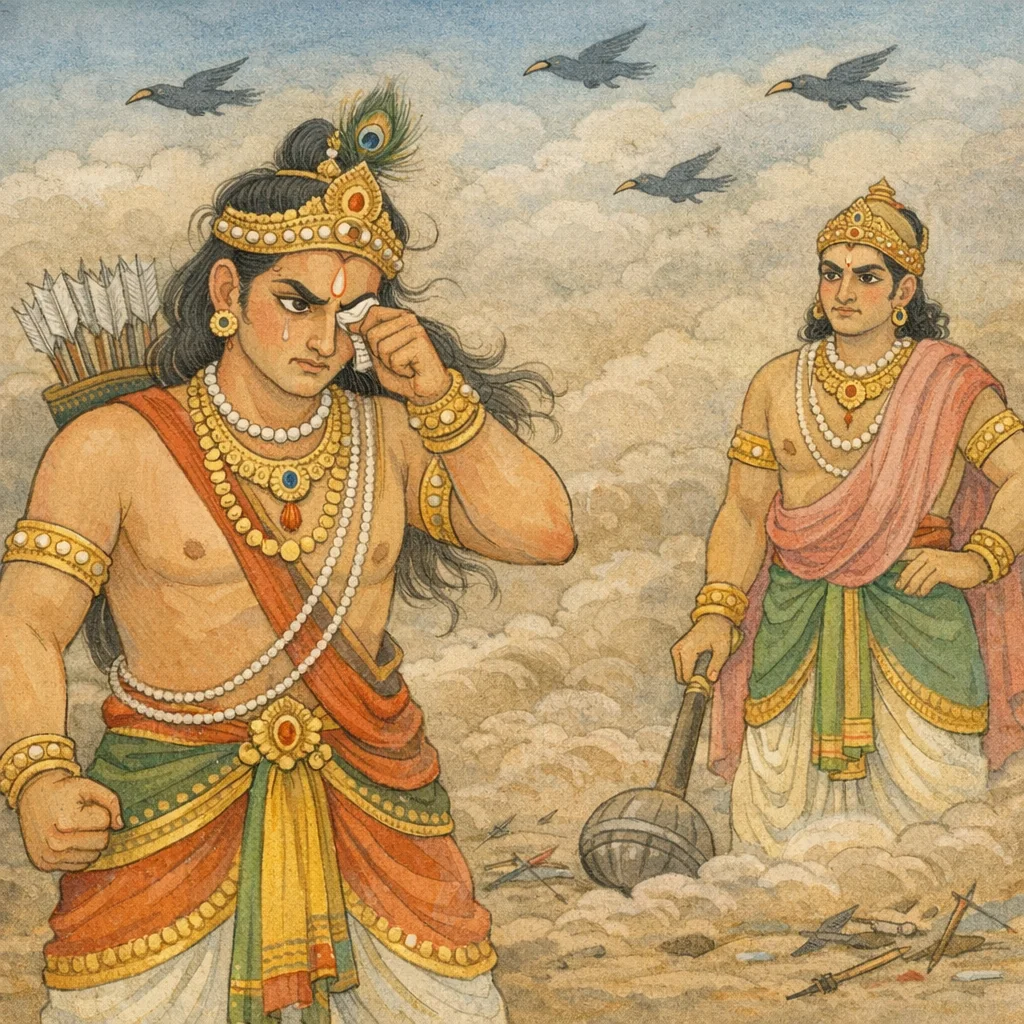
Chapter Arc: धृतराष्ट्र-संजय संवाद की पृष्ठभूमि में रणभूमि का ताप बढ़ता है—अश्वत्थामा क्रोध से दहकता हुआ, प्रलयकाल के यम-तुल्य रूप में दिखता है, और आँसू पोंछते हुए दुर्योधन से कठोर वचन कहता है। → अश्वत्थामा अपने दिव्यास्त्र-परंपरा का स्मरण कराता है—नारायण से प्राप्त अस्त्र-विद्या का अधिकार, और यह प्रतिज्ञा कि वह इच्छानुसार पत्थरों की वर्षा, अयोमुख पक्षियों द्वारा रथियों का विदारण, तथा विविध रूप धारण कर शत्रु-सेना को विचलित करेगा; उसके कथन में यह भी उभरता है कि देव-गन्धर्व-दानव-राक्षस तक उसे रोक नहीं सकते। → अश्वत्थामा का गर्जनात्मक संकल्प—‘आज रथस्थ मुझे कोई जीत नहीं सकता’—और ‘शचीपति इन्द्र की भाँति असुरों को विद्रावित कर दूँगा’ जैसी घोषणा; उसके बाणों का ‘जैसा चाहूँ वैसा रूप’ लेकर शत्रुओं पर गिरना—यह अध्याय का उग्र शिखर है। → अध्याय का अंत निर्णायक युद्ध-परिणाम से अधिक ‘आत्म-प्रतिज्ञा’ और ‘अस्त्र-भय’ की स्थापना में होता है—कौरव पक्ष के लिए यह आश्वासन और पाण्डव पक्ष के लिए आसन्न संकट का संकेत बनता है। → अश्वत्थामा की प्रतिज्ञा के बाद प्रश्न खुला रह जाता है—क्या वह वास्तव में नारायणास्त्र/दिव्यास्त्र का प्रयोग करेगा, और पाण्डव-सेना इस प्रलय-तुल्य आक्रमण से कैसे बचेगी?
Shlokas
Verse 1
इस प्रकार श्रीमहाभारत द्रोणपर्वके अन्तर्गत नारायणास्त्रमोक्षपर्वमें धृतराष्ट्प्रशरविषयक एक सौ चौरानबेवाँ अध्याय पूरा हुआ ॥/ १९४ ॥। का बछ। सं: पजञ्चनवर्त्याधेकशततमो< ध्याय: अश्वत्थामाके क्रोधपूर्ण उदूगार और उसके द्वारा नारायणास्त्रका प्राकट्य संजय उवाच छटद्मना निहतं श्रुत्वा पितरं पापकर्मणा । बाष्पेणापूर्यत द्रौणी रोषेण च नरर्षभ,संजय कहते हैं--नरश्रेष्ठ! पापी धृष्टद्युम्नने मेरे पिताको छलसे मार डाला है, यह सुनकर अभश्रृत्थामाके नेत्रोंमें आँसू भर आये। फिर वह रोषसे जल उठा
Sañjaya said: O best of men, when Droṇī (Aśvatthāman) heard that his father had been slain by deceitful means by the sinful-doer, he was overwhelmed with tears; and then, burning with wrath, he rose in furious indignation.
Verse 2
तस्य क्रुद्धस्य राजेन्द्र वपुर्दीप्तमदृश्यत । अन्तकस्येव भूतानि जिहीर्षो: कालपर्यये,राजेन्द्र! जैसे प्रलयकालमें समस्त प्राणियोंके संहारकी इच्छावाले यमराजका तेजोमय शरीर प्रज्वलित हो उठता है, उसी प्रकार वहाँ देखा गया कि क्रोधसे भरे हुए अश्वत्थामाका शरीर तमतमा उठा है
Sañjaya said: O best of kings, the body of that wrathful one was seen blazing. As, at the turning of Time in the age of dissolution, the radiant form of Yama—desiring to seize away all beings—flares up, so too did his form, inflamed by anger, appear there.
Verse 3
अश्रुपूर्णे ततो नेत्रे व्यपमृज्य पुन: पुन: । उवाच कोपान्नि:श्वस्य दुर्योधनमिदं वच:,अपने आँसूभरे नेत्रोंको बारंबार पोंछकर क्रोधसे लंबी साँस खींचते हुए अभश्वत्थामाने दुर्योधनसे इस प्रकार कहा--
Sañjaya said: Then, with his eyes brimming with tears, repeatedly wiping them, and drawing a long breath in anger, Aśvatthāmā spoke these words to Duryodhana.
Verse 4
पिता मम यशथा क्षुद्रैर्न्यस्तशस्त्रो निपातित: । धर्मध्वजवता पापं कृतं तद् विदितं मम,“राजन! मेरे पिताने जिस प्रकार हथियार डाल दिया, जिस तरह उन नीचोंने उन्हें मार गिराया तथा धर्मका ढोंग रचनेवाले युधिष्ठिरने जो पाप किया है, वह सब मुझे मालूम हो गया
Sañjaya said: “O King, I have come to know everything—how my father, after laying down his weapons, was struck down by those base men, and what sin was committed by Yudhiṣṭhira, who paraded the banner of righteousness.”
Verse 5
अनार्य॑ सुनृशंसं च धर्मपुत्रस्य मे श्रुतम् । युद्धेष्व॒पि प्रवृत्तानां ध्रुवं जयपराजयौ
Sañjaya said: “I have heard words from Dharmaputra that are unworthy of the noble and harshly cruel. For those who have entered into battles, victory and defeat are indeed inevitable.”
Verse 6
न्यायवृत्तों वधो यस्तु संग्रामे युध्यतो भवेत्
Sañjaya said: If, in the press of battle, those who live by justice are slain while they fight, that death is to be regarded as born of the conditions of war, not of private malice.
Verse 7
गत: स वीरलोकाय पिता मम न संशय:
Sañjaya said: My father has gone to the realm of heroes—of this there is no doubt. Thus is death in battle framed as a passage to an honored destiny, affirming courage and duty amid the moral gravity of war.
Verse 8
न शोच्य: पुरुषव्याप्र यस्तदा निधनं गत: । 'पुरुषसिंह! इसमें संशय नहीं कि मेरे पिता वीरगतिको प्राप्त हुए हैं। उस समय वे मारे गये, इस बातको लेकर उनके लिये शोक करना उचित नहीं है ।। यत् तु धर्मप्रवृत्त: सन् केशग्रहणमाप्तवान्
Sañjaya said: “O tiger among men, one who met his end at that time is not to be lamented. There is no doubt my father attained a hero’s death; since he was slain then, grieving for him is not proper. Yet this must be weighed: though he acted in accordance with dharma, he suffered the humiliation of being seized by the hair.”
Verse 9
पश्यतां सर्वसैन्यानां तन्मे मर्माणि कृन्तति । परंतु धर्ममें तत्पर रहनेपर भी जो समस्त सैनिकोंके देखते-देखते उनका केश पकड़ा गया, वह अपमान ही मेरे मर्मस्थानोंको विदीर्ण किये देता है ।। मयि जीवति यत् तात: केशग्रहमवाप्तवान्
Sañjaya said: “Before the eyes of all the armies, it cuts into my very vitals. That my revered father was seized by the hair while I still live—this outrage rends me within.”
Verse 10
कामात् क्रोधादविज्ञानाद्धर्षादू बाल्येन वा पुन:,“लोग काम, क्रोध, अज्ञान, हर्ष अथवा बालोचित चपलताके कारण धर्मके विरुद्ध कार्य करते तथा श्रेष्ठ पुरुषोंका अपमान कर बैठते हैं। क्रूर एवं दुरात्मा द्रुपदपुत्रने निश्चय ही मेरी अवहेलना करके यह महान् पाप कर्म कर डाला है। अतः उस धृष्टद्युम्नको उस पापका अत्यन्त भयंकर परिणाम भोगना पड़ेगा
Sañjaya said: Driven by desire, anger, ignorance, reckless elation, or even childish fickleness, people commit acts opposed to dharma and end up insulting the noble. The cruel and wicked son of Drupada has surely slighted me and carried out this great sinful deed. Therefore, that Dhṛṣṭadyumna will have to endure the most dreadful consequence of that sin.
Verse 11
विधर्मकाणि कुर्वन्ति तथा परिभवन्ति च । तदिदं पार्षतेनेह महदाधर्मिकं कृतम्,“लोग काम, क्रोध, अज्ञान, हर्ष अथवा बालोचित चपलताके कारण धर्मके विरुद्ध कार्य करते तथा श्रेष्ठ पुरुषोंका अपमान कर बैठते हैं। क्रूर एवं दुरात्मा द्रुपदपुत्रने निश्चय ही मेरी अवहेलना करके यह महान् पाप कर्म कर डाला है। अतः उस धृष्टद्युम्नको उस पापका अत्यन्त भयंकर परिणाम भोगना पड़ेगा
Sañjaya said: Men, driven by desire, wrath, ignorance, exultation, or childish fickleness, perform deeds opposed to dharma and even sink into contemptuous disrespect toward the noble. Here, the son of Pārṣata (Dhṛṣṭadyumna) has indeed wrought a great act of adharma—an act stamped with grave impropriety and moral transgression.
Verse 12
अवज्ञाय च मां नूनं॑ नृशंसेन दुरात्मना | तस्यानुबन्ध॑ द्रष्टासौ धृष्टद्युम्न: सुदारुणम्,“लोग काम, क्रोध, अज्ञान, हर्ष अथवा बालोचित चपलताके कारण धर्मके विरुद्ध कार्य करते तथा श्रेष्ठ पुरुषोंका अपमान कर बैठते हैं। क्रूर एवं दुरात्मा द्रुपदपुत्रने निश्चय ही मेरी अवहेलना करके यह महान् पाप कर्म कर डाला है। अतः उस धृष्टद्युम्नको उस पापका अत्यन्त भयंकर परिणाम भोगना पड़ेगा
Sañjaya said: “That cruel and wicked man has surely shown me contempt and committed this grievous sin. Dhṛṣṭadyumna will have to face a most dreadful consequence as the aftermath of that deed.”
Verse 13
अकार्य परमं कृत्वा मिथ्यावादी च पाण्डव: । यो हासौ छटद्मना5<चार्य शस्त्र संन्यासयत् तदा
Sañjaya said: Having committed a most grievous wrong and spoken a falsehood, that Pāṇḍava—who by deceit caused the Teacher (Droṇa) at that time to lay down his weapons—is the one being referred to.
Verse 14
शपे सत्येन कौरव्य इष्टापूर्तेन चैव ह,“कुरुनन्दन! मैं अपने सत्य, इष्ट (यज्ञ-यागादि) और आपूर्त (वापी-तड़ागनिर्माण आदि) कर्मोकी शपथ खाकर कहता हूँ कि समस्त पांचालोंका वध किये बिना किसी तरह जीवित नहीं रह सकूँगा। सभी उपायोंसे पांचालोंको मार डालनेका प्रयत्न करूँगा
Sañjaya said: “O Kauravya, I swear by my truthfulness and by my meritorious deeds—both the sacrificial rites (iṣṭa) and the public benefactions (pūrta). O descendant of the Kurus, I declare under oath: unless I have slain all the Pāñcālas, I will not be able to remain alive in any way. By every means, I will strive to kill the Pāñcālas.”
Verse 15
अहत्वा सर्वपाज्चालान् जीवेयं न कथंचन । सर्वोपायैर्यतिष्यामि पठचालानामहं वधे,“कुरुनन्दन! मैं अपने सत्य, इष्ट (यज्ञ-यागादि) और आपूर्त (वापी-तड़ागनिर्माण आदि) कर्मोकी शपथ खाकर कहता हूँ कि समस्त पांचालोंका वध किये बिना किसी तरह जीवित नहीं रह सकूँगा। सभी उपायोंसे पांचालोंको मार डालनेका प्रयत्न करूँगा
Sañjaya said: “Unless I have slain all the Pāñcālas, I cannot live in any way. By every possible means I will strive for the killing of the Pāñcālas.” The words bear a grim, vow-like resolve amid war, binding survival to vengeance and to the supposed necessity of total annihilation, and thus raising an ethical tension between personal rage and the broader demands of dharma.
Verse 16
धृष्टद्युम्नं च समरे हन्ताहं पापकारिणम् | कर्मणा येन तेनेह मृदुना दारुणेन च
Sañjaya said: “In the battle I shall slay Dhṛṣṭadyumna, that doer of sin—by whatever deed is required here, whether it be gentle in means or harsh.”
Verse 17
“समरभूमिमें पापाचारी धृष्टद्युम्नको मैं कोमल और कठोर जिस किसी भी कर्मके द्वारा अवश्य मार डालूँगा ।। पज्चालानां वध कृत्वा शान्तिं लब्धास्मि कौरव | यदर्थ पुरुषव्याघ्र पुत्रानिच्छन्ति मानवा:
Sañjaya said: “On the battlefield I will surely kill the sinful Dhṛṣṭadyumna—by whatever means, gentle or harsh, may be required. Having slain the Pāñcālas, O Kaurava, I shall attain the peace for which men, O tiger among men, long for sons.”
Verse 18
पित्रा तु मम सावस्था प्राप्ता निर्बन्धुना यथा
Sañjaya said: “By my father, I was brought to such a condition—like one left without kin, constrained and helpless.”
Verse 19
मयि शैलप्रतीकाशे पुत्रे शिष्ये च जीवति । “मेरे पिताने मुझ पर्वत-सरीखे पुत्र और शिष्यके जीते-जी बन्धुहीनकी भाँति वह दुरवस्था प्राप्त की है ।। धिड्ममास्त्राणि दिव्यानि धिग् बाहू धिक् पराक्रमम्
Sanjaya said: “Though I am alive—his son and disciple, mountain-like in strength—my father has nevertheless fallen into a wretched condition, as if he were bereft of all kin. Fie upon my divine weapons; fie upon these arms; fie upon my prowess!”
Verse 20
स तथाहं करिष्यामि यथा भरतसत्तम
Sañjaya said: “So shall I do, exactly as you command, O best of the Bharatas.”
Verse 21
आर्येण हि न वक्तव्या कदाचित् स्तुतिरात्मन:
Sañjaya said: “For a noble person should never, at any time, speak in self-praise.”
Verse 22
अद्य पश्यन्तु मे वीर्य पाण्डवा: सजनार्दना:
Sañjaya said: “Let the Pāṇḍavas—together with Janārdana (Kṛṣṇa)—witness my prowess today.”
Verse 23
न हि देवा न गन्धर्वा नासुरा न च राक्षसा:
Sañjaya said: “Indeed, neither the gods, nor the Gandharvas, nor the Asuras, nor even the Rākṣasas…”
Verse 24
मदन्यो नास्ति लोके<स्मिन्नर्जुनाद वास्त्रवित् क्वचित्
Sañjaya said: “In this world there is none other than Arjuna—nowhere at all—who is so skilled in the science and use of weapons.”
Verse 25
अहं हि ज्वलतां मध्ये मयूखानामिवांशुमान् । प्रयोक्ता देवसृष्टानामस्त्राणां प्ततागत:
Sañjaya said: “Indeed, amid the blazing radiance, I stood like the sun among its own rays—one who has returned after deploying the divine, heaven-born weapons.”
Verse 26
“इस संसारमें मुझसे या अर्जुनसे बढ़कर दूसरा कोई अस्त्रवेत्ता कहीं नहीं है। आज मैं शत्रुकी सेनामें घुसकर प्रकाशमान अंशुधारियोंके बीच अंशुमाली सूर्यके समान तपता हुआ देवनिर्मित अस्त्रोंका प्रयोग करूँगा ।। भृशमिष्वसनादद्य मत्प्रयुक्ता महाहवे | दर्शयन्त: शरा वीर्य प्रमथिष्यन्ति पाण्डवान्,“आज महासमरमें धनुषसे मेरे द्वारा छोड़े हुए बाण मेरा महान् पराक्रम दिखाते हुए पाण्डवयोद्धाओंको मथ डालेंगे
Sanjaya said: “In this world there is no other master of weapons greater than either me or Arjuna. Today I shall enter the enemy host and, blazing like the radiant sun amid shafts of light, I will unleash celestial, divinely fashioned missiles. Today, in the great battle, the arrows I release from my bow will display my might and will crush the Pandava warriors.”
Verse 27
अद्य सर्वा दिशो राजन् धाराभिरिव संकुला: । आवृता: पत्रिभिस्ती&णै््रष्टारो मामकैरिह
Sañjaya said: “O King, today all the directions seem crowded and confused, as if filled with torrents of rain. Here, the very onlookers on our side are being covered over by sharp arrows.”
Verse 28
“राजन! जैसे बरसती हुई जलधाराओंसे सम्पूर्ण दिशाएँ ढक जाती हैं, उसी प्रकार आज सब लोग मेरे तीखे बाणोंसे सम्पूर्ण दिशाओंको आच्छादित हुई देखेंगे ।। विकिरन् शरजालानि सर्वतो भैरवस्वनान् | शत्रून् निपातयिष्यामि महावात इव द्रुमान्,'जैसे आँधी वृक्षोंको गिरा देती है, उसी प्रकार मैं सब ओर बाणसमूहोंकी वर्षा करके भयंकर गर्जना करनेवाले शत्रुओंको मार गिराऊँगा
Sañjaya said: “O King, just as the streaming sheets of rain veil every quarter of the sky, so today all men will behold the directions covered over by my sharp arrows. Scattering nets of arrows on every side, I shall strike down the foes who roar terribly—just as a mighty gale fells the trees.”
Verse 29
न हि जानाति बीभत्सुस्तदस्त्र॑ न जनार्दन: | न भीमसेनो न यमौ न च राजा युधिष्ठिर:,“आज मैं जिस अस्त्रका प्रयोग करूँगा, उसे न अर्जुन जानते हैं न श्रीकृष्ण, भीमसेन, नकुल-सहदेव और राजा युधिष्ठिरको भी उसका पता नहीं है। वह दुरात्मा धृष्टट्युम्न, शिखण्डी और सात्यकि भी उसके ज्ञानसे शून्य हैं। कुरुनन्दन! वह तो प्रयोग और उपसंहारसहित केवल मेरे ही पास है
Sañjaya said: “Neither Arjuna (Bībhatsu) knows that weapon, nor does Janārdana (Kṛṣṇa). Neither Bhīmasena, nor the twin sons of Mādrī, nor King Yudhiṣṭhira knows it.”
Verse 30
न पार्षतो दुरात्मासौ न शिखण्डी न सात्यकि: । यदिदं मयि कौरव्य सकल्प॑ सनिवर्तनम्,“आज मैं जिस अस्त्रका प्रयोग करूँगा, उसे न अर्जुन जानते हैं न श्रीकृष्ण, भीमसेन, नकुल-सहदेव और राजा युधिष्ठिरको भी उसका पता नहीं है। वह दुरात्मा धृष्टट्युम्न, शिखण्डी और सात्यकि भी उसके ज्ञानसे शून्य हैं। कुरुनन्दन! वह तो प्रयोग और उपसंहारसहित केवल मेरे ही पास है
Sañjaya said: “O scion of the Kuru line, neither that wicked son of Pṛṣata (Dhṛṣṭadyumna), nor Śikhaṇḍī, nor Sātyaki knows this that rests with me—complete with its proper procedure and its withdrawal. It is known only to me.”
Verse 31
नारायणाय मे पित्रा प्रणम्य विधिपूर्वकम् | उपहार: पुरा दत्तो ब्रह्मरूप उपस्थित:,'पूर्वकालकी बात है, मेरे पिताने भगवान् नारायणको प्रणाम करके उन्हें विधिपूर्वक वेदस्वरूप उपहार समर्पित किया (वैदिक मन्त्रोंद्वारा उनकी स्तुति की)। भगवानने स्वयं उपस्थित होकर वह उपहार ग्रहण किया और पिताको वर दिया। मेरे पिताने वरके रूपमें उनसे सर्वोत्तम नारायणास्त्रकी याचना की
Sañjaya said: Long ago my father, having bowed to Nārāyaṇa in the prescribed manner, offered Him a gift in the form of sacred Vedic praise. Nārāyaṇa Himself appeared in person, accepted that offering, and granted my father a boon; and my father asked, as that boon, for the supreme Nārāyaṇa-weapon.
Verse 32
तं स्वयं प्रतिगृह्मयाथ भगवान् स वरं ददौ । वव्रे पिता मे परममस्त्रं नारायणं तत:,'पूर्वकालकी बात है, मेरे पिताने भगवान् नारायणको प्रणाम करके उन्हें विधिपूर्वक वेदस्वरूप उपहार समर्पित किया (वैदिक मन्त्रोंद्वारा उनकी स्तुति की)। भगवानने स्वयं उपस्थित होकर वह उपहार ग्रहण किया और पिताको वर दिया। मेरे पिताने वरके रूपमें उनसे सर्वोत्तम नारायणास्त्रकी याचना की
Sañjaya said: “Then the Blessed Lord Himself appeared and accepted that offering, and granted a boon. My father chose, as that boon, the supreme weapon—the Nārāyaṇa-weapon.”
Verse 33
अथैनमब्रवीद् राजन् भगवान् देवसत्तम: । भविता त्वत्समो नान्य: कश्चिद् युधि नर: क्वचित्,“राजन्! तब देवश्रेष्ठ भगवान् नारायणने वह अस्त्र देकर उनसे इस प्रकार कहा --ब्रह्मन! अब युद्धमें तुम्हारी समानता करनेवाला दूसरा कोई मनुष्य कहीं नहीं रह जायगा, परंतु तुम्हें सहसा इसका प्रयोग किसी तरह नहीं करना चाहिये; क्योंकि यह अस्त्र शत्रुका वध किये बिना पीछे नहीं लौटता है
Sañjaya said: Then the Blessed Lord, the best among the gods, addressed him: “O King, nowhere at any time will there be any man in battle equal to you.”
Verse 34
न त्विदं सहसा ब्रद्नान् प्रयोक्तव्यं कथंचन । न होतदस्त्रमन्यत्र वधाच्छत्रोर्निवर्तते,“राजन्! तब देवश्रेष्ठ भगवान् नारायणने वह अस्त्र देकर उनसे इस प्रकार कहा --ब्रह्मन! अब युद्धमें तुम्हारी समानता करनेवाला दूसरा कोई मनुष्य कहीं नहीं रह जायगा, परंतु तुम्हें सहसा इसका प्रयोग किसी तरह नहीं करना चाहिये; क्योंकि यह अस्त्र शत्रुका वध किये बिना पीछे नहीं लौटता है
Sañjaya said: “O King, this must never be employed rashly in any way. For this weapon does not turn back by any other means than the slaying of the enemy.”
Verse 35
न चैतच्छक्यते ज्ञातुं कं न वध्येदिति प्रभो । अवध्यमपि हन्याद्धि तस्मान्नैतत् प्रयोजयेत्,'प्रभो! यह नहीं जाना जा सकता कि यह अस्त्र किसको नहीं मारेगा। यह अवध्यका भी वध कर सकता है; अत: सहसा इसका प्रयोग नहीं करना चाहिये
Sañjaya said: “O lord, it cannot truly be known whom this weapon will not strike down. Indeed, it may kill even one who ought not to be slain; therefore it should not be employed rashly.”
Verse 36
अथ संख्ये रथस्यैव शस्त्राणां च विसर्जनम् | प्रयाचतां च शत्रूणां गमनं शरणस्य च,'शत्रुओंको संताप देनेवाले द्रोण! युद्धभूमिमें रथ छोड़कर उतर जाना, अपने अस्त्र- शस्त्र रख देना, अभयकी याचना करना और शत्रुकी शरण लेना--ये इस महान् अस्त्रको शान्त करनेके उपाय हैं। जो रणभूमिमें इस अस्त्रके द्वारा अवध्य मनुष्योंको पीड़ा देता है, वह स्वयं भी सब प्रकारसे पीड़ित हो सकता है”
Sañjaya said: Then, in the midst of battle, to abandon one’s chariot and lay down one’s weapons—and to approach the enemy, begging for safety and seeking refuge under their protection—these are the means to pacify that mighty weapon. For whoever on the battlefield torments, by such a weapon, even those who ought not be slain may himself be afflicted in every way.
Verse 37
एते प्रशमने योगा महास्त्रस्थ परंतप । सर्वथा पीडितो हि स्यादवध्यान् पीडयन् रणे,'शत्रुओंको संताप देनेवाले द्रोण! युद्धभूमिमें रथ छोड़कर उतर जाना, अपने अस्त्र- शस्त्र रख देना, अभयकी याचना करना और शत्रुकी शरण लेना--ये इस महान् अस्त्रको शान्त करनेके उपाय हैं। जो रणभूमिमें इस अस्त्रके द्वारा अवध्य मनुष्योंको पीड़ा देता है, वह स्वयं भी सब प्रकारसे पीड़ित हो सकता है”
Sañjaya said: “O scorcher of foes, these are the means to pacify that great weapon: to dismount from the chariot on the battlefield, to lay down one’s weapons, to beg for fearlessness, and to seek refuge with the enemy. For whoever, in battle, torments those who ought not to be slain by means of this mighty missile may himself be afflicted in every way.”
Verse 38
तज्जग्राह पिता मह्य[ुमब्रवीच्चैव स प्रभु: । त्वं वधिष्यसि सर्वाणि शस्त्रवर्षाण्यनेकश:,“तदनन्तर मेरे पिताने वह अस्त्र ग्रहण किया और उन पूज्य पिताने मुझे उसका उपदेश किया। (पिताको अस्त्र देते समय भगवानने यह भी कहा था--) “ब्रह्मन्! तुम संग्राममें इस अस्त्रके द्वारा सम्पूर्ण शस्त्र-वर्षाओंको बारंबार नष्ट करोगे और स्वयं भी तेजसे प्रकाशित होते रहोगे।' ऐसा कहकर भगवान् नारायण अपने दिव्य धामको चले गये
Sañjaya said: My father received that divine weapon and then instructed me in it. And the Lord declared, “O Brahmin, by means of this weapon you will repeatedly destroy every shower of missiles in battle.”
Verse 39
अनेनास्त्रेण संग्रामे तेजसा च ज्वलिष्यसि । एवमुक्त्वा स भगवान् दिवमाचक्रमे प्रभु:,“तदनन्तर मेरे पिताने वह अस्त्र ग्रहण किया और उन पूज्य पिताने मुझे उसका उपदेश किया। (पिताको अस्त्र देते समय भगवानने यह भी कहा था--) “ब्रह्मन्! तुम संग्राममें इस अस्त्रके द्वारा सम्पूर्ण शस्त्र-वर्षाओंको बारंबार नष्ट करोगे और स्वयं भी तेजसे प्रकाशित होते रहोगे।' ऐसा कहकर भगवान् नारायण अपने दिव्य धामको चले गये
Sañjaya said: “With this weapon, in the midst of battle, you will blaze with spiritual splendor.” Having spoken thus, the Blessed Lord, the sovereign master, departed for heaven.
Verse 40
एतन्नारायणादस्त्रं तत् प्राप्त पितृबन्धुना । तेनाहं पाण्डवांश्वैव पज्चालान् मत्स्यकेकयान्
Sañjaya said: “This is that Nārāyaṇa weapon, obtained from a kinsman on the father’s side. With it I saw the Pāṇḍavas, and also the Pāñcālas, the Matsyas, and the Kekayas—(all being assailed and overwhelmed).”
Verse 41
यथा यथाहमिच्छेयं तथा भूत्वा शरा मम
Sañjaya said: “As I may wish, so shall it become—my arrows (will act accordingly).”
Verse 42
यथेष्टमश्मवर्षेण प्रवर्षिष्ये रणे स्थित:,'मैं युद्धमें स्थित होकर अपनी इच्छाके अनुसार पत्थरोंकी वर्षा करूँगा, लोहेकी चोंचवाले पक्षियोंद्वारा बड़े-बड़े महारथियोंको भगा दूँगा तथा शत्रुओंपर तेज धारवाले फरसे भी बरसाऊँगा; इसमें तनिक भी संशय नहीं है
Sañjaya said: “Standing firm in the midst of battle, I shall, as I please, shower a hail of stones. By means of iron-beaked birds I shall drive away even the great chariot-warriors, and I shall also rain down sharp-edged axes upon the enemy—of this there is not the slightest doubt.”
Verse 43
अयोमुखैश्न विहगैद्रावयिष्ये महारथान् । परश्वधांश्व निशितानुत्स्रक्ष्येडहमसंशयम्,'मैं युद्धमें स्थित होकर अपनी इच्छाके अनुसार पत्थरोंकी वर्षा करूँगा, लोहेकी चोंचवाले पक्षियोंद्वारा बड़े-बड़े महारथियोंको भगा दूँगा तथा शत्रुओंपर तेज धारवाले फरसे भी बरसाऊँगा; इसमें तनिक भी संशय नहीं है
Sañjaya said: “I shall stand in the battle and, as I please, unleash a shower of stones. By means of birds with iron beaks I will drive away even the great chariot-warriors, and I will also hurl down keen-edged axes upon the enemy—of this there is no doubt.”
Verse 44
सो<हं नारायणास्त्रेण महता शत्रुतापन: । शत्रून् विध्वंसयिष्यामि कदर्थीकृत्य पाण्डवान्,“इस प्रकार शत्रुओंको संताप देनेवाला मैं महान् नारायणास्त्रका प्रयोग करके पाण्डवोंको पीड़ा देता हुआ अपने समस्त शत्रुओंका विध्वंस कर डालूँगा
Sañjaya said: “I, a tormentor of foes, will now employ the mighty Nārāyaṇa-weapon; humiliating and afflicting the Pāṇḍavas, I shall destroy all my enemies.”
Verse 45
मित्रब्रह्मगुरुद्रोही जाल्मक: सुविगर्लित: । पाञज्चालापसदश्चाद्य न मे जीवन् विमोक्ष्यते,“मित्र, ब्राह्मण तथा गुरुसे द्रोह करनेवाला अत्यन्त निन्दित वह पांचालकुलकलंक पामर धृष्टद्युम्न भी आज मेरे हाथसे जीवित नहीं छूट सकेगा”
Sañjaya said: “That vile and utterly contemptible Dhṛṣṭadyumna—who has betrayed friend, brāhmaṇa, and teacher, a disgrace to the Pāñcālas—shall not escape from my hands alive today.”
Verse 46
तच्छुत्वा द्रोणपुत्रस्य पर्यवर्तत वाहिनी । ततः सर्वे महाशड्खान् दध्मु: पुरुषसत्तमा:,द्रोणपुत्र अश्वत्थामाकी वह बात सुनकर कौरवोंकी सेना लौट आयी। फिर तो सभी पुरुषश्रेष्ठ वीर बड़े-बड़े शंख बजाने लगे
Sañjaya said: Hearing the words of Droṇa’s son (Aśvatthāmā), the Kaurava host turned back. Then all those foremost of men blew their great conches, rallying the army and proclaiming renewed resolve amid the turmoil of war.
Verse 47
भेरीक्षाभ्यहनन् हृष्टा डिण्डिमांश्न सहस्रश: । तथा ननाद वसुधा खुरनेमिप्रपीडिता
Sañjaya said: Exultant warriors struck the great war-drums and kettledrums in their thousands; and the very earth resounded, pressed down by the pounding hooves and the rims of chariot-wheels—an ominous proclamation of battle’s vast, collective violence.
Verse 48
स शब्दस्तुमुल: खं द्यां पृथिवीं च व्यनादयत् । सबने प्रसन्न होकर रणभेरियाँ बजायीं, सहस्रों डंके पीटे, घोड़ोंकी टापों और रथोंके पहियोंसे पीड़ित हुई रणभूमि मानो आर्तनाद करने लगी। वह तुमुल ध्वनि आकाश, अन्तरिक्ष और भूतलको गुँजाने लगी ।। तं शब्दं पाण्डवा: श्रुत्वा पर्जन्यनिनदोपमम्
Sanjaya said: That tumultuous roar resounded through the sky, the heavens, and the earth. With hearts lifted, the warriors sounded the war-drums; thousands of kettledrums were beaten. The battlefield—crushed by the pounding of horses’ hooves and the grinding of chariot wheels—seemed to cry out in pain. That thunderous din made the firmament, the mid-region, and the ground itself reverberate. Hearing that sound, like the rumble of rain-bearing clouds, the Pāṇḍavas took note of the enemy’s martial fervor and the gathering intensity of the conflict.
Verse 49
समेत्य रथिनां श्रेष्ठा: सहिताश्चाप्यमन्त्रयन् । मेघकी गम्भीर गर्जनाके समान उस तुमुलनादको सुनकर श्रेष्ठ पाण्डव महारथी एकत्र होकर गुप्त मन्त्रणा करने लगे || ४८ ई ।। तथोकत्वा द्रोणपुत्रस्तु वार्युपस्पृश्य भारत,भारत! द्रोणपुत्र अश्वत्थामाने पूर्वोक्त बात कहकर जलसे आचमन करके उस समय उस दिव्य नारायणास्त्रको प्रकट किया
Sañjaya said: Hearing a tumultuous roar like the deep rumbling of thunderclouds, the foremost chariot-warriors among the Pāṇḍavas gathered together and began a secret consultation. Then Droṇa’s son Aśvatthāmā, having spoken those words, performed the ritual sipping of water and, O Bhārata, at that moment manifested the divine Nārāyaṇāstra.
Verse 50
प्रादुश्षकार तद् दिव्यमस्त्रं नारायणं तदा,भारत! द्रोणपुत्र अश्वत्थामाने पूर्वोक्त बात कहकर जलसे आचमन करके उस समय उस दिव्य नारायणास्त्रको प्रकट किया
Sañjaya said: “O Bhārata, at that moment Droṇa’s son Aśvatthāmā—having spoken the words he had just declared and then ritually sipping water for purification—manifested the divine weapon, the Nārāyaṇa-astra.”
Verse 56
द्वयमेतद् भवेद् राजन् वधस्तत्र प्रशस्यते । “धर्मपुत्र युधिष्ठिरका क्रूरतापूर्ण नीच कर्म मैंने सुन लिया। राजन्! जो लोग युद्धमें प्रवृत्त होते हैं, उन्हें विजय और पराजय अवश्य प्राप्त होती है। परंतु युद्धमें होनेवाले वधकी अधिक प्रशंसा की गयी है
Sañjaya said: “O King, in this situation there are only two outcomes; and among them, the act of slaying is spoken of as the more ‘praiseworthy.’”
Verse 66
न स दुःखाय भवति तथा दृष्टो हि स द्विजै: । 'संग्राममें जूझते हुए वीरको यदि न्यायानुकूल वध प्राप्त हो जाय, तो वह दुःखका कारण नहीं होता; क्योंकि द्विजोंने युद्धके इस परिणामको देखा है
Sañjaya said: “Such a death does not become a cause of sorrow. For the twice-born have indeed recognized this: when a hero, striving in battle, meets death in a manner consistent with justice and right conduct, that end is not to be lamented.”
Verse 93
कथमन्ये करिष्यन्ति पुत्रेभ्य: पुत्रिण: स्पृहाम् । “मेरे जीते-जी यदि पिताको अपने केश पकड़े जानेका अपमानपूर्ण कष्ट उठाना पड़ा, तब दूसरे पुत्रवान् पुरुष किसलिये पुत्रोंकी अभिलाषा करेंगे?
Sañjaya said: “If, while I was still alive, my own father had to endure the humiliating torment of having his hair seized, then why would other men who have sons continue to long for sons at all?”
Verse 133
तस्याद्य धर्मराजस्य भूमि: पास्यति शोणितम् । साथ ही मिथ्यावादी पाण्डुपुत्र युधिष्ठिरको भी यह अत्यन्त नीच कर्म करनेके कारण इसका दारुण परिणाम देखना पड़ेगा। जिसने छल करके आचार्यसे उस समय शस्त्र रखवा दिया था, उस धर्मराज युधिष्ठिरका रक्त आज यह पृथ्वी पीयेगी
Sañjaya said: “Today the earth shall drink the blood of Dharmarāja Yudhiṣṭhira. He who, by deceit, made the preceptor Droṇa lay down his weapons then—Yudhiṣṭhira, the speaker of falsehood—must behold the dreadful consequence of that most base deed.”
Verse 173
प्रेत्य चेह च सम्प्राप्तास्त्रायन्ते महतो भयात् । “कुरुनन्दन! पांचालोंका वध करके ही मैं शान्ति पा सकूँगा। पुरुषसिंह! मनुष्य इसीलिये पुत्रोंकी इच्छा करते हैं कि वे प्राप्त होनेपर इहलोक और परलोकमें भी महान् भयसे रक्षा करेंगे
Sañjaya said: “O scion of Kuru, only by slaying the Pāñcālas shall I find peace. O lion among men, people desire sons because, once attained and grown, they protect one from great fear—both here in this world and after death.”
Verse 195
इति श्रीमहा भारते द्रोणपर्वणि नारायणास्त्रमोक्षपर्वणि अश्वृत्थामक्रो थे पजञ्चनवत्यधिकशततमो<ध्याय:
Thus ends, in the Śrī Mahābhārata, within the Droṇa Parva, the section concerning the discharge of the Nārāyaṇa weapon—namely, the chapter on Aśvatthāman’s wrath, the one hundred and ninety-fifth chapter. This colophon frames the episode as a moral turning-point: a catastrophic divine weapon is invoked through anger, and the narrative signals the ethical peril of letting wrath govern one’s use of power in war.
Verse 196
य॑ं सम द्रोण: सुतं प्राप्प केशग्रहमवाप्तवान् । मेरे दिव्यास्त्रोंको धिक्कार है! मेरे इन दोनों भुजाओंको धिक्कार है! तथा मेरे पराक्रमको धिक्कार है!! जब कि मेरे-जैसे पुत्रको पाकर आचार्य द्रोणने केशग्रहणका अपमान उठाया
Sañjaya said: “Fie upon my celestial weapons! Fie upon these two arms of mine! Fie upon my vaunted prowess! For even after obtaining a son like mine, Teacher Droṇa has been forced to endure the humiliation of being seized by the hair.”
Verse 206
परलोकगतस्यापि भविष्याम्यनृण: पितु: । “भरतश्रेष्ठ! अब मैं ऐसा प्रयत्न करूँगा, जिससे परलोकमें गये हुए पिताके ऋणसे मुक्त हो सकूँ
Sañjaya said: “Even though my father has departed to the next world, I shall strive to become free of the debt I owe him. ‘O best of the Bharatas! Now I shall make such an effort that I may be released from the debt to my father who has gone to the other world.’”
Verse 213
पितुर्वधममृष्यंस्तु वक्ष्याम्यद्येह पौरुषम् । “यद्यपि श्रेष्ठ पुरुषको कभी अपनी प्रशंसा नहीं करनी चाहिये, तथापि अपने पिताके वधको न सह सकनेके कारण आज मैं यहाँ अपने पुरुषार्थका वर्णन कर रहा हूँ
Sañjaya said: “Unable to endure the slaying of my father, I shall now, here today, declare my own valor. Though a truly noble man ought not to praise himself, the outrage of my father’s death compels me to speak of my manly effort.”
Verse 226
मृद्नतः सर्वसैन्यानि युगान्तमिव कुर्वत: । आज मैं सारी सेनाओंको रौंदता हुआ प्रलय-कालका दृश्य उपस्थित करूँगा। अतः आज श्रीकृष्णसहित समस्त पाण्डव मेरा पराक्रम देखें
Sañjaya said: “As he crushes all the armies, making it seem like the end of an age, today he will trample the hosts and conjure the very spectacle of dissolution. Therefore, let all the Pāṇḍavas—together with Śrī Kṛṣṇa—witness his might today.”
Verse 233
अद्य शक्ता रणे जेतुं रथस्थ॑ मां नरषभा: । आज रणभूमिमें रथपर बैठे हुए मुझ अश्वत्थामाको न तो देवता, न गन्धर्व, न असुर, न राक्षस और न कोई श्रेष्ठ मानव वीर ही परास्त कर सकते हैं
Sañjaya said: “Today, seated upon my chariot and ready for battle, I—Aśvatthāmā—am capable of victory. On this battlefield, no god, gandharva, asura, rākṣasa, nor even any foremost human hero can defeat me while I stand upon my chariot.”
Verse 403
विद्रावयिष्यामि रणे शचीपतिरिवासुरान् । “इस प्रकार पिताने भगवान् नारायणसे यह अस्त्र प्राप्त किया और उनसे मुझे इसकी प्राप्ति हुई है। उसी अस्त्रसे मैं रणभूमिमें पाण्डव, पांचाल, मत्स्य और केकय योद्धाओंको उसी प्रकार खदेडूँगा, जैसे शचीपति इन्द्रने असुरोंको मार भगाया था
Sañjaya said: “In battle I shall put them to flight—just as Śacīpati (Indra, lord of Śacī) routed the Asuras.” The line voices a warrior’s boastful resolve to scatter the enemy host, invoking Indra’s paradigmatic victory as the model of irresistible martial force.
Verse 413
निपतेयु: सपत्नेषु विक्रमत्स्वपि भारत । “भारत! मैं जैसा-जैसा चाहूँगा, वैसा ही रूप धारण करके मेरे बाण शत्रुओंके पराक्रम करनेपर भी उनपर पड़ेंगे
Sañjaya said: “O Bhārata, even when the foes display their prowess, my arrows will still fall upon those adversaries—taking whatever form I choose.” The line underscores a warrior’s confident resolve in battle, while also hinting at the moral tension of war where power and will seek to dominate opposing claims.