Adhyaya 71
Adhyāya 71: Kaca and the Saṃjīvanī-vidyā (Devayānī–Śukra Episode)
Upa-parva: Sambhava Upaparva (Genealogies and Origin Narratives)
Janamejaya asks how Yayāti obtained the exceedingly rare daughter of Śukra, prompting Vaiśaṃpāyana to introduce the wider backdrop of deva–asura rivalry over sovereignty. The devas retain Bṛhaspati as priest, while the asuras retain Kāvya Uśanas (Śukra), whose superior knowledge includes the Saṃjīvanī-vidyā for restoring the fallen. When devas suffer strategic disadvantage, they commission Kaca, Bṛhaspati’s son, to approach Śukra under the guise of discipleship and disciplined service. Kaca undertakes an extended brahmacarya-vrata, serves Śukra and Devayānī, and becomes entangled in repeated attempts by the asuras to neutralize him to protect their knowledge advantage. Śukra repeatedly revives Kaca, but after Kaca is ultimately concealed within Śukra through deception, an ethical dilemma arises: saving Kaca appears to require harm to the guru. Under Devayānī’s insistence, Śukra transmits the Saṃjīvanī to Kaca so he may emerge, while Śukra simultaneously establishes a normative prohibition regarding brahmin conduct with intoxicants, framing the episode as both strategic contest and moral boundary-setting. Kaca completes the acquisition of knowledge and seeks leave to return to the devas, setting conditions for subsequent genealogical and alliance developments connected to Devayānī and Yayāti.
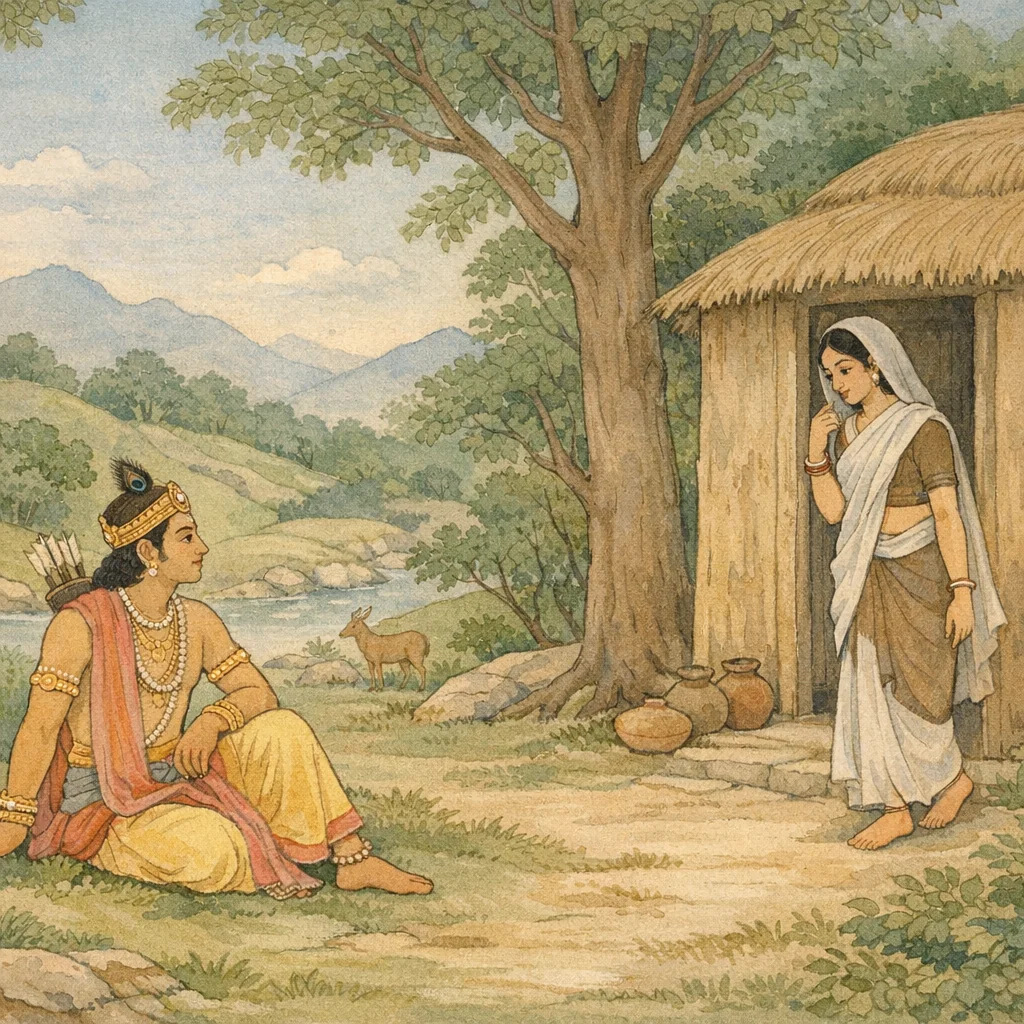
Chapter Arc: राजा दुष्यन्त शिकार-भ्रमण के बाद कण्वाश्रम के निकट पहुँचते हैं; साथ आए मंत्रियों को बाहर रोककर अकेले भीतर जाते हैं और आश्रम को सूना पाकर वन को गुंजा देने वाली पुकार करते हैं—“कौन है यहाँ?” → दुष्यन्त की पुकार सुनकर तपस्विनी-वेष में, लक्ष्मी-सी तेजस्विनी कन्या शकुन्तला आश्रम से निकलती है। राजा अपना परिचय देता है—इलिल-पुत्र, पुष्करलोचन दुष्यन्त—और कण्व ऋषि के दर्शन की इच्छा प्रकट करता है। शकुन्तला बताती है कि पिता फल लाने गए हैं और राजा से प्रतीक्षा का निवेदन करती है। इसी के साथ कथा पीछे लौटकर शकुन्तला के जन्म-प्रसंग की ओर मुड़ती है—विश्वामित्र की तपस्या से भयभीत इन्द्र द्वारा मेनका को भेजने की योजना, और उस मोह-प्रसंग की तैयारी। → इन्द्र का भय और मेनका का ‘कार्य-सिद्धि’ हेतु देवताओं से सहायक वायु/कामदेव की याचना—और फिर वायु का सुगंधित प्रवाह, मेनका का कौशिक-आश्रम की ओर प्रस्थान: तप और काम के संघर्ष का निर्णायक क्षण, जिससे शकुन्तला के जन्म की नियति बनती है। → अध्याय दुष्यन्त-शकुन्तला के प्रथम साक्षात्कार को स्थापित करता है और साथ ही शकुन्तला की उत्पत्ति के कारण-तंत्र (इन्द्र-भय, मेनका-प्रेषण, विश्वामित्र-प्रलोभन) को सूत्र रूप में बाँध देता है—आश्रम की शांति के भीतर भविष्य के राजवंश का बीज पड़ता है। → मेनका कौशिक-आश्रम पहुँच चुकी है; अब प्रश्न यह है कि क्या विश्वामित्र की तपस्या विचलित होगी और शकुन्तला का जन्म-प्रसंग किस प्रकार घटित होगा?
Shlokas
Verse 1
वैशम्पायनजी कहते हैं--राजन्! तदनन्तर महाबाहु राजा दुष्यन्त साथ आये हुए अपने उन मन्त्रियोंको भी बाहर छोड़कर अकेले ही उस आश्रममें गये, किंतु वहाँ कठोर व्रतका पालन करनेवाले महर्षि नहीं दिखायी दिये
Vaiśampāyana said: “O King! Thereafter the mighty-armed King Duṣyanta, leaving even his accompanying ministers outside, went alone into that hermitage. Yet there the great sages—steadfast in austere vows—were nowhere to be seen.”
Verse 2
सो<पश्यमानस्तमृषिं शून्यं दृष्टवा तथा55श्रमम् | उवाच क इहेत्युच्चैर्वनं संनादयन्निव,महर्षि कण्वको न देखकर और आश्रमको सूना पाकर राजाने सम्पूर्ण वनको प्रतिध्वनित करते हुए-से पूछा--“यहाँ कौन है?”
Seeing that sage absent and finding the hermitage deserted, the king called out loudly—so that the forest itself seemed to resound—“Who is here?”
Verse 3
श्रुत्वाथ तस्य तं शब्दं कन्या श्रीरिव रूपिणी । निश्चक्रामाश्रमात् तस्मात् तापसीवेषधारिणी,दुष्यन्तके उस शब्दको सुनकर एक मूर्तिमती लक्ष्मी-सी सुन्दरी कन्या तापसीका वेष धारण किये आश्रमके भीतरसे निकली
Hearing his voice, a maiden—beautiful as embodied Śrī (Fortune)—came forth from that hermitage, wearing the attire of an ascetic.
Verse 4
सातं दृष्टवैव राजानं दुष्यन्तमसितेक्षणा । (सुव्रताभ्यागतं त॑ तु पूज्य॑ प्राप्तमथेश्वरम् । रूपयौवनसम्पन्ना शीलाचारवती शुभा । सा तमायतपझाशक्षं व्यूढोरस्क॑ सुसंहतम् ।। सिंहस्कन्धं दीर्घबाहुं सर्वलक्षणपूजितम् । विस्पष्टं मधुरां वाचं साब्रवीज्जनमेजय ।) स्वागतं त इति क्षिप्रमुवाच प्रतिपूज्य च,जनमेजय! उत्तम व्रतका पालन करनेवाली वह सुन्दरी कन्या रूप, यौवन, शील और सदाचारसे सम्पन्न थी। राजा दुष्यन्तके विशाल नेत्र प्रफुल्ल कमलदलके समान सुशोभित थे। उनकी छाती चौड़ी, शरीरकी गठन सुन्दर, कंधे सिंहके सदूश और भुजाएँ लंबी थीं। वे समस्त शुभ लक्षणोंसे सम्मानित थे। श्याम नेत्रोंवाली उस शुभलक्षणा कन्याने सम्मान्य राजा दुष्यन्तको देखते ही मधुर वाणीमें उनके प्रति सम्मानका भाव प्रदर्शित करते हुए शीघ्रतापूर्वक स्पष्ट शब्दोंमें कहा--“अतिथिदेव! आपका स्वागत है”
Vaiśampāyana said: Seeing King Duṣyanta, the dark-eyed maiden—steadfast in good vows, endowed with beauty and youth, and marked by noble conduct and refined manners—recognized him as a worthy guest and honored ruler who had arrived. She beheld him with long, lotus-like eyes, a broad and well-formed chest, lion-like shoulders, and long arms—adorned with all auspicious marks. Then, O Janamejaya, she addressed him in clear and sweet words, promptly offering due respect: “Welcome to you.”
Verse 5
आसनेनार्चयित्वा च पाद्येनाघ्येंण चैव हि | पप्रच्छानामयं राजन् कुशलं च नराधिपम्,महाराज! फिर आसन, पाद्य और अर्घ्य अर्पण करके उनका समादर करनेके पश्चात् उसने राजासे पूछा--“आपका शरीर नीरोग है न? घरपर कुशल तो है?”
Having honored him with a seat, and with the customary offerings of water for the feet and the arghya, she then asked the king: “O King, are you free from illness? And is all well at home, O lord of men?”
Verse 6
यथावदर्चयित्वाथ पृष्टवा चानामयं तदा । उवाच स्मयमानेव किं कार्य क्रियतामिति,उस समय विधिपूर्वक आदर-सत्कार करके आरोग्य और कुशल पूछकर वह तपस्विनी कन्या मुसकराती हुई-सी बोली--“कहिये आपकी क्या सेवा की जाय?”
After duly honoring him with proper hospitality and then inquiring about his health and well-being, the ascetic maiden—smiling as she spoke—said: “Tell me, what service should be done for you?”
Verse 7
(आश्रमस्याभिगमने कि त्वं कार्य चिकीर्षसि । कस्त्वमद्येह सम्प्राप्तो महर्षेराश्रमं शुभम् ।।) “आपके आश्रमकी ओर पधारनेका क्या कारण है? आप यहाँ कौन-सा कार्य सिद्ध करना चाहते हैं? आपका परिचय क्या है? आप कौन हैं? और आज यहाँ महर्षिके इस शुभ आश्रमपर (किस उद्देश्यसे) आये हैं? तामब्रवीत् ततो राजा कन्यां मधुरभाषिणीम् | दृष्टवा चैवानवद्याजीं यथावत् प्रतिपूजित:,उसके द्वारा विधिवत् किये हुए आतिथ्य सत्कारको ग्रहण करके राजाने उस सर्वांगसुन्दरी एवं मधुरभाषिणी कन््याकी ओर देखकर कहा
Vaiśampāyana said: “For what reason have you come toward this hermitage? What task do you wish to accomplish here? Who are you—what is your identity—who has arrived here today at this auspicious hermitage of the great seer, and with what purpose?”
Verse 8
(दृष्यन्त उवाच राजर्षेरस्मि पुत्रो5हमिलिलस्य महात्मन: । दुष्यन्त इति मे नाम सत्यं पुष्करलोचने ।।) आगतोऊहं महाभागमृषिं कण्वमुपासितुम् । क्व गतो भगवान् भद्रे तन््ममाचक्ष्व शोभने,दुष्यन्त बोले--कमललोचने! मैं राजर्षि महात्मा इलिल- का पुत्र हूँ और मेरा नाम दुष्यन्त है। मैं यह सत्य कहता हूँ। भद्रे! मैं परम भाग्यशाली महर्षि कण्वकी उपासना करने --उनके सत्संगका लाभ लेनेके लिये आया हूँ। शोभने! बताओ तो, भगवान् कण्व कहाँ गये हैं?
Duṣyanta said: “I am the son of the great royal sage Ilila. My name is Duṣyanta—this I declare truthfully, O lotus-eyed one. I have come to pay reverent attendance upon the illustrious sage Kaṇva and to benefit from his holy company. Tell me, noble lady—where has the venerable Kaṇva gone?”
Verse 9
शकुन्तलोवाच गत: पिता मे भगवान् फलान्याहर्तुमाश्रमात् । मुहूर्त सम्प्रतीक्षस्व द्रष्टास्येनमुपागतम्,शकुन्तला बोली--अभ्यागत! मेरे पूज्य पिताजी फल लानेके लिये आश्रमसे बाहर गये हैं। अतः दो घड़ी प्रतीक्षा कीजिये। लौटनेपर उनसे मिलियेगा
Śakuntalā said: “My revered father has gone out from the hermitage to gather fruits. Pray wait here a little while; when he returns, you shall meet him.”
Verse 10
वैशम्पायन उवाच अपश्यमानस्तमृषिं तथा चोक्तस्तया च सः । तां दृष्टवा च वरारोहां श्रीमतीं चारुहासिनीम्,वैशम्पायनजी कहते हैं--जनमेजय! राजा दुष्यन्तने देखा--महर्षि कण्व आश्रमपर नहीं हैं और वह तापसी कन्या उन्हें वहाँ ठहरनेके लिये कह रही है; साथ ही उनकी दृष्टि इस बातकी ओर भी गयी कि यह कन्या सर्वागसुन्दरी, अपूर्व शोभासे सम्पन्न तथा मनोहर मुसकानसे सुशोभित है। इसका शरीर सौन्दर्यकी प्रभासे प्रकाशित हो रहा है, तपस्या तथा मन-इन्द्रियोंके संयमने इसमें अपूर्व तेज भर दिया है। यह अनुपम रूप और नयी जवानीसे उद्धासित हो रही है, यह सब सोचकर राजाने पूछा--
Vaiśampāyana said: Not seeing the sage there, and being addressed by her in that manner, the king’s attention fell upon the maiden as well. Beholding her—graceful in form, radiant with auspicious beauty, and adorned with a charming smile—he perceived an extraordinary splendor born of austerity and self-restraint. Thus stirred by her youth and incomparable loveliness, the king began to question her.
Verse 11
विभ्राजमानां वपुषा तपसा च दमेन च | रूपयौवनसम्पन्नामित्युवाच महीपति:,वैशम्पायनजी कहते हैं--जनमेजय! राजा दुष्यन्तने देखा--महर्षि कण्व आश्रमपर नहीं हैं और वह तापसी कन्या उन्हें वहाँ ठहरनेके लिये कह रही है; साथ ही उनकी दृष्टि इस बातकी ओर भी गयी कि यह कन्या सर्वागसुन्दरी, अपूर्व शोभासे सम्पन्न तथा मनोहर मुसकानसे सुशोभित है। इसका शरीर सौन्दर्यकी प्रभासे प्रकाशित हो रहा है, तपस्या तथा मन-इन्द्रियोंके संयमने इसमें अपूर्व तेज भर दिया है। यह अनुपम रूप और नयी जवानीसे उद्धासित हो रही है, यह सब सोचकर राजाने पूछा--
Vaiśampāyana said: “Radiant in bodily beauty, and endowed with the luster born of austerity and self-restraint, possessed of exquisite form and youthful bloom”—thus spoke the king.
Verse 12
का त्वं कस्यासि सुश्रोणि किमर्थ चागता वनम् । एवंरूपगुणोपेता कुतस्त्वमसि शोभने,“मनोहर कटिप्रदेशसे सुशोभित सुन्दरी! तुम कौन हो? किसकी पुत्री हो? और किसलिये इस वनमें आयी हो? शोभने! तुममें ऐसे अद्भुत रूप और गुणोंका विकास कैसे हुआ है?
“O fair-hipped lady, who are you, and whose daughter are you? For what purpose have you come to this forest? O beautiful one, how have you come to possess such extraordinary beauty and virtues?”
Verse 13
दर्शनादेव हि शुभे त्वया मेडपहतं मन: । इच्छामि त्वामहं ज्ञातुं तन्ममाचक्ष्य शोभने,'शुभे! तुमने दर्शनमात्रसे मेरे मनको हर लिया है। कल्याणि! मैं तुम्हारा परिचय जानना चाहता हूँ, अतः मुझे सब कुछ ठीक-ठीक बताओ
“O auspicious lady, merely by seeing you my mind has been carried away. O radiant one, I wish to know who you are; therefore tell me the truth about yourself clearly.”
Verse 14
(शृणु मे नागनासोरु वचन मत्तकाशिनि ।। राजर्षेरन्वये जात: पूरोरस्मि विशेषतः । वृणे त्वामद्य सुश्रोणि दुष्यन्तो वरवर्णिनि ।। न मेअन्यत्र क्षत्रियायां मनो जातु प्रवर्तते । ऋषिपुत्रीषु चान्यासु नावर्णासु परासु वा ।। तस्मात् प्रणिहितात्मानं विद्धि मां कलभाषिणि । तस्य मे त्वयि भावोस्ति क्षत्रिया हुसि का वद ।। न हि मे भीरु विप्रायांमन: प्रसहते गतिम् । भजे त्वामायतापाज्ञि भक्त भजितुमर्हसि ।। भुड्क्ष्व राज्यं विशालाक्षि बुद्धि मा त्वन्यथा कृथा: ।) हाथीकी सूँड़के समान जाँघोंवाली मतवाली सुन्दरी! मेरी बात सुनो; मैं राजर्षि पूरुके वंशमें उत्पन्न राजा दुष्यन्त हूँ। आज मैं अपनी पत्नी बनानेके लिये तुम्हारा वरण करता हूँ। क्षत्रिय-कन्याके सिवा दूसरी किसी स्त्रीकी ओर मेरा मन कभी नहीं जाता। अन्यान्य ऋष्पुत्रियों, अपनेसे भिन्न वर्णकी कुमारियों तथा परायी स्त्रियोंकी ओर भी मेरे मनकी गति नहीं होती। मधुरभाषिणि! तुम्हें यह ज्ञात होना चाहिये कि मैं अपने मनको पूर्णतः संयममें रखता हूँ। ऐसा होनेपर भी तुमपर मेरा अनुराग हो रहा है, अतः तुम क्षत्रिय-कन्या ही हो। बताओ, तुम कौन हो? भीरु! ब्राह्मण-कन्याकी ओर आकृष्ट होना मेरे मनको कदापि सहा नहीं है। विशाल नेत्रोंवाली सुन्दरी! मैं तुम्हारा भक्त हूँ; तुम्हारी सेवा चाहता हूँ; तुम मुझे स्वीकार करो। विशाललोचने! मेरा राज्य भोगो। मेरे प्रति अन्यथा विचार न करो, मुझे पराया न समझो”। एवमुक्ता तु सा कन्या तेन राज्ञा तमाश्रमे । उवाच हसती वाक्यमिदं सुमधुराक्षरम्,उस आश्रममें राजाके इस प्रकार पूछनेपर वह कन्या हँसती हुई मिठासभरे वचनोंमें उनसे इस प्रकार बोली--
Vaiśampāyana said: “Listen to my words, O intoxicated beauty with thighs like an elephant’s trunk. I am Duṣyanta, a king born in the line of the royal sage Pūru. Today, O fair-hipped one of lovely complexion, I choose you as my wife. My mind never turns toward any woman except a kṣatriya maiden—nor does it move toward other sages’ daughters, women of a different social order, or another man’s wife. Therefore, know me to be one whose self is firmly restrained, O sweet-speaker. Yet my heart is drawn to you; so you must be a kṣatriya—tell me, who are you? O timid one, my mind cannot bear to incline toward a brāhmaṇa maiden. O wide-eyed beauty, I seek you in devotion; you are worthy to accept one who is devoted. Enjoy my kingdom, O large-eyed one; do not think otherwise—do not regard me as a stranger.”
Verse 15
कण्वस्याहं भगवतो दुष्यन्त दुहिता मता | तपस्विनो धृतिमतो धर्मज्ञस्य महात्मन:,“महाराज दुष्यन्त! मैं तपस्वी, धृतिमान्, धर्मज्ञ तथा महात्मा भगवान् कण्वकी पुत्री मानी जाती हूँ
“O King Duṣyanta, I am regarded as the daughter of the venerable sage Kaṇva—an ascetic of steadfast resolve, a knower of dharma, and a great-souled man.”
Verse 16
(अस्वतन्त्रास्मि राजेन्द्र काश्यपो मे गुरु: पिता । तमेव प्रार्थय स्वार्थ नायुक्तं कर्तुमहसि ।।) राजेन्द्र! मैं परतन्त्र हूँ। कश्यपनन्दन महर्षि कण्व मेरे गुरु और पिता हैं। उन्हींसे आप अपने प्रयोजनकी सिद्धिके लिये प्रार्थना करें। आपको अनुचित कार्य नहीं करना चाहिये'। दुष्यन्त उवाच ऊर्ध्वरेता महाभागे भगवॉल्लोकपूजित: । चलेद्धि वृत्ताद् धर्मोडपि न चलेत् संशितव्रत:,दुष्यन्त बोले--महाभागे! विश्ववन्द्य कण्व तो नैछ्ठिक ब्रह्मचारी हैं। वे बड़े कठोर व्रतका पालन करते हैं। साक्षात् धर्मराज भी अपने सदाचारसे विचलित हो सकते हैं, परंतु महर्षि कण्व नहीं
Duṣyanta said: “O noble lady, the revered sage Kaṇva—celebrated and honored by the world—is a lifelong celibate of unwavering discipline. Even Dharma itself might be imagined to slip from right conduct, but that sage, firm in his vows, does not waver. Therefore, for the fulfillment of your purpose, you should appeal to him; it is not proper for you to press me into an improper course.”
Verse 17
कथं त्वं तस्य दुहिता सम्भूता वरवर्णिनी । संशयो मे महानत्र तन्मे छेत्तुमिहाहसि,ऐसी दशामें तुम-जैसी सुन्दरी देवी उनकी पुत्री कैसे हो सकती है? इस विषयमें मुझे बड़ा भारी संदेह हो रहा है। मेरे इस संदेहका निवारण तुम्हीं कर सकती हो
Duṣyanta said: “How could you—so exquisitely beautiful—have been born as his daughter? A great doubt has arisen in me about this matter; you alone are able to cut through it here and now.”
Verse 18
शकुन्तलोवाच यथायमागमो मह्ाां यथा चेदम भूत् पुरा । शृणु राजन् यथातत्त्वं यथास्मि दुहिता मुने:,शकुन्तलाने कहा--राजन्! ये सब बातें मुझे जिस प्रकार ज्ञात हुई हैं, मेरा यह जन्म आदि पूर्वकालमें जिस प्रकार हुआ है और मैं जिस प्रकार कण्व मुनिकी पुत्री हूँ, वह सब वृत्तान्त ठीक-ठीक बता रही हूँ; सुनिये
Śakuntalā said: “O King, just as this great account has come down to me, and just as these events truly happened in former times—listen. I will relate everything in accordance with the facts: how my birth occurred and in what manner I am the daughter of the sage.”
Verse 19
(अन्यथा सन्तमात्मानमन्यथा सत्सु भाषते | स पापेनावृतो मूर्ख: स्तेन आत्मापहारकः ।।) जिसका स्वरूप तो अन्य प्रकारका है, किंतु जो सत्पुरुषोंक सामने उसका अन्य प्रकारसे ही परिचय देता है, अर्थात् जो पापात्मा होते हुए भी अपनेको धर्मात्मा कहता है, वह मूर्ख, पापसे आवृत, चोर एवं आत्मवंचक है। ऋषि: कश्चिदिहागम्य मम जन्माभ्यचोदयत् | (ऊर्ध्वरेता यथासि त्वं कुतस्त्येयं शकुन्तला । पुत्री त्वत्त: कथं जाता सत्य मे ब्रूहि काश्यप ।।) तस्मै प्रोवाच भगवान् यथा तच्छूणु पार्थिव,पृथ्वीपते! एक दिन किसी ऋषिने यहाँ आकर मेरे जन्मके सम्बन्धमें मुनिसे पूछा --'कश्यपनन्दन! आप तो ऊथ्वरेता ब्रह्मचारी हैं, फिर यह शकुन्तला कहाँसे आयी? आपसे पुत्रीका जन्म कैसे हुआ? यह मुझे सच-सच बताइये।” उस समय भगवान् कण्वने उससे जो बात बतायी, वही कहती हूँ, सुनिये
One whose true nature is one thing, yet who presents himself differently before the virtuous—who, though sinful, proclaims himself righteous—such a man is a fool, veiled by sin, a thief, and a deceiver who robs his own self. Once, a certain sage came here and questioned the ascetic about my birth: “O son of Kaśyapa, you are known as an ūrdhvaretas, a celibate whose vital energy is restrained; from where, then, has this Śakuntalā come? How could a daughter be born from you? Tell me the truth, O Kaśyapa.” To him the revered Kaṇva replied as it truly was. O king, lord of the earth, hear that account.
Verse 20
कण्व उवाच तप्यमान: किल पुरा विश्वामित्रो महत् तप: । सुभृशं तापयामास शक्रं सुरगणेश्चरम्,कण्व बोले--पहलेकी बात है, महर्षि विश्वामित्र बड़ी भारी तपस्या कर रहे थे। उन्होंने देवताओंके स्वामी इन्द्रको अपनी तपस्यासे अत्यन्त संतापमें डाल दिया
Kaṇva said: Long ago, it is told, Viśvāmitra was engaged in a mighty austerity. By the intense heat of his tapas he greatly afflicted Śakra (Indra), the lord of the hosts of gods.
Verse 21
तपसा दीप्तवीर्यो<यं स्थानान्मां च्यावयेदिति । भीतः पुरंदरस्तस्मान्मेनकामिदमब्रवीत्,इन्द्रको यह भय हो गया कि तपस्यासे अधिक शक्तिशाली होकर ये विश्वामित्र मुझे अपने स्थानसे भ्रष्ट कर देंगे, अतः उन्होंने मेनकासे इस प्रकार कहा--
Kaṇva said: “Fearing that this Viśvāmitra, his power blazing through austerity, might dislodge me from my station, Purandara (Indra) became afraid; therefore he spoke these words to Menakā.”
Verse 22
गुणैरप्सरसां दिव्यैर्मेनके त्वं विशिष्यसे । श्रेयो मे कुरु कल्याणि यत् त्वां वक्ष्यामि तच्छुणु,“मेनके! अप्सराओंके जो दिव्य गुण हैं, वे तुममें सबसे अधिक हैं। कल्याणि! तुम मेरा भला करो और मैं तुमसे जो बात कहता हूँ, सुनो। वे सूर्यके समान तेजस्वी, महातपस्वी विश्वामित्र घोर तपस्यामें संलग्न हो मेरे मनको कम्पित कर रहे हैं
Kaṇva said: “Menakā, among the apsarases you excel in divine qualities. O auspicious one, do what is beneficial for me; listen to what I am about to tell you.”
Verse 23
असावादित्यसंकाशो विश्वामित्रो महातपा: । तप्यमानस्तपो घोरं मम कम्पयते मन:,“मेनके! अप्सराओंके जो दिव्य गुण हैं, वे तुममें सबसे अधिक हैं। कल्याणि! तुम मेरा भला करो और मैं तुमसे जो बात कहता हूँ, सुनो। वे सूर्यके समान तेजस्वी, महातपस्वी विश्वामित्र घोर तपस्यामें संलग्न हो मेरे मनको कम्पित कर रहे हैं
Kaṇva said: “That Viśvāmitra—radiant like the sun and mighty in austerity—now engaged in fierce penance, is unsettling my mind. Menakā, among the apsarases the divine excellences are found in you most of all. Auspicious one, do what is beneficial for me; listen to what I say.”
Verse 24
मेनके तव भारो<यं विश्वामित्र: सुमध्यमे | शंसितात्मा सुदुर्धर्ष उग्रे तपसि वर्तते,'सुन्दरी मेनके! उन्हें तपस्यासे विचलित करनेका यह महान भार मैं तुम्हारे ऊपर छोड़ता हूँ। विश्वामित्रका अन्तःकरण शुद्ध है। उन्हें पराजित करना अत्यन्त कठिन है और वे इस समय घोर तपस्यामें लगे हैं
Kaṇva said: “O Menakā, slender-waisted one, this burden now rests upon you—(to deal with) Viśvāmitra. His inner self is disciplined and purified; he is exceedingly hard to overcome, and at present he is engaged in fierce austerities.”
Verse 25
समां न च्यावयेत् स्थानात् त॑ वै गत्वा प्रलोभय । चर तस्य तपोविषध्नं कुरु मेडविधघ्नमुत्तमम्,“अतः ऐसा करो, जिससे वे मुझे अपने स्थानसे भ्रष्ट न कर सकें। तुम उनके पास जाकर उन्हें लुभाओ, उनकी तपस्यामें विघ्न डाल दो और इस प्रकार मेरे विघ्नके निवारणका उत्तम साधन प्रस्तुत करो
“Therefore act in such a way that he cannot dislodge me from my station. Go to him and entice him; cast an obstacle in his tapas, and thus provide the finest means to remove the hindrance that stands against me.”
Verse 26
रूपयौवनमाधुर्यचेष्टितस्मित भाषणै: । लोभयित्वा वरारोहे तपसस्तं निवर्तय,“वरारोहे! अपने रूप, जवानी, मधुर स्वभाव, हाव-भाव, मन्न्द मुसकान और सरस वार्तालाप आदिके द्वारा मुनिको लुभाकर उन्हें तपस्यासे निवृत्त कर दो”
“O fair-hipped maiden, by your beauty, youth, sweetness, coquettish gestures, gentle smile, and charming speech, entice that sage and turn him away from his austerities.”
Verse 27
मेनकोवाच महातेजा: स भगवांस्तथैव च महातपा: । कोपनश्न तथा होनं जानाति भगवानपि,मेनका बोली--देवराज! भगवान् विश्वामित्र बड़े भारी तेजस्वी और महान् तपस्वी हैं। वे क्रोधी भी बहुत हैं। उनके इस स्वभावको आप भी जानते हैं
Menakā said: “That venerable Viśvāmitra is indeed of immense radiance and a great ascetic. He is also quick to anger. Even you, O lord, know well this aspect of his nature.”
Verse 28
तेजसस्तपसश्रैव कोपस्य च महात्मन: । त्वमप्युद्धिजसे यस्य नोद्विजेयमहं कथम्,जिन महात्माके तेज, तप और क्रोधसे आप भी उद्विग्न हो उठते हैं, उनसे मैं कैसे नहीं डरूँगी?
“That great-souled one’s spiritual radiance, austerity, and even anger make you yourself tremble—how then could I not be afraid?”
Verse 29
महाभागं वसिष्ठं य: पुत्रैरिष्टै्ययोजयत् । क्षत्रजातश्न यः पूर्वमभवद् ब्राह्मणो बलातू,विश्वामित्र ऋषि वे ही हैं, जिन्होंने महाभाग महर्षि वसिष्ठका उनके प्यारे पुत्रोंसे सदाके लिये वियोग करा दिया; जो पहले क्षत्रियकुलमें उत्पन्न होकर भी तपस्याके बलसे ब्राह्मण बन गये; जिन्होंने अपने शौच-स्नानकी सुविधाके लिये अगाध जलसे भरी हुई उस दुर्गम नदीका निर्माण किया, जिसे लोकमें सब मनुष्य अत्यन्त पुण्यमयी कौशिकी नदीके नामसे जानते हैं
Kaṇva said: “He is the sage Viśvāmitra—who once brought about the grievous and lasting separation of the illustrious Vasiṣṭha from his beloved sons; who, though born in the kṣatriya line, became a brāhmaṇa by the sheer force of austerity. It was he who, for the sake of purity and bathing, brought forth that deep and difficult river, known among people as the supremely meritorious Kauśikī.”
Verse 30
शौचार्थ यो नदीं चक्रे दुर्गमां बहुभिर्जलै: । यां तां पुण्यतमां लोके कौशिकीति विदुर्जना:,विश्वामित्र ऋषि वे ही हैं, जिन्होंने महाभाग महर्षि वसिष्ठका उनके प्यारे पुत्रोंसे सदाके लिये वियोग करा दिया; जो पहले क्षत्रियकुलमें उत्पन्न होकर भी तपस्याके बलसे ब्राह्मण बन गये; जिन्होंने अपने शौच-स्नानकी सुविधाके लिये अगाध जलसे भरी हुई उस दुर्गम नदीका निर्माण किया, जिसे लोकमें सब मनुष्य अत्यन्त पुण्यमयी कौशिकी नदीके नामसे जानते हैं
Kaṇva said: “For the sake of purity—bathing and cleansing—he brought into being a river, difficult to cross and filled with abundant waters. That very river, the most sanctifying in the world, is known among people as the Kauśikī.”
Verse 31
बभार यत्रास्य पुरा काले दुर्गे महात्मन: । दारान्मतड़ो धर्मात्मा राजर्षिव्याधतां गत:,विश्वामित्र महर्षि वे ही हैं, जिनकी पत्नीका पूर्वकालमें संकटके समय शापवश व्याध बने हुए धर्मात्मा राजर्षि मतंगने भरण-पोषण किया था
Kaṇva said: “In that earlier time of peril, it was there that the righteous royal sage Mataṅga—though cursed to live as a hunter—sustained and protected the wife of that great-souled one.”
Verse 32
अतीतकाले दुर्भिक्षे अभ्येत्य पुनराश्रमम् । मुनि: पारेति नद्या वै नाम चक्रे तदा प्रभु:,दुर्भिक्ष बीत जानेपर उन शक्तिशाली मुनिने पुन: आश्रमपर आकर उस नदीका नाम “पारा” रख दिया था
Kaṇva said: “In a former time, when a severe famine had passed, the powerful sage returned again to the hermitage and then bestowed upon that river the name ‘Pārā.’”
Verse 33
मतड़ं याजयाज्चक्रे यत्र प्रीतमना: स्वयम् । त्वं च सोमं भयाद् यस्य गतः पातु सुरेश्वर,सुरेश्वर! उन्होंने मतंग मुनिके किये हुए उपकारसे प्रसन्न होकर स्वयं पुरोहित बनकर उनका यज्ञ कराया; जिसमें उनके भयसे आप भी सोमपान करनेके लिये पधारे थे
Kanva said: “He himself, with a heart made glad by the kindness shown by the sage Mataṅga, acted as priest and caused him to perform a sacrifice. And it was out of fear of him that you too, O Lord of the gods, came there to drink the Soma.”
Verse 34
चकारान्यं च लोक वै क्रुद्धो नक्षत्रसम्पदा । प्रतिश्रवणपूर्वाणि नक्षत्राणि चकार य: । गुरुशापहतस्यापि त्रिशडुको: शरणं ददौ,उन्होंने ही कुपित होकर दूसरे लोककी सृष्टि की और नक्षत्र-सम्पत्तिसे रूठकर प्रतिश्रवण आदि नूतन नक्षत्रोंका निर्माण किया था। ये वे ही महात्मा हैं, जिन्होंने गुरुके शापसे हीनावस्थामें पड़े हुए राजा त्रिशंकुको भी शरण दी थी
Kaṇva said: Enraged and withdrawing his favor from the former splendor of the constellations, he brought into being another world; and he fashioned new stars beginning with Pratiśravaṇa. That same great-souled one also granted refuge to King Triśaṅku, even when the king had been struck down by his teacher’s curse.
Verse 35
(ब्रह्मर्षिशापं राजर्षि: कथं मोक्ष्यति कौशिक: । अवमत्य तदा देवैर्यज्ञाड़ं तद् विनाशितम् ।। अन्यानि च महातेजा यज्ञाज़ान्यसृजत् प्रभु: । निनाय च तदा स्वर्ग त्रिशंकुं स महातपा: ।।) उस समय यह सोचकर कि <विश्वामित्र ब्रह्मर्षि वसिष्ठके शापको कैसे छूुड़ा देंगे? देवताओंने उनकी अवहेलना करके त्रिशंकुके यज्ञकी वह सारी सामग्री नष्ट कर दी। परंतु महातेजस्वी शक्तिशाली विश्वामित्रने दूसरी यज्ञ-सामग्रियोंकी सृष्टि कर ली तथा उन महातपस्वीने त्रिशंकुको स्वर्गलोकमें पहुँचा ही दिया। एतानि यस्य कर्माणि तस्याहं भृशमुद्धिजे | यथासौ न दहेत् क्रुद्धस्तथा55ज्ञापय मां विभो,जिनके ऐसे-ऐसे अद्भुत कर्म हैं, उन महात्मासे मैं बहुत डरती हूँ। प्रभो! जिससे वे कुपित हो मुझे भस्म न कर दें, ऐसे कार्यके लिये मुझे आज्ञा दीजिये
Kaṇva said: “How can Kauśika (Viśvāmitra), a royal sage, ever free himself from the curse of the brahmarṣi (Vasiṣṭha)? At that time the gods, scorning him, destroyed the sacrificial implements of Triśaṅku’s rite. But that mighty and powerful ascetic created other sacrificial materials anew, and by his severe austerity he indeed conveyed Triśaṅku to heaven. Seeing such astonishing deeds, I am greatly afraid of that great-souled one. O Lord, command me in such a way that, if he becomes angry, he may not burn me to ashes.”
Verse 36
तेजसा निर्दहेल्लोकान् कम्पयेद् धरणीं पदा । संक्षिपेच्च महामेरुं तूर्णमावर्तयेद् दिश:,वे अपने तेजसे सम्पूर्ण लोकोंको भस्म कर सकते हैं, पैरके आघातसे पृथ्वीको कँपा सकते हैं, विशाल मेरुपर्वतको छोटा बना सकते हैं और सम्पूर्ण दिशाओंमें तुरंत उलट-फेर कर सकते हैं
By his radiance he could burn up the worlds; with a stamp of his foot he could make the earth quake; he could shrink the mighty Mount Meru; and swiftly throw all directions into confusion.
Verse 37
तादृशं तपसा युक्त प्रदीप्तमिव पावकम् । कथमस्मद्विधा नारी जितेन्द्रियमभिस्पृशेत्,ऐसे प्रज्वलित अग्निके समान तेजस्वी, तपस्वी और जितेन्द्रिय महात्माका मुझ-जैसी नारी कैसे स्पर्श कर सकती है?
He is like a blazing fire—radiant, disciplined by austerity, and master of his senses. How could a woman such as I dare to touch or approach one who is so self-controlled?
Verse 38
हुताशनमुखं दीप्त॑ सूर्यचन्द्राक्षितारकम् । कालजिद्ठल सुरश्रेष्ठ कथमस्मद्विधा स्पृशेत्,सुरश्रेष्ठ! अग्नि जिनका मुख है, सूर्य और चन्द्रमा जिनकी आँखोंके तारे हैं और काल जिनकी जिह्ठा है, उन तेजस्वी महर्षिको मेरी-जैसी स्त्री कैसे छू सकती है?
O best of the gods! How could a woman like me even touch that radiant being—whose mouth is the sacrificial fire, whose eyes are the sun and the moon with the stars as their pupils, and whose tongue is Time itself?
Verse 39
यमश्न सोमश्न महर्षयश्न साध्या विश्वे वालखिल्याश्षु सर्वे | एते<पि यस्योद्धिजन्ते प्रभावात् तस्मात् कस्मान्मादृशी नोद्विजेत,यमराज, चन्द्रमा, महर्षिगण, साध्यगण, विश्वेदेव और सम्पूर्ण बालखिल्य ऋषि--ये भी जिनके प्रभावसे उद्विग्न रहते हैं, उन विश्वामित्र मुनिसे मेरी-जैसी स्त्री कैसे नहीं डरेगी?
Kaṇva said: “Yama and Soma, the great seers, the Sādhyas, the Viśvedevas, and all the Vālakhilya sages—even these are made uneasy by the power of the one in question. Therefore, why should a woman like me not be afraid of him?”
Verse 40
त्वयैवमुक्ता च कथं समीप- मृषेर्न गच्छेयमहं सुरेन्द्र । रक्षां तु मे चिन्तय देवराज यथा त्वदर्थ रक्षिताहं चरेयम्,सुरेन्द्र! आपके इस प्रकार वहाँ जानेका आदेश देनेपर मैं उन महर्षिके समीप कैसे नहीं जाऊँगी? किंतु देवराज! पहले मेरी रक्षाका कोई उपाय सोचिये; जिससे सुरक्षित रहकर मैं आपके कार्यकी सिद्धिके लिये चेष्टा कर सकूँ
Kaṇva said: “Since you have spoken to me in this way, O Indra, how could I not go to the sage’s presence? Yet, O king of the gods, first devise some means for my protection, so that, being kept safe, I may act and strive to accomplish your purpose.”
Verse 41
काम तु मे मारुतस्तत्र वास: प्रक्रीडिताया विवृणोतु देव । भवेच्च मे मन्मथस्तत्र कार्ये सहायभूतस्तु तव प्रसादात्,देव! मैं वहाँ जाकर जब क्रीड़ामें निमग्न हो जाऊँ, उस समय वायुदेव आवश्यकता समझकर मेरा वस्त्र उड़ा दें और इस कार्यमें आपके प्रसादसे कामदेव भी मेरे सहायक हों
Kaṇva said: “O god, when I go there and become absorbed in play, let Marut, the Wind-god, as the need arises, blow my garment aside; and by your favor, let Kāma (Manmatha) also be my helper in that undertaking.”
Verse 42
वनाच्च वायु: सुरभि: प्रवायात् तस्मिन् काले तमृषिं लोभयन्त्या: । तथेत्युक्त्वा विहिते चैव तस्मिं- स्ततो ययौ सा55श्रमं कौशिकस्य,जब मैं ऋषिको लुभाने लगूँ, उस समय वनसे सुगन्धभरी वायु चलनी चाहिये। “तथास्तु” कहकर इन्द्रने जब इस प्रकारकी व्यवस्था कर दी, तब मेनका विश्वामित्र मुनिके आश्रमपर गयी
Kaṇva said: “At the very time she sets about enticing that sage, let a fragrant breeze blow from the forest.” Indra, replying “So be it,” arranged matters accordingly; then Menakā went to the hermitage of Kauśika (Viśvāmitra).
Verse 73
इति श्रीमहाभारते आदिपर्वणि सम्भवपर्वणि शकुन्तलोपाख्याने एकसप्ततितमो<ध्याय:
Thus, in the Śrī Mahābhārata, within the Ādi Parva and specifically the Sambhava Parva, in the episode known as the “Tale of Śakuntalā,” ends the seventy-first chapter.
Frequently Asked Questions
The chapter stages a conflict between guru-protection and disciple-preservation: Kaca’s survival appears to entail injury to Śukra, forcing a negotiated resolution that tests the limits of duty, compassion, and the sanctity of the teacher–student bond.
Knowledge is portrayed as inseparable from discipline and ethical constraint: vidyā is gained through sustained vrata, yet its use must be bounded by maryādā, especially where loyalty, deception, and institutional responsibility intersect.
Rather than a formal phalaśruti, the chapter offers normative meta-commentary through Śukra’s establishment of a conduct-boundary (maryādā) for brahmins, presenting ethical regulation as a durable interpretive frame for the episode’s events.