Adhyaya 187
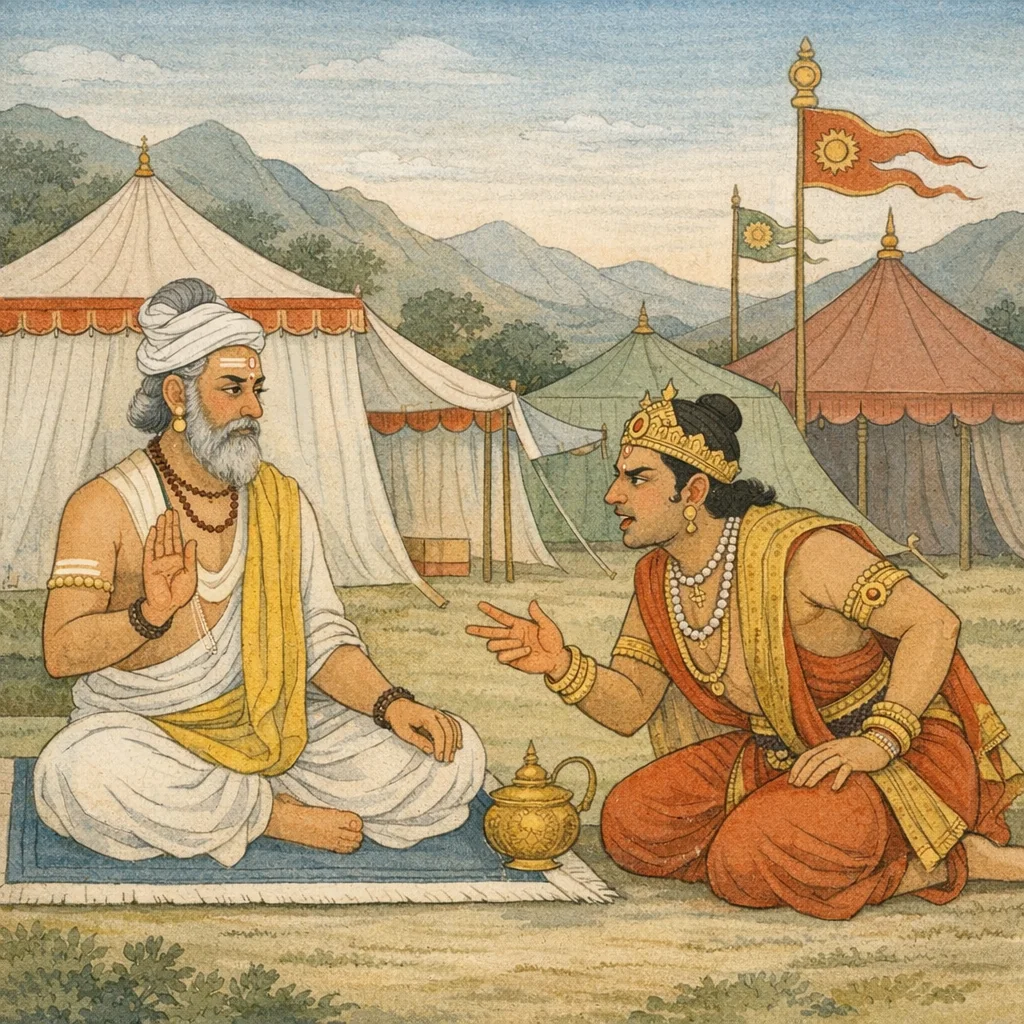
Chapter Arc: संजय धृतराष्ट्र से कहता है—युद्धभूमि में दुर्योधन क्रोध और अपमान से भरा हुआ द्रोणाचार्य के पास जाकर कटु वचन बोलता है, मानो सेनापति की निष्ठा पर ही प्रश्नचिह्न लगा दे। → दुर्योधन आरोप लगाता है कि पाण्डव थके-हारे होकर भी ‘विश्राम’ पा रहे हैं, और कौरवों ने ‘प्रियकाम्यया’ (मर्यादा/कृपा/नीति के नाम पर) जो क्षमा की—विशेषतः सोते समय प्रहार न करना—उसी से शत्रु बलवान हो गया। वह द्रोण पर व्यंग्य करता है कि आचार्य की ढील और पक्षपात से विजय हाथ से फिसल रही है। → द्रोण का व्यंग्यपूर्ण, कठोर उत्तर—वह दुर्योधन की विजय-लालसा को ‘क्षुद्र’ कहकर उसकी दृष्टि की संकीर्णता उजागर करता है; साथ ही यह भी जताता है कि वृद्ध होने पर भी वह अपनी पूरी शक्ति से युद्ध करेगा, पर दुर्योधन की अविवेकपूर्ण शंकाएँ और आदेश-भाव उसे धर्म और नीति से हटने को बाध्य नहीं कर सकते। → द्रोण दुर्योधन को उसके ही जीवन-लेखाजोखा की याद दिलाकर (दान, भोग, स्वाध्याय, ऐश्वर्य) एक प्रकार से कहता है—अब भय छोड़कर युद्ध-धर्म निभा; पर साथ ही यह भी स्पष्ट करता है कि अर्जुन जैसे योद्धा के सामने ‘स्वस्तिमान् गृहं’ लौटना सरल नहीं। दुर्योधन की धौंस का उत्तर द्रोण की कटाक्ष-युक्त नीति-भाषा बन जाता है। → अर्जुन-वध/निर्णायक प्रहार की बातें उठती हैं, पर द्रोण की प्रतिक्रिया संकेत देती है कि आगे की रणनीति में छल-नीति और धर्म-संकट और तीव्र होंगे।
Shlokas
Verse 1
ऑपन-माज बछ। अकाल पज्चाशीरत्याधिकशततमो< ध्याय: दुर्योधनका उपालम्भ और द्रोणाचार्यका व्यंगपूर्ण उत्तर संजय उवाच ततो दुर्योधनो द्रोणमभिगम्याब्रवीदिदम् | अमर्षवशमापन्नो जनयन् हर्षतेजसी,संजय कहते हैं--राजन्! तदनन्तर अमर्षमें भरे हुए दुर्योधनने द्रोणाचार्यके पास जाकर उनमें हर्षोत्साह और उत्तेजना पैदा करते हुए इस प्रकार कहा
Sañjaya said: Then Duryodhana, overcome by resentment, approached Droṇācārya and spoke these words, seeking to kindle in him joy, ardor, and martial energy. In this moment, Duryodhana’s agitation reveals a leader driven by wounded pride, attempting to steer his teacher’s will through provocation and encouragement amid the moral strain of war.
Verse 2
दुर्योधन उवाच न मर्षणीया: संग्रामे विश्रमन्त: श्रमान्विता: । सपत्ना ग्लानमनसो लब्धलक्ष्या विशेषत:,दुर्योधन बोला--आचार्य! युद्धमें विशेषतः वे शत्रु, जो लक्ष्य बेधनेमें कभी चूकते न हों, यदि थककर विश्राम ले रहे हों और मनमें ग्लानि भरी होनेसे युद्धविषयक उत्साह खो बैठे हों, उनके प्रति कभी क्षमा नहीं दिखानी चाहिये
Duryodhana said: “Teacher! In battle, no forbearance should be shown—especially toward rival foes famed for never missing their mark—if, grown weary, they have paused to rest and, with minds sunk in dejection, have lost their fighting spirit. Such a moment must be pressed, not pardoned.”
Verse 3
यत् तु मर्षितमस्माभिभर्भवत: प्रियकाम्यया । त एते परिविश्रान्ता: पाण्डवा बलवत्तरा:,इस समय जो हमने क्षमा की है--सोते समय शत्रुओंपर प्रहार नहीं किया है, वह केवल आपका प्रिय करनेकी इच्छासे ही हुआ है। इसका फल यह हुआ कि ये पाण्डव-सैनिक पूर्णतः विश्राम करके पुन: अत्यन्त प्रबल हो गये हैं
The forbearance we showed—out of a desire to please you—by not striking the enemy while they slept, has had this consequence: those Pāṇḍavas have now fully recovered their strength and, having rested, have become all the more formidable. In war, misplaced restraint, when driven by personal appeasement rather than sound judgment, can turn into a strategic and moral liability.
Verse 4
सर्वथा परिहीना: सम तेजसा च बलेन च | भवता पाल्यमानास्ते विवर्धन्ते पुन: पुनः,हमलोग तेज और बलसे सर्वथा हीन हो गये हैं और वे पाण्डव आपसे सुरक्षित होनेके कारण बारंबार बढ़ते जा रहे हैं
Duryodhana said: “In every way we have become bereft of vigor and strength; while those Pāṇḍavas, being protected by you, keep growing again and again.” The line carries a moral sting: he frames the enemy’s rise not as their merit alone but as a consequence of misplaced protection, implying a failure of duty in safeguarding one’s own side during war.
Verse 5
दिव्यान्यस्त्राणि सर्वाणि ब्राह्मादीनि च यानि ह । तानि सर्वाणि तिष्ठन्ति भवत्येव विशेषत:,ब्रह्मासत्र आदि जितने भी दिव्यास्त्र हैं, वे सब-के-सब विशेषरूपसे आपट्ीीमें प्रतिष्ठित हैं
Duryodhana said: “All the celestial weapons—beginning with the Brahmā-weapon and the rest—are all, without exception, especially established in you. They abide in you in a distinctive way.”
Verse 6
न पाण्डवेया न वयं नान्ये लोके धनुर्धरा: । युध्यमानस्य ते तुल्या: सत्यमेतद् ब्रवीमि ते,युद्ध करते समय आपकी समानता न तो पाण्डव, न हमलोग और न संसारके दूसरे धनुर्धर ही कर सकते हैं, यह मैं आपसे सच्ची बात कहता हूँ
Duryodhana said: “Neither the sons of Pāṇḍu, nor we ourselves, nor any other bowmen in the world can match you when you are engaged in battle. This I tell you as the truth.” In context, the line functions as strategic praise—an attempt to bolster an ally’s resolve and to frame martial excellence as decisive in a war whose moral stakes are already heavy.
Verse 7
ससुरासुरगन्धर्वानिमॉल्लोकान् द्विजोत्तम । सर्वस्त्रिविद् भवान् हन्याद् दिव्यैरस्त्रैन संशय:,द्विजश्रेष्ठट आप सम्पूर्ण अस्त्रोंके ज्ञाता हैं। अतः चाहें तो अपने दिव्यास्त्रोंद्वारा देवता, असुर और गन्धर्वोंसहित इन सम्पूर्ण लोकोंका विनाश कर सकते हैं, इसमें संशय नहीं है
Duryodhana said: “O best of Brahmins, you are a master of every weapon. If you so choose, you could, by means of your divine missiles, destroy these worlds together with the gods, the asuras, and the gandharvas—of this there is no doubt.” In context, the line is not a call to righteous restraint but an attempt to magnify the addressee’s power and press him toward extreme, war-driven action, revealing how admiration can be used as moral pressure in a collapsing ethical order.
Verse 8
स भवान् मर्षयत्येतांस्त्वत्तो भीतान् विशेषतः । शिष्यत्वं वा पुरस्कृत्य मम वा मन्दभाग्यताम्,फिर भी आप इन पाण्डवोंको क्षमा करते जाते हैं। यद्यपि वे आपसे विशेष भयभीत रहते हैं, तो भी वे आपके शिष्य हैं, इस बातको सामने रखकर या मेरे दुर्भाग्यका विचार करके आप उनकी उपेक्षा करते हैं
Duryodhana said: “You keep pardoning these men, though they are especially afraid of you. Either you are putting forward their status as your disciples, or you are overlooking them out of consideration for my own ill fortune.”
Verse 9
संजय उवाच एवमुद्धर्षितो द्रोण: कोपितश्न सुतेन ते । समन्युरब्रवीद् राजन् दुर्योधनमिदं वच:,संजय कहते हैं--राजन्! जब इस प्रकार आपके पुत्रने द्रोणाचार्यको उत्साहित करते हुए उनका क्रोध बढ़ाया, तब वे कुपित होकर दुर्योधनसे इस प्रकार बोले--
Sañjaya said: “O King, when your son thus roused Droṇa and further inflamed his anger, Droṇa—now indignant—addressed Duryodhana with these words.”
Verse 10
स्थविर: सन् परं शक्त्या घटे दुर्योधनाहवे । अतः परं मया कार्य क्षुद्रे विजयगृद्धिना,“दुर्योधन! यद्यपि मैं बूढ़ा हो गया, तथापि युद्धसस््थलमें अपनी पूरी शक्ति लगाकर तुम्हारी विजयके लिये चेष्टा करता हूँ, परंतु जान पड़ता है, अब तुम्हारी जीतकी इच्छासे मुझे नीच कार्य भी करना पड़ेगा
Sañjaya said: “Though I am an old man, I strive with all my strength in the battle for Duryodhana. Yet it seems that, driven by his hunger for victory, I must now undertake even a base and ignoble deed.”
Verse 11
अनस्त्रविदयं सर्वो हन्तव्यो<स्त्रविदा जन: । यद् भवान् मन्यते चापि शुभं वा यदि वाशुभम्
Sañjaya said: “Every man who is unskilled in the use of weapons should be slain by those who are skilled in arms. Whatever you deem fit—whether it be auspicious or inauspicious—(let that be done).”
Verse 12
निहत्य सर्वपञज्चालान् युद्धे कृत्वा पराक्रमम्
Sañjaya said: “Having slain all the Pañcālas in battle, after displaying great valor, (he/they proceeded further in the course of the war).”
Verse 13
मन्यसे यच्च कौन्तेयमर्जुनं श्रान्तमाहवे
Sañjaya said: “If you think that Arjuna, the son of Kuntī, has grown weary in the battle…”
Verse 14
तं न देवा न गन्धर्वा न यक्षा न च राक्षसा:
Sañjaya said: “Neither the gods, nor the Gandharvas, nor the Yakṣas, nor even the Rākṣasas could withstand or overcome him—so extraordinary was his might in that moment of battle.”
Verse 15
उत्सहन्ते रणे जेतुं कुपितं सव्यसाचिनम् | 'युद्धमें कुपित हुए सव्यसाची अर्जुनको न देवता, न गन्धर्व, न यक्ष और न राक्षस ही जीत सकते हैं ।। खाण्डवे येन भगवान प्रत्युद्यात: सुरेश्वर:
Sañjaya said: “In battle, none can hope to defeat the enraged Arjuna, the ambidextrous archer—neither the gods, nor the Gandharvas, nor the Yakṣas, nor the Rākṣasas. He is the very hero before whom even the Lord of the gods once advanced at Khāṇḍava.”
Verse 16
यक्षा नागास्तथा दैत्या ये चान्ये बलगर्विता:
Sañjaya said: “Yakṣas, Nāgas, and Daityas—along with other beings swollen with the pride of their own strength…”
Verse 17
निहता: पुरुषेन्द्रेण तच्चापि विदितं तव । 'पुरुषश्रेष्ठ अर्जुनने उस समय यक्ष, नाग, दैत्य तथा दूसरे भी जो बलका घमंड रखनेवाले वीर थे, उन सबको मार डाला था। यह बात तुम्हें मालूम ही है ।। गन्धर्वा घोषयात्रायां चित्रसेनादयो जिता:
Sañjaya said: “Those mighty ones were slain by the best of men; and this too is already known to you. In the episode of the Ghoṣa-yātrā, the Gandharvas—Citraseṇa and the others—were overcome.”
Verse 18
निवातकवचाश्चापि देवानां शत्रवस्तथा
Sañjaya said: “And the Nivātakavaca warriors too—likewise, those who were enemies of the gods.”
Verse 19
दानवानां सहस्राणि हिरण्यपुरवासिनाम्
Sañjaya said: “Thousands upon thousands of Dānavas—those dwelling in Hiraṇyapura—were present, arrayed in ranks.”
Verse 20
प्रत्यक्ष चैव ते सर्व यथाबलमिदं तव
Sañjaya said: “All this is directly evident to you; to the extent of your power, it is your own doing and your responsibility.”
Verse 21
संजय उवाच त॑ तदाभिप्रशंसन्तमर्जुनं कुपितस्तदा
Sañjaya said: “At that time, Arjuna—who was being praised—became angry.”
Verse 22
अहं दुःशासन: कर्ण: शकुनिर्मातुलश्ष मे
Sañjaya said: “I am here, along with Duḥśāsana, Karṇa, and Śakuni—who is my maternal uncle.”
Verse 23
तस्य तद् वचन श्रुत्वा भारद्वाजो हसन्निव
Sañjaya said: Hearing those words of his, Bhāradvāja seemed to smile—an expression suggesting restrained amusement or knowing irony amid the grave circumstances.
Verse 24
अन्ववर्तत राजानं स्वस्ति ते5स्त्विति चाब्रवीत् । दुर्योधनकी यह बात सुनकर द्रोणाचार्यने हँसते हुए-से उसकी बातका अनुमोदन किया और “तुम्हारा कल्याण हो” ऐसा कहकर वे राजा दुर्योधनसे पुन: इस प्रकार बोले-- ।। २३ *॥ को हि गाण्डीवधन्वानं ज्वलन्तमिव तेजसा
Sañjaya said: He followed after the king and said, “May welfare be yours.” Hearing Duryodhana’s words, Droṇācārya, as if smiling, signified his approval and, blessing him again with “May you prosper,” addressed King Duryodhana once more: “For who indeed could (withstand) Arjuna, the wielder of the Gāṇḍīva, blazing as it were with splendor?”
Verse 25
तं॑ न वित्तपतिर्नेन्द्रो न यमो न जलेश्वर:
Sañjaya said: Neither Kubera, nor Indra, nor Yama, nor the lord of the waters could (match or overcome) him—so extraordinary was his might and stature in that moment of war.
Verse 26
मूढास्त्वेतानि भाषन्ते यानीमान्यात्थ भारत
Sañjaya said: “O Bhārata, only the deluded speak in such a way—repeating the very words you have just uttered.”
Verse 27
त्वं तु सर्वाभिशड्कित्वान्निष्ठर: पापनिश्चय:
But you—suspecting everyone—have become hard-hearted, with a resolve fixed on wrongdoing. Sanjaya’s words frame this as a moral diagnosis: mistrust has hardened the mind, and that inner corruption now drives one’s choices amid the war’s turmoil.
Verse 28
गच्छ त्वमपि कौन्तेयमात्मार्थ जहि मा चिरम्,“तुम भी जाओ, अपने हितके लिये कुन्तीकुमार अर्जुनको शीघ्र ही मार डालो। तुम भी तो कुलीन क्षत्रिय हो। मैं आशा करता हूँ, तुममें भी युद्ध करनेकी शक्ति है ही, फिर इन सम्पूर्ण निरपराध क्षत्रियोंको क्यों व्यर्थ कटवाओगे?
Sañjaya said: “You too should go—strike down Arjuna, the son of Kuntī, without delay, for your own advantage. You are of noble kṣatriya birth; I trust you have the strength to fight. Why, then, should these wholly blameless kṣatriyas be made to perish in vain?”
Verse 29
त्वमप्याशंसये योद्धुं कुलज: क्षत्रियो हासि । इमान् कि क्षत्रियान् सर्वान् घातयिष्यस्यनागस:,“तुम भी जाओ, अपने हितके लिये कुन्तीकुमार अर्जुनको शीघ्र ही मार डालो। तुम भी तो कुलीन क्षत्रिय हो। मैं आशा करता हूँ, तुममें भी युद्ध करनेकी शक्ति है ही, फिर इन सम्पूर्ण निरपराध क्षत्रियोंको क्यों व्यर्थ कटवाओगे?
Sañjaya said: “I, too, expect you to fight—for you are a well-born Kṣatriya. Why would you have all these Kṣatriyas, who are without fault, be cut down in vain? Go yourself and swiftly strike down Arjuna, the son of Kuntī, for your own advantage.”
Verse 30
त्वमस्य मूलं वैरस्थ तस्मादासादयार्जुनम् । एष ते मातुल: प्राज्ञ: क्षत्रधर्ममनुव्रत:
Sañjaya said: “You are the very root of this enmity; therefore, go and confront Arjuna. Here is your maternal uncle—wise and steadfast in the warrior’s code—ready to act in accordance with kṣatriya duty.”
Verse 31
एषो<क्षकुशलो जिद्दो द्यूतकृत् कितव: शठ:
Sañjaya said: “This man is skilled with dice—one who has been hardened by gambling, a professional gambler, and a deceitful cheat.”
Verse 32
त्वया कथितमत्यर्थ कर्णेन सह हृष्टवत्,“दुर्योधन! तुमने एकान्तस्थानके समान भरी सभामें धृतराष्ट्रके सुनते हुए कर्णके साथ अत्यन्त प्रसन्न-से होकर मोहवश बारंबार बहुत जोर देकर यह बात कही है कि “तात! मैं, कर्ण और भाई दुःशासन--ये तीन ही समरभूमिमें एक साथ होकर पाण्डवोंका वध कर डालेंगे।” प्रत्येक सभामें ऐसी ही शेखी बघारते हुए तुम्हारी बात मैंने सुनी है
Sanjaya said: You have told me how, with Karna at your side and in a mood of exultation, you repeatedly—deluded and pressing the point with great insistence—boasted before Dhritarashtra in the full assembly, as though it were a private place: “Duryodhana! Dear father, I, Karna, and my brother Duhshasana—just these three—will stand together on the battlefield and kill the Pandavas.” I have heard you make this same swaggering claim in every assembly. The verse underscores how pride and infatuation with power distort judgment, turning reckless bravado into policy and dragging elders and the whole kingdom toward ruin.
Verse 33
असकृच्छून्यवन्मोहाद् धृतराष्ट्रस्य शुण्वतः । अहं च तात कर्णश्न भ्राता दुःशासनश्ल मे,“दुर्योधन! तुमने एकान्तस्थानके समान भरी सभामें धृतराष्ट्रके सुनते हुए कर्णके साथ अत्यन्त प्रसन्न-से होकर मोहवश बारंबार बहुत जोर देकर यह बात कही है कि “तात! मैं, कर्ण और भाई दुःशासन--ये तीन ही समरभूमिमें एक साथ होकर पाण्डवोंका वध कर डालेंगे।” प्रत्येक सभामें ऐसी ही शेखी बघारते हुए तुम्हारी बात मैंने सुनी है
Sañjaya said: “Out of delusion, you have spoken again and again with great insistence, as though in a private place though the assembly was full, while Dhṛtarāṣṭra listened. You kept boasting, ‘Dear one! I, Karṇa, and my brother Duḥśāsana—just we three together on the battlefield—will kill the Pāṇḍavas.’ I have heard you make the same vainglorious claim in every gathering.”
Verse 34
पाण्डुपुत्रान् हनिष्याम: सहिता: समरे त्रय: । इति ते कत्थमानस्य श्रुतं संसदि संसदि,“दुर्योधन! तुमने एकान्तस्थानके समान भरी सभामें धृतराष्ट्रके सुनते हुए कर्णके साथ अत्यन्त प्रसन्न-से होकर मोहवश बारंबार बहुत जोर देकर यह बात कही है कि “तात! मैं, कर्ण और भाई दुःशासन--ये तीन ही समरभूमिमें एक साथ होकर पाण्डवोंका वध कर डालेंगे।” प्रत्येक सभामें ऐसी ही शेखी बघारते हुए तुम्हारी बात मैंने सुनी है
Sañjaya said: “We three, united on the battlefield, will slay the sons of Pāṇḍu.” Thus, as you boasted again and again in assembly after assembly, I heard these words of yours.
Verse 35
अनुतिष्ठ प्रतिज्ञां तां सत्यवाग् भव तै: सह । एष ते पाण्डव: शत्रुरविशड्धगको5ग्रत: स्थित:
Sañjaya said: “Fulfil that vow; let your speech be truthful, together with them. Here before you stands your Pāṇḍava foe, ready in the forefront.”
Verse 36
दत्तं भुक्तमधीतं च प्राप्तमैश्वर्यमीप्सितम्
Sañjaya said: “What has been given in charity, what has been enjoyed, what has been studied, and the desired sovereignty that has been attained—these are the gains that truly stand as one’s accomplished portion.”
Verse 37
इत्युक्त्वा समरे द्रोणो न्यवर्तत यतः परे । द्वैधीकृत्य तत: सेनां युद्धं समभवत् तदा,ऐसा कहकर द्रोणाचार्य समरभूमिमें जिस ओर शत्रुओंकी सेना थी, उधर ही लौट पड़े। तत्पश्चात् सेनाके दो विभाग करके उसी क्षण युद्ध आरम्भ हो गया
Sañjaya said: “Having spoken thus, Droṇa turned back on the battlefield toward the side where the opposing forces stood. Then, dividing the army into two formations, the battle at once commenced.”
Verse 113
तद् वै कर्तास्मि कौरव्य वचनात् तव नान्यथा । “ये सब लोग दिव्यास्त्रोंकी नहीं जानते और मैं जानता हूँ, इसलिये मुझे उन्हीं अस्त्रोंद्वारा इन सबको मारना पड़ेगा। कुरुनन्दन! तुम शुभ या अशुभ जो कुछ भी कराना उचित समझो, वह तुम्हारे कहनेसे करूँगा; उसके विपरीत कुछ नहीं करूँगा
Verse 126
विमोक्ष्ये कवचं राजन् सत्येनायुधमालभे । “राजन! मैं सत्यकी शपथ खाकर अपने धनुषको छूते हुए कहता हूँ कि “युद्धमें पराक्रम करके समस्त पांचालोंका वध किये बिना कवच नहीं उतारूँगा”
Sañjaya said: “O King, I swear by truth, touching my weapon: I will not remove my armour until, having displayed my prowess in battle, I have slain all the Pāñcālas.” The vow underscores a warrior’s binding commitment, where truth is invoked as a moral witness even amid the violence of war.
Verse 136
तस्य वीर्य महाबाहो शृणु सत्येन कौरव । 'परंतु तुम जो कुन्तीकुमार अर्जुनको युद्धमें थका हुआ समझते हो, वह तुम्हारी भूल है। महाबाहु कुरुराज! मैं उनके पराक्रमका सचाईके साथ वर्णन करता हूँ, सुनो
Sañjaya said: O mighty-armed Kaurava, listen as I truthfully recount his valor. You are mistaken if you think Kuntī’s son Arjuna has grown weary in battle; I will describe his prowess as it really is.
Verse 153
सायकैर्वारितश्नापि वर्षमाणो महात्मना । “उस महामनस्वी वीरने खाण्डववनमें वर्षा करते हुए भगवान् देवराज इन्द्रका सामना किया और अपने बाणोंद्वारा उन्हें रोक दिया
Sañjaya said: Even as the great-souled one poured forth a rain of arrows, he checked the enemy with his own shafts—meeting the assault with disciplined force rather than yielding to it. The scene underscores a warrior’s resolve: to stand firm under pressure and restrain harm through skill and steadiness, not mere rage.
Verse 176
यूयं तै््ियमाणाश्च मोक्षिता दृढ्थन्वना । “घोषयात्राके समय जब चित्रसेन आदि गन्धर्व तुम्हें हदकर लिये जा रहे थे, उस समय सुदृढ़ धनुष धारण करनेवाले अर्जुनने ही उन सबको परास्त किया और तुम्हें बन्धनसे छुड़ाया
Sanjaya said: When, during the Ghoṣayātrā expedition, you were being carried off by Chitrasena and the other Gandharvas, it was Arjuna—steady and unyielding with his bow—who defeated them all and released you from captivity. The statement recalls a past rescue to underscore a moral contrast: those who were once saved by Arjuna now stand opposed to him, revealing the ethical weight of gratitude, loyalty, and the consequences of ignoring rightful conduct.
Verse 184
इस प्रकार श्रीमह्माभारत द्रोणपर्वके अन्तर्गत द्रोणवधपर्वमें रात्रियुद्धके समय सेनाका निद्राविषयक एक सौ चौरासीवाँ अध्याय पूरा हुआ
Sañjaya said: Thus, in the Śrī Mahābhārata, within the Droṇa Parva—specifically in the section on the slaying of Droṇa—during the night-battle, the 184th chapter, concerning the army’s sleep, is concluded.
Verse 185
इति श्रीमहाभारते द्रोणपर्वणि द्रोणवधपर्वणि द्रोणदुर्योधन भाषणे पज्चाशीत्यधिकशततमो< ध्याय:,इस प्रकार श्रीमहाभारत द्रोणपर्वके अन्तर्गत द्रोणवधपर्वमें द्रोणाचार्य और दुर्योधनका सम्भाषणविषयक एक सौ पचासीवाँ अध्याय पूरा हुआ
Thus, in the Śrī Mahābhārata, within the Droṇa Parva—specifically in the section on the slaying of Droṇa—ends the 185th chapter, whose subject is the discourse between Droṇācārya and Duryodhana.
Verse 186
सुरैरवध्या: संग्रामे तेन वीरेण निर्जिता: । “देवशत्रु निवातकवच नामक दानव, जिन्हें संग्राममें देवता भी नहीं मार सकते थे, उसी वीर अर्जुनसे पराजित हुए हैं
Sañjaya said: In battle, those foes who were deemed unkillable even by the gods were nevertheless overcome by that heroic warrior.
Verse 193
विजिग्ये पुरुषव्यात्र: स शक््यो मानुषै: कथम् । “जिन पुरुषसिंह अर्जुनने हिरण्यपुरनिवासी सहस्रों दानवोंपर विजय पायी है, वे मनुष्योंद्वारा कैसे जीते जा सकते हैं?
Sañjaya said: “That tiger among men—how could he possibly be conquered by mere human beings?”
Verse 203
क्षपितं पाण्डुपुत्रेण चेष्टतां नो विशाम्पते | 'प्रजानाथ! हमारे बहुत चेष्टा करनेपर भी पाए्डुपुत्र अर्जुनने जिस प्रकार तुम्हारी इस सेनाका संहार कर डाला है, यह सब तो तुम्हारी आँखोंके सामने ही है”
Sañjaya said: O lord of the people, despite all our efforts, the son of Pāṇḍu has destroyed your army; all this has taken place right before your eyes.
Verse 216
द्रोणं तव सुतो राजन् पुनरेवेदमब्रवीत् | संजय कहते हैं--राजन्! इस प्रकार अर्जुनकी प्रशंसा करते हुए द्रोणाचार्यसे उस समय आपके पुत्रने कुपित होकर पुनः इस प्रकार कहा--
Sañjaya said: “O King, your son once again spoke these words to Droṇa.”
Verse 226
हनिष्यामो्र्जुनं संख्ये द्विधा कृत्वाद्य भारतीम् । (तिष्ठ स त्वं महाबाहो नित्यं शिष्य: प्रियस्तव ।।) “आज मैं, दुःशासन, कर्ण और मेरे मामा शकुनि कौरव-सेनाको दो भागोंमें बाँटकर युद्धमें अर्जुनको मार डालेंगे। महाबाहो! आप चुपचाप खड़े रहिये, क्योंकि अर्जुन सदासे ही आपके प्रिय शिष्य हैं'
Sañjaya said: “Today, dividing the Kaurava host into two wings in the thick of battle—we, Duhśāsana, Karṇa, and my maternal uncle Śakuni—shall strike down Arjuna. You, mighty-armed one, stand aside in silence; for Arjuna has ever been your beloved disciple.”
Verse 243
अक्षयं क्षपयेत् वक्षित् क्षत्रिय: क्षत्रियर्ष भम् । “नरेश्वर! अपने तेजसे प्रज्वलित होनेवाले क्षत्रिय-शिरोमणि गाण्डीवधारी अविनाशी अर्जुनको कौन क्षत्रिय मार सकता है?
Sañjaya said: “O king, what warrior could ever destroy that imperishable Arjuna—the bull among kṣatriyas, the crest-jewel of fighters—who blazes with his own splendor and bears the Gāṇḍīva?”
Verse 253
नासुरोरगरक्षांसि क्षपयेयु: सहायुधम् | “हाथमें धनुष धारण किये हुए अर्जुनको न तो धनाध्यक्ष कुबेर, न इन्द्र, न यमराज, न जलके स्वामी वरुण और न असुर, नाग एवं राक्षस ही नष्ट कर सकते हैं
Sañjaya said: “Arjuna, bow in hand, cannot be destroyed by Kubera, lord of wealth, nor by Indra, nor by Yama, nor by Varuṇa, master of the waters; even the Asuras, Nāgas, and Rākṣasas—though armed—would not be able to destroy him.”
Verse 303
दुर्यूतदेवी गान्धारे प्रयात्वर्जुनमाहवे । “तुम इस वैरकी जड़ हो, अतः स्वयं ही जाकर अर्जुनका सामना करो, गान्धारीनन्दन! ये कपटलद्यूतके खिलाड़ी तुम्हारे मामा शकुनि भी बड़े बुद्धिमान् और क्षत्रियधर्ममें तत्पर रहनेवाले हैं। ये ही युद्धमें अर्जुनपर चढ़ाई करें
“You are the very root of this enmity; therefore go yourself and face Arjuna in battle, O son of Gāndhārī. And your maternal uncle Śakuni—crafty player of the deceitful dice—is also most wise and steadfast in kṣatriya-dharma; let him be the one to charge upon Arjuna in the war.”
Verse 316
देविता निकृतिप्रज्ञो युधि जेष्यति पाण्डवान् 'ये पासे फेंकनेमें बड़े कुशल हैं। कुटिलता, शठता और धूर्तता तो इनमें कूट-कूटकर भरी है। ये जूएके खिलाड़ी तो हैं ही, छल-विद्याके भी अच्छे जानकार हैं। युद्धमें पाण्डवोंको अवश्य जीत लेंगे
Sañjaya said: “He is a master of deceit, his mind trained in crooked stratagems; in battle he will surely defeat the Pāṇḍavas.”
Verse 356
क्षत्रधर्ममवेक्षस्व श्लाघ्यस्तव वधो जयात् । “अपनी उस प्रतिज्ञाको पूर्ण करो। उन सबके साथ सत्यवादी बनो। ये तुम्हारे शत्रु पाण्डुपुत्र अर्जुन निर्भय होकर सामने खड़े हैं। क्षत्रियरर्मकी ओर दृष्टिपात करो। युद्धमें विजयकी अपेक्षा अर्जुनके हाथसे तुम्हारा वध भी हो जाय तो वह तुम्हारे लिये प्रशंसाकी बात होगी
Sañjaya said: “Look to the dharma of a kṣatriya. Even if, instead of victory in battle, you should meet your death at the hands of your opponent, that death would be worthy of praise.”
Verse 2636
युद्धे हार्जुनमासाद्य स्वस्तिमान् को व्रजेद् गृहान् । “भारत! तुम जो कुछ कह रहे हो, ऐसी बातें मूर्ख मनुष्य कहा करते हैं। भला, युद्धमें अर्जुनका सामना करके कौन कुशलपूर्वक घरको लौट सकता है?
Sañjaya said: “O Bhārata, what you are saying is the sort of talk uttered by foolish men. For who, after encountering Arjuna in battle, could possibly return home safe and unscathed?”
Verse 2736
श्रेयसस्त्वद्धिते युक्तांस्तत्तद् वक्तुमिहेच्छसि । “तुम निष्ठर और पापपूर्ण विचार रखनेवाले हो; अतः तुम्हारे मनमें सबपर संदेह बना रहता है, इसीलिये तुम्हारे हितमें ही तत्पर रहनेवाले श्रेष्ठ पुरुषोंको भी तुम ऐसी-ऐसी बातें सुनानेकी इच्छा रखते हो
Sañjaya said: “You wish to speak here such-and-such counsel, even to those noble men who are devoted to your welfare and to what is truly beneficial—because your mind, hardened and tainted by sinful intent, remains suspicious of everyone.”
Verse 3636
कृतकृत्यो<नृणश्चासि मा भैर्युध्यस्व पाण्डवम् | “तुमने बहुत-सा दान कर लिया, भोग भोग लिये, स्वाध्याय भी कर लिया और मनमाना ऐश्वर्य भी पा लिया। अब तुम कृतकृत्य और देवताओं, ऋषियों तथा पितरोंके ऋणसे मुक्त हो गये; अत: डरो मत। पाण्डुपुत्र अर्जुनके साथ युद्ध करो”
Sañjaya said: “You have fulfilled your duties and are free from all debts; do not be afraid. Having given abundant gifts, enjoyed the rightful pleasures of life, completed your study of sacred lore, and attained the prosperity you desired, you are now released from obligations to the gods, the seers, and the ancestors. Therefore, cast off fear and fight Arjuna, the son of Pāṇḍu.”