Adhyaya 318
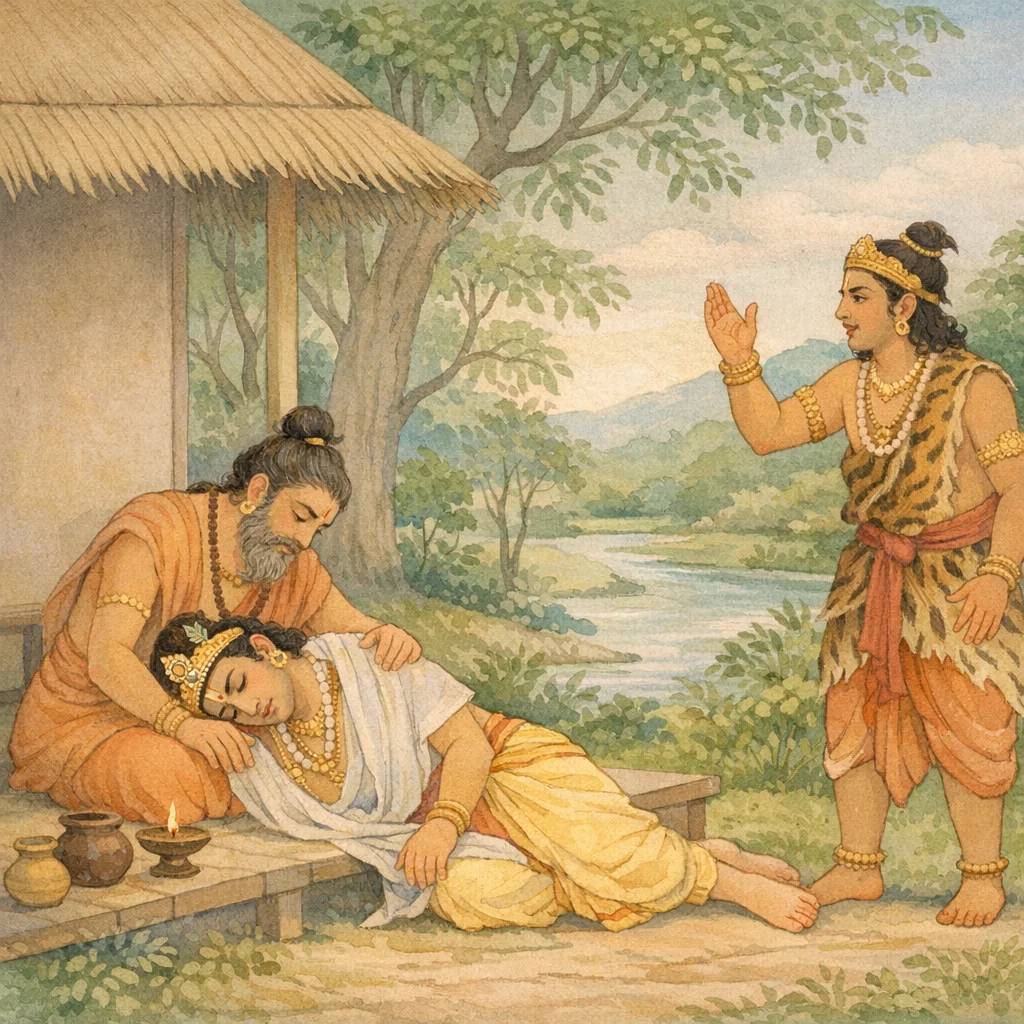
Chapter Arc: वनवास की सीमा पर खड़े पाण्डव—अब ‘अज्ञातवास’ का कठिन व्रत सामने है। युधिष्ठिर तपस्वियों और आचार्य धौम्य से अनुमति माँगते हुए शोक से भर उठते हैं। → आश्रमवासी विद्वान तपस्वी, जो पाण्डवों के भक्त हैं, युधिष्ठिर की आज्ञा पाकर उन्हें विदा देने को खड़े होते हैं। पाण्डव अपनी योजना रखते हैं—इस वर्ष छिपकर रहना है, क्योंकि सुयोधन, कर्ण और शकुनि जैसे दुष्टात्मा शत्रु अवसर खोज रहे हैं। युधिष्ठिर का मन कर्तव्य और भय के बीच डगमगाता है। → अज्ञातवास की अनुमति माँगते-माँगते युधिष्ठिर दुःख-शोक से विह्वल होकर मूर्छित हो जाते हैं—कण्ठ आँसुओं से भर जाता है और राजधर्म का धैर्य क्षणभर को टूटता दिखता है। → धौम्य युधिष्ठिर को समझाते हैं—आप विद्वान, दान्त, सत्यसंध, जितेन्द्रिय हैं; ऐसी आपदा में भी महापुरुष मोह नहीं करते। उदाहरण देकर वे बताते हैं कि इन्द्र ने भी शत्रुदमन हेतु निषध देश में गुप्तरूप से रहकर कार्य सिद्ध किया; अतः छिपकर रहना अधर्म नहीं, नीति है। फिर भीमसेन उत्साहवर्धन करते हैं, राजा के भीतर साहस जगाते हैं और अज्ञातवास के लिए मन स्थिर होता है। → पाण्डवों के अज्ञातवास-प्रवेश का निर्णय पक्का हो जाता है—अब प्रश्न केवल यह है कि वे कहाँ और किस रूप में छिपेंगे, और क्या शत्रु उनकी पहचान कर पाएँगे।
Shlokas
Verse 1
हि >> न (0) हि 7 आम पञ्चदशाधिकंत्रेशततमो< ध्याय: अज्ञातवासके लिये अनुमति लेते समय शोकाकुल हुए युधिष्ठिरको महर्षि धौम्यका समझाना, भीमसेनका उत्साह देना तथा आश्रमसे दूर जाकर पाण्डवोंका परस्पर परामर्शके लिये बैठना वैशम्पायन उवाच धर्मेण ते5भ्यनुज्ञाता: पाण्डवा: सत्यविक्रमा: । अज्ञातवासं वत्स्यन्त$छज्ना वर्ष त्रयोदशम्,वैशम्पायनजी कहते हैं--जनमेजय! धर्मराजकी अनुमति पाकर सत्यपराक्रमी पाण्डव तेरहवें वर्षमें छिपकर अज्ञातवास करनेकी इच्छासे एकत्र हो विचार-विमर्शके लिये आस-पास बैठे। वे सब-के-सब उत्तम व्रतका पालन करनेवाले और विद्वान थे। वनवासके समय जो तपस्वी ब्राह्मण पाण्डवोंके प्रति स्नेह होनेके कारण उनके साथ रहते थे, उनसे अज्ञातवासके हेतु आज्ञा लेनेके लिये व्रतधारी महात्मा पाण्डव हाथ जोड़कर खड़े हो इस प्रकार बोले--- / ५ 8 । (/) १ /€+। कर
Vaiśampāyana said: Having received permission in accordance with dharma, the Pāṇḍavas—whose valor was true to their word—resolved to undertake the thirteenth year in concealment, living incognito. With that intention they gathered together nearby and sat down to deliberate, preparing to seek leave from the ascetics who, out of affection, had stayed with them during their forest exile.
Verse 2
उपोपविष्टा विद्वांस: सहिता: संशितव्रता: । ये तद्भक्ता वसन्ति सम वनवासे तपस्विन:,वैशम्पायनजी कहते हैं--जनमेजय! धर्मराजकी अनुमति पाकर सत्यपराक्रमी पाण्डव तेरहवें वर्षमें छिपकर अज्ञातवास करनेकी इच्छासे एकत्र हो विचार-विमर्शके लिये आस-पास बैठे। वे सब-के-सब उत्तम व्रतका पालन करनेवाले और विद्वान थे। वनवासके समय जो तपस्वी ब्राह्मण पाण्डवोंके प्रति स्नेह होनेके कारण उनके साथ रहते थे, उनसे अज्ञातवासके हेतु आज्ञा लेनेके लिये व्रतधारी महात्मा पाण्डव हाथ जोड़कर खड़े हो इस प्रकार बोले---
Vaiśampāyana said: The learned men, united and steadfast in their well-honed vows, sat down nearby together. Those ascetics who, out of devotion to them, dwelt with them during the time of exile in the forest were also present. The scene underscores a disciplined community gathered around the Pāṇḍavas—where learning, austerity, and loyal companionship support right counsel at a morally demanding turning point.
Verse 3
तानब्रुवन् महात्मान: स्थिता: प्राजजलयस्तदा । अभ्यनुज्ञापयिष्यन्तस्तं निवासं धृतव्रता:,वैशम्पायनजी कहते हैं--जनमेजय! धर्मराजकी अनुमति पाकर सत्यपराक्रमी पाण्डव तेरहवें वर्षमें छिपकर अज्ञातवास करनेकी इच्छासे एकत्र हो विचार-विमर्शके लिये आस-पास बैठे। वे सब-के-सब उत्तम व्रतका पालन करनेवाले और विद्वान थे। वनवासके समय जो तपस्वी ब्राह्मण पाण्डवोंके प्रति स्नेह होनेके कारण उनके साथ रहते थे, उनसे अज्ञातवासके हेतु आज्ञा लेनेके लिये व्रतधारी महात्मा पाण्डव हाथ जोड़कर खड़े हो इस प्रकार बोले---
Vaiśampāyana said: Then those great-souled men, steadfast in their vows, stood with hands joined and spoke—seeking permission regarding the manner of dwelling they intended, namely the concealed residence they were about to undertake. The scene reveals disciplined resolve and reverent reliance on rightful consent before entering a morally delicate year of life in hiding.
Verse 4
विदितं भवतां सर्व धार्तराष्ट्रैयथा वयम् । छद्मना हृृतराज्याश्लानयाश्व बहुशः कृता:,“मुनिवरो! धृतराष्ट्रके पुत्रोंने जिस प्रकार छल करके हमारा राज्य हर लिया और हमपर बारंबार अत्याचार किया, वह सब आपलोगोंको विदित ही है
Vaiśampāyana said: “All this is already known to you—how we were deprived of our kingdom by the sons of Dhṛtarāṣṭra through deceit, and how many acts of injustice and oppression were repeatedly inflicted upon us.”
Verse 5
, ५ (१ ' १4. 8... -- उषिताश्च वने कृच्छे वयं द्वादश वत्सरान् । अज्ञातवाससमयं शेषं वर्ष त्रयोदशम्,“हमलोग कष्टदायक वनमें बारह वर्षोतक रह लिये। अब अन्तिम तेरहवाँ वर्ष हमारे अज्ञातवासका समय है
Vaiśampāyana said: “We have lived for twelve years in the forest, enduring hardship. Now the remaining thirteenth year is to be spent in concealment (incognito), as required by our vow.”
Verse 6
तद् वसामो वयं छजन्नास्तदनुज्ञातुमर्हथ । सुयोधनश्व दुष्टात्मा कर्णश्न सहसौबल:,“अतः इस वर्ष हम छिपकर रहना चाहते हैं। इसके लिये आपलोग हमें आज्ञा दें। दुष्टात्मा दुर्योधन, कर्ण और शकुनि हमसे अत्यन्त वैर रखते हैं। वे स्वयं तो हमारा पता लगानेको उद्यत हैं ही, उन्होंने गुप्तचर भी लगा रखे हैं। अतः यदि उन्हें हमारे रहनेका पता चल जायगा, तो वे हमसे सम्बन्ध रखनेवाले पुरजनों तथा स्वजनोंके साथ भी विषम (बुरा) बर्ताव कर सकते हैं
Vaiśaṃpāyana said: “Therefore we wish to live in concealment this year; you ought to grant us permission for that. For Suyodhana—evil-minded—together with Karṇa and Saubala (Śakuni) bears intense enmity toward us. They are eager to discover our whereabouts and have also set spies in motion. If our residence becomes known, they may even treat our elders and kinsmen—those connected with us—harshly and unjustly.”
Verse 7
जानन्तो विषमं कुर्युरस्मास्वत्यन्तवैरिण: । युक्तचाराश्न युक्ताश्न पौरस्प स््वजनस्य च,“अतः इस वर्ष हम छिपकर रहना चाहते हैं। इसके लिये आपलोग हमें आज्ञा दें। दुष्टात्मा दुर्योधन, कर्ण और शकुनि हमसे अत्यन्त वैर रखते हैं। वे स्वयं तो हमारा पता लगानेको उद्यत हैं ही, उन्होंने गुप्तचर भी लगा रखे हैं। अतः यदि उन्हें हमारे रहनेका पता चल जायगा, तो वे हमसे सम्बन्ध रखनेवाले पुरजनों तथा स्वजनोंके साथ भी विषम (बुरा) बर्ताव कर सकते हैं
Vaiśampāyana said: “Knowing our whereabouts, our implacable enemies would act cruelly toward us—and they would also harm the townsmen and our own kinsfolk. They have agents and spies in place; therefore, if our residence becomes known, those connected with us may suffer for it. For this reason we wish to remain concealed, and we seek your permission.”
Verse 8
अपि नस्तद् भवेद् भूयो यद् वयं ब्राह्मणैः सह | समस्ता: स्वेषु राष्ट्रेषु स्वराज्यस्था भवेमहि,“क्या हमारे सामने फिर कभी ऐसा अवसर आयेगा, जब कि हम सब भाई ब्राह्मणोंके साथ अपने राष्ट्रमें रहेंगे--अपने राज्यपर प्रतिष्ठित होंगे”
Vaiśampāyana said: “Will it ever come to pass again for us—that we, all together, may dwell in our own kingdoms with the brāhmaṇas, firmly established in our rightful sovereignty?”
Verse 9
वैशम्पायन उवाच इत्युक्त्वा दुःखशोकार्त: शुचिर्धर्मसुतस्तदा । सम्मूर्छितो5भवद् राजा साश्रुकण्ठो युधिछ्िर:,वैशम्पायनजी कहते हैं--जनमेजय! ऐसा कहकर पवित्र अन्तःकरणवाले धर्मनन्दन राजा युधिष्ठिर दु:ख और शोकसे आतुर होकर मूर्च्छित हो गये। उनके नेत्रोंसे आँसुओंकी धारा बह रही थी और कण्ठ अवरुद्ध हो गया था
Vaiśampāyana said: Having spoken thus, the pure-hearted son of Dharma, King Yudhiṣṭhira, overwhelmed by grief and sorrow, then fainted. His throat choked with tears, he was unable to speak—his anguish revealing the ethical weight he bore and the depth of his compassion.
Verse 10
तमथाश्वासयन् सर्वे ब्राह्मणा भ्रातृभि: सह | अथ धौम्योडब्रवीद् वाक्यं महार्थ नृपतिं तदा,उस समय उनके भाइयोंसहित समस्त ब्राह्मणोंने उन्हें आश्वासन दिया। तत्पश्चात् महर्षि धौम्यने राजा युधिष्ठिरसे यह गम्भीर अर्थयुक्त वचन कहा--
Then all the brāhmaṇas, together with his brothers, consoled him. After that, the sage Dhaumya addressed the king with words of profound import—spoken to steady his mind and guide him toward righteous resolve.
Verse 11
“राजन्! आप विद्वान, मनको वशमें रखनेवाले, सत्यप्रतिज्ञ और जितेन्द्रिय हैं। आप- जैसे मनुष्य किसी भी आपत्तिमें मोहित नहीं होते अर्थात् अपना धैर्य और विवेक नहीं खोते हैं
Vaiśampāyana said: “O King, you are learned, master of your mind, steadfast in truth, and self-controlled. Men like you are not deluded even in calamity; you do not lose your courage or your discernment.”
Verse 12
देवैरप्यापद: प्राप्ता#छन्नैश्व बहुशस्तथा । तत्र तत्र सपत्नानां निग्रहार्थ महात्मभि:,“महामना देवताओंको भी जहाँ-तहाँ शत्रुओंके निग्रहके लिये अनेक बार छिपकर रहना और विपत्तियोंको भोगना पड़ा है
Vaiśampāyana said: Even the gods have met with calamities; and many times, for the sake of subduing their enemies, those great-souled ones have had to remain concealed here and there and endure adversity. The point is that hardship and strategic concealment can be righteous when undertaken to restrain hostile forces and uphold order.
Verse 13
राजन विद्वान् भवान् दान्तः सत्यसंधो जितेन्द्रिय: । नैवंविधा: प्रमुहान्ते नरा: कस्याज्चिदापदि,इन्द्रेण निषधान प्राप्य गिरिप्रस्थाश्रमे तदा । छन्नेनोष्य कृतं कर्म द्विषतां च विनिग्रहे
Vaiśaṃpāyana said: “O King, you are learned, self-restrained, steadfast in truth, and master of your senses. Men of such a kind do not lose their clarity in any calamity. Having reached Niṣadha by Indra’s guidance, you then stayed concealed in the hermitage at Giriprastha and carried out the deed—bringing the hostile to submission.”
Verse 14
विष्णुनाश्वशिर: प्राप्प तथादित्यां निवत्स्यता | गर्भे वधार्थ दैत्यानामज्ञातेनोषितं चिरम्,“भगवान् विष्णु भी दैत्योंका वध करनेके लिये हयग्रीवस्वरूप धारण करके अज्ञातभावसे अदितिके गर्भमें दीर्घकालतक रहे हैं
Vaiśampāyana said: “The Blessed Lord Viṣṇu, having assumed the horse-headed form (Hayagrīva), entered Aditi and dwelt within her womb for a long time in concealment, with the purpose of destroying the Daityas. The episode underscores that the protection of cosmic order may require strategic secrecy and patient preparation, even by the divine.”
Verse 15
प्राप्प वामनरूपेण प्रच्छन्न॑ ब्रह्म॒रूपिणा । बलेयथा हूतं राज्यं विक्रमैस्तच्च ते श्रुतम्
Having approached in the guise of a dwarf, while concealing his true divine nature, he took away Bali’s sovereignty by his measured strides—this, too, you have heard.
Verse 16
“उन्होंने ही ब्राह्मणवेषमें वामनरूप धारण करके अपने तीन पगोंद्वारा जिस प्रकार छिपे तौरपर राजा बलिका राज्य हर लिया था, वह सब तो तुमने सुना ही होगा ।। हुताशनेन यच्चाप: प्रविश्यच्छन्नमासता । विबुधानां कृतं कर्म तच्च सर्व श्रुतं त्वया,'अग्निने जलमें प्रवेश करके वहीं छिपे रहकर देवताओंका कार्य जिस प्रकार सिद्ध किया, वह सब कुछ भी तुम सुन चुके हो
Vaiśaṃpāyana said: “You have already heard how Agni, entering the waters and remaining concealed there, accomplished the work of the gods. In the same way, you know the earlier deed in which the Lord, assuming the guise of a dwarf brāhmaṇa, subtly took away King Bali’s dominion with three strides—acts that show how divine purpose is fulfilled through strategy, disguise, and timely action rather than open force alone.”
Verse 17
प्रच्छन्न॑ चापि धर्मज्ञ हरिणारिविनिग्रहे । वज्ज प्रविश्य शक्रस्य यत् कृतं तच्च ते श्रुतम्,“धर्मज्ञ! भगवान् श्रीहरिने शत्रुओंके विनाशके लिये छिपे तौरपर इन्द्रके वज्॒में प्रवेश करके जो कार्य किया, वह भी तुम्हारे कानोंमें पड़ा होगा
Vaiśampāyana said: “O knower of dharma, you have also heard of that deed done for the destruction of Hari’s enemies—how, in a concealed manner, he entered Indra’s thunderbolt and accomplished his purpose.”
Verse 18
और्वेण वसता छन्नमूरौ ब्रह्मर्षिणा तदा । यत् कृतं तात देवेषु कर्म तत्तेडनघ श्रुतम्,“तात! निष्पाप नरेश! ब्रह्मर्षि और्वने (माताके) ऊरुमें गुप्तरूपसे निवास करते हुए जो देवकार्य सिद्ध किया था, वह भी तुम्हारे सुननेमें आया ही होगा
Vaiśaṃpāyana said: “Dear child, O sinless king! You have surely heard of the deed that the Brahmarṣi Aurva accomplished for the gods, while dwelling concealed within a thigh.”
Verse 19
एवं विवस्वता तात छतन्नेनोत्तमतेजसा । निर्दग्धा: शात्रवा: सर्वे वसता भुवि सर्वश:,“तात! इसी प्रकार महातेजस्वी भगवान् सूर्यने भी पृथ्वीपर गुप्तरूपसे निवास करके समस्त शत्रुओंको दग्ध किया है
Vaiśaṃpāyana said: “So too, dear one, the Sun-god Vivasvān—of unsurpassed radiance—dwelt upon the earth in a concealed guise, and by that hidden presence burned up all enemies on every side.”
Verse 20
विष्णुना वसता चापि गृहे दशरथस्य वै । दशग्रीवो हतश्छन्न॑ संयुगे भीमकर्मणा,“भयंकर पराक्रमी भगवान् विष्णुने भी श्रीरामरूपसे दशरथके घरमें छिपे रहकर युद्धमें दशमुख रावणका वध किया था
Vaiśaṃpāyana said: “Even Viṣṇu, dwelling incognito in the house of Daśaratha, slew Daśagrīva in battle—secretly assuming a human form and accomplishing a fearsome deed.”
Verse 21
एवमेव महात्मान: प्रच्छन्नास्तत्र तत्र ह अजयज्छात्रवान् युद्धे तथा त्वमपि जेष्यसि,“इसी प्रकार कितने ही महामना वीर पुरुषोंने यत्र-तत्र छिपे रहकर युद्धमें शत्रुओंपर विजय पायी है। इसी प्रकार तुम भी विजयी होओगे”
Vaiśaṃpāyana said: “Just so, many great-souled heroes, remaining concealed here and there, have won victory over their enemies in battle. In the same way, you too shall be victorious.”
Verse 22
तथा धौम्येन धर्मज्ञो वाक्यै: सम्परितोषित: । शास्त्रबुद्धया स्वबुद्धया च न चचाल युधिछिर:,महर्षि धौम्यने जब इस प्रकार युक्तियुक्त वचनोंद्वारा धर्मज्ञ युधिष्ठिरको संतोष प्रदान किया, तब वे शास्त्रज्ञान और अपने बुद्धिबलके कारण (धर्मसे) विचलित नहीं हुए
Thus, when the sage Dhaumya, by well-reasoned words, brought satisfaction to the dharma-knowing Yudhiṣṭhira, Yudhiṣṭhira did not waver from dharma—supported both by the discernment grounded in scripture and by his own steady intelligence.
Verse 23
अथाब्रवीन्महाबाहुर्भीमसेनो महाबल: । राजानं बलिनां श्रेष्ठो गिरा सम्परिहर्षयन्,तदनन्तर बलवानोंमें श्रेष्ठ महाबली महाबाहु भीमसेनने अपनी वाणीसे राजा युधिष्ठिरका हर्ष और उत्साह बढ़ाते हुए कहा--
Then the mighty-armed Bhīmasena, of great strength and foremost among the powerful, addressed the king. With words meant to gladden his heart, he sought to raise Yudhiṣṭhira’s courage and resolve, urging him to stand firm in adversity.
Verse 24
अवेक्षया महाराज तव गाण्डीवधन्वचना । धर्मानुगतया बुद्धया न किज्चित् साहसं कृतम्,“महाराज! गाण्डीव धनुष धारण करनेवाले अर्जुनने आपके आदेशकी प्रतीक्षा तथा अपनी धर्मानुगामिनी बुद्धिके कारण ही अबतक कोई साहसका कार्य नहीं किया है
Vaiśaṃpāyana said: “O great king, because he was waiting for your command, and because his judgment follows the path of dharma, Arjuna—the wielder of the Gāṇḍīva—has so far undertaken no rash or reckless deed.”
Verse 25
सहदेवो मया नित्यं नकुलश्न निवारितौ । शक्तौ विध्वंसने तेषां शत्रूणां भीमविक्रमौ,“भयंकर पराक्रमी नकुल और सहदेव उन सब शत्रुओंका विध्वंस करनेमें समर्थ हैं। इन दोनोंको मैं ही सदा रोकता आया हूँ
Vaiśaṃpāyana said: “Nakula and Sahadeva—both of them, of terrible prowess—are fully capable of destroying those enemies. Yet it is I who have always restrained them.”
Verse 26
न वयं तत् प्रहास्यामो यस्मिन् योक्ष्यति नो भवान् | भवान् विधत्तां तत् सर्व क्षिप्रं जेष्यामहे रिपून्,“आप हमें जिस कार्यमें लगा देंगे, उसे हमलोग पूरा किये बिना नहीं छोड़ेंगे। अतः आप युद्धकी सारी व्यवस्था कीजिये। हम शत्रुओंपर शीघ्र ही विजय पायेंगे”
“Whatever task you set us to, we will not abandon it until it is accomplished. Therefore, make all arrangements for war; we shall swiftly conquer our foes.”
Verse 27
इत्युक्ते भीमसेनेन ब्राह्मणा: परमाशिषा । उक्त्वा चापच्छय भरतान्यथास्वान्स्वान्ययुग्गृहान्,भीमसेनके ऐसा कहनेपर सब ब्राह्मण पाण्डवोंको उत्तम आशीर्वाद देकर और उन भरतवंशियोंसे अनुमति लेकर अपने-अपने घरोंको चले गये
Vaiśaṃpāyana said: When Bhīmasena had spoken thus, the brāhmaṇas, bestowing their highest blessings, and having taken leave of those Bharata-descended heroes, departed each to his own home.
Verse 28
सर्वे वेदविदो मुख्या यतयो मुनयस्तथा । आसेदुस्ते यथान्यायं पुनर्दर्शनकाड्क्षया,वेदोंके ज्ञाता समस्त प्रधान-प्रधान संन्यासी तथा मुनिलोग पाण्डवोंसे फिर मिलनेकी इच्छा रखकर न्यायानुसार अपने योग्य स्थानोंमें रहने लगे
Vaiśampāyana said: All the foremost knowers of the Vedas—ascetics and sages as well—took their seats in due order, each in a fitting place, longing to behold the Pāṇḍavas once again.
Verse 29
सह धौम्येन विद्वांसस्तथा पञ्च च पाण्डवा: । उत्थाय प्रययुर्वीरा: कृष्णामादाय धन्विन:,धौम्यसहित विद्वान् एवं वीर पाँचों पाण्डव द्रौपदीको साथ लिये धनुष धारण किये वहाँसे उठकर चल दिये
Vaiśampāyana said: Then the five Pāṇḍava brothers—wise and heroic—rose up and set out together with Dhaumya, taking Kṛṣṇā (Draupadī) with them, their bows in hand.
Verse 30
क्रोशमात्रमुपागम्य तस्माद् देशान्निमित्तत: । श्वोभूते मनुजव्याप्राश्छन्नवासार्थमुद्यता:,किसी कारणवश उस स्थानसे एक कोस दूर जाकर वे नरश्रेष्ठ ठहर गये और आगामी दूसरे दिनसे अज्ञातवास आरम्भ करनेके लिये उद्यत हो परस्पर सलाह करनेके निमित्त आस-पास बैठ गये। वे सभी पृथक्-पृथक् शास्त्रोंके ज्ञाता, मन्त्रणा करनेमें कुशल तथा संधि-विग्रह आदिके अवसरको जाननेवाले थे
For some particular reason, they moved about a krośa away from that place and halted there. With the next day in view, they prepared to begin their incognito residence and, to deliberate on their course, sat together nearby—men of discernment, skilled in counsel, and knowledgeable about the proper moments for alliance and conflict.
Verse 31
पृथक्छास्त्रविद: सर्वे सर्वे मन्त्रविशारदा: । संधिविग्रहकालज्ञा मन्त्राय समुपाविशन्,किसी कारणवश उस स्थानसे एक कोस दूर जाकर वे नरश्रेष्ठ ठहर गये और आगामी दूसरे दिनसे अज्ञातवास आरम्भ करनेके लिये उद्यत हो परस्पर सलाह करनेके निमित्त आस-पास बैठ गये। वे सभी पृथक्-पृथक् शास्त्रोंके ज्ञाता, मन्त्रणा करनेमें कुशल तथा संधि-विग्रह आदिके अवसरको जाननेवाले थे
Vaiśampāyana said: Each of them was learned in the various śāstras, each was skilled in counsel, and each knew the proper times for alliance and conflict. Therefore they sat together to deliberate, having withdrawn to a safer distance and preparing to begin their incognito exile from the following day.
Verse 53
“देवराज इन्द्र शत्रुओंका दमन करनेके लिये गुप्तरूपसे निषधदेशमें गये और गिरिप्रस्थाश्रममें छिपे रहकर उन्होंने अपना कार्य सिद्ध किया
Vaiśampāyana said: To subdue his enemies, Indra, king of the gods, went in disguise to the land of Niṣadha. Remaining concealed in the hermitage at Giriprastha, he successfully accomplished his intended purpose—showing that even divine power may employ secrecy and strategy when the aim is the restraint of hostile forces rather than mere display of might.
Verse 314
इस प्रकार श्रीमह्याभारत वनपर्वके अन्तर्गत आरणेयपर्वमें नकल आदिके जीवित होने आदि वरोंकी प्राप्तिविषयक तीन सौ चौदहवाँ अध्याय पूरा हुआ
Thus, in the Śrī Mahābhārata’s Vana Parva, within the Āraṇeya section, the three-hundred-and-fourteenth chapter—concerning the obtaining of boons such as the restoration of life for Nakula and the others—comes to an end. The closing underscores the ethical weight of divine favor: life is regained not by force, but through rightful conduct and the granting of grace.
Verse 315
इति श्रीमहाभारते शतसाहस्रयां संहितायां वैयासिक्यां वनपर्वणि आरणेयपर्वणि अज्ञातवासमन्त्रणे पज्चदशाधिकत्रिशततमो<5 ध्याय:,इस प्रकार श्रीमहाभारत--व्यासनिर्मित शतयाहसी संहिताके वनपर्वके अन्तर्गत आरणेयपर्वमें अज्ञातवासके लिये मन्त्रणाविषयक तीन सौ पंद्रहवाँ अध्याय पूरा हुआ
Vaiśampāyana said: Thus, in the holy Mahābhārata—Vyāsa’s one-hundred-thousand-verse compendium—within the Vana Parva, in the Āraṇeya section, the chapter concerning counsel for living incognito is concluded: the three-hundred-and-fifteenth chapter (i.e., the three-hundred-and-thirtieth overall count as indicated in some recensions).