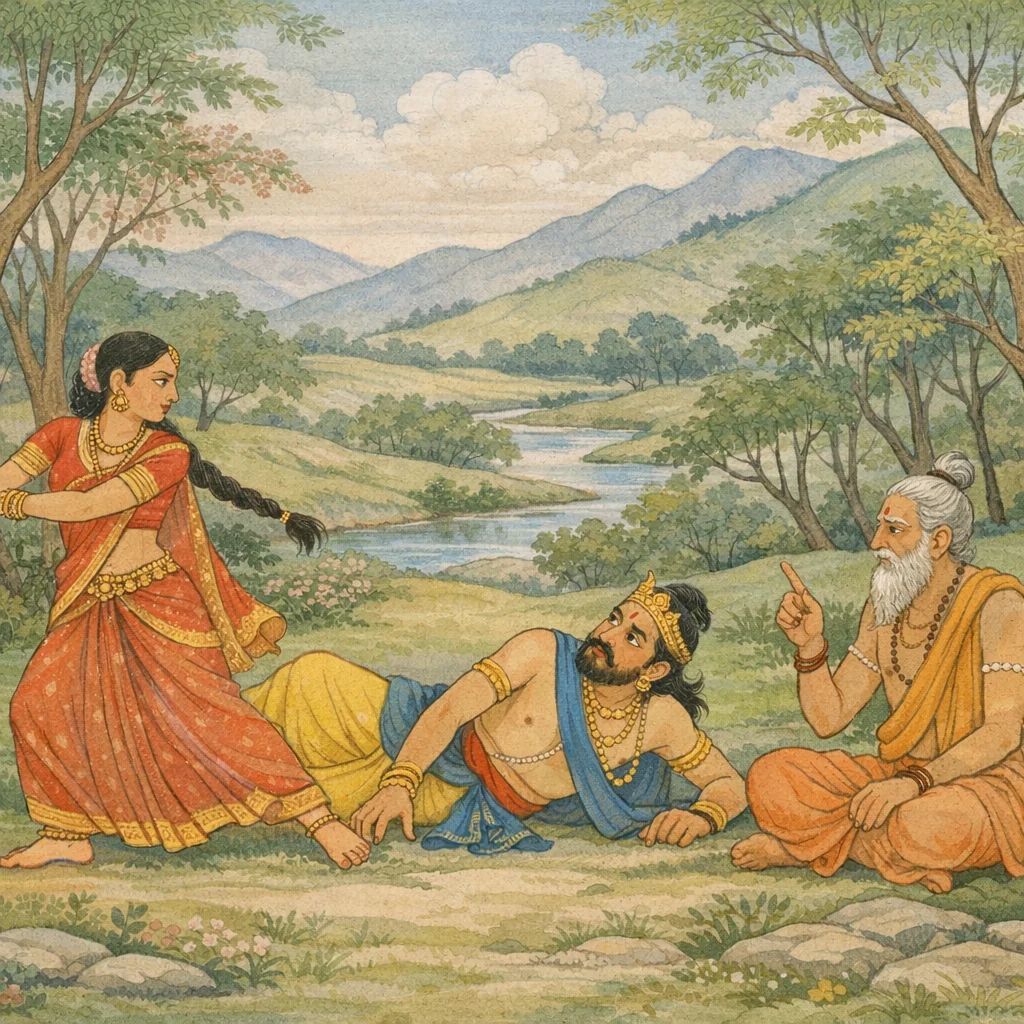
Adhyaya 269
मārkaṇḍeya-ukta yuddha-vyūha-pratyavyūhaḥ (Battle Formations and Countermeasures in the Rāmopākhyāna)
Upa-parva: Mārkaṇḍeya-samvāda / Rāmopākhyāna (embedded heroic exemplum)
Mārkaṇḍeya describes the approach of multiple groups aligned with Rāvaṇa, including concealed and nocturnal hostile beings. Vibhīṣaṇa, characterized as knowledgeable in countering concealment, neutralizes the advantage of invisibility, enabling allied forces to strike effectively. Rāvaṇa, unable to tolerate the setback, advances with support and arranges a named formation; Rāma exits to meet him and establishes a counter-formation explicitly framed as a disciplined tactical response. The chapter then enumerates paired engagements: Rāma confronts Rāvaṇa; Lakṣmaṇa confronts Indrajit; Vibhīṣaṇa and Prahasta exchange volleys; and allied leaders (including Sugrīva and others) match opponents according to perceived threat. The battle intensifies into a wide-scale collision likened to primordial deity–anti-deity conflict, culminating in the convergence of powerful weapons that is said to distress the three worlds—an epic register underscoring the magnitude of the encounter.
Chapter Arc: जयद्रथ के वचनों को सुनते ही द्रौपदी का मुख क्रोध से दहक उठता है—लाल नेत्र, तनी भौंहें, और अपमान के विरुद्ध उठती हुई वाणी। → द्रौपदी जयद्रथ को मूढ़ और पापी कहकर धिक्कारती है—वह बताती है कि सज्जन तपस्वी और विद्वानों का आदर करते हैं, पर ‘श्वनर’ समान दुष्ट जन उनका उपहास करते हैं। जयद्रथ प्रत्युत्तर में स्वीकार करता है कि पाण्डव महाबली हैं, पर फिर भी भय दिखाकर द्रौपदी को वश में करने का दुस्साहस करता है। → द्रौपदी सत्य-प्रतिज्ञा का तेज प्रकट करती है—अपने पतियों के प्रति मन से भी अतिक्रमण न करने की शपथ के बल पर वह घोषणा करती है कि पाण्डव जयद्रथ को घसीटते हुए देखेगी; उसी क्षण जयद्रथ उसे वस्त्र के ऊपरी भाग से पकड़कर खींचता है, पर द्रौपदी के प्रतिरोध से वह ‘कटी जड़ वाले वृक्ष’ की भाँति गिर पड़ता है। → धौम्य ऋषि जयद्रथ को क्षत्रिय-धर्म की मर्यादा स्मरण कराते हैं—अविजित महारथियों के रहते स्त्री-अपहरण और बल-प्रयोग अधर्म है; वे चेताते हैं कि पाण्डवों (धर्मराज के अग्रणी) के सामने पड़कर वह अपने पाप का फल अवश्य पाएगा। → धौम्य पदातियों के बीच द्रौपदी के पीछे-पीछे चल पड़ते हैं—आगामी प्रतिशोध और पाण्डवों से जयद्रथ का सामना निकट आता है।
Shlokas
Verse 1
वैशम्पायनजी कहते हैं--जनमेजय! जयद्रथकी बात सुनकर द्रौपदीका सुन्दर मुख क्रोधसे तमतमा उठा, आँखें लाल हो गयीं, भौंहें टेढी होकर तन गयीं और उसने सौवीरराज जयद्रथको फटकारकर पुनः इस प्रकार कहा--,इति श्रीमहाभारते वनपर्वणि द्रौपदीहरणपर्वणि अष्टषष्ट्यधिकद्धिशततमो< ध्याय: ।। २६८ ।। इस प्रकार श्रीमह्ा भारत वनपव्वके अन्तर्गत द्रौपदीहरणपर्वमें दो सौ अड़सठवाँ अध्याय पूरा हुआ ॥/ २६८ ॥/ ऑडआ छा () है $. खेती, व्यापार, दुर्ग, पुल बनाना, हाथी बाँधना, खानोंकी रक्षा, कर वसूलना और निर्जन प्रदेशोंको बसाना--ये आठ संधान-कर्म तथा प्रभुशक्ति, मन्त्रशक्ति, उत्साहशक्ति, प्रभुसिद्धि, मन्त्रसिद्धि, उत्साहसिद्धि, प्रभूदय, मन्त्रोदय और उत्साहोदय--ये नौ मिलाकर सत्रह गुण होते हैं। २. शौर्य, तेज, धृति, दाक्षिण्य, दान तथा ऐश्वर्य--ये छः गुण हैं। एकोनसप्तत्यथिकद्विशततमो< ध्याय: पाण्डवोंका आश्रमपर लौटना और धात्रेयिकासे ट्रोपदीहरणका वृत्तान्त जानकर जयद्रथका पीछा करना वैशम्पायन उवाच ततो दिश: सम्प्रविद्ृृत्य पार्था मृगान् वराहान् महिषांश्व हत्वा । धनुर्धरा: श्रेष्ठतमा: पृथिव्यां पृथक् चरन्त: सहिता बभूवु:
Vaiśampāyana said: Then the sons of Pṛthā, having ranged out in various directions and slain deer, boars, and buffaloes, those foremost bowmen on earth—though moving separately—came together again.
Verse 2
यशस्विनस्तीक्षणविषान् महारथा- नभिन्रुवन् मूढ न लज्जसे कथम् | महेन्द्रकल्पान् निरतान् स्वकर्मसु स्थितान् समूहेष्वपि यक्षरक्षसाम्,“अरे मूढ़! मेरे पति पाण्डव महान् यशस्वी, सदा अपने धर्मके पालनमें स्थित, यक्षों तथा राक्षसोंके समूहमें भी युद्ध करनेमें समर्थ, देवराज इन्द्रके सदृश शक्तिशाली तथा महारथी वीर हैं। उनका क्रोध तीक्ष्ण विषवाले नागोंके समान भयंकर है। उनके सम्मानके विरुद्ध ऐसी ओछी बातें कहते हुए तुझे लज्जा कैसे नहीं आती?
Vaiśampāyana said: “O fool! How can you feel no shame while uttering such contempt against those illustrious, great chariot-warriors? They are like Mahendra in might, steadfast in their own duty, and able to stand firm even amid hosts of Yakṣas and Rākṣasas. Their wrath is as dreadful as serpents charged with deadly venom; how can you speak such petty words against their honor without blushing?”
Verse 3
न किंचिदीड्यं प्रवदन्ति पाप॑ वनेचरं वा गृहमेधिनं वा । तपस्विनं सम्परिपूर्णविद्यं भषन्ति हैवं श्वनरा: सुवीर,“अच्छे लोग पूजनीय, तपस्वी तथा पूर्ण विद्वान् पुरुषके प्रति भले ही वह वनवासी हो या गृहस्थ कोई अनुचित बात नहीं कहते हैं। जयद्रथ! मनुष्योंमें जो तेरे-जैसे कुत्ते हैं, वे ही इस तरह भूँका करते हैं
Vaiśampāyana said: The wicked speak nothing worthy of praise. Whether a man dwells in the forest or keeps a household, if he is an ascetic and perfected in learning, the good do not address him with improper words. O brave one—only men who are like dogs bark in this manner, as you do.
Verse 4
अहं तु मन्ये तव नास्ति कश्रि- देतादशे क्षत्रियसंनिवेशे । यस्त्वाद्य पातालमुखे पतन्तं पाणोौ गृहीत्वा प्रतिसंहरेत,“मुझे तो ऐसा जान पड़ता है कि इस क्षत्रिय-मण्डलीमें कोई भी तेरा ऐसा हितैषी स्वजन नहीं है, जो आज तेरा हाथ पकड़कर तुझे पातालके गहरे गर्तमें गिरनेसे बचा ले। अरे! जैसे कोइ मूर्ख मनुष्य हिमालयकी उपत्यकामें विचरनेवाले पर्वतशिखरके समान ऊँचे एवं मदकी धारा बहानेवाले गजराजको हाथमें डंडा लेकर उसके यूथसे अलग हाँक लाना चाहे, उसी प्रकार तू धर्मराज युधिष्ठिरको जीतनेका हौसला रखता है
Vaiśaṃpāyana said: “I think that in this assembly of kṣatriyas there is no one who is truly your well-wisher—no kinsman who, today, would seize your hand and draw you back as you plunge toward the mouth of the netherworld. The sense is that you are rushing toward ruin, and none here is restraining you with timely counsel or protective action.”
Verse 5
नागं प्रभिन्नं गिरिकूटकल्प- मुपत्यकां हैमवरतीं चरन्तम् । दण्डीव यूथादपसे धसि त्वं यो जेतुमाशंससि धर्मराजम्,“मुझे तो ऐसा जान पड़ता है कि इस क्षत्रिय-मण्डलीमें कोई भी तेरा ऐसा हितैषी स्वजन नहीं है, जो आज तेरा हाथ पकड़कर तुझे पातालके गहरे गर्तमें गिरनेसे बचा ले। अरे! जैसे कोइ मूर्ख मनुष्य हिमालयकी उपत्यकामें विचरनेवाले पर्वतशिखरके समान ऊँचे एवं मदकी धारा बहानेवाले गजराजको हाथमें डंडा लेकर उसके यूथसे अलग हाँक लाना चाहे, उसी प्रकार तू धर्मराज युधिष्ठिरको जीतनेका हौसला रखता है
Vaiśampāyana said: “You are like a man holding only a staff, trying to drive away from its herd a rut-maddened lordly elephant—huge as a mountain peak—roaming in the Himalayan valley; so too you presume you can defeat Dharmarāja (Yudhiṣṭhira).”
Verse 6
बाल्यात् प्रसुप्तस्य महाबलस्य सिंहस्य पक्ष्माणि मुखाल्लुनासि । पदा समाहत्य पलायमान: क्रुद्धं यदा द्रक्ष्य्सि भीमसेनम्,'तू मूर्खतावश (अपनी माँदमें) सोये हुए महाबली सिंहको लात मारकर उसके मुखके बाल नोंच रहा है। जिस समय तू क्रोधमें भरे हुए भीमसेनको देखेगा, उस समय तुरंत भाग छूटेगा
Vaiśampāyana said: “Out of childish folly you are kicking at, and plucking the facial hairs of, a mighty lion while it lies asleep in its den. But when you behold Bhīmasena roused in wrath, you will flee at once.”
Verse 7
महाबल घोरतर प्रवृद्धं जातं हरिं पर्वतकन्दरेषु । प्रसुप्तमुग्रं प्रपदेन हंसि यः क्रुद्धमायोत्स्यसि जिष्णुमुग्रम्ू,“यदि तू रोषमें भरे हुए भयंकर योद्धा अर्जुनसे जूझना चाहता है, तो समझ ले कि पर्वतकी कन्दराओंमें उत्पन्न हो वहीं पलकर बढ़े हुए अत्यन्त घोर और महाबली सोये हुए भयानक सिंहको तू पैरसे ठोकर मार रहा है
Vaiśampāyana said: “If, in your anger, you wish to contend with the dreadful warrior Arjuna, know what you are doing: you are kicking with your foot a terrifying, immensely powerful lion—born and reared in mountain caves—now lying asleep. When roused in wrath, that fierce Jiṣṇu will be impossible to withstand.”
Verse 8
कृष्णोरगौ तीक्ष्णमुखौ द्विजिह्नौ मत्त: पदा55क्रामसि पुच्छदेशे । यः पाण्डवाभ्यां पुरुषोत्तमाभ्यां जघन्यजाशभ्यां प्रयुयुत्ससे त्वम्,“यदि तू पुरुषरत्न दोनों छोटे पाण्डवोंके साथ युद्ध करनेकी इच्छा रखता है तो यह मानना पड़ेगा कि मतवाला होकर तू मुखमें तीक्ष्ण विष धारण करनेवाले एवं दो जिह्लाओंसे युक्त दो काले नागोंकी पूँछको पैरसे कुचल रहा है
Vaiśampāyana said: “If you truly wish to fight those two Pāṇḍava youths—men of the highest worth—then understand what you are doing: like a man crazed with arrogance, you are stamping your foot upon the tail-end of two black serpents, sharp-mouthed and double-tongued with venom. Such provocation invites swift and deadly consequence; to challenge the righteous without measure is to court ruin by one’s own rashness.”
Verse 9
यथा च वेणु: कदली नलो वा फलन्त्यभावाय न भूतये55त्मन: । तथैव मां तै: परिरक्ष्यमाणा- मादास्यसे कर्कटकीव गर्भम्,“अरे मूर्ख! जैसे बाँस, केला और नरकुल--ये अपने विनाशके लिये ही फलते हैं, समृद्धिके लिये नहीं तथा जैसे केकड़ेकी मादा अपनी मृत्युके लिये ही गर्भ धारण करती है, उसी प्रकार तू पाण्डवोंद्वारा सदा सुरक्षित मुझ द्रौपदीका अपनी मृत्युके लिये ही अपहरण करना चाहता है”
Vaiśampāyana said: “Just as bamboo, the banana plant, and the reed bear fruit only for their own undoing, not for their flourishing, and just as a female crab carries eggs that become the cause of her death—so too, by trying to seize me, Draupadī, who am always protected by the Pāṇḍavas, you are in fact taking up your own destruction.”
Verse 10
जयद्रथ उवाच जानामि कृष्णे विदितं ममैतद् यथाविधास्ते नरदेवपुत्रा: । न त्वेवमेतेन विभीषणेन शक्या वयं त्रासयितुं त्वयाद्य,जयद्रथने कहा--कृष्णे! मैं जानता हूँ कि तुम्हारे पति राजकुमार पाण्डव कैसे हैं? मुझे ये सब बातें मालूम हैं। परंतु इस समय इस विभीषिकाद्वारा तुम हमें डरा नहीं सकती
Jayadratha said: “O Kṛṣṇā, I know this well; it is already known to me what sort of princes those sons of the king are. Yet today you cannot frighten us by such a threat or terror.”
Verse 11
वयं पुन: सप्तदशेषु कृष्णे कुलेषु सर्वेडनवमेषु जाता: । षड्भ्यो गुणेभ्यो5भ्यधिका विहीनान् मन्यामहे द्रौपदि पाण्डुपुत्रान्,ट्रपदकुमारी कृष्णे! हम सब लोग जन श्रेष्ठ कुलोंमें उत्पन्न हुए हैं, जो सत्रह* गुणोंसे सम्पन्न हैं। इसके सिवा हम छः गुणोंको पाकर पाण्डवोंसे बढ़े-चढ़े हैं; अतः उन्हें अपनेसे हीन मानते हैं
Jayadratha said: “O Kṛṣṇā (Draupadī)! We are all born in noble lineages, counted among the seventeen (esteemed) clans. Moreover, possessing six additional excellences, we consider the sons of Pāṇḍu inferior to ourselves.”
Verse 12
सा क्षिप्रमातिष्ठ गजं रथं वा न वाक्यमात्रेण वयं हि शक््या: । आशंस वा त्वं कृपणं वदन्ती सौवीरराजस्य पुन: प्रसादम्,कृष्णे! तुम बड़ी-बड़ी बातें बनाकर हमें रोक नहीं सकती। अब तुम्हारे सामने दो ही मार्ग हैं--या तो सीधी तरहसे तुरंत चलकर मेरे हाथी या रथपर सवार हो जाओ; अथवा पाण्डवोंके हार जानेपर दीन वाणीमें विलाप करती हुई सौवीरराज जयद्रथसे कृपाकी भीख माँगो
Jayadratha said: “Mount at once—either my elephant or my chariot. We are not to be restrained by mere words. Otherwise, O Kṛṣṇā, when the Pāṇḍavas are defeated, you may beg again for the favor of the king of Sauvīra, speaking in a wretched, pleading voice.”
Verse 13
द्रौपहुुवाच महाबला किंच्विह दुर्बलेव सौवीरराजस्य मताहमस्मि । नाहं प्रमाथादिह सम्प्रतीता सौवीरराजं कृपणं वदेयम्,द्रौोपदीने कहा--मैं महान् बल एवं शक्तिसे सम्पन्न हूँ, तो भी सौवीरराज जयद्रथकी दृष्टिमें यहाँ दुर्बल-सी प्रतीत हो रही हूँ। मुझे भगवानपर विश्वास है, मैं जोर-जबर्दस्ती करनेसे यहाँ जयद्रथके सामने कभी दीन वचन नहीं बोल सकती
Jayadratha said: “Draupadī said: ‘Though I am of great strength, here I seem—at least in the eyes of the king of Sauvīra—to be as if weak. I have not come to this pass through any wrongdoing; therefore I will not, even under coercion, address the king of Sauvīra with pitiable, self-abasing words.’”
Verse 14
यस्या हि कृष्णौ पदवीं चरेतां समास्थितावेकरथे समेतौ । इन्द्रोडपि तां नापहरेत् कथंचि- न्मनुष्यमात्र: कृपण: कुतोडन्य:,एक रथपर बैठे हुए भगवान् श्रीकृष्ण और अर्जुन साथ होकर जिसकी खोजमें निकलेंगे, उस द्रौपदीको देवराज इन्द्र भी किसी तरह हरकर नहीं ले जा सकते। फिर दूसरे किसी दीन-हीन मनुष्यकी तो बिसात ही क्या है?
Jayadratha said: “If the two Kṛṣṇas—Kṛṣṇa and Arjuna—set out together on her trail, standing united upon a single chariot, then even Indra could not carry Draupadī off by any means. How, then, could any other mere human—wretched and powerless—hope to do so?”
Verse 15
यदा किरीटी परवीरघाती निध्नन् रथस्थो द्विषतां मनांसि | मदन्तरे त्वद्ध्वजिनीं प्रवेष्टा कक्ष दहन्नग्निरिवोष्णगेषु,जब शशत्रुवीरोंका संहार करनेवाले किरीटधारी अर्जुन शत्रुओंके मनोबलको नष्ट करते हुए मेरे लिये रथमें स्थित हो तेरी सेनामें प्रवेश करेंगे, उस समय जैसे गर्मियोंमें आग घास- फ़ूसको जलाती है, उसी प्रकार तुझे और तेरी सेनाको भस्म कर डालेंगे
Jayadratha said: “When Arjuna, the diademed hero-slayer, standing in his chariot and crushing the courage of the hostile ranks, enters your army for my sake, then he will burn you and your forces to ashes—just as fire in the heat of summer consumes dry grass and brushwood.”
Verse 16
जनार्दन: सान्धकवृष्णिवीरो महेष्वासा: केकयाश्नापि सर्वे | एते हि सर्वे मम राजपुत्रा: प्रह्ृष्टरूपा: पदवीं चरेयु:,अन्धक और वृष्णिवंशी वीरोंके साथ भगवान् श्रीकृष्ण तथा महान् धनुर्धर समस्त केकयराजकुमार मेरे रक्षक हैं। ये सभी राजपुत्र हर्ष और उत्साहमें भरकर मेरा पता लगानेके लिये निकल पड़ेंगे
Jayadratha said: “Janārdana (Kṛṣṇa), together with the heroic Andhakas and Vṛṣṇis, and all the Kekaya princes—mighty archers every one—are my protectors. All these royal sons, filled with joy and ardor, will set out to track my path and find me.”
Verse 17
मौर्वीविसृष्टा: स्तनयित्नुघोषा गाण्डीवमुक्तास्त्वतिवेगवन्त: । हस्तं समाहत्य धनंजयस्य भीमा: शब्दं घोरतरं नदन्ति,अर्जुनके गाण्डीव धनुषकी प्रत्यज्चासे छूटे हुए अत्यन्त वेगशाली बाण मेघोंके समान गर्जना करते हैं। वे भयानक बाण अर्जुनके हाथसे टकराकर अत्यन्त घोर शब्दकी सृष्टि करते हैं
Jayadratha said: “Released from the bowstring, roaring like thunderclouds, the arrows shot from Gāṇḍīva fly with tremendous speed. Striking against Dhanañjaya’s hand, those fearsome shafts raise an even more dreadful sound.”
Verse 18
गाण्डीवमुक्तांश्न महाशरौघान् पतंगसड्घानिव शीघ्रवेगान् | यदा द्रष्टास्यर्जुनं वीर्यशालिनं तदा स्वबुद्धि प्रतिनिन्दितासि,जब तू गाण्डीव धनुषसे छूटे हुए विशाल बाण-समूहोंको टिड्डियोंकी भाँति वेगसे उड़ते देखेगा और जब अदभुत पराक्रमसे शोभा पानेवाले वीर अर्जुनपर तेरी दृष्टि पड़ेगी, उस समय अपने इस कुकृत्यको याद करके तू स्वयं ही अपनी बुद्धिको धिक्कारेगा
When you behold the great torrents of arrows released from the Gāṇḍīva—swift as swarms of locusts in flight—and when your eyes fall upon Arjuna, radiant with extraordinary valor, then, remembering this wrongful deed of yours, you will condemn your own judgment.
Verse 19
सशड्खघोष: सतलत्रघोषो गाण्डीवधन्वा मुहुरुद्वहंश्व । यदा शरानर्पयिता तवोरसि तदा मनस्ते किमिवाभविष्यत्,जब गाण्डीव धनुष धारण करनेवाले अर्जुन शंख-ध्वनिके साथ दस्तानेकी आवाज फैलाते हुए बार-बार बाण उठा-उठाकर तेरी छातीपर चोट करेंगे, उस समय तेरे मनकी दशा कैसी होगी? (इसे भी सोच ले)
Jayadratha said: “When Arjuna, bearer of the Gāṇḍīva, advancing with the blare of his conch and the clatter of his gear, repeatedly lifts and looses his arrows and plants them upon your chest—what, then, will your mind become? Consider that as well.”
Verse 20
गदाहस्तं भीममभिद्रवन्तं माद्रीपुत्रौ सम्पतन्तौ दिशश्व । अमर्षजं क्रोधविषं वमन्तौ दृष्टवा चिरं तापमुपैष्यसेड्धम,अरे नीच! जब भीमसेन हाथमें गदा लिये दौड़ेंगे और माद्रीनन्दन नकुल-सहदेव अमर्षजनित क्रोधरूपी विष उगलते हुए (तेरी सेनापर) सब दिशाओंसे टूट पड़ेंगे, तब उन्हें देखकर तू दीर्घकालतक संतापकी आगमें जलता रहेगा
Jayadratha said: “When Bhima, mace in hand, comes charging, and the two sons of Madri—Nakula and Sahadeva—fall upon you from every direction, spewing forth the poison of wrath born of wounded pride, then at the very sight of them you will be consumed for a long time in the fire of anguish.”
Verse 21
यथा वाहं नातिचरे कथंचित् पतीन् महाहान् मनसापि जातु | तेनाद्य सत्येन वशीकृतं त्वां द्रष्टास्मि पार्थ: परिकृष्पममाणम्,यदि मैंने कभी मनसे भी अपने परम पूजनीय पतियोंका किसी तरह उल्लंघन नहीं किया हो तो आज इस सत्यके प्रभावसे मैं देखूँगी कि पाण्डव तुझे जीतकर अपने वशमें करके जमीनपर घसीट रहे हैं
Jayadratha said: “If I have never, in any way—nor even in my mind—transgressed my greatly fortunate and venerable husbands, then by the power of that truth today I shall behold you: the son of Pṛthā (a Pāṇḍava) having subdued you, dragging you along under his control.”
Verse 22
न सम्शभ्रमं गन्तुमहं हि शक्ष्ये त्वया नृशंसेन विकृष्यमाणा । समागताहं हि कुरुप्रवीरै: पुनर्वनं काम्यकमागतास्मि,मैं जानती हूँ कि तू नृशंस है, अतः मुझे बलपूर्वक खींचकर ले जायगा। परंतु इससे मैं सम्भ्रम (घबराहट)-में नहीं पड़ सकूँगी। मैं अपने पति कुरुवंशी वीर पाण्डवोंसे शीघ्र ही मिलूँगी और उनके साथ पुन: इसी काम्यकवनमें आकर रहूँगी
Even if you, cruel man, drag me away by force, I will not be driven into panic. For I shall soon meet the heroic Kurus—my husband and the Pāṇḍava warriors—and then I will return again to dwell in this Kāmyaka forest.
Verse 23
वैशम्पायन उवाच सा ताननुप्रेक्ष्य विशालनेत्रा जिघृक्षमाणानवभर्त्सयन्ती । प्रोवाच मा मा स्पृशतेति भीता धौम्यं प्रचुक्रोश पुरोहितं सा,वैशम्पायनजी कहते हैं-जनमेजय! उस समय जयद्रथके साथी आश्रममें प्रविष्ट होकर द्रौपदीको पकड़ लेना चाहते थे। यह देख विशाल नेत्रोंवाली द्रौपदी उन्हें डाँटकर बोली--'“खबरदार, कोई मेरे शरीरका स्पर्श न करे।” फिर भयभीत होकर उसने अपने पुरोहित धौम्य मुनिको पुकारा
Vaiśampāyana said: Seeing those men who were trying to seize her, the large-eyed lady rebuked them and, frightened, cried out, “Do not—do not touch me!” Then she called aloud for her family priest, the sage Dhaumya.
Verse 24
जग्राह तामुत्तरवस्त्रदेशे जयद्रथस्तं समवाक्षिपत् सा | तया समाक्षिप्ततनु: स पाप: पपात शाखीव निकृत्तमूल:
Vaiśampāyana said: Jayadratha seized her by the upper edge of her garment; she, in turn, struck him down. With his body thus knocked aside, that sinful man fell like a tree whose roots have been cut.
Verse 25
इतनेमें ही जयद्रथने आगे बढ़कर द्रौपदीकी ओढ़नीका छोर पकड़ लिया, परंतु द्रौपदीने उसे जोरका धक्का दिया। उसका धक्का लगते ही पापी जयद्रथका शरीर जड़से कटे हुए वृक्षकी भाँति पृथ्वीपर गिर पड़ा ।। प्रगृहमामाणा तु महाजवेन मुहुर्विनि:श्वस्य च राजपुत्री । सा कृष्यमाणा रथमारुरोह धौम्यस्य पादावभिवाद्य कृष्णा,फिर बड़े वेगसे उठकर उसने राजकुमारी द्रौपदीको पकड़ लिया। तब बार-बार लंबी साँसें छोड़ती हुई द्रौपदीने धौम्यमुनिके चरणोंमें प्रणाम किया, किंतु वह जयद्रथके द्वारा खींची जानेके कारण बाध्य होकर उसके रथपर बैठ गयी
Just then Jayadratha rushed forward and seized the end of Draupadī’s veil. Draupadī struck him back with a powerful shove; at that blow the sinful Jayadratha fell to the ground like a tree cut at the root. Then the princess was seized again and dragged with great force; she repeatedly heaved deep breaths. Kṛṣṇā (Draupadī), after bowing at the feet of the sage Dhaumya, was compelled—being pulled along—to mount Jayadratha’s chariot.
Verse 26
धौग्य उवाच नेयं शक्या त्वया नेतुमविजित्य महारथान् । धर्म क्षत्रस्य पौराणमवेक्षस्व जयद्रथ,तब धौम्यने कहा--जयद्रथ! तू क्षत्रियोंके प्राचीन धर्मपर दृष्टिपात कर। महारथी पाण्डवोंको परास्त किये बिना इसे ले जानेका तुझे कोई अधिकार नहीं है
Dhaumya said: “You cannot carry her away unless you first defeat the great chariot-warriors. O Jayadratha, look to the ancient dharma of the kṣatriya: without overcoming the Pāṇḍavas in battle, you have no rightful claim to take her.”
Verse 27
क्षुद्रे कृत्वा फल पापं त्वं प्राप्स्पसि न संशय: । आसाटद्य पाण्डवान् वीरान् धर्मराजपुरोगमान्,तू धर्मराज आदि वीर पाण्डवोंके सामने पड़नेपर इस खोटे कर्मका बुरा फल प्राप्त करेगा, इसमें संशय नहीं है
“Having committed this base and sinful act, you will surely reap its evil consequence—there is no doubt. Go and confront the heroic Pāṇḍavas, led in front by King Dharma (Yudhiṣṭhira); when you come before them, the bitter fruit of this crooked deed will inevitably fall upon you.”
Verse 28
वैशम्पायन उवाच इत्युक्त्वा द्वियमाणां तां राजपुत्रीं यशस्विनीम् । अन्वगच्छत् तदा धौम्य: पदातिगणमध्यग:,वैशम्पायनजी कहते हैं--जनमेजय! ऐसा कहकर धौम्य मुनि हरकर ले जायी जाती हुई यशस्विनी राजकुमारी द्रौपदीके पीछे-पीछे पैदल सेनाके बीचमें होकर चलने लगे
Vaiśampāyana said: “Having spoken thus, the sage Dhaumya then followed behind Draupadī, that illustrious princess, as she was being led away, walking on foot through the midst of the infantry.”
Frequently Asked Questions
The dilemma is how to respond to concealed/irregular threats without abandoning regulated conduct: the narrative resolves it through a specialized countermeasure (removing concealment) followed by disciplined formation-based engagement rather than uncontrolled retaliation.
Order is a moral technology: leadership is shown as the capacity to translate danger into structured response—matching force with method, and maintaining collective protection through coordination rather than impulsive aggression.
No explicit phalaśruti appears in the provided verses; the meta-function is implicit—this episode serves as an exemplum within Mārkaṇḍeya’s narration, amplifying themes of disciplined leadership and the ethical management of conflict.