Adhyaya 181
Ādi Parva, Adhyāya 181 — Svayaṃvara Aftermath: Arjuna–Karna Exchange and Bhīma–Śalya Contest
Upa-parva: Svayaṃvara (Pāñcālī-varaṇa) Episode — Disguised Pāṇḍavas and the Contest Aftermath
Vaiśaṃpāyana narrates a volatile post-contest scene in which brāhmaṇas and kings exchange sharp assessments and threats. Arjuna, maintaining a brāhmaṇa guise, instructs the brāhmaṇas to stand aside as observers and declares his intent to restrain the enraged kṣatriyas with rapid volleys of arrows. Arjuna and Bhīma then confront the challengers: Karṇa advances toward Arjuna in a direct contest, while Śalya engages Bhīma in close combat. Arjuna checks Karṇa with precise archery; Karṇa, impressed, questions whether Arjuna is in fact a transcendent master (dhanurveda personified, Rāma, or even divine). Arjuna replies that he is a brāhmaṇa trained in the Brahma and Indra-derived weapons under a guru’s command, and stands ready to win. Karṇa withdraws, judging the Brahma-tejas difficult to overcome. Meanwhile Bhīma overpowers and throws Śalya; notably, Bhīma does not strike further when Śalya falls, an act marked as ‘āścarya’ (remarkable restraint). The assembled kings, uncertain and alarmed, request investigation into the brāhmaṇas’ origins and propose disengagement. Kṛṣṇa intervenes diplomatically, persuading the kings to withdraw by affirming dharma-based acquisition. The crowd disperses, discussing that the arena has been ‘protected by brāhmaṇas,’ while the Pāṇḍavas, still concealed, depart with Kṛṣṇā (Draupadī). The chapter closes with Kuntī’s anxious reflections during their absence and a note of Arjuna’s return amid brāhmaṇas.
Chapter Arc: मित्र के प्रश्न से कथा का द्वार खुलता है—परम-धर्मज्ञ महर्षि वसिष्ठ ने ‘अगम्यागमन’ जैसा अधर्म क्यों किया? यह संशय श्रोता के मन में भी काँटा बनकर चुभता है। → भूख से व्याकुल कल्माषपाद (राजर्षि) निर्जन वन में भक्ष्य खोजते हुए एक ब्राह्मण-दंपति को देखता है। वे दंपति एकांत में, ऋतुकाल/संतान-इच्छा के प्रसंग में साथ हैं; भय और असहायता बढ़ती जाती है, पर राजा की क्षुधा और क्रूरता विवेक पर भारी पड़ती है। → ब्राह्मणी करुण विलाप कर राजा से पति को छोड़ देने की याचना करती है, किंतु राजा ब्राह्मण को भक्षण कर लेता है। उसी क्षण ब्राह्मणी क्रोध से कल्माषपाद को शाप देती है—यह शाप राजा के जीवन और वंश-धर्म दोनों पर अंधकार डाल देता है। → राजा शाप को बार-बार स्मरण कर तीव्र पश्चात्ताप करता है; शाप-दोष से ग्रस्त होकर वह वसिष्ठ को ‘नियोग’ के लिए नियुक्त/प्रार्थित करता है—यही वह कारण बनता है जिससे वसिष्ठ को असाधारण, विवादास्पद धर्म-मार्ग अपनाना पड़ता है। → श्रोता के संशय का उत्तर दिशा पकड़ता है, पर प्रश्न शेष रहता है—क्या शाप-पीड़ित राजा के लिए वसिष्ठ का उपाय धर्म है या धर्म की सीमा पर खड़ा विवश निर्णय?
Shlokas
Verse 1
इस प्रकार श्रीमहाभारत आदिपरव्वके अन्तर्गत चैत्ररथपर्वमें औवॉपाख्यानविषयक एक सौ अस्सीवाँ अध्याय पूरा हुआ ॥/ १८० ॥। ऑपनआक्रात [छ। अंक एकाशीरत्याधिकशततमो< ध्याय: राजा कल्माषपादको ब्राह्मणी आंगिरसीका शाप अजुन उवाच राज्ञा कल्माषपादेन गुरी ब्रह्मविदां वरे । कारणं कि पुरस्कृत्य भार्या वै संनियोजिता,अर्जुनने पूछा--गन्धर्वराज! किस कारणको सामने रखकर राजा कल्माषपादने ब्रह्मवेत्ताओंमें श्रेष्ठ गुरु वसिष्ठजीके साथ अपनी पत्नीका नियोग कराया था?
Arjuna said: “O king of the Gandharvas, for what reason did King Kalmāṣapāda arrange for his wife to be appointed (for procreation) with the guru Vasiṣṭha, the foremost among knowers of Brahman?”
Verse 2
जानता वै परं धर्म वसिष्ठेन महात्मना । अगम्यागमनं कस्मात् कृतं तेन महर्षिणा,तथा उत्तम धर्मके ज्ञाता महात्मा महर्षि वसिष्ठने यह परस्त्रीगमनका पाप कैसे किया?
Arjuna said: “Vasiṣṭha, that great-souled sage, truly knew the highest dharma. Why, then, did that maharṣi commit the act of approaching what should not be approached—an unlawful sexual transgression? How could one who understands the supreme law fall into such a sin?”
Verse 3
अधर्मिष्ठं वसिछेन कृतं चापि पुरा सखे । एतन्मे संशयं सर्व छेत्तुमहसि पृच्छत:,सखे! पूर्वकालमें महर्षि वसिष्ठने जो यह अधर्म-कार्य किया, उसका क्या कारण है? यह मेरा संशय है, जिसे मैं पूछता हूँ। आप मेरे इन सारे संशयोंका निवारण कीजिये
Arjuna said: “O friend, in former times the sage Vasiṣṭha is said to have done an act that appears most contrary to dharma. I am troubled by this doubt. Since I ask you, you should dispel it completely, O friend.”
Verse 4
गन्धर्व उवाच धनंजय निबोधेदं यन्मां त्वं परिपृच्छसि । वसिष्ठ प्रति दुर्धर्ष तथा मित्रसहं नृपम्,गन्धर्वने कहा--दुर्धर्ष वीर धनंजय! आप महर्षि वसिष्ठ तथा राजा मित्रसहके विषयमें जो कुछ मुझसे पूछ रहे हैं, उसका समाधान सुनिये
The Gandharva said: “O Dhanañjaya, listen carefully to this. O unconquerable hero, I shall answer what you are asking me—concerning the sage Vasiṣṭha and also King Mitrasaha.”
Verse 5
कथितं ते मया सर्व यथा शप्तः स पार्थिव: । शक्तिना भरतश्रेष्ठ वासिछ्लेन महात्मना,भरतश्रेष्ठ! वसिष्ठपुत्र महात्मा शक्तिसे राजा कल्माषपादको जिस प्रकार शाप प्राप्त हुआ, वह सब प्रसंग मैं आपसे कह चुका हूँ
The Gandharva said: “I have already told you everything—how that king came to be cursed by the great-souled Vasiṣṭha, O best of the Bharatas, through his son Śakti.”
Verse 6
स तु शापवशं प्राप्त: क्रोधपर्याकुलेक्षण: । निर्जगाम पुराद् राजा सहदार: परंतप:,शत्रुओंको संताप देनेवाले राजा कल्माषपाद शापके परवश हो अपनी पत्नीके साथ नगरसे बाहर निकल गये। उस समय उनकी आँखें क्रोधसे व्याप्त हो रही थीं
But the king, having fallen under the power of a curse, his eyes clouded and agitated with anger, went out from the city together with his wife. The verse underscores how a curse and unchecked wrath can drive a ruler away from ordered civic life into a state of moral and emotional disturbance.
Verse 7
अरण्यं निर्जनं गत्वा सदार: परिचक्रमे । नानामृगगणाकीर्ण नानासत्त्वसमाकुलम्,अपनी स्त्रीके साथ निर्जन वनमें जाकर वे चारों ओर चक्कर लगाने लगे। वह महान् वन भाँति-भाँतिके मृगोंसे भरा हुआ था। उसमें नाना प्रकारके जीव-जन्तु निवास करते थे
Having gone to a lonely wilderness together with his wife, he began to wander about on all sides. That great forest was crowded with herds of many kinds of deer and was teeming with diverse living creatures—setting the scene for an encounter in a liminal space where desire, restraint, and right conduct will be tested.
Verse 8
नानागुल्मलताच्छन्न॑ नानाद्रुमसमावृतम् | अरण्यं घोरसंनादं शापग्रस्त: परिभ्रमन्,अनेक प्रकारकी लताओं तथा गुल्मोंसे आच्छादित और विविध प्रकारके वृक्षोंसे आवृत वह (गहन) वन भयंकर शब्दोंसे गूँजता रहता था। शापग्रस्त राजा कल्माषपाद उसीमें भ्रमण करने लगे
The forest was overgrown—covered with many kinds of shrubs and creepers and enclosed by diverse trees—and it resounded with dreadful sounds. There, the king Kalmāṣapāda, afflicted by a curse, wandered about. The scene underscores how a curse (born of adharma or a lapse) drives a ruler from ordered kingship into fearful, lawless wilderness, turning royal power into suffering and aimless roaming.
Verse 9
स कदाचित क्षुधाविष्टो मृगयन् भक्ष्यमात्मन: । ददर्श सुपरिक्लिष्ट: कम्मिंश्रिन्निर्जने वने,एक दिन भूखसे व्याकुल हो वे अपने लिये भोजनकी तलाश करने लगे। बहुत क्लेश उठानेके बाद उन्होंने देखा कि उस वनके किसी निर्जन प्रदेशमें एक ब्राह्मण और ब्राह्मणी मैथुनके लिये एकत्र हुए हैं। वे दोनों अभी अपनी इच्छा पूर्ण नहीं कर पाये थे, इतनेहीमें उन राक्षसाविष्ट कल्माषपादको देखकर अत्यन्त भयभीत हो (वहाँसे) भाग चले
Once, tormented by hunger, he went in search of food for himself. After suffering greatly, he saw in a lonely part of the forest a Brahmin and a Brahmin woman who had come together for sexual union. Before their desire could be fulfilled, they caught sight of the man possessed by the rākṣasa-nature (Kalmāṣapāda) and, seized with fear, fled from that place.
Verse 10
ब्राह्मणं ब्राह्मणीं चैव मिथुनायोपसंगतौ । तौतं वीक्ष्य सुवित्रस्तावकृतार्थोी प्रधावितो,एक दिन भूखसे व्याकुल हो वे अपने लिये भोजनकी तलाश करने लगे। बहुत क्लेश उठानेके बाद उन्होंने देखा कि उस वनके किसी निर्जन प्रदेशमें एक ब्राह्मण और ब्राह्मणी मैथुनके लिये एकत्र हुए हैं। वे दोनों अभी अपनी इच्छा पूर्ण नहीं कर पाये थे, इतनेहीमें उन राक्षसाविष्ट कल्माषपादको देखकर अत्यन्त भयभीत हो (वहाँसे) भाग चले
“A Brahmin and a Brahmin woman had come together for sexual union. Seeing him, the two—terrified—fled at once, their desire still unfulfilled.”
Verse 11
तयो: प्रद्रवतोर्विप्रं जग्राह नृपतिर्बलात् | दृष्टवा गृहीतं भर्तारमथ ब्राह्म॒ण्यभाषत,उन भागते हुए दम्पतिमेंसे ब्राह्मणको राजाने बलपूर्वक पकड़ लिया। पतिको राक्षसके हाथमें पड़ा देख ब्राह्मणी बोली--
As the two fled, the king seized the Brahmin by force. Seeing her husband caught in the grasp of the (Gandharva-like) captor, the Brahmin woman spoke—setting the stage for an appeal grounded in dharma, protection of the innocent, and the limits of royal power.
Verse 12
शृणु राजन् मम वचो यत् त्वां वक्ष्यामि सुव्रत । आदित्यवंशप्रभवस्त्वं हि लोके परिश्रुत:,“राजन! मैं आपसे जो बात कहती हूँ, उसे सुनिये। उत्तम व्रतका पालन करनेवाले नरेश! आपका जन्म सूर्यवंशमें हुआ है। आप सम्पूर्ण जगत्में विख्यात हैं
“Listen, O king, to my words—what I am about to tell you. O ruler of excellent vows and self-restraint, you are born of the Solar dynasty and are renowned throughout the world.”
Verse 13
अप्रमत्त: स्थितो धर्मे गुरुशुश्रूषणे रत: । शापोपहत दुर्धर्ष न पापं कर्तुमहसि,“आप रुदा प्रमादशून्य होकर धर्ममें स्थित रहनेवाले हैं। गुरुजनोंकी सेवामें सदा संलग्न रहते हैं। दुर्धर्ष वीर! यद्यपि आप इस समय शापसे ग्रस्त हैं, तो भी आपको पापकर्म नहीं करना चाहिये
Verse 14
ऋतुकाले तु सम्प्राप्ते भर्तृव्यसनकर्शिता । अकृतार्था हाहं भर्त्रा प्रसवार्थ समागता
“But when the proper season arrived, I—worn down by the calamity that had befallen my husband—came to my husband seeking the begetting of a child; yet I remained unfulfilled. Alas!”
Verse 15
एवं विक्रोशमानायास्तस्यास्तु स नृशंसवत्,इस प्रकार ब्राह्मगी करुण विलाप करती हुई याचना कर रही थी, तो भी जैसे व्याप्र मनचाहे मृगको मारकर खा जाता है, उसी प्रकार राजाने अत्यन्त निर्दयीकी भाँति ब्राह्यणीके पतिको खा लिया। उस समय क्रोधसे पीड़ित हुई ब्राह्मणीके नेत्रोंसे धरतीपर आँसुओंकी जो बूँदें गिरी, वे सब प्रज्वलित अग्नि बन गयीं। उस अग्निने उस स्थानको जलाकर भस्म कर दिया। तदनन्तर पतिके वियोगसे व्यथित एवं शोकसंतप्त ब्राह्मणीने रोषमें भरकर राजर्षि कल्माषपादको शाप दिया--'ओ नीच! मेरी पतिविषयक कामना अभी पूर्ण नहीं हो पायी थी, तभी तूने अत्यन्त क्रूरकी भाँति मेरे देखते-देखते आज मेरे महायशस्वी प्रियतम पतिको अपना ग्रास बना लिया है; अतः दुर्बुद्धे! तू भी मेरे शापसे पीड़ित हुआ ऋतुकालमें पत्नीके साथ समागम करते ही तत्काल प्राण त्याग देगा। जिन महर्षि वसिष्ठके पुत्रोंका तुमने संहार किया है, उन्हींसे समागम करके तेरी पत्नी पुत्र पैदा करेगी। नृूपाधम! वही पुत्र तेरा वंश चलानेवाला होगा”
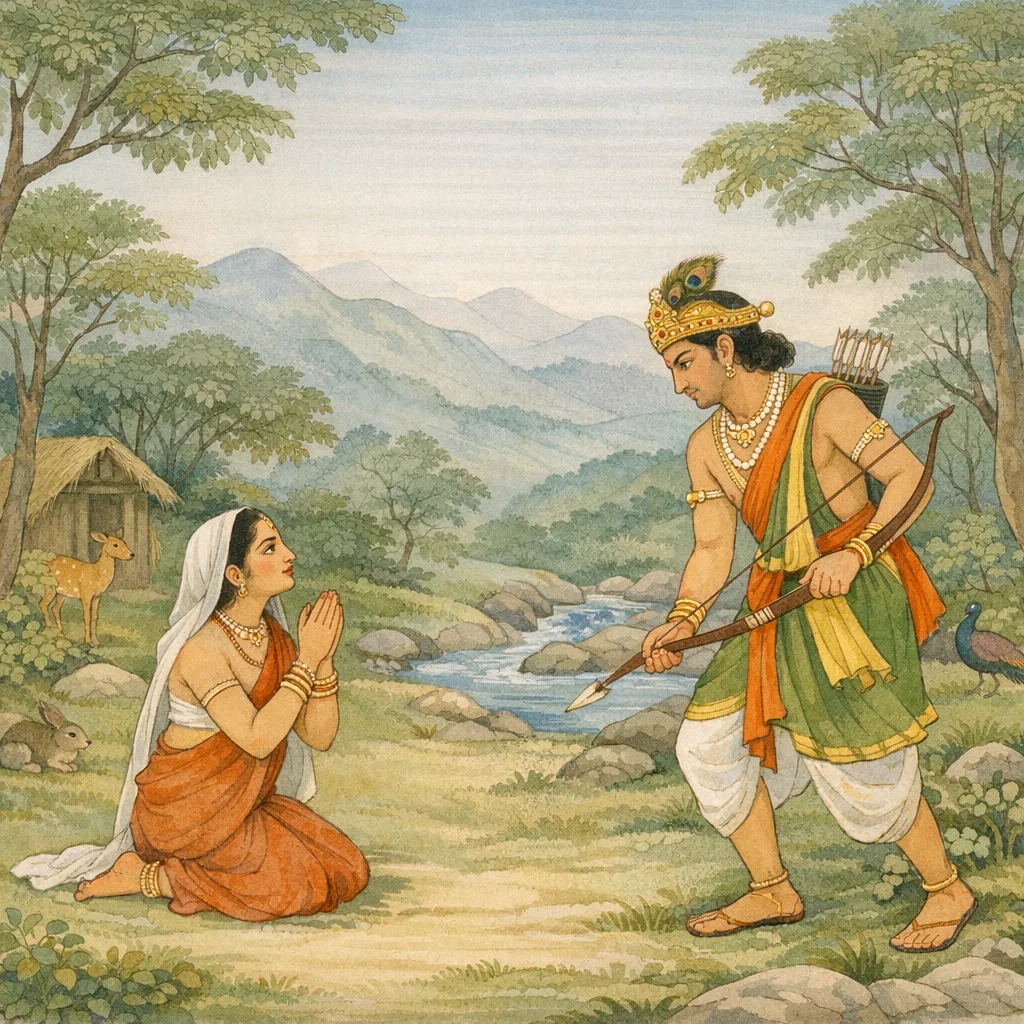
Even as the brahmin woman cried out and pleaded, the king—acting with ruthless cruelty—devoured her husband, like a tiger killing and eating a desired deer. Then, tormented by anger, the tears that fell from the brahmin woman’s eyes onto the earth turned into blazing fire; that fire burned the spot to ashes. Thereafter, afflicted by separation from her husband and scorched by grief, she, filled with wrath, pronounced a curse upon the royal sage Kalmāṣapāda: “Wretch! My desire concerning my husband had not yet been fulfilled, and yet you, like a savage, have before my very eyes made my illustrious beloved husband your prey. Therefore, fool—struck by my curse—you shall die the very moment you unite with your wife during her fertile season. And the wife you have will conceive a son through union with those very sons of the great seer Vasiṣṭha whom you have slain. O basest of kings, that son alone will carry on your lineage.”
Verse 16
भर्तरें भक्षयामास व्याप्रो मृगमिवेप्सितम् । तस्या: क्रोधाभिभूताया यान्यश्रूण्यपतन् भुवि,इस प्रकार ब्राह्मगी करुण विलाप करती हुई याचना कर रही थी, तो भी जैसे व्याप्र मनचाहे मृगको मारकर खा जाता है, उसी प्रकार राजाने अत्यन्त निर्दयीकी भाँति ब्राह्यणीके पतिको खा लिया। उस समय क्रोधसे पीड़ित हुई ब्राह्मणीके नेत्रोंसे धरतीपर आँसुओंकी जो बूँदें गिरी, वे सब प्रज्वलित अग्नि बन गयीं। उस अग्निने उस स्थानको जलाकर भस्म कर दिया। तदनन्तर पतिके वियोगसे व्यथित एवं शोकसंतप्त ब्राह्मणीने रोषमें भरकर राजर्षि कल्माषपादको शाप दिया--'ओ नीच! मेरी पतिविषयक कामना अभी पूर्ण नहीं हो पायी थी, तभी तूने अत्यन्त क्रूरकी भाँति मेरे देखते-देखते आज मेरे महायशस्वी प्रियतम पतिको अपना ग्रास बना लिया है; अतः दुर्बुद्धे! तू भी मेरे शापसे पीड़ित हुआ ऋतुकालमें पत्नीके साथ समागम करते ही तत्काल प्राण त्याग देगा। जिन महर्षि वसिष्ठके पुत्रोंका तुमने संहार किया है, उन्हींसे समागम करके तेरी पत्नी पुत्र पैदा करेगी। नृूपाधम! वही पुत्र तेरा वंश चलानेवाला होगा”
The Gandharva said: Like a tiger that seizes and devours a desired deer, the king devoured the Brahmin woman’s husband. Overwhelmed by rage, the tears that fell from her eyes onto the earth blazed into fire, burning that place to ashes. Then, tormented by separation and grief, she pronounced a curse upon the royal sage Kalmāṣapāda: because he had cruelly consumed her husband before her longing for marital union was fulfilled, he would die the very moment he approached his wife in her fertile season; and his wife would bear a son through union with the very line of Vasiṣṭha whose offspring he had destroyed—thus that son would continue his lineage. The episode frames the ethical collapse caused by violence and uncontrolled appetite, and the fearful moral force attributed to a wronged, truth-speaking ascetic woman.
Verse 17
सोडग्नि: समभवद् दीप्तस्तं च देशं व्यदीपयत् । ततः सा शोकसंतप्ता भर्तृव्यसनकर्शिता,इस प्रकार ब्राह्मगी करुण विलाप करती हुई याचना कर रही थी, तो भी जैसे व्याप्र मनचाहे मृगको मारकर खा जाता है, उसी प्रकार राजाने अत्यन्त निर्दयीकी भाँति ब्राह्यणीके पतिको खा लिया। उस समय क्रोधसे पीड़ित हुई ब्राह्मणीके नेत्रोंसे धरतीपर आँसुओंकी जो बूँदें गिरी, वे सब प्रज्वलित अग्नि बन गयीं। उस अग्निने उस स्थानको जलाकर भस्म कर दिया। तदनन्तर पतिके वियोगसे व्यथित एवं शोकसंतप्त ब्राह्मणीने रोषमें भरकर राजर्षि कल्माषपादको शाप दिया--'ओ नीच! मेरी पतिविषयक कामना अभी पूर्ण नहीं हो पायी थी, तभी तूने अत्यन्त क्रूरकी भाँति मेरे देखते-देखते आज मेरे महायशस्वी प्रियतम पतिको अपना ग्रास बना लिया है; अतः दुर्बुद्धे! तू भी मेरे शापसे पीड़ित हुआ ऋतुकालमें पत्नीके साथ समागम करते ही तत्काल प्राण त्याग देगा। जिन महर्षि वसिष्ठके पुत्रोंका तुमने संहार किया है, उन्हींसे समागम करके तेरी पत्नी पुत्र पैदा करेगी। नृूपाधम! वही पुत्र तेरा वंश चलानेवाला होगा”
A blazing fire suddenly arose and illuminated that entire place. Then the brahmin woman—scorched by grief and worn down by the calamity that had befallen her husband—stood overwhelmed by sorrow. In the surrounding narrative, her lament and helpless supplication fail to move the king, who, driven by a savage impulse, devours her husband; the tears that fall from her eyes become flames, and from this moral outrage arises the curse that binds the king to reap the consequence of his cruelty. The episode frames a stark ethical warning: when power abandons restraint and violates dharma, suffering spreads outward like fire, and retribution follows as an impersonal moral law.
Verse 18
कल्माषपादं राजर्षिमशपद् ब्राह्मणी रुषा । यस्मान्ममाकृतार्थायास्त्वया क्षुद्र नृशंसवत्,इस प्रकार ब्राह्मगी करुण विलाप करती हुई याचना कर रही थी, तो भी जैसे व्याप्र मनचाहे मृगको मारकर खा जाता है, उसी प्रकार राजाने अत्यन्त निर्दयीकी भाँति ब्राह्यणीके पतिको खा लिया। उस समय क्रोधसे पीड़ित हुई ब्राह्मणीके नेत्रोंसे धरतीपर आँसुओंकी जो बूँदें गिरी, वे सब प्रज्वलित अग्नि बन गयीं। उस अग्निने उस स्थानको जलाकर भस्म कर दिया। तदनन्तर पतिके वियोगसे व्यथित एवं शोकसंतप्त ब्राह्मणीने रोषमें भरकर राजर्षि कल्माषपादको शाप दिया--'ओ नीच! मेरी पतिविषयक कामना अभी पूर्ण नहीं हो पायी थी, तभी तूने अत्यन्त क्रूरकी भाँति मेरे देखते-देखते आज मेरे महायशस्वी प्रियतम पतिको अपना ग्रास बना लिया है; अतः दुर्बुद्धे! तू भी मेरे शापसे पीड़ित हुआ ऋतुकालमें पत्नीके साथ समागम करते ही तत्काल प्राण त्याग देगा। जिन महर्षि वसिष्ठके पुत्रोंका तुमने संहार किया है, उन्हींसे समागम करके तेरी पत्नी पुत्र पैदा करेगी। नृूपाधम! वही पुत्र तेरा वंश चलानेवाला होगा”
The Gandharva said: Enraged, the brahmin woman cursed the royal sage Kalmāṣapāda: “Because, O wretch, while my desire regarding my husband was still unfulfilled, you—acting with petty, ruthless cruelty—devoured my illustrious beloved before my very eyes. Therefore, by my curse, when you unite with your wife in the season of conception, you shall immediately lose your life. And the wife of yours will bear a son through union with those very sons of the great seer Vasiṣṭha whom you have slain; that son will continue your lineage.”
Verse 19
प्रेक्षन्त्या भक्षितो मेडद्य प्रियो भर्ता महायशा: । तस्मात् त्वमपि दुर्बुद्धे मच्छापपरिविक्षत:,इस प्रकार ब्राह्मगी करुण विलाप करती हुई याचना कर रही थी, तो भी जैसे व्याप्र मनचाहे मृगको मारकर खा जाता है, उसी प्रकार राजाने अत्यन्त निर्दयीकी भाँति ब्राह्यणीके पतिको खा लिया। उस समय क्रोधसे पीड़ित हुई ब्राह्मणीके नेत्रोंसे धरतीपर आँसुओंकी जो बूँदें गिरी, वे सब प्रज्वलित अग्नि बन गयीं। उस अग्निने उस स्थानको जलाकर भस्म कर दिया। तदनन्तर पतिके वियोगसे व्यथित एवं शोकसंतप्त ब्राह्मणीने रोषमें भरकर राजर्षि कल्माषपादको शाप दिया--'ओ नीच! मेरी पतिविषयक कामना अभी पूर्ण नहीं हो पायी थी, तभी तूने अत्यन्त क्रूरकी भाँति मेरे देखते-देखते आज मेरे महायशस्वी प्रियतम पतिको अपना ग्रास बना लिया है; अतः दुर्बुद्धे! तू भी मेरे शापसे पीड़ित हुआ ऋतुकालमें पत्नीके साथ समागम करते ही तत्काल प्राण त्याग देगा। जिन महर्षि वसिष्ठके पुत्रोंका तुमने संहार किया है, उन्हींसे समागम करके तेरी पत्नी पुत्र पैदा करेगी। नृूपाधम! वही पुत्र तेरा वंश चलानेवाला होगा”
The Gandharva said: “While she was looking on, her beloved husband—illustrious and renowned—was devoured today. Therefore, O evil-minded one, you too shall be afflicted by my curse.” In the surrounding narrative, this utterance frames the moral outrage at a ruler’s predatory cruelty: despite the Brahmin woman’s anguished pleas, the king consumes her husband like a beast seizing its chosen prey. Her grief turns into righteous wrath, and the curse becomes an ethical instrument—retribution for adharma and protection of the sanctity of a Brahmin household.
Verse 20
पत्नीमृतावनुप्राप्य सद्यस्त्यक्ष्यसि जीवितम् । यस्य चर्षेर्वसिष्ठस्य त्वया पुत्रा विनाशिता:,इस प्रकार ब्राह्मगी करुण विलाप करती हुई याचना कर रही थी, तो भी जैसे व्याप्र मनचाहे मृगको मारकर खा जाता है, उसी प्रकार राजाने अत्यन्त निर्दयीकी भाँति ब्राह्यणीके पतिको खा लिया। उस समय क्रोधसे पीड़ित हुई ब्राह्मणीके नेत्रोंसे धरतीपर आँसुओंकी जो बूँदें गिरी, वे सब प्रज्वलित अग्नि बन गयीं। उस अग्निने उस स्थानको जलाकर भस्म कर दिया। तदनन्तर पतिके वियोगसे व्यथित एवं शोकसंतप्त ब्राह्मणीने रोषमें भरकर राजर्षि कल्माषपादको शाप दिया--'ओ नीच! मेरी पतिविषयक कामना अभी पूर्ण नहीं हो पायी थी, तभी तूने अत्यन्त क्रूरकी भाँति मेरे देखते-देखते आज मेरे महायशस्वी प्रियतम पतिको अपना ग्रास बना लिया है; अतः दुर्बुद्धे! तू भी मेरे शापसे पीड़ित हुआ ऋतुकालमें पत्नीके साथ समागम करते ही तत्काल प्राण त्याग देगा। जिन महर्षि वसिष्ठके पुत्रोंका तुमने संहार किया है, उन्हींसे समागम करके तेरी पत्नी पुत्र पैदा करेगी। नृूपाधम! वही पुत्र तेरा वंश चलानेवाला होगा”
The Gandharva said: “When your wife comes into her fertile season, you will at once give up your life. And the sons of the seer Vasiṣṭha—whom you have destroyed—will be the very ones through whom your wife will bear a son.” In context, this utterance frames a moral consequence: violent, predatory wrongdoing (the killing of a Brahmin and the slaughter of Vasiṣṭha’s sons) rebounds upon the perpetrator through a curse that targets both bodily life and dynastic continuity, turning lineage itself into an arena of retribution and restoration.
Verse 21
तेन संगम्य ते भार्या तनयं जनयिष्यति । स ते वंशकर: पुत्रो भविष्यति नृपाधम,इस प्रकार ब्राह्मगी करुण विलाप करती हुई याचना कर रही थी, तो भी जैसे व्याप्र मनचाहे मृगको मारकर खा जाता है, उसी प्रकार राजाने अत्यन्त निर्दयीकी भाँति ब्राह्यणीके पतिको खा लिया। उस समय क्रोधसे पीड़ित हुई ब्राह्मणीके नेत्रोंसे धरतीपर आँसुओंकी जो बूँदें गिरी, वे सब प्रज्वलित अग्नि बन गयीं। उस अग्निने उस स्थानको जलाकर भस्म कर दिया। तदनन्तर पतिके वियोगसे व्यथित एवं शोकसंतप्त ब्राह्मणीने रोषमें भरकर राजर्षि कल्माषपादको शाप दिया--'ओ नीच! मेरी पतिविषयक कामना अभी पूर्ण नहीं हो पायी थी, तभी तूने अत्यन्त क्रूरकी भाँति मेरे देखते-देखते आज मेरे महायशस्वी प्रियतम पतिको अपना ग्रास बना लिया है; अतः दुर्बुद्धे! तू भी मेरे शापसे पीड़ित हुआ ऋतुकालमें पत्नीके साथ समागम करते ही तत्काल प्राण त्याग देगा। जिन महर्षि वसिष्ठके पुत्रोंका तुमने संहार किया है, उन्हींसे समागम करके तेरी पत्नी पुत्र पैदा करेगी। नृूपाधम! वही पुत्र तेरा वंश चलानेवाला होगा”
The Gandharva said: “Uniting with him, your wife will conceive a son. That son will become the continuer of your lineage, O basest of kings.” In context, this statement follows a grim moral reversal: a king, driven by cruelty and appetite, violates the bounds of dharma by devouring a Brahmin, provoking the Brahmin’s wife to curse him. The verse underscores that even when a ruler falls into adharma and incurs a curse, the cosmic order still ensures continuity of lineage—yet through a path marked by transgression, retribution, and enforced consequence rather than righteous choice.
Verse 22
एवं शप्त्वा तु राजानं सा तमाज्िरसी शुभा | तस्यैव संनिधौ दीप्तं प्रविवेश हुताशनम्,इस प्रकार राजाको शाप देकर वह सती साध्वी आंगिरसी राजा कल्माषपादके समीप ही प्रज्वलित अग्निमें प्रवेश कर गयी
Having thus pronounced a curse upon the king, that auspicious woman of the Āṅgirasa line, right in his very presence, entered the blazing fire. The episode underscores the grave moral weight of a ruler’s wrongdoing and the uncompromising resolve of a chaste, principled woman to uphold truth and dignity—even at the cost of her own life.
Verse 23
वसिष्ठश्न महाभाग: सर्वमेतदवैक्षत । ज्ञानयोगेन महता तपसा च परंतप,शत्रुसूदन अर्जुन! महाभाग वसिष्ठजी अपनी बड़ी भारी तपस्या तथा ज्ञानयोगके प्रभावसे ये सब बातें जानते थे
The illustrious sage Vasiṣṭha perceived and understood all these matters—through the great power of disciplined knowledge (jñāna-yoga) and through austerity. The verse underscores that true insight is earned by inner discipline and spiritual practice, not by mere hearsay or worldly status.
Verse 24
मुक्तशापश्न राजर्षि: कालेन महता ततः । ऋतुकाले5भिपतितो मदयन्त्या निवारित:,दीर्घकालके पश्चात् वे राजर्षि जब शापसे मुक्त हुए, तब ऋतुकालमें अपनी पत्नीके पास गये। परंतु उनकी रानी मदयन्तीने उन्हें (उक्त शापकी याद दिलाकर) रोक दिया
After a long lapse of time, the royal sage was released from the curse. When the season of fertility arrived, he approached his wife; yet Queen Madayantī restrained him, reminding him of the curse’s condition. The episode underscores the ethical demand for self-control and fidelity to a vow even when desire is legitimate and timely.
Verse 25
न हि सस्मार स नृपस्तं शापं काममोहितः । देव्या: सो5थ वच:ः श्रुत्वा सम्भ्रान्तो नृपसत्तम:,राजा कल्माषपाद कामसे मोहित हो रहे थे। इसलिये उन्हें शापका स्मरण नहीं रहा। महारानी मदयन्तीकी बात सुनकर वे नृपश्रेष्ठ बड़े सम्भ्रम (घबराहट)-में पड़ गये
For the king, deluded by desire, did not recall that curse. But when he heard the queen’s words, the best of kings became greatly agitated and confused—suddenly confronted with the moral and fateful consequence he had forgotten.
Verse 26
त॑ं शापमनुसंस्मृत्य पर्यतप्यद् भृशं तदा । एतस्मात् कारणाद् राजा वसिष्ठ॑ संन्ययोजयत् | स्वदारेषु नरश्रेष्ठ शापदोषसमन्वित:,उस शापको बार-बार याद करके उन्हें बड़ा संताप हुआ। नृपश्रेष्ठ; इसी कारण शापदोषसे युक्त राजा कल्माषपादने महर्षि वसिष्ठका अपनी पत्नीके साथ नियोग कराया
Remembering that curse again and again, he was then tormented exceedingly. For this very reason, the king—burdened with the fault arising from the curse—appointed Vasiṣṭha to perform niyoga with his own wife, O best of men. The passage frames a morally fraught resort to an exceptional social practice, driven not by desire but by the pressure of a curse and the perceived need to secure lineage and order.
Verse 146
प्रसीद नृपतिश्रेष्ठ भर्तायं मे विसृज्यताम् । “मेरा ऋतुकाल प्राप्त है, मैं पतिके कष्टसे दुःख पा रही हूँ। मैं संतानकी इच्छासे पतिके समीप आयी थी और उनसे मिलकर अभी अपनी इच्छा पूर्ण नहीं कर पायी हूँ। नृपश्रेष्ठ! ऐसी दशामें आप मुझपर प्रसन्न होइये और मेरे इन पतिदेवताको छोड़ दीजिये'
The Gandharva said: “Be gracious, O best of kings. Release this husband of mine. My season for conception has arrived, and I suffer because of my husband’s distress. Desiring offspring, I came to my husband, yet I have not been able to fulfill that desire through union with him. Therefore, O king, be pleased with me in this condition and let my lord go.”
Verse 181
इति श्रीमहाभारते आदिपर्वणि चैत्ररथपर्वणि वसिष्ठोपाख्याने एकाशीत्यधिकशततमो<ध्याय:
Thus, in the Śrī Mahābhārata, within the Ādi Parva—specifically the Caitraratha section—ends the Vasiṣṭha episode; here concludes the one-hundred-and-eighty-first chapter. (This is a colophon marking the close of the chapter and its narrative unit.)
Frequently Asked Questions
The dilemma is how to defend a dharma-validated outcome amid public challenge without triggering wider disorder: the protagonists must balance deterrence, concealment, and proportional response while facing hostile scrutiny from armed elites.
Power is ethically credible when governed by restraint and legitimacy. The narrative frames mastery (śastra/āstra skill and tejas) as subordinate to self-control and to dharma-based justification, with diplomacy completing what force begins.
No explicit phalaśruti is stated here. The meta-level emphasis appears instead through narrator framing and public reaction: recognition of dharma-aligned conduct (restraint, rightful acquisition) functions as the chapter’s implicit evaluative commentary.