Adhyaya 134
अदारा-नीति (Crisis Composure) and ‘Jaya’ Śravaṇa (Morale-Instruction)
Upa-parva: Sañjaya–Kuntī Upadeśa (Counsel on royal resilience and the ‘Jaya’ discourse)
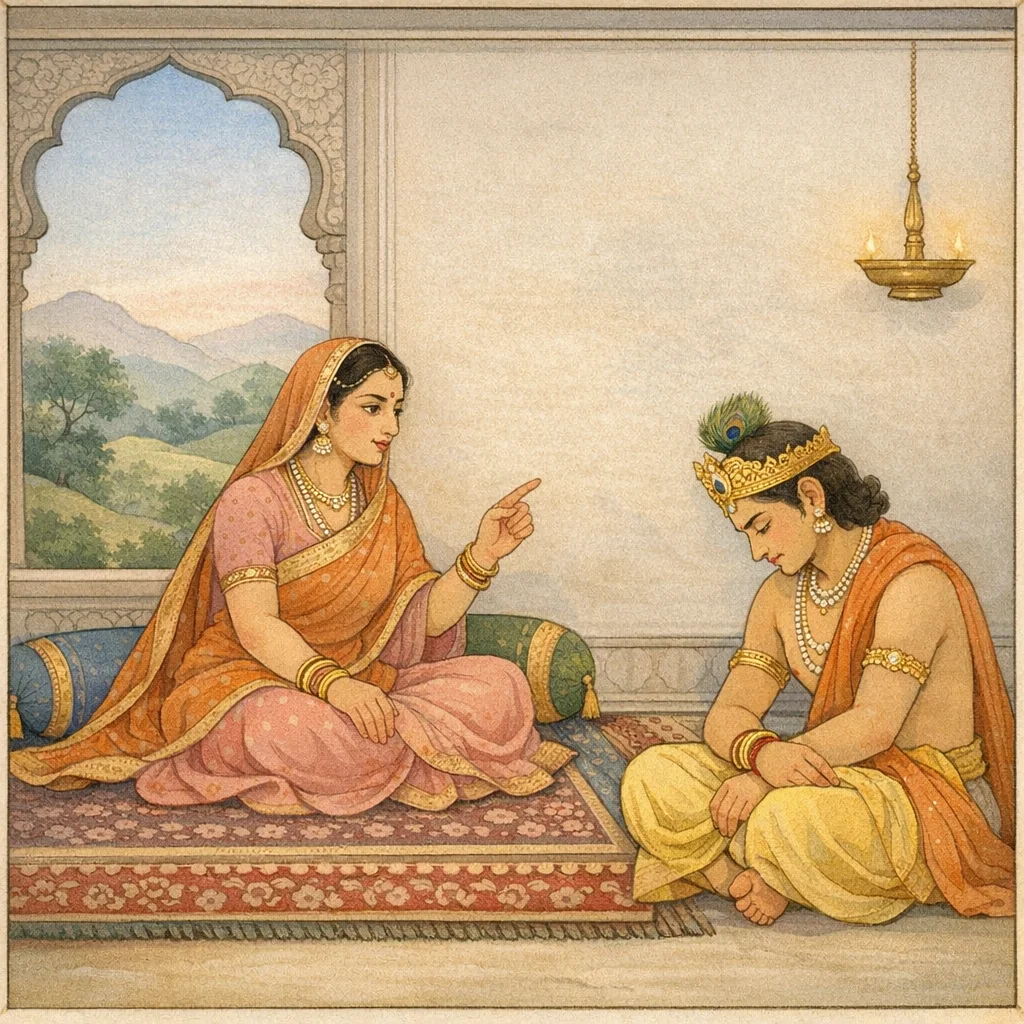
The chapter opens with Kuntī’s admonition that a ruler must never display ‘dara’—a visible fracture or loss of composure—in any adversity. She argues that once a king is seen as broken, the entire polity “splinters”: the realm, forces, and ministers separate their intentions; some submit to enemies, others abandon, and those previously slighted may seek retaliatory advantage. Only the most intimate well-wishers remain, grieving sympathetically yet often powerless. Kuntī then shifts from diagnosis to remedy: she affirms Sañjaya’s latent capacity, urges him to rise for victory with a composed demeanor, reveals the existence of a significant but hidden treasury, and notes the presence of numerous steadfast allies who endure both pleasure and pain. Sañjaya responds with assent, describing her counsel as illuminating and motivating him toward the restraint and conquest of adversaries. The chapter concludes with a prescriptive meta-note: a minister should recite this invigorating discourse to a king distressed by hostile pressure; the ‘Jaya’ narrative is presented as beneficial for aspirants to victory, and repeated hearing is also framed as auspicious for generating heroic offspring, followed by an idealized description of the heroic qualities such listening is believed to cultivate.
Chapter Arc: विदुला अपने एकमात्र पुत्र से कठोर, क्षत्र-धर्म से दीप्त वाणी में कहती है कि जीवन का मूल्य केवल प्राण-रक्षा नहीं, बल्कि पुरुषार्थ और कीर्ति है—और उसे युद्ध/उद्यम के लिए उकसाती है। → पुत्र विस्मित होकर प्रतिवाद करता है: ‘माँ होकर तुम मुझे युद्ध में क्यों ढकेलती हो?’ वह पूछता है कि यदि मैं मारा गया तो आभूषण, भोग और जीवन का क्या अर्थ रह जाएगा; वह मातृ-करुणा की अपेक्षा करता है, पर विदुला उसे निर्बलता मानकर तर्क, दृष्टान्त और नीति-उपायों से घेरती जाती है। → विदुला का निर्णायक उपदेश: जो कर्म का आरम्भ ही नहीं करते, वे सिद्धि नहीं पाते; धन/बल के क्षय पर बन्धु भी साथ छोड़ देते हैं—अतः भय, आलस्य और आत्म-दया त्यागकर पुरुषार्थ करो, साधन जुटाओ, लोगों को साथ लो, और प्रतिकूलता में भी उद्यम से ही द्विगुण फल की सम्भावना बनती है। → पुत्र के भीतर परिवर्तन आता है; वह माँ की नीति-प्रेरणा से प्रसन्नता/स्वीकृति की ओर बढ़ता है। विदुला उसे व्यावहारिक राज-नीति भी देती है—सेवकों/सहायकों को अग्रिम वेतन, मधुर वचन, अनुशासन, और प्रतिदिन सक्रियता—ताकि वह समर्थ होकर लक्ष्य साध सके। → पुत्र अब किस अभियान/प्रतिशोध/राजनीतिक प्रयत्न की दिशा में कदम बढ़ाएगा—और क्या उसका उद्यम वास्तव में खोई हुई प्रतिष्ठा/राज्य-लाभ दिलाएगा?
Shlokas
Verse 1
अपन करा बछ। सं: पजञ्चत्रिशर्दाधिकशततमोब् ध्याय: विदुला और उसके पुत्रका संवाद--विदुलाके द्वारा कार्यमें सफलता प्राप्त करने 577053024& उपायोंका श पुत्र बवाच कृष्णायसस्येव च ते संहत्य हृदयं कृतम् मम मातस्त्वकरुणे वीरप्रज्ञे हामर्षणे,पुत्र बोला--माँ! तेरा हृदय तो ऐसा जान पड़ता है, मानो काले लोहपिण्डको ठोक- पीटकर बनाया गया हो। तू मेरी माता होकर भी इतनी निर्दय है। तेरी बुद्धि वीरोंके समान है और तू सदा अमर्षमें भरी रहती है
The son said: “Mother, your heart seems as though it has been forged by hammering a lump of black iron. Though you are my mother, you show no tenderness. Your understanding is like that of a warrior, and you are ever filled with fierce, unyielding resolve.”
Verse 2
अहो क्षत्रसमाचारो यत्र मामितरं यथा । नियोजयसि युद्धाय परमातेव मां तथा,अहो! क्षत्रियोंका आचार-व्यवहार कैसा आश्चर्यजनक है, जिसमें स्थित होकर तू मुझे इस प्रकार युद्धमें लगा रही है, मानो मैं दूसरेका बेटा होऊँ और तू दूसरेकी माँ हो
“Alas, how astonishing is the code of conduct among kṣatriyas! Standing upon it, you are urging me into battle as though I were someone else’s son, and you were someone else’s mother.”
Verse 3
ईदृशं वचन ब्रूयाद् भवती पुत्रमेकजम् । कि नु ते मामपश्यन्त्या: पृथिव्या अपि सर्वया,मुझ इकलौते पुत्रसे तू ऐसी निष्ठर बात कहे, आश्चर्य है! मुझे न देखनेपर यह सारी पृथ्वी भी तुझे मिल जाय तो इससे तुझे क्या सुख मिलेगा?
The son said: “How can you, my mother, speak such harsh words to your only son? What joy could the whole earth bring you, if you must live without seeing me?”
Verse 4
किमाभरणकृत्येन कि भोगैर्जीवितेन वा । मयि वा संगरहते प्रियपुत्रे विशेषत:,मैं विशेषतः तेरा प्रिय पुत्र यदि युद्धमें मारा जाऊँ तो तुझे आभूषणोंसे, भोग- सामग्रियोंसे तथा अपने जीवनसे भी कौन-सा सुख प्राप्त होगा?
The son said: “What use will ornaments be to you, or pleasures, or even life itself, if I—your beloved son above all—am slain in the battle? If I fall, these possessions and enjoyments will lose their meaning, for the dearest bond that gives them value will be gone.”
Verse 5
मातोवाच सर्वावस्था हि विदुषां तात धर्मार्थकारणात् | तावेवाभिसमीक्ष्याहं संजय त्वामचूचुदम्,माता बोली--तात संजय! विद्वानोंकी सारी अवस्था भी धर्म और अर्थके निमित्त ही होती है। उन्हीं दोनोंकी ओर दृष्टि रखकर मैंने भी तुझे युद्धके लिये प्रेरित किया है
The mother said: “Dear son, every condition and course of life of the wise is undertaken for the sake of dharma and artha. Keeping precisely these two in view, O Sañjaya, I too urged you on toward the war.”
Verse 6
स समीक्ष्यक्रमोपेतो मुख्य: कालोडयमागत: । अम्मिंक्षेदागते काले कार्य न प्रतिपद्यसे
The son said: “Having duly considered the proper sequence of steps, the decisive moment has now arrived. Yet, even when the time for action has come, you do not set yourself to the task.”
Verse 7
असम्भावितरूपस्त्वमानृशंस्यं करिष्यसि । तं॑ त्वामयशसा स्मृष्टं न ब्रूयां यदि संजय
“You, whose true nature is not yet understood, are about to commit a cruel act. O Sañjaya, if I did not speak of you as one stained by disgrace for this, I would be failing to name the moral fault that such conduct deserves.”
Verse 8
खरीवात्सल्यमाहुस्तन्नि:सामर्थ्यमहेतुकम् । सद्धिविगर्हितं मार्ग त्यज मूर्खनिषेवितम्
They call it “donkey-like affection”—a causeless weakness born of incapacity. Therefore abandon that blameworthy path, the course frequented by fools.
Verse 9
यह तेरे लिये दर्शनीय पराक्रम करके दिखानेका मुख्य समय प्राप्त हुआ है। ऐसे समयमें भी यदि तू अपने कर्तव्यका पालन नहीं करेगा और तुझसे जैसी सम्भावना थी, उसके विपरीत स्वभावका परिचय देकर शत्रुओंके प्रति क्रूरतापूर्ण बर्ताव नहीं करेगा तो उस दशामें सब ओर तेरा अपयश फैल जायगा। संजय! ऐसे अवसरपर भी यदि मैं तुझे कुछ न कहूँ तो मेरा वह वात्सल्य गदहीके स्नेहके समान शक्तिहीन तथा निरर्थक होगा। अतः वत्स! साधु पुरुष जिसकी निन्दा करते हैं और मूर्ख मनुष्य ही जिसपर चलते हैं, उस मार्गको त्याग दे ।। अविद्या वै महत्यस्ति यामिमां संश्रिता: प्रजा: । तव स्याद् यदि सदृवृत्तं तेन मे त्वं प्रियो भवे:,प्रजाने जिसका आश्रय ले रखा है, वह तो बड़ी भारी अविद्या ही है। तू तो मुझे तभी प्रिय हो सकता है, जब तेरा आचरण सत्पुरुषोंके योग्य हो जाय
“Now the chief moment has come for you to display a valor worthy of being seen. If even at such a time you do not uphold your duty, and—showing a nature contrary to what was expected of you—do not act with stern resolve toward your enemies, then your disgrace will spread on every side. O Sañjaya, if on such an occasion I were to say nothing to you, my affection would be like donkey-love: powerless and pointless. Therefore, dear child, abandon that path which good men condemn and which only fools pursue. Great indeed is the ignorance to which these people have clung. You will be dear to me only if your conduct becomes that of the virtuous.”
Verse 10
धर्मार्थगुणयुक्तेन नेतरेण कथंचन । दैवमानुषयुक्तेन सद्धिराचरितेन च,धर्म, अर्थ और गुणोंसे युक्त, देवलोक तथा मनुष्यलोकमें भी उपयोगी और सत्पुरुषोंद्वारा आचरणमें लाये हुए सत्कर्मसे ही तू मेरा प्रिय हो सकता है, इसके विपरीत असत्कर्मसे किसी प्रकार भी तू मुझे प्रिय नहीं हो सकता
Only by conduct grounded in dharma, aimed at rightful prosperity, and endowed with good qualities—conduct that is beneficial in both the divine and human spheres and practiced by the virtuous—can you become dear to me. By the opposite, by unworthy deeds, you can never be dear to me in any way.
Verse 11
यो होवमविनीतेन रमते पुत्र नप्तृणा । अनुत्थानवता चापि दुर्विनीतेन दुर्धिया,सुखं नैवेह नामुत्र लभन्ते पुरुषाधमा: । बेटा! जो इस प्रकार विनयशून्य एवं अशिक्षित पौत्रसे हर्षको प्राप्त होता है तथा उद्योगरहित, दुर्विनीत एवं दुर्बुद्धि पुत्रसे सुख मानता है, उसका संतानोत्पादन व्यर्थ है; क्योंकि वे अयोग्य पुत्र-पौत्र पहले तो कर्म ही नहीं करते हैं और यदि करते हैं तो निन्दित कर्म ही करते हैं, इससे वे अधम मनुष्य न तो इस लोकमें सुख पाते हैं और न परलोकमें ही
A man who takes delight in a son or grandson who is devoid of discipline and training—who is idle, ill-mannered, and of perverse understanding—finds no happiness either in this world or in the next. Such base men, attached to unworthy offspring, gain neither worldly well-being nor otherworldly good, for those descendants neither undertake proper duties nor, when they act, do they avoid blameworthy deeds.
Verse 12
रमते यस्तु पुत्रेण मोघं तस्य प्रजाफलम् । अकुर्वन्तो हि कर्माणि कुर्वन्तो निन्दितानि च
But he who merely takes delight in his son—his ‘fruit’ in the form of progeny becomes futile. For such people, failing to do what ought to be done, instead engage in deeds that are blameworthy.
Verse 13
युद्धाय क्षत्रिय: सृष्ट: संजयेह जयाय च,संजय! इस लोकमें युद्ध एवं विजयके लिये ही विधाताने क्षत्रियकी सृष्टि की है। वह विजय प्राप्त करे या युद्धमें मारा जाय, सभी दशाओंमें उसे इन्द्रलोककी प्राप्ति होती है। पुण्यमय स्वर्गलोकके इन्द्रभवनमें भी वह सुख नहीं मिलता, जिसे क्षत्रिय वीर शत्रुओंको वशमें करके सानन्द अनुभव करता है
A kṣatriya, O Sañjaya, is fashioned for battle and for victory in this world. Whether he wins or falls slain in combat, in every case he attains Indra’s realm. Even in the meritorious heaven—within Indra’s own abode—there is not that joy which a heroic kṣatriya tastes when, having subdued his enemies, he experiences triumphant satisfaction.
Verse 14
जयन् वा वध्यमानो वा प्राप्रोतीन्द्रसलोकताम् । न शक्रभवने पुण्ये दिवि तद् विद्यते सुखम् यदमित्रान् वशे कृत्वा क्षत्रिय: सुखमश्ञुते,संजय! इस लोकमें युद्ध एवं विजयके लिये ही विधाताने क्षत्रियकी सृष्टि की है। वह विजय प्राप्त करे या युद्धमें मारा जाय, सभी दशाओंमें उसे इन्द्रलोककी प्राप्ति होती है। पुण्यमय स्वर्गलोकके इन्द्रभवनमें भी वह सुख नहीं मिलता, जिसे क्षत्रिय वीर शत्रुओंको वशमें करके सानन्द अनुभव करता है
‘Whether he conquers or is struck down, he attains the world of Indra. Even in the meritorious heaven—within Śakra’s own palace—there is no joy equal to that which a kṣatriya tastes when, having brought his enemies under control, he enjoys the satisfaction of mastery. For in this world the Creator fashioned the kṣatriya precisely for battle and victory: whether he wins or falls in combat, in every case he is destined for Indra’s realm.’
Verse 15
मन्युना दहामानेन पुरुषेण मनस्विना । निकृतेनेह बहुश: शत्रून् प्रतेजिगीषया,अतएव जो मनस्वी क्षत्रिय अनेक बार पराजित हो क्रोधसे दग्ध हो रहा हो, वह अवश्य ही विजयकी इच्छासे शत्रुओंपर आक्रमण करे। फिर तो वह अपने शरीरका परित्याग करके अथवा शत्रुको मार गिराकर ही शान्ति लाभ करता है। इसके सिवा दूसरे किसी प्रकारसे उसे कैसे शान्ति प्राप्त हो सकती है?
A high-spirited man, scorched by wrath after being repeatedly wronged here, should indeed set upon his enemies with the resolve to win. For such a kṣatriya finds peace only in one of two ways: by relinquishing his own body in battle, or by striking down the foe; by what other means could he attain calm?
Verse 16
आत्मानं वा परित्यज्य शत्रुं वा विनिपात्य च । अतोःन््येन प्रकारेण शान्तिरस्य कुतो भवेत्,अतएव जो मनस्वी क्षत्रिय अनेक बार पराजित हो क्रोधसे दग्ध हो रहा हो, वह अवश्य ही विजयकी इच्छासे शत्रुओंपर आक्रमण करे। फिर तो वह अपने शरीरका परित्याग करके अथवा शत्रुको मार गिराकर ही शान्ति लाभ करता है। इसके सिवा दूसरे किसी प्रकारसे उसे कैसे शान्ति प्राप्त हो सकती है?
Either by giving up his own life, or by striking down the enemy—only through one of these does such a warrior find peace. By any other means, how could peace come to him? Thus, a resolute kṣatriya, repeatedly defeated and scorched by anger, should indeed attack his foes with the desire for victory; for he attains calm only after abandoning his body or after felling the enemy.
Verse 17
इह प्राज्ञो हि पुरुष: स्वल्पमप्रियमिच्छति । यस्य स्वल्पं प्रियं लोके ध्रुवं तस्याल्पमप्रियम्
Here in this world, a wise person seeks only a small measure of what is unpleasant. For one whose share of what is pleasing in the world is small, it is certain that his share of what is displeasing will also be small.
Verse 18
बुद्धिमान् पुरुष इस जगत्में अत्यन्त अल्पमात्रामें अप्रियकी इच्छा करता है। लोकमें जिसका प्रिय अल्प होता है, उसका अप्रिय भी निश्चय ही अल्प होगा ।। प्रियाभावाच्च पुरुषो नैव प्राप्नोति शोभनम् | ध्रुवं चाभावमभ्येति गत्वा गड़ेव सागरम्
When a man is devoid of what is dear and agreeable, he does not attain what is truly auspicious or beautiful in life. Rather, he surely moves toward loss and emptiness—like a stream that, having flowed onward, disappears into the ocean.
Verse 19
प्रियके अभावमें मनुष्यकी शोभा नहीं होती है। जैसे गंगा समुद्रमें जाकर विलुप्त हो जाती है, उसी प्रकार वह अभावग्रस्त पुरुष भी निश्चय ही लुप्त हो जाता है ।। पुत्र बवाच नेयं मतिस्त्वया वाच्या मात: पुत्रे विशेषतः । कारुण्यमेवात्र पश्य भूत्वेह जडमूकवत्,पुत्रने कहा--माँ! तुझे अपने मुखसे ऐसा विचार नहीं व्यक्त करना चाहिये, अतः तुम जड और मूककी भाँति होकर मुझ अपने पुत्रको विशेषरूपसे करुणापूर्ण दृष्टिसे ही देखो
The son said: “Mother, you should not voice such a thought—especially in regard to your own son. Here, look upon me only with compassion; remain, as it were, like one who is inert and silent, and do not speak words that weaken resolve.”
Verse 20
मातोवाच अतो मे भूयसी नन्दिर्यदेवमनुपश्यसि । चोद्यं मां चोदयस्येतद् भृशं वै चोदयामि ते
The mother said: “Therefore my joy is all the greater, since you perceive matters in this way. You urge me with this counsel; and I, in turn, strongly urge you—act upon it.”
Verse 21
माता बोली--तेरे इस कथनसे मुझे बड़ी प्रसन्नता हुई है। तू इस प्रकार विचार तो करता है। मुझे मेरे कर्तव्य (पुत्रपर दयादृष्टि करने)-की प्रेरणा दे रहा है, इसीलिये मैं भी तुझे बार-बार तेरा कर्तव्य सुझा रही हूँ ।। अथ त्वां पूजयिष्यामि हत्वा वै सर्वसैन्धवान् । अहं पश्यामि विजयं कृच्छुभावितमेव ते,जब तू सिन्धुदेशके समस्त योद्धाओंको मारकर आयेगा, उस समय मैं तेरा स्वागत करूँगी। मुझे विश्वास है कि बड़े कष्टसे प्राप्त होनेवाली तेरी विजय मैं अवश्य देखूँगी
The mother said: “Your words have greatly pleased me, for you can reflect in this way. You urge me toward my duty—toward compassion for my son; therefore I, too, remind you again and again of your own duty. And when you return after slaying all the warriors of Sindhu, I shall honor and welcome you. I am certain I shall behold your victory—though it will be won only through severe hardship.”
Verse 22
पुत्र उवाच अकोशस्यासहायस्य कुत: सिद्धिर्जयो मम । इत्यवस्थां विदित्वैतामात्मना55त्मनि दारुणाम्
The son said: “For one who has no treasury and no allies, how could there be success—how could victory be mine?” Having recognized this harsh predicament within himself, he spoke from a place of inner distress.
Verse 23
राज्याद् भावो निवृत्तो मे त्रिदिवादिव दुष्कृते: । ईदृशं भवती कंचिदुपायमनुपश्यति
“My desire for kingship has fallen away; because of my wrongdoing, even heaven seems as nothing to me. Do you, revered one, perceive any means by which a situation like this may be set right?”
Verse 24
पुत्र बोला--माँ! मेरे पास न तो खजाना है और न सहायता करनेवाले सैनिक ही हैं, फिर मुझे विजयरूप अभीष्टकी सिद्धि कैसे प्राप्त होगी? अपनी इस दारुण अवस्थाके विषयमें स्वयं ही विचार करके मैंने राज्यकी ओरसे अपना अनुराग उसी प्रकार दूर हटा लिया है, जैसे स्वर्गकी ओरसे पापीका भाव हट जाता है। क्या तू ऐसा कोई उपाय देख रही है, जिससे मैं विजय पा सकूँ ।। तन्मे परिणततप्रज्ञे सम्यक् प्रब्रूहि पृच्छते । करिष्यामि हि तत् सर्व यथावदनुशासनम्,परिपक्व बुद्धिवाली माँ! मेरे इस प्रश्नके अनुसार तू कोई उत्तम उपाय बता दे। मैं तेरे सम्पूर्ण आदेशोंका यथोचित रीतिसे पालन करूँगा
The son said: “Mother, I have neither treasury nor supporting troops. How, then, can I attain the desired success that is victory? Reflecting on my own harsh condition, I have withdrawn my attachment to kingship—just as a sinner’s longing turns away from heaven. Do you see any means by which I might win? O mother of mature understanding, tell me clearly, as I ask; I will carry out all your instructions exactly as they should be done.”
Verse 25
मातोवाच पुत्र नात्मावमन्तव्य: पूर्वाभिरसमृद्धिभि: । अभूत्वा हि भवन्त्यर्था भूत्वा नश्यन्ति चापरे । अमर्षेणैव चाप्यर्था नारब्धव्या: सुबालिशै:,माता बोली--बेटा! पहलेकी सम्पत्ति नष्ट हो गयी है--यह सोचकर तुझे अपनी अवज्ञा नहीं करनी चाहिये, क्योंकि धन-वैभव तो नष्ट होकर पुनः प्राप्त हो जाते हैं और प्राप्त होकर भी फिर नष्ट हो जाते हैं; अतः बुद्धिहीन पुरुषोंको ईर्ष्यावश ही धनकी प्राप्तिके लिये कर्मोंका आरम्भ नहीं करना चाहिये
The mother said: “My son, do not despise yourself because you once lacked prosperity. Wealth and worldly success can arise even where they were not before, and once arisen they may perish again. Therefore, the foolish should not set out to seek riches driven only by resentment and envy.”
Verse 26
सर्वेषां कर्मणां तात फले नित्यमनित्यता । अनित्यमिति जानन्तो न भवन्ति भवन्ति च,तात! सभी कर्मोके फलमें सदा अनित्यता रहती है--कभी उनका फल मिलता है और कभी नहीं भी मिलता है। इस अनित्यताको जानते हुए भी बुद्धिमान् पुरुष कर्म करते हैं और वे कभी असफल होते हैं, तो कभी सफल भी हो जाते हैं
“Dear father, in the results of all actions there is always impermanence: sometimes the fruit is obtained, and sometimes it is not. Even knowing that outcomes are uncertain and transient, wise people still act; and thus they sometimes fail and sometimes succeed.”
Verse 27
अथ ये नैव कुर्वन्ति नैव जातु भवन्ति ते । ऐकगुण्यमनीहायामभाव: कर्मणां फलम्
But those who do not act at all—never, under any circumstance—do not truly come to be effective agents in the world. In a one-sided state marked by inertia and lack of effort, the outcome of action is simply absence: no fruit is produced.
Verse 28
यस्य प्रागेव विदिता सर्वार्थानामनित्यता
“For one who has already understood beforehand the impermanence of all aims and possessions, the mind is not easily shaken by gain or loss; such prior insight becomes a steadying ethical compass amid uncertainty.”
Verse 29
उत्थातव्यं जागृतव्यं योक्तव्यं भूतिकर्मसु
The son said: “One must rise up, remain vigilant, and apply oneself to actions that secure prosperity and well-being.”
Verse 30
भविष्यतीत्येव मन: कृत्वा सततमव्यथै: । सफलता होगी ही, ऐसा मनमें दृढ़ विश्वास लेकर निरन्तर विषादरहित होकर तुझे उठना, सजग होना और एऐश्वर्यकी प्राप्ति करानेवाले कर्मोमें लग जाना चाहिये ।। मड़लानि पुरस्कृत्य ब्राह्मुणांश्रैश्वरै: सह,वत्स! देवताओंसहित ब्राह्मणोंका पूजन तथा अन्यान्य मांगलिक कार्य सम्पन्न करके प्रत्येक कार्यका आरम्भ करनेवाले बुद्धिमान् राजाकी शीघ्र उन्नति होती है। जैसे सूर्य अवश्य ही पूर्वदिशाका आश्रय ले उसे प्रकाशित करते हैं, उसी प्रकार राजलक्ष्मी पूर्वोक्त राजाको सब ओसरसे प्राप्त होकर उसे यश एवं तेजसे सम्पन्न कर देती है
Fix your mind on the certainty that success will come. Remaining continually free from dejection, rise up, stay alert, and apply yourself to those actions that bring sovereignty and prosperity. A wise king who begins every undertaking by first performing auspicious rites—honouring the Brahmins together with the gods and completing other benedictory observances—quickly attains advancement. Just as the sun surely takes refuge in the eastern quarter and illumines it, so too royal fortune comes to such a king from every side and endows him with fame and splendour.
Verse 31
प्राज्ञस्थ नृपतेराशु वृद्धिर्भवति पुत्रक | अभिवर्तति लक्ष्मीस्तं प्राचीमिव दिवाकर:,वत्स! देवताओंसहित ब्राह्मणोंका पूजन तथा अन्यान्य मांगलिक कार्य सम्पन्न करके प्रत्येक कार्यका आरम्भ करनेवाले बुद्धिमान् राजाकी शीघ्र उन्नति होती है। जैसे सूर्य अवश्य ही पूर्वदिशाका आश्रय ले उसे प्रकाशित करते हैं, उसी प्रकार राजलक्ष्मी पूर्वोक्त राजाको सब ओसरसे प्राप्त होकर उसे यश एवं तेजसे सम्पन्न कर देती है
O son, the wise king who begins his undertakings after honoring Brahmins together with the gods and completing other auspicious rites quickly prospers. Royal fortune turns toward him from every side and settles upon him, endowing him with fame and splendor—just as the sun inevitably takes refuge in the eastern quarter and illumines it.
Verse 32
निदर्शनान्युपायांश्व बहुन्युद्धर्षणानि च । अनुदर्शितरूपोडसि पश्यामि कुरु पौरुषम्,बेटा! मैंने तुझे अनेक प्रकारके दृष्टान्त, बहुत-से उपाय और कितने ही उत्साहजनक वचन सुनाये हैं। लोकवृत्तान्तका भी बारंबार दिग्दर्शन कराया है। अब तू पुरुषार्थ कर। मैं तेरा पराक्रम देखूँगी
“I have shown you many illustrative examples, many practical means, and many words meant to rouse your spirit. I have repeatedly pointed out the ways of the world as well. Now, then, exert your manly effort—let me witness your valor.”
Verse 33
पुरुषार्थमभिप्रेतं समाहर्तुमिहाहसि । क्रुद्धाँललुब्धान् परिक्षीणानवलिप्तान् विमानितान्
The son said: “Here you seek to gather and secure the human aims you have set your heart upon. Yet you are dealing with people who are angry, greedy, worn down, arrogant, and insulted—such men are not easily brought into harmony or restrained by counsel.”
Verse 34
स्पर्थिनश्वैव ये केचित् तान् युक्त उपधारय । एतेन त्वं प्रकारेण महतो भेत्स्यसे गणान्
“And as for any who are driven by rivalry and self-interest, observe and assess them with discernment and proper strategy. By proceeding in this manner, you will be able to break up even large and powerful factions.”
Verse 35
महावेग इवोद्धूतो मातरिश्वा बलाहकान् । तुझे यहाँ अभीष्ट पुरुषार्थ प्रकट करना चाहिये। जो लोग सिन्धुराजपर कुपित हों, जिनके मनमें धनका लोभ हो, जो सिन्धुनरेशके आक्रमणसे सर्वथा क्षीण हो गये हों, जिन्हें अपने बल और पौरुषपर गर्व हो तथा जो तेरे शत्रुओंद्वारा अपमानित हों उनसे बदला लेनेके लिये होड़ लगाये बैठे हों, उन सबको तू सावधान होकर दान-मानके द्वारा अपने पक्षमें कर ले। इस प्रकार तू बड़े-से-बड़े समुदायको फोड़ लेगा। ठीक उसी तरह, जैसे महान् वेगशाली वायु वेगपूर्वक उठकर बादलोंको छिलन्न-भिन्न कर देती है || ३३-३४ ह ।। तेषामग्रप्रदायी स्या: कल्योत्थायी प्रियंवद:
The son said: “Just as the mighty Wind, roused to tremendous speed, drives and shatters the clouds, so must you now reveal the purposeful effort (purushārtha) you desire. Win over—by gifts, honor, and vigilant care—those angered at the king of Sindhu, those whose minds are drawn by wealth, those utterly worn down by the Sindhu ruler’s assaults, those proud of their own strength and manliness, and those who, having been insulted by your enemies, sit poised to take revenge. By such prudent generosity you will split even the greatest coalition, as the swift, powerful wind breaks apart the masses of cloud.”
Verse 36
यदैव शत्रुर्जानीयात् सपत्नं त्यक्तजीवितम् । तदैवास्मादुद्धिजते सर्पाद् वेश्मगतादिव,शत्रुको ज्यों ही यह मालूम हो जाता है कि उसका विपक्षी प्राणोंका मोह छोड़कर युद्ध करनेके लिये तैयार है, तभी घरमें रहनेवाले सर्पकी भाँति उसके भयसे वह उद्विग्न हो उठता है
“As soon as an enemy learns that his opponent has cast off attachment to life and stands ready for battle, at that very moment he is shaken with fear—like a serpent lurking within a house.”
Verse 37
त॑ विदित्वा पराक्रान्तं वशे न कुरुते यदि । निवदिरनिविदेदेनमन्ततस्तद् भविष्यति,यदि शत्रुको पराक्रमसम्पन्न जानकर अपनी असमर्थताके कारण उसे वशमें न कर सके तो उसे विश्वसनीय दूतोंद्वारा साम एवं दान नीतिका प्रयोग करके अनुकूल बना ले (जिससे वह आक्रमण न करके शान्त बैठा रहे)। ऐसा करनेसे अन्ततोगत्वा उसका वशीकरण हो जायगा
“Having recognized an adversary as powerful, if one cannot bring him under control by force, then one should, through trustworthy envoys, employ conciliation (sāma) and gifts (dāna) to win him over and keep him peaceable rather than aggressive. By such measures, in the end, he will be brought under one’s influence.”
Verse 38
निर्वादादास्पदं लब्ध्वा धनवृद्धिर्भविष्यति । धनवन्तं हि मित्राणि भजन्ते चाश्रयन्ति च,इस प्रकार शत्रुको शान्त कर देनेसे निर्भय आश्रय प्राप्त होता है। उसे प्राप्त कर लेनेपर युद्ध आदिमें न फँसनेके कारण अपने धनकी वृद्धि होती है। फिर धनसम्पन्न राजाका बहुत- से मित्र आश्रय लेते और उसकी सेवा करते हैं
“By ending hostility and securing a safe refuge, one’s wealth will increase. For friends naturally attach themselves to, and seek protection from, a prosperous man.”
Verse 39
स्खलितार्थ पुनस्तात संत्यजन्ति च बान्धवा: | अप्यस्मिन् नाश्वसन्ते च जुगुप्सन्ते च तादूशम्,इसके विपरीत जिसका धन नष्ट हो गया है, उसके मित्र और भाई-बन्धु भी उसे त्याग देते हैं। उसपर विश्वास नहीं करते हैं तथा उसके-जैसे लोगोंकी निन्दा भी करते रहते हैं
“But the reverse is true, O father: when a man’s wealth has slipped away and his means are broken, even his own relatives abandon him. They no longer place confidence in him, and they look upon such a person with contempt, speaking ill of those in that condition.”
Verse 40
शत्रुं कृत्वा यः सहायं विश्वासमुपगच्छति । स न सम्भाव्यमेवैतद् यद् राज्यं प्राप्रुयादिति,जो शत्रुको सहायक बनाकर उसका विश्वास करता है, वह राज्य प्राप्त कर लेगा, इसकी कभी सम्भावना ही नहीं करनी चाहिये
He who makes an enemy into an ally and then places trust in him should not even entertain the hope of attaining sovereignty. Trust founded on enmity is unsound in dharma and in statecraft, and it cannot support a stable rule.
Verse 126
सुखं नैवेह नामुत्र लभन्ते पुरुषाधमा: । बेटा! जो इस प्रकार विनयशून्य एवं अशिक्षित पौत्रसे हर्षको प्राप्त होता है तथा उद्योगरहित, दुर्विनीत एवं दुर्बुद्धि पुत्रसे सुख मानता है, उसका संतानोत्पादन व्यर्थ है; क्योंकि वे अयोग्य पुत्र-पौत्र पहले तो कर्म ही नहीं करते हैं और यदि करते हैं तो निन्दित कर्म ही करते हैं, इससे वे अधम मनुष्य न तो इस लोकमें सुख पाते हैं और न परलोकमें ही
The basest of men find happiness neither in this world nor in the next. For when one takes pride in descendants who are untrained, lacking humility, idle, ill-mannered, and foolish—who do no work, or, if they act, perform blameworthy deeds—such progeny becomes a cause of ruin rather than welfare; thus no true good comes to them here or hereafter.
Verse 134
इस प्रकार श्रीमह्ाभारत उद्योगपर्वके अन्तर्गत भगवद्यानपर्वमें विदुलाका अपने पुत्रको उपदेशविषयक एक सौ चौंतीसवाँ अध्याय पूरा हुआ
Thus ends the one hundred and thirty-fourth chapter of the Udyoga Parva of the Śrī Mahābhārata, within the section known as the Bhagavad-yāna Parva, presenting Vidulā’s counsel to her son. The colophon marks the completion of a didactic episode that sets teachings on resolve, self-respect, and right action amid political crisis within the larger movement toward war.
Verse 135
इति श्रीमहा भारते उद्योगपर्वणि भगवद्यानपर्वणि विदुलापुत्रानुशासने पज्चत्रिंशदधिकशततमो<ध्याय:
Thus ends the one-hundred-and-thirty-fifth chapter of the Udyoga Parva of the revered Mahābhārata, within the section concerning the divine embassy, in the episode of Vidulā’s instruction to her son.
Verse 276
अथ द्वैगुण्यमीहायां फलं भवति वा न वा परंतु जो कर्मोंका आरम्भ ही नहीं करते, वे तो कभी अपने अभीष्टकी सिद्धिमें सफल नहीं होते, अतः कर्मोंको छोड़कर निश्रेष्ट बैठनेका यह एक ही परिणाम होता है कि मनुष्योंको कभी अभीष्ट मनोरथकी प्राप्ति नहीं हो सकती। परंतु कर्मोमें उत्साहपूर्वक लगे रहनेपर तो दोनों प्रकारके परिणामोंकी सम्भावना रहती है--कर्मोंका वांछनीय फल प्राप्त भी हो सकता है और नहीं भी
Then it is seen that in this world the outcome is twofold: the desired fruit may arise, or it may not. Yet those who never even begin their duties can never succeed in attaining what they seek; abandoning action and sitting idle has only one result—that one cannot obtain one’s intended aims. But when one engages in action with energy and resolve, both possibilities remain: the wished-for result may be gained, or it may not.
Verse 286
नुदेद् वृद्धयसमृद्धी स प्रतिकूले नृपात्मज । राजकुमार! जिसे पहलेसे ही सभी पदार्थोकी अनित्यताका ज्ञान होता है, वह ज्ञानी पुरुष अपने प्रतिकूल शत्रुकी उन्नति और अपनी अवनतिसे प्राप्त हुए दुःखका विचारद्वारा निवारण कर सकता है
O prince, a wise man who already knows the impermanence of all things can, by reflective discernment, neutralize the sorrow that arises when an enemy prospers and one’s own condition declines. The teaching urges steadiness of mind: do not let external reversals—others’ rise or one’s fall—shake one’s inner balance, for all gains and losses are transient.
Verse 356
ते त्वां प्रियं करिष्यन्ति पुरो धास्यन्ति च ध्रुवम् । तू उन्हें अग्रिम वेतन दे दिया कर। प्रतिदिन प्रातःकाल सोकर उठ जा और सबके साथ प्रिय वचन बोल। ऐसा करनेसे वे अवश्य तेरा प्रिय करेंगे और निश्चय ही तुझे अपना अगुआ बना लेंगे
They will surely come to hold you dear, and they will certainly place you in the forefront as their leader. Therefore, give them their wages in advance at the proper time; each morning, rise from sleep and speak kindly to all. By doing so, they will indeed cherish you and, without doubt, set you up as their guide.
Frequently Asked Questions
The dilemma is whether to reveal vulnerability and seek sympathy or to maintain disciplined composure for the polity’s stability; the text argues that visible fracture invites opportunism, fragmentation, and external pressure.
Perception and inner governance are ethically consequential: self-control and steadiness are not merely personal virtues but public duties that preserve institutional cohesion, enabling rightful action without panic-driven collapse.
Yes. The chapter explicitly recommends hearing/reciting the ‘Jaya’ discourse as victory-promoting instruction for a distressed ruler, and it further frames repeated listening as auspicious for producing heroic progeny and cultivating exemplary qualities.