Adhyaya 131
Vidurā–Putra Saṃvāda: Utsāha, Kīrti, and Kṣātra Resolve (Udyoga-parva 131)
Upa-parva: Strī-nīti Saṃvāda (Vidurā–Putra Saṃvāda) — Maternal Admonition on Pauruṣa
Kuntī introduces an ancient exemplum and recounts a dialogue in which Vidurā, described as truthful and far-sighted, rebukes her biological son after his defeat by the Sindhu ruler. She censures his collapse into despair, characterizing passivity as socially destructive and politically shameful. Through a sequence of striking analogies, she urges him to rise, embrace risk, and prefer brief, luminous exertion over prolonged, smoke-like existence without achievement. She frames personhood as validated by deeds—valor, generosity, austerity, learning, prosperity, and effective action—rather than mere survival or accumulation. She warns against degrading livelihoods and being a source of familial grief, and she insists that satisfaction without striving undermines success. The son questions the value of ornaments, pleasures, and life itself if he is not seen as worthy; the mother responds by prioritizing worlds (outcomes) associated with self-respect and the welfare of dependents. The discourse culminates in an ethic of self-reliant effort: one who lives by the strength of his own arms gains fame here and auspicious standing beyond.
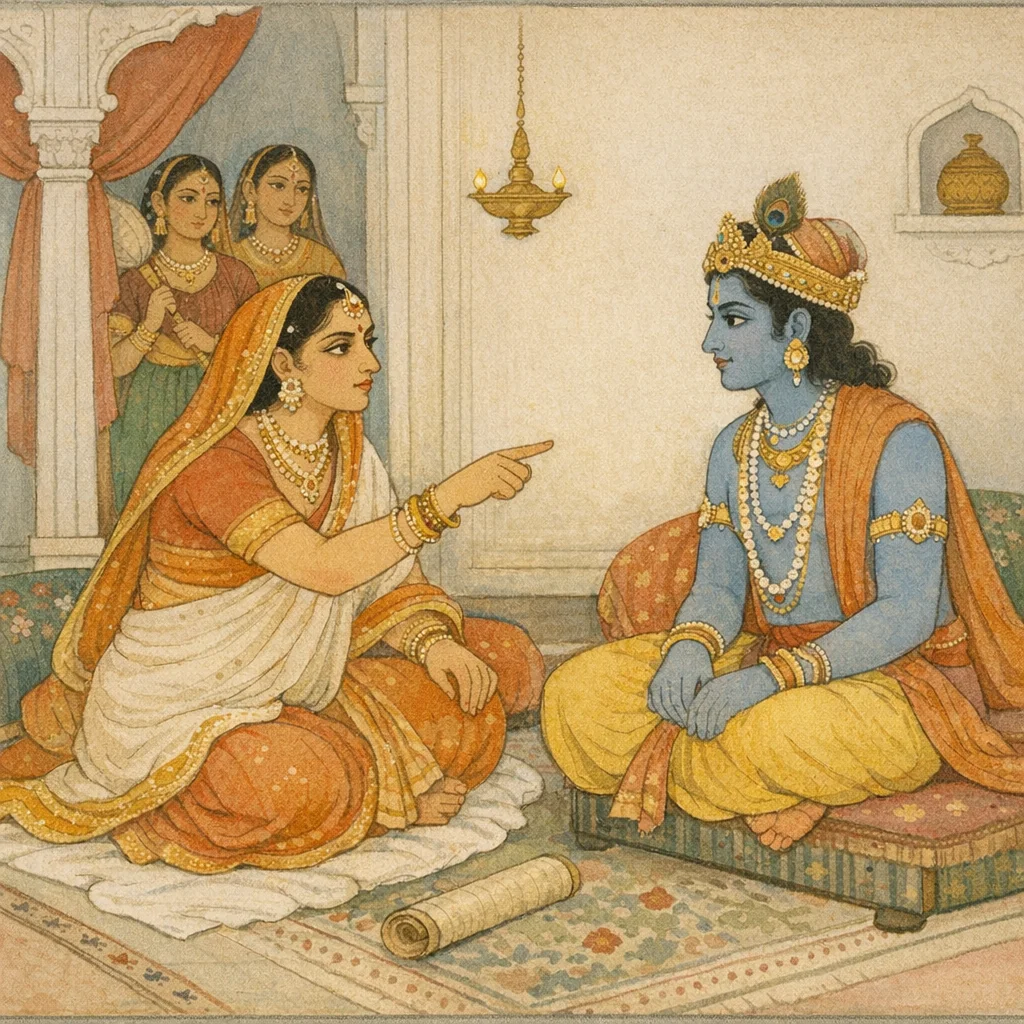
Chapter Arc: श्रीकृष्ण कुन्ती के गृह में प्रवेश कर उनसे पाण्डवों के लिये संदेश माँगते हैं—ऐसा संदेश जो युद्ध के मुहाने पर खड़े पुत्रों के हृदय को स्थिर कर दे। → कुन्ती का वचन मातृत्व की करुणा और राजधर्म की कठोरता के बीच झूलता है; वह स्मरण कराती हैं कि समस्त क्षत्रिय-व्यवस्था, दण्डनीति और प्रजा-रक्षा का भार राजा पर है, और धर्म की रक्षा के लिये शस्त्र उठाना भी धर्म ही है। → कुन्ती का तीक्ष्ण आदेश: ‘राजधर्म के अनुसार युद्ध करो; कायर बनकर पितरों को मत डुबोओ; क्षीण-पुण्य होकर पापगति को मत जाओ’—यह मातृ-आशीर्वाद नहीं, धर्म-आज्ञा बनकर गिरता है। → संदेश का सार निश्चित होता है—पाण्डवों को दीनता नहीं, धर्म-प्रतिज्ञा चाहिए; राज्य-रक्षा, प्रजा-पालन और न्याय के लिये युद्ध अनिवार्य है। कृष्ण इस वाणी को लेकर पाण्डवों की ओर प्रस्थान का संकल्प करते हैं। → कृष्ण पाण्डवों के पास यह कठोर मातृ-संदेश लेकर जाते हैं—अब देखना है कि यह वाणी अर्जुन-युधिष्ठिर के संकल्प को कैसे रूप देती है।
Shlokas
Verse 1
अफ्-्#-क- द्वात्रिशर्दाधिकशततमो< ध्याय: श्रीकृष्णके पूछनेपर कुन्तीका उन्हें पाण्डवोंसे कहनेके लिये संदेश देना वैशम्पायन उवाच प्रविश्याथ गृहं तस्याश्वरणावभिवाद्य च । आचख्यौ तत् समासेन यद् वृत्तं कुरुसंसदि,वैशम्पायनजी कहते हैं--जनमेजय! कुन्तीके घरमें जाकर उनके चरणोंमें प्रणाम करके भगवान् श्रीकृष्णने कौरवसभामें जो कुछ हुआ था, वह सब समाचार उन्हें संक्षेपसे कह सुनाया
Vaiśampāyana said: Having entered her residence and bowed to her feet, Śrī Kṛṣṇa briefly related to Kuntī all that had occurred in the assembly of the Kurus. The scene underscores the ethics of respectful approach to elders and the duty of truthful reporting before momentous decisions that bear upon peace and war.
Verse 2
वायुदेव उवाच उक्त बहुविध॑ वाक््यं ग्रहणीयं सहेतुकम् । ऋषिभिश्चैव च मया न चासौ तद् गृहीतवान्,भगवान् श्रीकृष्ण बोले--बूआजी! मैंने तथा महर्षियोंने भी नाना प्रकारके युक्तियुक्त वचन, जो सर्वथा ग्रहण करनेयोग्य थे, सभामें कहे, परंतु दुर्योधनने उन्हें नहीं माना
Vāyu said: “In the assembly, the sages and I spoke many kinds of words—well-reasoned and wholly fit to be accepted. Yet Suyodhana (Duryodhana) did not take them to heart.”
Verse 3
कालपक्वमिदं सर्व सुयोधनवशानुगम् । आपूृच्छे भवतीं शीघ्र प्रयास्ये पाण्डवान् प्रति,जान पड़ता है, दुर्योधनके वशमें होकर उसीके पीछे चलनेवाला यह सारा क्षत्रियसमुदाय कालसे परिपक्व हो गया है। (अतः शीघ्र ही नष्ट होनेवाला है।) अब मैं तुमसे आज्ञा चाहता हूँ, यहाँसे शीघ्र ही पाण्डवोंके पास जाऊँगा
Vāyu said: “All this host, having fallen under Suyodhana’s control and following his will, has ripened by the power of Time for its destined end. Therefore I take my leave; I shall depart at once and go to the Pāṇḍavas.”
Verse 4
कि वाच्या: पाण्डवेयास्ते भवत्या वचनान्मया । तद् ब्रूहि त्वं महाप्राज्ञे शुश्रेषे वचनं तव,महाप्राज्ञे! मुझे पाण्डवोंसे तुम्हारा क्या संदेश कहना होगा, उसे बताओ। मैं तुम्हारी बात सुनना चाहता हूँ
Vāyu said: “What message, born of your words, should I convey to the sons of Pāṇḍu? Tell me, O greatly wise one; I am ready to hear what you would say.”
Verse 5
कुन्त्युवाच ब्रूया: केशव राजानं धर्मात्मानं युधिष्ठिरम् । भूयांस्ते हीयते धर्मो मा पुत्रक वृथा कृथा:,कुन्ती बोली--केशव! तुम धर्मात्मा राजा युधिष्ठिरके पास जाकर इस प्रकार कहना “बेटा! तुम्हारे प्रजापालनरूप धर्मकी बड़ी हानि हो रही है। तुम उस धर्मपालनके अवसरको व्यर्थ न खोओ
Kuntī said: “Keśava, go to the righteous king Yudhiṣṭhira and speak to him thus: ‘My son, your dharma—the duty of protecting and governing the people—is being greatly diminished. Do not let this rightful occasion for dharma slip away in vain.’”
Verse 6
श्रोत्रियस्थेव ते राजन् मन्दकस्याविपक्चित: । अनुवाकहता बुद्धिर्धर्ममेवैकमी क्षते,राजन! जैसे वेदके अर्थको न जाननेवाले अज्ञ वेदपाठीकी बुद्धि केवल वेदके मन्त्रोंकी आवृत्ति करनेमें ही नष्ट हो जाती है और केवल मन्त्रपाठमात्र धर्मपर ही दृष्टि रहती है, उसी प्रकार तुम्हारी बुद्धि भी केवल शान्तिधर्मको ही देखती है
Vāyu said: “O King, your understanding is like that of a dull, unripe-minded reciter of the Veda who, not grasping the meaning, has his intellect worn down by mere repetition of lessons and sees ‘dharma’ only as recitation. So too your mind is fixed only on the dharma of peace, unable to perceive the fuller demand of righteousness in this crisis.”
Verse 7
अड्जवेक्षस्व धर्म त्वं यथा सृष्ट: स्वयम्भुवा । बाहुभ्यां क्षत्रिया: सृष्टा बाहुवीयोपजीविन:,बेटा! ब्रह्माजीने तुम्हारे लिये जैसे धर्मकी सृष्टि की है, उसीपर दृष्टिपात करो। उन्होंने अपनी दोनों भुजाओंसे क्षत्रियोंकों उत्पन्न किया है, अतः क्षत्रिय बाहुबलसे ही जीविका चलानेवाले होते हैं
Now look to your dharma as it was ordained by the Self-born Creator. From His two arms the Kṣatriyas were brought forth; therefore a Kṣatriya lives by the strength and valor of his arms.
Verse 8
क्रूराय कर्मणे नित्यं प्रजानां परिपालने । शृणु चात्रोपमामेकां या वृद्धेभ्य: श्रुता मया,वे युद्धरूपी कठोर कर्मके लिये रचे गये हैं तथा सदा प्रजापालनरूपी धर्ममें प्रवृत्त होते हैं। मैं इस विषयमें एक उदाहरण देती हूँ, जिसे मैंने बड़े-बूढ़ोंके मुँहले सुन रखा है
You were fashioned for the harsh work of war and are ever engaged in the dharma of protecting the people. Hear now a single example of this, as I have heard it from the elders.
Verse 9
मुचुकुन्दस्य राजर्षेरददात् पृथिवीमिमाम् | पुरा वैश्रवण: प्रीतो न चासौ तां गृहीतवान्,पूर्वकालकी बात है, धनाध्यक्ष कुबेर राजर्षि मुचुकुन्दपर प्रसन्न होकर उन्हें ये सारी पृथ्वी दे रहे थे; परंतु उन्होंने उसे ग्रहण नहीं किया
Long ago, Vaiśravaṇa (Kubera), lord of wealth, pleased with the royal sage Mucukunda, offered him this entire earth; yet Mucukunda did not accept it.
Verse 10
बाहुवीर्यार्जितं राज्यमश्नीयामिति कामये । ततो वैश्रवण: प्रीतो विस्मित: समपद्यत,वे बोले--'देव! मेरी इच्छा है कि मैं अपने बाहुबलसे उपार्जित राज्यका उपभोग करूँ।” इससे कुबेर बड़े प्रसन्न और विस्मित हुए
He said, “O Deva, I desire to enjoy a kingdom won by the strength of my own arms.” Hearing this, Vaiśravaṇa (Kubera) was both delighted and astonished.
Verse 11
मुचुकुन्दस्ततो राजा सोडन्वशासद् वसुन्धराम् | बाहुवीर्यार्जितां सम्यक् क्षत्रधर्ममनुव्रत:,तदनन्तर क्षत्रियधर्ममें तत्पर रहनेवाले राजा मुचुकुन्दने अपने बाहुबलसे प्राप्त की हुई इस पृथ्वीका न्यायपूर्वक शासन किया
Then King Mucukunda ruled the earth with justice—this realm he had won by the strength of his own arms—remaining steadfastly devoted to the dharma of a kṣatriya.
Verse 12
यं॑ हि धर्म चरन्तीह प्रजा राज्ञा सुरक्षिता: । चतुर्थ तस्य धर्मस्य राजा विन्देत भारत,भारत! राजाके द्वारा सुरक्षित हुई प्रजा यहाँ जिस धर्मका अनुष्ठान करती है, उसका चौथाई भाग उस राजाको मिल जाता है
O Bhārata, when the people of this world are well protected by their king and thus live in accordance with dharma, the king rightfully obtains a fourth share of the merit of that dharma.
Verse 13
राजा चरति चेद् धर्म देवत्वायैव कल्पते । स चेदधर्म चरति नरकायैव गच्छति,यदि राजा धर्मका पालन करता है तो उसे देवत्वकी प्राप्ति होती है और यदि वह अधर्म करता है तो नरकमें ही पड़ता है
Vāyu said: If a king conducts himself in accordance with dharma, he becomes fit for divine status; but if he practices adharma, he goes only to hell.
Verse 14
दण्डनीति: स्वधर्मेण चातुर्वर्ण्य नियच्छति । प्रयुक्ता स्वामिना सम्यगधर्मेभ्यश्व॒ यच्छति,राजाकी दण्डनीति यदि उसके द्वारा स्वधर्मके अनुसार प्रयुक्त हुई तो वह चारों वर्णोौंको नियन्त्रणमें रखती और अधर्मसे निवृत्त करती है
Vāyu said: “The policy of punishment and governance (daṇḍanīti), when exercised in accordance with one’s own duty, restrains the four social orders and keeps them under discipline. When rightly applied by the ruler, it also holds people back from unrighteous conduct.”
Verse 15
दण्डनीत्यां यदा राजा सम्यक् कार्त्स्न्येन वर्तते | तदा कृतयुगं नाम काल: श्रेष्ठ: प्रवर्तते,यदि राजा दण्डनीतिके प्रयोगमें पूर्णतः न्यायसे काम लेता है तो जगत्में 'सत्ययुग' नामक उत्तम काल आ जाता है
When a king conducts himself in the science of punishment and governance with complete and impartial correctness, then the finest age—called the Kṛta Yuga—comes into operation in the world.
Verse 16
कालो वा कारणं राज्ञो राजा वा कालकारणम् | इति ते संशयो मा भूद् राजा कालस्य कारणम्,राजाका कारण काल है या कालका कारण राजा है, ऐसा संदेह तुम्हारे मनमें नहीं उठना चाहिये; क्योंकि राजा ही कालका कारण होता है
“Is Time the cause of a king’s actions, or is the king the cause that makes Time effective?” Let no such doubt arise in your mind. For it is the king who is the cause of Time.
Verse 17
राजा कृतयुगस््रष्टा त्रेताया द्वापरस्य च । युगस्य च चतुर्थस्य राजा भवति कारणम्
Vāyu said: The king is the maker of the Kṛta age, and likewise of the Tretā and the Dvāpara; indeed, the king becomes the determining cause even of the fourth age (Kali). In other words, the moral quality of an era is shaped chiefly by the ruler’s conduct and governance.
Verse 18
राजा ही सत्ययुग, त्रेता और द्वापरका स्रष्टा है। चौथे युग कलिके प्रकट होनेमें भी वही कारण है ।। कृतस्य करणादू राजा स्वर्गमत्यन्तमश्चुते । त्रेताया: करणादू राजा स्वर्ग नात्यन्तमश्लुते,अपने सत्कर्मोद्वारा सत्ययुग उपस्थित करनेके कारण राजाको अक्षय स्वर्गकी प्राप्ति होती है। त्रेताकी प्रवृत्ति करनेसे भी उसे स्वर्गकी ही प्राप्ति होती है, किंतु वह अक्षय नहीं होता
Vāyu said: The king is truly the maker of the ages—Kṛta (Satya), Tretā, and Dvāpara—and he is also the cause even of the fourth age, Kali, coming to manifestation. By establishing the Kṛta age through righteous action, a king attains heaven that is unsurpassed and enduring; by bringing about the Tretā age, he too attains heaven, yet it is not everlasting. The verse frames kingship as a moral force that shapes the quality of an era: good governance elevates the world, while decline in conduct enables Kali.
Verse 19
प्रवर्तनाद् द्वापरस्य यथाभागमुपाश्षुते । कले: प्रवर्तनादू राजा पापमत्यन्तमश्लुते,द्वापर उपस्थित करनेसे उसे यथाभाग पुण्य और पापका फल प्राप्त होता है; परंतु कलियुगकी प्रवृत्ति करनेसे राजाको अत्यन्त पाप (कष्ट) भोगना पड़ता है
By setting the Dvāpara age in motion, a ruler partakes of merit and demerit in due proportion. But by initiating the course of the Kali age, the king incurs exceedingly great sin and must endure its harsh consequences. The saying underscores the ethical weight of governance: a ruler’s actions can preserve balanced order or unleash a degenerative era whose suffering rebounds upon the very one who causes it.
Verse 20
ततो वसति दुष्कर्मा नरके शाश्वती: समा: । राजदोषेण हि जगत् स्पृश्यते जगत: स च,ऐसा करनेसे वह दुष्कर्मी राजा अनेक वर्षोतक नरकमें ही निवास करता है। राजाका दोष जगत्को और जगतका दोष राजाको प्राप्त होता है
Therefore, that evil-doing king dwells in hell for everlasting years. For by the king’s fault the whole world is tainted, and by the world’s fault the king too is touched—showing the mutual moral contagion between ruler and subjects and the heavy karmic burden of kingship.
Verse 21
राजधर्मानवेक्षस्व पितृपैतामहोचितान् । नैतद् राजर्षिवत्तं हि यत्र त्वं स्थातुमिच्छसि,बेटा! तुम्हारे पिता-पितामहोंने जिनका पालन किया है, उन राजधर्मोंकी ओर ही देखो। तुम जिसका आश्रय लेना चाहते हो, वह राजर्षियोंका आचार अथवा राजवधर्म नहीं है
Vāyu said: “Look instead to the duties of kings—those honored and upheld by your father and forefathers. The course you wish to take is not the conduct of royal sages; it is not the true dharma of kingship.”
Verse 22
न हि वैक्लव्यसंसृष्ट आनृशंस्ये व्यवस्थित: । प्रजापालनसम्भूतं फलं किंचन लब्धवान्,जो सदा दयाभावमें ही स्थित हो विह्लल बना रहता है, ऐसे किसी भी पुरुषने प्रजापालनजनित किसी पुण्यफलको कभी नहीं प्राप्त किया है
Vāyu said: “One who is mingled with helplessness and stands fast only in tender pity, until he becomes incapable of action, gains no fruit born of the duty of protecting the people. Compassion that collapses into incapacity has never won the merit that arises from responsible rule.”
Verse 23
न होतामाशिषं पाण्डुर्न चाहं न पितामह: । प्रयुक्तवन्त: पूर्व ते यया चरसि मेधया,तुम जिस बुद्धिके सहारे चलते हो, उसके लिये न तो तुम्हारे पिता पाण्डुने, न मैंने और न पितामहने ही पहले कभी आशीर्वाद दिया था (अर्थात् तुममें वैसी बुद्धि होनेकी कामना किसीने नहीं की थी)
Vāyu said: “As for the intellect by which you now conduct yourself—neither your father Pāṇḍu, nor I, nor the Pitāmaha ever blessed it in former days; that is, none ever wished that such a mind should arise in you.”
Verse 24
यज्ञो दानं तप: शौर्य प्रज्ञा संतानमेव च । माहात्म्यं बलमोजश्न नित्यमाशंसितं मया,मैं तो सदा यही मनाती रही हूँ कि तुम्हें यज्ञ, दान, तप, शौर्य, बुद्धि, संतान, महत्त्व, बल और ओजकी प्राप्ति हो
Vāyu said: “I have always prayed that you be granted the virtues and powers that uphold dharma—sacrifice (yajña), generosity, austerity (tapas), valor, discernment, worthy progeny, greatness of spirit, strength, and ojas, vital energy.”
Verse 25
नित्यं स्वाहा स्वधा नित्यं दद्युर्मानुषदेवता: । दीर्घमायुर्धन॑ पुत्रान् सम्यगाराधिता: शुभा:,कल्याणकारी ब्राह्मणोंकी भलीभाँति आराधना करनेपर वे भी सदा देवयज्ञ, पितृयज्ञ, दीर्घायु, धन और पुत्रोंकी प्राप्तिके लिये ही आशीर्वाद देते थे
Vāyu said: “Ever do they utter ‘svāhā’, ever ‘svadhā’; and those benevolent deities who attend to human affairs, when rightly worshipped, bestow blessings aimed at the supports of righteous life—long life, prosperity, and sons.”
Verse 26
पुत्रेष्वाशासते नित्यं पितरो दैवतानि च । दानमध्ययन यज्ञ प्रजानां परिपालनम्,देवता और पितर अपने उपासकों तथा वंशजोंसे सदा दान, स्वाध्याय, यज्ञ तथा प्रजापालनकी ही आशा रखते हैं
Vāyu said: “The gods and the Pitṛs (Fathers) ever look to their worshippers and descendants for these duties: generosity, sacred study (svādhyāya), sacrifice (yajña), and the protection and proper governance of the people.”
Verse 27
एतदू धर्म्यमधर्म्य वा जन्मनैवाभ्यजायथा: । ते तु वैद्या: कुले जाता अवृत्त्या तात पीडिता:,श्रीकृष्ण! मेरा यह कथन धर्मसंगत है या अधर्मयुक्त, यह तुम स्वभावसे ही जानते हो। तात! वे पाण्डव उत्तम कुलमें उत्पन्न और विद्वान् होकर भी इस समय जीविकाके अभावसे पीड़ित हैं
“Whether this statement accords with dharma or runs contrary to it, you know by your very nature. Yet those men—born in a noble lineage and learned—are now afflicted, dear one, by the lack of livelihood.”
Verse 28
यत्र दानपतिं शूर॑ क्षुधिता: पृथिवीचरा: । प्राप्य तुष्टा: प्रतिष्ठन्ते धर्म: को5भ्यधिकस्तत:,भूतलपर विचरनेवाले भूखे मानव जहाँ दानपति, शूरवीर क्षत्रियके समीप पहुँचकर अन्न-पानसे पूर्णतः संतुष्ट हो अपने घरको जाते हैं, वहाँ उससे बढ़कर दूसरा धर्म क्या हो सकता है?
“Where hungry men who roam the earth come to a generous patron—a valiant Kṣatriya—and, fully satisfied with food and drink, depart content for their homes, what dharma could be greater than that?”
Verse 29
दानेनान्यं बलेनान्यं तथा सूनृतया परम् । सर्वतः प्रतिगृह्नीयादू राज्यं प्राप्पेह धार्मिक:,धर्मात्मा पुरुष यहाँ राज्य पाकर किसीको दानसे, किसीको बलसे और किसीको मधुर वाणीद्वारा संतुष्ट करे। इस प्रकार सब ओरसे आये हुए लोगोंको दान, मान आदिसे संतुष्ट करके अपना ले
“A man of dharma, having gained the kingdom in this world, should satisfy some by gifts, some by strength, and others by sweet and truthful speech. Thus should he welcome those who come from every quarter, winning them over by making them content with charity, honor, and other favors.”
Verse 30
ब्राह्मण: प्रचरेद् भैक्षे क्षत्रिय: परिपालयेत् । वैश्यो धनार्जन कुर्याच्छूद्र: परिचरेच्च तान्,ब्राह्मण भिक्षावृत्तिसे जीविका चलावे, क्षत्रिय प्रजाका पालन करे, वैश्य धनोपार्जन करे और शाूद्र उन तीनों वर्णोकी सेवा करे
“Let a brāhmaṇa sustain himself by going for alms; let a kṣatriya protect the people; let a vaiśya acquire wealth by lawful means; and let a śūdra serve those three.”
Verse 31
भैक्ष॑ विप्रतिषिद्ध ते कृषिनैवोपपद्यते । क्षत्रियोउसि क्षतात् त्राता बाहुवीयोपजीविता,युधिष्ठिर! तुम्हारे लिये भिक्षावृत्तिका तो सर्वथा निषेध है और खेती भी तुम्हारे योग्य नहीं है। तुम तो दूसरोंको क्षतिसे त्राण देनेवाले क्षत्रिय हो। तुम्हें तो बाहुबलसे ही जीविका चलानी चाहिये
“For you, O Yudhiṣṭhira, living by alms is altogether forbidden, and agriculture too does not befit you. You are a Kṣatriya—one who protects others from harm. Therefore your livelihood should rest on the strength of your arms: on the rightful exercise of royal power and the duty of protection.”
Verse 32
पित्रयमंशं महाबाहो निमग्नं पुनरुद्धर । साम्ना भेदेन दानेन दण्डेनाथ नयेन वा,महाबाहो! तुम्हारा पैतृक राज्य-भाग शत्रुओंके हाथमें पड़कर लुप्त हो गया है। तुम साम, दान, भेद अथवा दण्डनीतिसे पुनः उसका उद्धार करो
Vāyu said: “O mighty-armed one, your ancestral share has sunk into ruin, having fallen into the hands of enemies. Recover it again—by conciliation, by sowing division, by gifts, by punishment, or by any prudent policy. Let rightful inheritance be restored through wise statecraft.”
Verse 33
इतो दुःखतरं कि नु यदहं हीनबान्धवा । परपिण्डमुदीक्षे वै त्वां सूत्वामित्रनन्दन,शत्रुओंका आनन्द बढ़ानेवाले पाण्डव! इससे बढ़कर दुःखकी बात और क्या हो सकती है कि मैं तुम्हें जन्म देकर भी बन्धु-बान्धवोंसे हीन नारीकी भाँति जीविकाके लिये दूसरोंके दिये हुए अन्न-पिण्डकी आशा लगाये ऊपर देखती रहती हूँ
“What sorrow could be greater than this: that I, bereft of kinsmen and support, must live like a woman without protectors, looking up in hope for the morsel of food given by others to sustain life? O Pāṇḍava, you who increase the enemies’ delight! Though I bore you, I am reduced to waiting upon another’s bread.”
Verse 34
युद्धयस्व राजधर्मेण मा निमज्जी: पितामहान् । मा गम: क्षीणपुण्यस्त्वं सानुज: पापिकां गतिम्,अतः तुम राजधर्मके अनुसार युद्ध करो। कायर बनकर अपने बाप-दादोंका नाम मत डुबाओ और भाइयोंसहित पुण्यसे वंचित होकर पापमयी गतिको न प्राप्त होओ
Vāyu said: “Fight in accordance with the kingly duty (rājadharma). Do not, through cowardice, bring disgrace upon your forefathers. Do not, together with your brothers, fall into a sinful end, deprived of merit.”
Verse 132
इति श्रीमहाभारते उद्योगपर्वणि भगवद्यानपर्वणि कुन्तीवाक्ये द्वात्रिशधिकशततमो<ध्याय:
Thus, in the Śrī Mahābhārata, within the Udyoga Parva—specifically the Bhagavad-yāna Parva—ends the one-hundred-and-thirty-second chapter, here known as “Kuntī’s discourse.”
Frequently Asked Questions
The ethical choice is between surrendering to despair after defeat (a life of dependency and social contempt) versus reasserting agency through disciplined effort, risk acceptance, and duty-oriented action that restores honor and protects communal welfare.
Personhood and legitimacy are established by effective deeds: rise from inertia, pursue purposeful exertion even under uncertainty, avoid degrading dependence, and measure life by the capacity to sustain kin, allies, and social obligations through one’s strength and conduct.
No formal phalaśruti is provided in this passage. The chapter’s internal valuation of results is pragmatic and ethical: fame (kīrti), social standing, and an auspicious posthumous trajectory are presented as consequences of self-reliant, duty-aligned action.