Adhyaya 19
Book 3, Āraṇyaka-parva — Adhyāya 19: Pradyumna’s Reproach of Withdrawal and the Ethics of Kṣātra Reputation
Upa-parva: Śālva–Pradyumna Saṃvāda (Dāruka-sārathyopākhyāna context)
The chapter opens with Vāsudeva’s report that Pradyumna, struck by Śālva’s arrows, becomes disoriented, unsettling the Vṛṣṇi-Andhaka forces while opponents react with renewed confidence (1–2). Observing Pradyumna’s impaired state, the trained charioteer Dāruka rapidly draws the chariot away from the immediate engagement to protect the warrior (3). Regaining awareness, Pradyumna questions the retreat, asserting that turning away is not the proper conduct (dharma) for Vṛṣṇi heroes in engagement and asks whether the driver is confused or fearful (4–6). Dāruka denies fear and frames the withdrawal as protective duty: Śālva is powerful, Pradyumna is momentarily compromised, and a charioteer must preserve the rathī, especially when outnumbered (7–10). Pradyumna then commands the chariot to return, forbidding withdrawal while he lives, and articulates a code of honorable restraint: one should not abandon engagement, nor strike certain protected categories (women, the aged, children, the dismounted, the scattered, the weapon-broken) (11–16). He intensifies the argument through reputational consequences, anticipating censure from senior kin (including Baladeva) and peers, and even from the women of the Vṛṣṇis, claiming that ridicule is worse than death (17–23). He adds a responsibility dimension: Kṛṣṇa has entrusted him with a burden while attending another rite; he recalls having restrained Kṛtavarman from departing, and fears the moral embarrassment of abandoning the field before other renowned warriors (24–28). Concluding, he insists that being carried away under fire would make continued life intolerable and orders an immediate return to the battlefield, rejecting retreat even under crisis (29–33).
Chapter Arc: वायुदेव के कथन में द्वारका-रण का दृश्य खुलता है—सूतपुत्र दारुक का पुत्र (सारथि) रौक्मिणेय प्रद्युम्न से कहता है कि उसे संग्राम में भय नहीं, वह घोड़ों की बागडोर संभालते हुए युद्ध-नीति जानता है। → सारथि-धर्म का उपदेश उभरता है—‘सर्वार्थेषु रथी रक्ष्यः’; रथी की रक्षा ही सारथि का प्रथम व्रत। इसी बीच शाल्व के आक्रमण की तीव्रता बढ़ती है और प्रद्युम्न के बाण-प्रहारों से रणभूमि सघन हो उठती है। → शाल्व बाणों से पीड़ित होकर गिरता है; प्रद्युम्न शत्रुनाशक ‘परं बाणं’ संधान करते हैं—वह बाण यादव-समुदाय द्वारा पूजित, अग्नि-सा ज्वलंत प्रतीत होता है और आकाश में ‘हाहाकार’ उठता है। तभी दिव्य चेतावनी आती है—‘संहरस्व पुनर्बाणम्… अवध्योऽयं त्वया रणे’—यह शाल्व प्रद्युम्न के द्वारा वध्य नहीं। → प्रद्युम्न दिव्य वचन मानकर उस उत्तम बाण को लौटा लेते हैं और तरकश में रख देते हैं; शाल्व उठकर, मन से अत्यंत खिन्न, सेना सहित पीछे हटता है। → शाल्व द्वारका छोड़ ‘सौभ’ विमान/नगर का आश्रय लेकर आकाशमार्ग से निकल जाता है—युद्ध का अंत नहीं, केवल अगला प्रपंच और प्रतिशोध दूर क्षितिज पर टल जाता है।
Shlokas
Verse 1
#:73:.8 #:23:.7 (0) हि २ 7 एकोनविशो< ध्याय: प्रद्युम्नके द्वारा शाल्वकी पराजय वायुदेव उवाच एवमुक्तस्तु कौन्तेय सूतपुत्रस्ततो<ब्रवीत् । प्रद्युम्नं बलिनां श्रेष्ठ मधुरं श्लक्ष्णमज्जसा,भगवान् श्रीकृष्ण कहते हैं--कुन्तीनन्दन! प्रद्युम्मके ऐसा कहनेपर सूतपुत्रने शीघ्र ही बलवानोंमें श्रेष्ठ प्रद्युम्नसे थोड़े शब्दोंमें मधुरतापूर्वक कहा-- इस प्रकार श्रीमह्याभारत वनपर्वके अन्तर्गत अजुनाथिगमनपर्वमें सौभवधोपाख्यानविषयक उन्नीसवाँ अध्याय पूरा हुआ ॥/ १९ ॥ #::73:.8 #:23:7 () हि 2 7 विशो< ध्याय: श्रीकृष्ण और शाल्वका भीषण युद्ध वासुदेव उवाच आनर्तनगरं मुक्त ततो5हमगमं तदा । महाक्रतौ राजसूये निवृत्ते नृपते तव
Vāyudeva said: “O son of Kuntī, when he had been addressed in this way, the charioteer’s son then spoke—briefly, gently, and with pleasing words—to Pradyumna, foremost among the strong.”
Verse 2
न मे भयं रौक्मिणेय संग्रामे यच्छतो हयान् । युद्धज्ञो5स्मि च वृष्णीनां नात्र किंचिदतोडन्यथा,'रुक्मिणीनन्दन! संग्रामभूमिमें घोड़ोंकी बागडोर सँभालते हुए मुझे तनिक भी भय नहीं होता। मैं वृष्णिवंशियोंके युद्धधर्मको भी जानता हूँ। आपने जो कुछ कहा है, उसमें कुछ भी अन्यथा नहीं है
Vāyu said: “O son of Rukmiṇī, I feel no fear at all in battle while controlling and driving the horses. I am well-versed in the warfare and martial code of the Vṛṣṇis; therefore, in what you have said, there is nothing at all that is otherwise (nothing incorrect).”
Verse 3
आमुष्मन्नुपदेशस्तु सारथ्ये वर्ततां स्मृत: । सर्वार्थेषु रथी रक्ष्यस्त्वं चापि भूशपीडित:,“आयुष्मन्! मैंने तो सारथ्यमें तत्पर रहनेवाले लोगोंके इस उपदेशका स्मरण किया था कि सभी दशाओंमें रथीकी रक्षा करनी चाहिये। उस समय आप भी अधिक पीड़ित थे
“O long-lived one, I remembered the instruction traditionally upheld among those devoted to charioteering: in every circumstance the chariot-warrior must be protected. At that time you too were greatly afflicted and under severe strain.”
Verse 4
त्वं हि शाल्वप्रयुक्तेन शरेणाभिहतो भृशम् | कश्मलाभिहतो वीर ततो5हमपयातवान्,“वीर! शाल्वके चलाये हुए बाणोंसे अधिक घायल होनेके कारण आपको मूर्च्छा आ गयी थी, इसीलिये मैं आपको लेकर रणभूमिसे हटा था
“For you were grievously struck by an arrow shot by Śālva. Overcome by faintness and confusion, O hero, you lost consciousness; therefore I withdrew from the battlefield, carrying you away.”
Verse 5
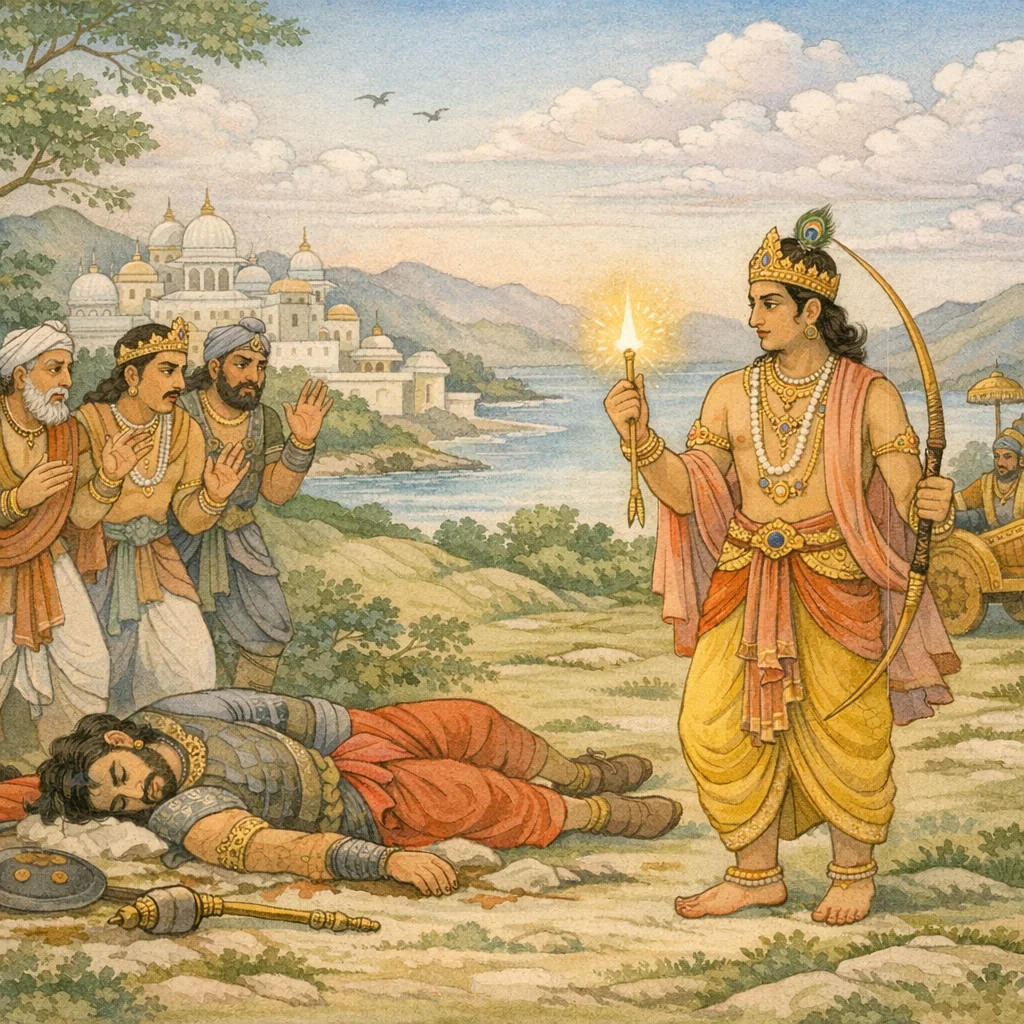
स त्वं सात्वतमुख्याद्य लब्धसंज्ञो यदृच्छया । पश्य मे हयसंयाने शिक्षां केशवनन्दन,'सात्वतवीरोंमें प्रधान केशवनन्दन! अब दैवेच्छासे आप सचेत हो गये हैं, अतः घोड़े हॉकनेकी कलामें मुझे कैसी उत्तम शिक्षा मिली है, उसे देखिये
O foremost among the Sātvatas, O son of Keśava! Since by the turn of fate you have now regained awareness, look upon the training I have acquired in the art of controlling and driving horses. (The speaker invites the hero to witness a skill gained through experience, implying that regained clarity should be matched by disciplined mastery in action.)
Verse 6
दारुकेणाहमुत्पन्नो यथावच्चैव शिक्षित: । वीतभी: प्रविशाम्येतां शाल्वस्य प्रथितां चमूम्,“मैं दारुकका पुत्र हूँ और उन्होंने ही मुझे सारथ्यकर्मकी यथावत् शिक्षा दी है। देखिये! अब मैं निर्भय होकर राजा शाल्वकी इस विख्यात सेनामें प्रवेश करता हूँ”
I am born of Dāruka, and it was he who trained me properly in the duties of a charioteer. Watch now: free from fear, I enter King Śālva’s renowned army.
Verse 7
वायुदेव उवाच एवमुक््त्वा ततो वीर हयान् संचोद्य संगरे । रश्मिभिस्तु समुद्यम्य जवेनाभ्यपतत् तदा,भगवान् श्रीकृष्ण कहते हैं--वीरवर! ऐसा कहकर उस सूतपुत्रने घोड़ोंकी बागडोर हाथमें लेकर उन्हें युद्धभूमिकी ओर हाँका और शीघ्रतापूर्वक वहाँ जा पहुँचा
Vāyudeva said: “Having spoken thus, O hero, he urged on the horses in the midst of battle. Grasping the reins firmly, he then rushed forward with speed and reached the battlefield.” The verse highlights disciplined action: speech is followed by decisive, controlled effort—energy guided by restraint (reins) rather than impulse.
Verse 8
मण्डलानि विचित्राणि यमकानीतराणि च । सव्यानि च विचित्राणि दक्षिणानि च सर्वश:,उसने समान-असमान और वाम-दक्षिण आदि सब प्रकारकी विचित्र मण्डलाकार गतिसे रथका संचालन किया
Vāyu-deva said: “He drove the chariot in every manner—tracing wondrous circular courses, executing paired and other complex maneuvers, and turning in all directions, to the left and to the right.” The passage highlights disciplined mastery and controlled power: skill is shown not as reckless display, but as precise command over motion and means.
Verse 9
प्रतोदेनाहता राजन् रश्मिभिश्च समुद्यता: । उत्पतन्त इवाकाशे व्यचरंस्ते हयोत्तमा:,राजन! वे श्रेष्ठ घोड़े चाबुककी मार खाकर बागडोर हिलानेसे तीव्र गतिसे दौड़ने लगे, मानो आकाशमें उड़ रहे हों
Vāyu said: “O King, struck by the whip and urged on as the reins were shaken, those finest of horses surged forward at great speed, moving as though they were leaping up into the sky.”
Verse 10
ते हस्तलाघवोपेतं विज्ञाय नृप दारुकिम् | दहामाना इव तदा नास्पृशंश्वरणैर्महीम्,महाराज! दारुकपुत्रके हस्तलाघवको समझकर वे घोड़े प्रजजलित अग्निकी भाँति दमकते हुए इस प्रकार जा रहे थे, मानो अपने पैरोंसे पृथ्वीका स्पर्श भी न कर रहे हों
Recognizing, O king, the deftness of Dāruka’s son, those horses then sped on, blazing as if on fire—so swift, O great king, that it seemed they did not even touch the earth with their hooves. The passage highlights how disciplined skill in service (here, expert charioteering) can harness great power without chaos, turning speed and force into controlled, purposeful motion.
Verse 11
सो<5पसव्यां चमूं तस्य शाल्वस्य भरतर्षभ । चकार नातियत्नेन तदद्भुतमिवाभवत्,भरतकुलभूषण! दारुकके पुत्रने अनायास ही शाल्वकी उस सेनाको अपस्व्य (दाहिने) कर दिया। यह एक अदभुत बात हुई
Vāyu said: “O bull among the Bharatas, he turned Śālva’s battle-array to the right (i.e., made it move in the reverse/inauspicious direction) with no great exertion. It appeared as something wondrous.” In the narrative frame, the feat highlights effortless mastery in battle—skill and presence of mind overcoming sheer numbers—while also implying the moral weight of strategy: victory can hinge on disciplined competence rather than brute force.
Verse 12
अमृष्यमाणो<5पसव्यं प्रद्युम्नेन च सौभराट् । यन्तारमस्य सहसा त्रिभि्बाणै: समार्दयत्,सौभराज शाल्व प्रद्यम्नके द्वारा अपनी सेनाका अपसव्य किया जाना न सह सका। उसने सहसा तीन बाण चलाकर प्रद्युम्मके सारथिको घायल कर दिया
Unable to endure that Pradyumna had forced his army into a leftward (inauspicious/defensive) turn, Śālva—the lord of Saubha—suddenly struck Pradyumna’s charioteer with three arrows, seeking to cripple his opponent’s mobility and thereby gain advantage in battle. The episode highlights how wounded pride and impatience can drive a warrior to target strategic supports rather than face the foe directly.
Verse 13
दारुकस्य सुतस्तत्र बाणवेगमचिन्तयन् । भूय एव महाबाहो प्रययावपसव्यत:,महाबाहो! परंतु दारुककुमारने वहाँ बाणोंके वेगपूर्वक प्रहारकी कोई चिन्ता न करते हुए शाल्वकी सेनाको अपसव्य (दाहिने) करते हुए ही रथको आगे बढ़ाया। वीरवर! तब सौभराज शाल्वने पुनः मेरे पुत्र रुक्मिणीनन्दन प्रद्युम्मपर अनेक प्रकारके बाण चलाये। शत्रुवीरोंका संहार करनेवाले रुक्मिणीनन्दन प्रद्युम्म अपने हाथोंकी फुर्ती दिखाते हुए शाल्वके बाणोंको अपने पास आनेसे पहले ही तीक्ष्ण बाणोंसे मुसकराकर काट देते थे। प्रद्युम्नके द्वारा अपने बाणोंको छिन्न-भिन्न होते देख सौभराजने भयंकर आसुरी मायाका सहारा लेकर बहुत-से बाण बरसाये
Vāyu said: “There, Dāruka’s son, giving no thought to the onrush of arrows, drove the chariot forward again, keeping the enemy to his right (moving in an apasavya course), O mighty-armed one.”
Verse 14
ततो बाणान् बहुविधान् पुनरेव स सौभराट् । मुमोच तनये वीर मम रुक्मिणिनन्दने,महाबाहो! परंतु दारुककुमारने वहाँ बाणोंके वेगपूर्वक प्रहारकी कोई चिन्ता न करते हुए शाल्वकी सेनाको अपसव्य (दाहिने) करते हुए ही रथको आगे बढ़ाया। वीरवर! तब सौभराज शाल्वने पुनः मेरे पुत्र रुक्मिणीनन्दन प्रद्युम्मपर अनेक प्रकारके बाण चलाये। शत्रुवीरोंका संहार करनेवाले रुक्मिणीनन्दन प्रद्युम्म अपने हाथोंकी फुर्ती दिखाते हुए शाल्वके बाणोंको अपने पास आनेसे पहले ही तीक्ष्ण बाणोंसे मुसकराकर काट देते थे। प्रद्युम्नके द्वारा अपने बाणोंको छिन्न-भिन्न होते देख सौभराजने भयंकर आसुरी मायाका सहारा लेकर बहुत-से बाण बरसाये
Then the lord of Saubha (Śālva) once again released many kinds of arrows at my son, the mighty-armed Pradyumna, the delight of Rukmiṇī. Yet Pradyumna, untroubled by the force of the assault, pressed his chariot forward while turning the enemy host aside, and with swift hands cut down the incoming shafts before they could reach him—showing the steadiness and skill expected of a righteous warrior amid the fury of battle.
Verse 15
तानप्राप्ताज्छितैर्बाणैश्षिच्छेद परवीरहा । रौक्मिणेय: स्मितं कृत्वा दर्शयन् हस्तलाघवम्,महाबाहो! परंतु दारुककुमारने वहाँ बाणोंके वेगपूर्वक प्रहारकी कोई चिन्ता न करते हुए शाल्वकी सेनाको अपसव्य (दाहिने) करते हुए ही रथको आगे बढ़ाया। वीरवर! तब सौभराज शाल्वने पुनः मेरे पुत्र रुक्मिणीनन्दन प्रद्युम्मपर अनेक प्रकारके बाण चलाये। शत्रुवीरोंका संहार करनेवाले रुक्मिणीनन्दन प्रद्युम्म अपने हाथोंकी फुर्ती दिखाते हुए शाल्वके बाणोंको अपने पास आनेसे पहले ही तीक्ष्ण बाणोंसे मुसकराकर काट देते थे। प्रद्युम्नके द्वारा अपने बाणोंको छिन्न-भिन्न होते देख सौभराजने भयंकर आसुरी मायाका सहारा लेकर बहुत-से बाण बरसाये
Before Śālva’s arrows could even reach him, Pradyumna—the slayer of hostile champions—cut them down with keen shafts. Smiling as he did so, the son of Rukmiṇī displayed effortless mastery of hand and weapon. The scene underscores a warrior’s discipline: skill is not merely force, but controlled precision that checks violence before it can strike. Seeing his missiles shattered, Śālva would soon turn to darker stratagems, revealing how frustration in battle can drive one from straightforward combat toward deceitful means.
Verse 16
छिन्नान् दृष्टवा तु तान् बाणान प्रद्युम्नेन च सौभराट् | आसुरीं दारुणीं मायामास्थाय व्यसृजच्छरान्,महाबाहो! परंतु दारुककुमारने वहाँ बाणोंके वेगपूर्वक प्रहारकी कोई चिन्ता न करते हुए शाल्वकी सेनाको अपसव्य (दाहिने) करते हुए ही रथको आगे बढ़ाया। वीरवर! तब सौभराज शाल्वने पुनः मेरे पुत्र रुक्मिणीनन्दन प्रद्युम्मपर अनेक प्रकारके बाण चलाये। शत्रुवीरोंका संहार करनेवाले रुक्मिणीनन्दन प्रद्युम्म अपने हाथोंकी फुर्ती दिखाते हुए शाल्वके बाणोंको अपने पास आनेसे पहले ही तीक्ष्ण बाणोंसे मुसकराकर काट देते थे। प्रद्युम्नके द्वारा अपने बाणोंको छिन्न-भिन्न होते देख सौभराजने भयंकर आसुरी मायाका सहारा लेकर बहुत-से बाण बरसाये
Seeing his arrows being cut to pieces by Pradyumna, the lord of Saubha (Śālva) resorted to a fierce, demonic illusion and, O mighty-armed one, unleashed a fresh volley of missiles. The episode underscores a recurring ethical contrast in battle: true martial excellence lies in skill, steadiness, and clarity, while the desperate turn to deceptive powers arises when straightforward prowess fails.
Verse 17
प्रयुज्यमानमाज्ञाय दैतेयास्त्र महाबलम् । ब्रह्मास्त्रेणान्तराच्छित्त्वा मुमोचान्यान् पतत्रिण:,प्रद्यम्नने शाल्वको अति शक्तिशाली दैत्यास्त्रका प्रयोग करता जानकर ब्रह्मास्त्रके द्वारा उसे बीचमें ही काट डाला और अन्य बहुत-से बाण बरसाये
Perceiving that a mighty Daitya-weapon had been set in motion, he intercepted it mid-course with the Brahmāstra, cutting it down; then he released many other arrows. The episode underscores that overwhelming force is to be met not with reckless rage but with discerning, proportionate counter-measures guided by mastery and restraint.
Verse 18
ते तदस्त्रं विधूयाशु विव्यधू रुधिराशना: । शिरस्युरसि वक््त्रे च स मुमोह पपात च,वे सभी बाण शत्रुओंका रक्त पीनेवाले थे। उन बाणोंने शाल्वके अस्त्रोंका नाश करके उसके मस्तक, छाती और मुखको बींध डाला, जिससे वह मूर्च्छित होकर गिर पड़ा
Those arrows—said to be ‘drinkers of the enemy’s blood’—swiftly shattered that weapon and then pierced him in the head, the chest, and the face. Struck thus, he lost consciousness and fell, showing how martial power, when met by superior force, can abruptly overturn pride and momentum in battle.
Verse 19
तस्मिन् निपतिते क्षुद्रे शाल्वे बाणप्रपीडिते । रौक्मिणेयो परं बाणं संदधे शत्रुनाशनम्,क्षुद्र स्वभाववाले राजा शाल्वके बाणविद्ध होकर गिर जानेपर रुक्मिणीनन्दन प्रद्युम्नने अपने धनुषपर एक उत्तम बाणका संधान किया, जो शत्रुका नाश कर देनेवाला था इति श्रीमहाभारते वनपर्वणि अर्जुनाभिगमनपर्वणि सौभवधोपाख्याने एकोनविंशो5 ध्याय:
When the petty-minded Śālva, struck down and tormented by arrows, fell to the ground, Rukmiṇī’s son Pradyumna fixed upon his bow a supreme arrow—one meant to bring the enemy’s destruction. The scene underscores the warrior’s resolve to end aggression decisively once the adversary’s violence has been checked.
Verse 20
तमर्चितं सर्वदशार्हपूगै- राशीविषाग्निज्वलनप्रकाशम् । दृष्टवा शरं ज्यामभिनीयमानं बभूव हाहाकृतमन्तरिक्षम्,वह बाण समस्त यादवसमुदायके द्वारा सम्मानित, विषैले सर्पके समान विषाक्त तथा प्रज्वलित अग्निके समान प्रकाशमान था। उस बाणको प्रत्यंचापर रखा जाता हुआ देख अन्तरिक्षलोकमें हाहाकार मच गया
Vāyu said: “That arrow—honoured by the assembled Daśārhas (the Yādava clans)—shone like a blazing fire and was as deadly as a venomous serpent. When the heavens beheld it being set upon the bowstring, a cry of alarm arose throughout the sky.”
Verse 21
ततो देवगणाः: सर्वे सेन्द्रा: सहधनेश्वरा: । नारदं प्रेषयामासु: श्वसनं च मनोजवम्,तब इन्द्र और कुबेरसहित सम्पूर्ण देवताओंने देवर्षि नारद तथा मनके समान वेगवाले वायुदेवको भेजा
Then all the hosts of gods—together with Indra and with Dhaneśvara (Kubera)—dispatched the divine seer Nārada, and also Vāyu, swift as the mind. The scene underscores a familiar Mahābhārata ethic: when a matter touches dharma and the welfare of beings, the gods act through trusted messengers—wisdom (Nārada) and force/energy (Vāyu)—to set events back on a righteous course.
Verse 22
तौ रौक्मिणेयमागम्य वचोडब्रूतां दिवौकसाम् | नैष वध्यस्त्वया वीर शाल्वराज: कथंचन,उन दोनोंने रुक्मिणीनन्दन प्रद्युम्मके पास आकर देवताओंका यह संदेश सुनाया --'वीरवर! यह राजा शाल्व युद्धमें कदापि तुम्हारा वध्य नहीं है”
Approaching Rukmiṇī’s son Pradyumna, the two conveyed the message of the gods: “O hero, King Śālva is in no way to be slain by you.” The statement frames the conflict within a higher moral order, implying that even in war a warrior’s agency is bounded by destiny, divine ordinance, and the rightful allotment of who may defeat whom.
Verse 23
संहरस्व पुनर्बाणमवध्यो<यं त्वया रणे । एतस्य च शरस्याजौ नावध्यो<स्ति पुमान् क्वचित्,“तुम अपने इस बाणको फिरसे लौटा लो; क्योंकि यह शाल्व तुम्हारे द्वारा अवध्य है। तुम्हारे इस बाणका प्रयोग होनेपर युद्धमें कोई भी पुरुष बिना मरे नहीं रह सकता
Vāyu said: “Withdraw your arrow and take it back again. This Śālva cannot be slain by you in battle. And once this missile is released in combat, no man anywhere can remain alive before it.”
Verse 24
मृत्युरस्य महाबाहो रणे देवकिनन्दन: । कृष्ण: संकल्पितो धात्रा तन्मिथ्या न भवेदिति,“महाबाहो! विधाताने युद्धमें देवकीनन्दन भगवान् श्रीकृष्णके हाथसे ही इसकी मृत्यु निश्चित की है। उनका वह संकल्प मिथ्या नहीं होना चाहिये”
Vāyu said: “O mighty-armed one, the Ordainer has already determined that this man’s death in battle shall come at the hands of Kṛṣṇa, the son of Devakī. Therefore that divine resolve must not be allowed to prove false.”
Verse 25
ततः परमसंदृष्ट: प्रद्युम्न: शरमुत्तमम् । संजहार धनुःश्रेष्ठात् तूणे चैव न्यवेशयत्,यह सुनकर प्रद्युम्न बड़े प्रसन्न हुए। उन्होंने अपने श्रेष्ठ धनुषसे उस उत्तम बाणको उतार लिया और पुन: तरकसमें रख दिया
Then Pradyumna, greatly delighted at what he had just witnessed, took down that excellent arrow from his finest bow and carefully placed it back into the quiver. The moment underscores disciplined restraint: even in a martial setting, the worthy warrior preserves his weapon with composure, acting neither in haste nor in pride, but with mindful control.
Verse 26
तत उत्थाय राजेन्द्र शाल्व: परमदुर्मना: । व्यपायात् सबलस्तूर्ण प्रद्युम्नशरपीडित:,राजेन्द्र! तदनन्तर शाल्व उठकर अत्यन्त दु:खितचित्त हो प्रद्युम्नके बाणोंसे पीड़ित होनेके कारण अपनी सेनाके साथ तुरंत भाग गया
Then, O best of kings, Śālva rose up, his mind overwhelmed with distress. Wounded and harried by Pradyumna’s arrows, he quickly withdrew, fleeing together with his forces. The episode underscores how arrogance and hostile intent, when met by rightful valor, collapse into fear and retreat.
Verse 27
स द्वारकां परित्यज्य क्रूरो वृष्णिभिरार्दित: । सौभमास्थाय राजेन्द्र दिवमाचक्रमे तदा,महाराज! उस समय वृष्णिवंशियोंसे पीड़ित हो क्रूर स्वभाववाला शाल्व द्वारकाको छोड़कर अपने सौभ नामक विमानका आश्रय ले आकाशमें जा पहुँचा
Vāyu said: “Then Śālva—cruel by nature and hard-pressed by the Vṛṣṇis—abandoned Dvārakā. Taking refuge in his aerial craft named Saubha, he rose into the sky.”
Frequently Asked Questions
The dilemma is whether a temporary tactical withdrawal—undertaken to protect an impaired warrior—constitutes a breach of kṣātra honor, or whether it is justified as sārathyadharma aimed at preserving life and restoring capacity.
The chapter teaches that dharma can be role-dependent and plural: a warrior’s identity is regulated by public norms of courage and reputation, while a charioteer’s duty emphasizes care, risk assessment, and continuity of agency under adversity.
No explicit phalaśruti is stated here; the chapter functions as normative exemplum, embedding ethical criteria (honor, duty, protected categories) into narrative to guide interpretation of conduct within the epic’s broader moral economy.