Adhyaya 3
धृतराष्ट्रस्य मूर्च्छा स्त्रीणां च आर्तनादः (Dhṛtarāṣṭra’s Collapse and the Lament of the Palace Women)
Upa-parva: Dhṛtarāṣṭra-Śoka-Prakaraṇa (Court Lament and Reassurance Episode)
Vaiśaṃpāyana reports that upon hearing Sanjaya’s words, Dhṛtarāṣṭra—overwhelmed and unable to find an end to grief—falls to the ground as if senseless, imagining Duryodhana slain. A great lament rises from the women, filling the surroundings; the Bharata women are described as submerged in a terrifying ocean of sorrow. Gāndhārī reaches the king and collapses unconscious, and the inner-palace attendants likewise faint. Sanjaya consoles the distressed women as they repeatedly weep, trembling like plantain trees shaken by wind. Vidura also reassures the king, sprinkling water, until Dhṛtarāṣṭra gradually regains awareness. He stands silent, then reflects for a long time, repeatedly sighing; he censures his sons, judges the Pāṇḍavas formidable, and reproaches his own judgment and Śakuni’s counsel. Regaining composure, he questions Sanjaya again, asking whether Duryodhana has truly gone to Yama’s abode and requesting a truthful repetition. Sanjaya replies with grave confirmation of major losses: Karṇa (Vaikartana) is slain along with his sons and brothers (noted as skilled archers), and Duḥśāsana is killed; Bhīma, in fury, drinks Duḥśāsana’s blood in battle.
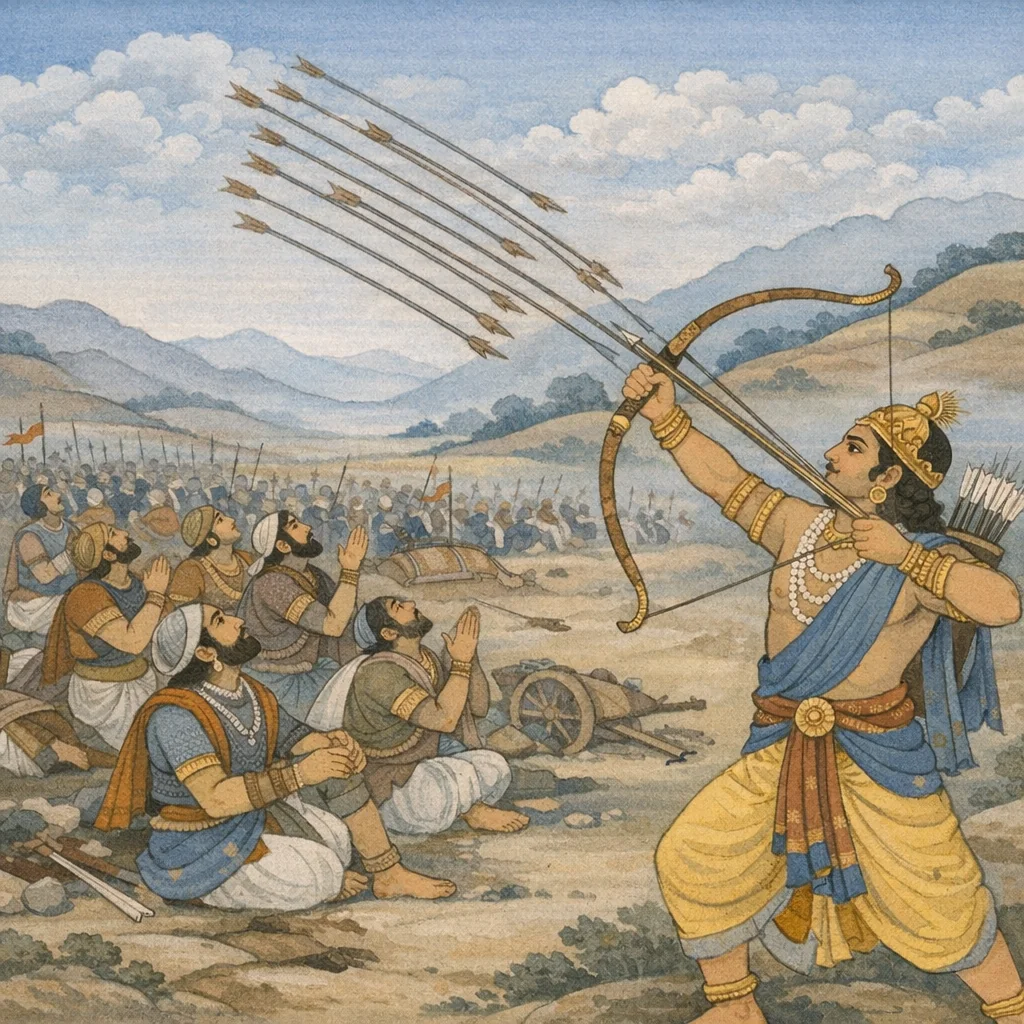
Chapter Arc: धृतराष्ट्र संजय से पूछते हैं कि द्रोण के वध के बाद शोकाकुल, दिशाहीन-सी हुई कौरव-सेना का मनोबल कैसे संभला और युद्ध फिर किस आधार पर आगे बढ़ा। → संजय बताता है कि द्रोणाचार्य के गिरते ही ‘सर्वतोमुख’ सेना विषाद में डूब गई—योद्धा ऊपर की ओर ताकते, स्तब्ध और शोकग्रस्त; ऐसे समय में युद्ध-नीति और अस्त्र-प्रयोग की चर्चा (मुक्त, अमुक्त, यन्त्रमुक्त, मुक्तामुक्त) मानो इस अराजकता को फिर अनुशासन में बाँधने का प्रयास बनती है। → कौरव पक्ष अपने शोक को क्रोध और संकल्प में बदलता है—घटोत्कच-वध की स्मृति और ‘अमोघ शक्ति’ का उल्लेख कर कर्ण के ‘दुर्वार वीर्य’ का उद्घोष होता है; साथ ही द्रोणपुत्र अश्वत्थामा और राधेय कर्ण को विष्णु-वासव तुल्य बताकर पाण्डवों के सामने उनके पराक्रम का दृश्य खड़ा किया जाता है। → संजय के वर्णन में सेना को यह बोध कराया जाता है कि युद्ध में ‘जय या वध’ दोनों स्वाभाविक हैं—अतः शोक त्यागकर सर्वतोमुख होकर लड़ो; कर्ण के धनुष से उठती सैकड़ों बाण-धाराएँ और सहस्रों योद्धाओं का संहार युद्ध-यंत्र को फिर चलायमान कर देता है। → कर्ण और अश्वत्थामा के संयुक्त उग्र पराक्रम के सामने पाण्डव-सेना का अगला प्रतिकार किस रूप में उठेगा—और किस महावीर का पतन निकट है—यह प्रश्न अध्याय के अंत में हवा में टँगा रह जाता है।
Shlokas
Verse 1
/ 2: जि - अस्त्रोंके चार भेद इस प्रकार हैं--मुक्त, अमुक्त, यन्त्रमुक्त तथा मुक्तामुक्त। जो धनुष या हाथसे शत्रुपर फेंके जाते हैं, वे मुक्त कहलाते हैं, जैसे बाण आदि। जिन्हें हाथमें लिये हुए ही प्रहार किया जाता है, उन अस्त्रोंको अमुक्त कहते हैं, जैसे तलवार आदि। जो यन्त्रसे फेंके जाते हैं, वे यन्त्रमुक्त कहलाते हैं, जैसे गोला आदि तथा जिस अस्त्रको छोड़कर पुनः उसका उपसंहार किया जाता है, अर्थात् जो शत्रुपर चोट करके पुन: प्रयोग करनेवालेके हाथमें आ जाते हैं, वे मुक्तामुक्त कहलाते हैं, जैसे श्रीकृष्णका सुदर्शन चक्र और इन्द्रका वज् आदि। तृतीयो<ध्याय: दुर्योधनके द्वारा सेनाको आश्वासन देना तथा सेनापति कर्णके युद्ध और वधका संक्षिप्त वृत्तान्त संजय उवाच हते द्रोणे महेष्वासे तव पुत्रा महारथा: । बभूवुरस्वस्थमुखा विषण्णा गतचेतस:,संजयने कहा--महाराज! महाथनुर्धर द्रोणाचार्यके मारे जानेपर आपके महारथी पुत्र विषादग्रस्त और अचेत-से हो गये। उनके मुखपर अस्वस्थताका चिह्न स्पष्ट दिखायी देने लगा
Sañjaya said: “O King, when Droṇa—the great archer—had been slain, your sons, those foremost warriors, were shaken within. Distress was plain upon their faces; they sank into dejection, their minds as though lost.”
Verse 2
इस प्रकार श्रीमह्या भारत कर्णपर्वमें धृतराष्ट्-अंजयसंवादविषयक दूसरा अध्याय पूरा हुआ,अवाड्ूमुखा: शस्त्रभृत: सर्व एव विशाम्पते | अप्रेक्षमाणा: शोकार्ता नाभ्यभाषन् परस्परम् प्रजानाथ! सभी शणस्त्रधारी सैनिक मुँह नीचे किये शोकसे व्याकुल हो गये। वे एक- दूसरेकी ओर न तो देखते थे और न बात ही करते थे
O lord of the people, all the weapon-bearing warriors, with faces cast down, were overwhelmed by grief. They neither looked at one another nor spoke among themselves—silenced by sorrow.
Verse 3
तान् दृष्टवा व्यथिताकारान् सैन्यानि तव भारत | ऊर्ध्वमेव निरैक्षन्त दुःखत्रस्तान्यनेकश:,भरतनन्दन! उन सबको विषादमें डूबा हुआ देख आपकी अनेक सेनाएँ भी दुःखसे संत्रस्त हो ऊपरकी ओर ही दृष्टिपात करने लगीं इति श्रीमहाभारते कर्णपर्वणि संजयवाक्यं नाम तृतीयो5ध्याय:
O scion of Bharata, seeing them so afflicted, many of your forces too, stricken by sorrow, lifted their gaze upward alone.
Verse 4
शस्त्राण्येषां तु राजेन्द्र शोणिताक्तानि सर्वश: । प्राभ्रश्यन्त कराग्रेभ्यो दृष्टवा द्रोणं हतं युधि
Sañjaya said: “O king, the weapons of those warriors—every one of them smeared with blood—slipped and fell from their very hands when they saw Droṇa slain in battle.”
Verse 5
राजेन्द्र! युद्धमें द्रोणाचार्यको मारा गया देख खूनसे रँँगे हुए इन सैनिकोंके शस्त्र हाथोंसे छूटकर गिर पड़े ।। तानि बद्धान्यरिष्टानि लम्बमानानि भारत । अदृश्यन्त महाराज नक्षत्राणि यथा दिवि,भरतवंशी महाराज! कमर आदिमें बँधकर लटकते हुए वे अस्त्र-शस्त्र आकाशसे टूटते हुए नक्षत्रोंक समान दिखायी दे रहे थे
Sañjaya said: “O lord of kings, when they saw Droṇācārya slain in battle, the soldiers—stained with blood—let their weapons slip from their hands and they fell. Those weapons, fastened to their belts and hanging down, appeared, O Bhārata, like stars breaking loose and dropping from the sky—an image of the army’s shock, loss of resolve, and the moral disarray that follows the fall of a revered teacher in war.”
Verse 6
तथा तु स्तिमितं दृष्टवा गतसत्त्वमवस्थितम् | बल॑ तव महाराज राजा दुर्योधनो<ब्रवीत्,नरेश्वर! इस प्रकार आपकी सेनाको प्राणहीन-सी निश्चल खड़ी देख राजा दुर्योधनने कहा--
Sañjaya said: Then, seeing your army standing motionless, as though its spirit had ebbed away, King Duryodhana spoke—O great king, O lord of men. The scene conveys a moral tension: when resolve collapses in the face of fear and uncertainty, leadership is tested to restore courage and purpose amid the demands of war.
Verse 7
भवतां बाहुवीर्य हि समाश्रित्य मया युधि । पाण्डवेया: समाहूता युद्ध चेदं प्रवर्तितम्,“वीरो! आपलोगोंके बाहुबलका भरोसा करके मैंने युद्धके लिये पाण्डवोंको ललकारा है और यह युद्ध आरम्भ किया है
Sanjaya said: Relying on the strength of your mighty arms, I challenged the sons of Pāṇḍu on the battlefield and thus set this war in motion. The statement underscores how confidence in martial power becomes the immediate cause for escalating conflict, shifting responsibility from restraint and counsel to the momentum of violence.
Verse 8
तदिदं निहते द्रोणे विषण्णमिव लक्ष्यते । युध्यमानाश्व समरे योधा वध्यन्ति सर्वश:,परंतु द्रोणाचार्यके मारे जानेपर यह सारी सेना विषादमें डूबी हुई-सी दिखायी देती है। समर-भूमिमें युद्ध करनेवाले प्रायः सभी योद्धा शत्रुओंके हाथसे मारे जाते हैं। रणभूमिमें जूझनेवाले वीरको कभी विजय भी प्राप्त होती है और कभी उसका वध भी हो जाता है। इसमें आश्वर्यकी कौन-सी बात है? अतः आपलोग सब ओर मुँह करके उत्साहपूर्वक युद्ध करें
Sañjaya said: “Now that Droṇa has been slain, this entire host appears as though sunk in despondency. For on the battlefield, warriors who are engaged in combat are cut down on every side. In war, a fighter sometimes attains victory and sometimes meets death—what is surprising in that? Therefore, turning to every quarter, fight on with renewed ardor.”
Verse 9
जयो वापि वधो वापि युध्यमानस्य संयुगे | भवेत् किमत्र चित्र वै युध्यध्वं सर्वतोमुखा:,परंतु द्रोणाचार्यके मारे जानेपर यह सारी सेना विषादमें डूबी हुई-सी दिखायी देती है। समर-भूमिमें युद्ध करनेवाले प्रायः सभी योद्धा शत्रुओंके हाथसे मारे जाते हैं। रणभूमिमें जूझनेवाले वीरको कभी विजय भी प्राप्त होती है और कभी उसका वध भी हो जाता है। इसमें आश्वर्यकी कौन-सी बात है? अतः आपलोग सब ओर मुँह करके उत्साहपूर्वक युद्ध करें
Sanjaya said: “For one who fights in the clash of battle, either victory comes—or death. What is surprising in that? Therefore, face every direction and fight on with resolve.” In the wake of Droṇa’s fall, the army appears sunk in grief; yet Sanjaya sets forth the battlefield’s hard truth—risk accepted and duty upheld—and urges the warriors to rise from despair into disciplined action.
Verse 10
पश्यध्वं च महात्मानं कर्ण वैकर्तनं युधि । प्रचरन्तं महेष्वासं दिव्यैरस्त्रैमहाबलम्,“देखिये, महामना, महाधनुर्धर और महाबली वैकर्तन कर्ण अपने दिव्यास्त्रोंके साथ किस प्रकार युद्धमें विचर रहा है?
Sañjaya said: “Behold Karṇa, the son of the charioteer (Vaikartana)—a great-souled, mighty-armed master archer—moving about on the battlefield, wielding his divine weapons. See how his power and prowess range through the war.”
Verse 11
यस्य वै युधि संत्रासात् कुन्तीपुत्रो धनंजय: । निवर्तते सदा मन्द: सिंहात क्षुद्रमूगो यथा,“जिसके भयसे वह कुन्तीका मूर्ख पुत्र अर्जुन सदा उसी प्रकार मुँह मोड़ लेता है, जैसे सिंहके सामनेसे क्षुद्र मृम भाग जाता है
Sañjaya said: “Struck with fear of him on the battlefield, Kuntī’s son Dhanañjaya (Arjuna) always turns back—faint-hearted—just as a small animal flees before a lion.” The line bears the rhetoric of war: courage is praised and fear is mocked, as the foe’s prowess is cast as so overwhelming that even Arjuna would recoil.
Verse 12
येन नागायुतप्राणो भीमसेनो महाबल: । मानुषेणैव युद्धेन तामवस्थां प्रवेशित:,“जिसने दस हजार हाथियोंके समान बलवाले महाबली भीमसेनको मानवन-युद्धके द्वारा ही वैसी दुरवस्थामें डाल दिया था
Sañjaya said: “He by whom the mighty Bhīmasena—whose strength was like that of ten thousand elephants—was brought into such a wretched condition, and that too by purely human combat.”
Verse 13
येन दिव्यास्त्रविच्छूरो मायावी स घटोत्कच: । अमोघया रणे शक््त्या निहतो भैरवं नदन्,“जिसने रणभूमिमें भयंकर गर्जना करनेवाले दिव्यास्त्रवेत्ता, शूरवीर मायावी घटोत्कचको अपनी अमोघ शक्तिसे मार डाला था
Sañjaya said: “He by whom the heroic and illusion-wielding Ghaṭotkaca—skilled in divine missiles—was slain in battle with the unfailing spear, roaring terribly.” The line recalls a decisive act in war: the use of an irrevocable weapon to remove a formidable, deceptive foe, highlighting the grim calculus of duty and necessity on the battlefield.
Verse 14
तस्य दुर्वारवीर्यस्य सत्यसंधस्य धीमत: । बह्लोद्रविणमक्षय्यमद्य द्रक्ष्यथ संयुगे,“जिसके पराक्रमको रोकना अत्यन्त कठिन है, उस सत्यप्रतिज्ञ बुद्धिमान् कर्णके अक्षय बाहुबलको आज आपलोग समरांगणमें देखेंगे
Sañjaya said: “Today, on the field of battle, you shall behold the inexhaustible might and abundant martial resources of that wise Karṇa—whose vow is true and whose valor is exceedingly hard to withstand.”
Verse 15
द्रोणपुत्रस्य विक्रान्तं राधेयस्यैव चो भयो: । पश्यन्तु पाण्डुपुत्रास्ते विष्णुवासवयोरिव,“आज पाण्डव भगवान् विष्णु और इन्द्रके समान शक्तिशाली द्रोणपुत्र तथा राधापुत्र दोनोंके पराक्रमको देखें
Sañjaya said: “Let those sons of Pāṇḍu behold today the prowess of both—Droṇa’s son and Rādheya—mighty like Viṣṇu and Vāsava (Indra).”
Verse 16
सर्व एव भवन्तश्न शक्ता: प्रत्येकशो5पि वा । पाण्डुपुत्रान् रणे हन्तुं ससैन्यान् किमु संहता:
Sañjaya said: “All of you are capable—each one even by himself—of slaying the sons of Pāṇḍu in battle, together with their forces; how much more, then, when you act united as a single host?”
Verse 17
संजय उवाच एवमुक्त्वा तत: कर्ण चक्रे सेनापतिं तदा । तव पुत्रो महावीर्यों भ्रातृभि: सहितोडनघ,संजय कहते हैं--निष्पाप नरेश! ऐसा कहकर आपके महापराक्रमी पुत्र दुर्योधनने अपने भाइयोंके साथ मिलकर कर्णको सेनापति बनाया
Sañjaya said: Having spoken thus, your son—of great prowess—then appointed Karṇa as commander of the army, O blameless king, acting together with his brothers.
Verse 18
सैनापत्यमथावाप्य कर्णो राजन् महारथ: । सिंहनादं विनद्योच्चै: प्रायुध्यत रणोत्कट:
Sañjaya said: O King, having obtained the command of the army, Karṇa—the great chariot-warrior—roared aloud like a lion and, fierce in the heat of battle, set himself to fight.
Verse 19
राजन्! सेनापतिका पद पाकर महारथी कर्ण उच्चस्वरसे सिंहनाद करके रणोन्मत्त होकर युद्ध करने लगा ।। स सूंजयानां सर्वेषां पठ्चालानां च मारिष | केकयानां विदेहानां चकार कदनं महत्,मान्यवर! उसने समस्त सूंजयों, पांचालों, केकयों और विदेहोंका महान् संहार किया
Sañjaya said: “O King, having obtained the post of commander, the great chariot-warrior Karṇa, roaring aloud like a lion, became intoxicated with the fury of battle and set about fighting. Revered sir, he then wrought a great slaughter among all the Sṛñjayas, the Pāñcālas, the Kekayas, and the Videhas.”
Verse 20
तस्येषुधारा: शतश: प्रादुरासज्छरासनात् | अग्रे पुड्खे च संसक्ता यथा भ्रमरपड्धक्तय:,उसके धनुषसे सैकड़ों बाणधाराएँ, जो अग्रभाग और पुच्छभागमें परस्पर सटी हुई थीं, भ्रमरपंक्तियोंके समान प्रकट होने लगीं
Sañjaya said: From his bow there suddenly appeared hundreds of continuous streams of arrows. Joined closely at their fore and rear, they seemed like dense rows of black bees.
Verse 21
स पीडयित्वा पज्चालान् पाण्डवांश्व॒ तरस्विन: । हत्वा सहस्रशो योधानर्जुनेन निपातित:,वह पांचालों और वेगशाली पाण्डवोंको पीड़ित करके सहस्रों योद्धाओंको मारकर अन्तमें अर्जुनके हाथसे मारा गया
Sañjaya said: Having harried the Pāñcālas and the swift Pāṇḍavas, and after slaying warriors by the thousand, he was at last struck down by Arjuna.
Verse 163
वीर्यवन्तः कृतास्त्राश्च द्रक्ष्यथाद्य परस्परम् “आप सभी योद्धाओंमेंसे प्रत्येक वीर रणभूमिमें सेनासहित पाण्डवोंको मार डालनेकी शक्ति रखता है। फिर जब आपलोग संगठित होकर युद्ध करें तो क्या नहीं कर सकते हैं? आप पराक्रमी और अस्त्रविद्याके विद्वान् हैं; अतः आज एक-दूसरेको अपना-अपना पुरुषार्थ दिखावें'
Sañjaya said: “You will see today, face to face, warriors who are mighty in valor and fully trained in the use of weapons. Each one of you, with his own troops, has the power to slay the Pāṇḍavas; what then could you not accomplish if you fight in disciplined unity? Since you are heroic and skilled in arms, let each display his own prowess today.”
Frequently Asked Questions
The chapter centers on the ethics of receiving and transmitting catastrophic news: Dhṛtarāṣṭra must confront responsibility for prior choices, while Sanjaya must report truthfully without destabilizing the court beyond recovery.
Unchecked attachment and compromised counsel lead to predictable institutional collapse; regaining composure requires self-audit—recognizing errors in judgment, the influence of advisers, and the long arc of consequences.
No explicit phalaśruti appears in this passage; its meta-function is narrative and ethical, using court grief and repeated inquiry to underscore the necessity of truthful testimony and reflective accountability within the epic’s war-reporting frame.