Adhyaya 158
नृशंस-लक्षणनिर्णयः | Determining the Marks of Cruel Conduct (Nṛśaṃsa)
Upa-parva: Rājadharmānuśāsana Upa-Parva (Instruction on Royal Ethics) — Nṛśaṃsa-lakṣaṇa discourse context
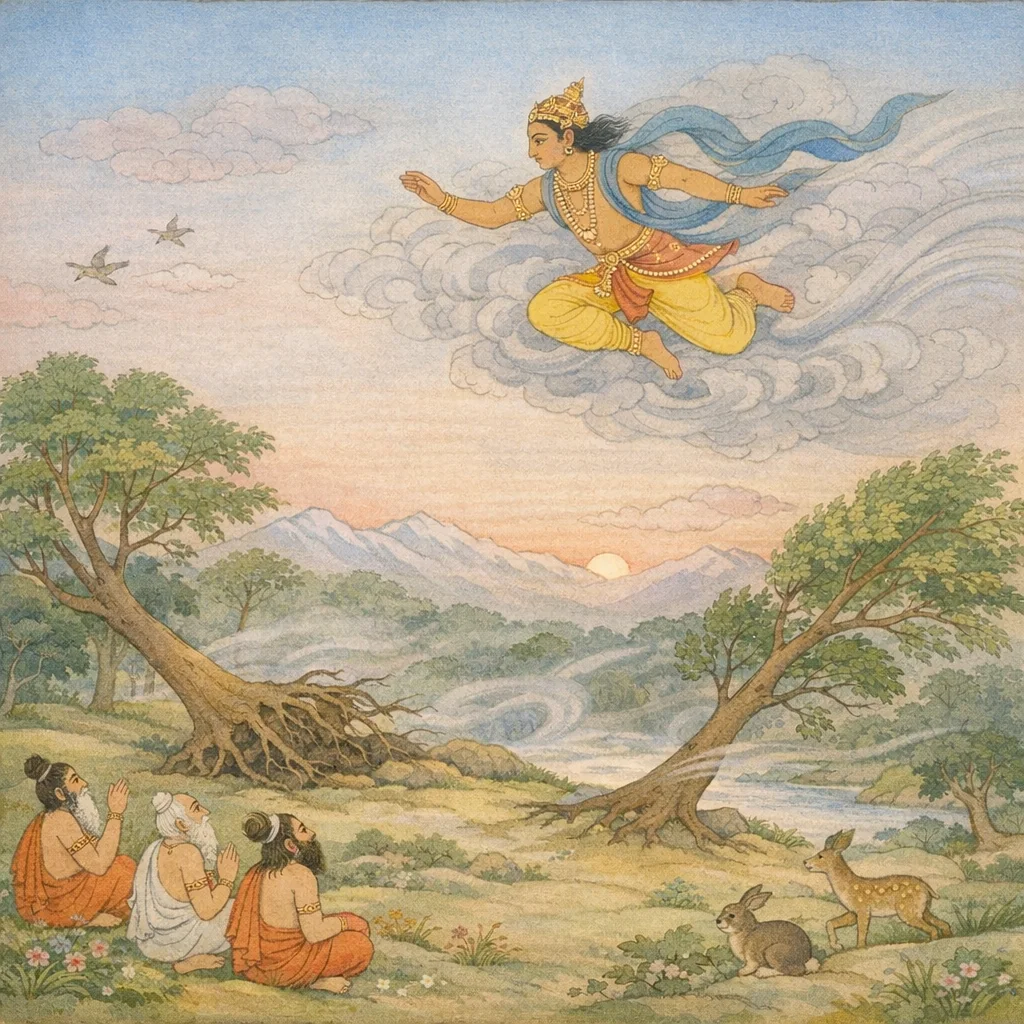
Yudhiṣṭhira states that he can recognize ānṛśaṃsya (a non-cruel, compassionate disposition) by the very presence and conduct of the virtuous, but asks how nṛśaṃsa persons are to be identified and what the dharmic determination regarding them should be. He notes that people instinctively avoid hazards like thorns, wells, and fire, and similarly avoid a person whose actions are cruel. Bhīṣma answers by enumerating observable traits: concealed greed, performative aggression, duplicity, small-mindedness, deceit, vanity, excessive suspicion, harsh speech, miserliness, factionalism, habitual violence, indifference to merit and demerit, frequent falsehood, and an inability to trust others (projecting one’s own disposition onto them). Such a person publicizes others’ secrets and faults, harms peers for livelihood, misconstrues benefactors as deceivers, and regrets timely gifts. A concrete social marker is given: one who consumes desirable food in front of onlookers without sharing is deemed nṛśaṃsa. By contrast, one who first offers to Brāhmaṇas and then eats with friends is described as attaining auspicious outcomes. The chapter closes by advising consistent avoidance of the nṛśaṃsa type for those seeking well-being.
Chapter Arc: भीष्म युधिष्ठिर को एक दृष्टान्त सुनाते हैं—वन में शाल्मलि वृक्ष प्रातःकाल आने वाले वायु के सामने अपने ही निर्णय से शाखा-पत्र-पुष्प त्यागकर खड़ा हो जाता है, मानो बलवान के सामने अपनी रक्षा-नीति भूल गया हो। → वायुदेव क्रुद्ध होकर महाद्रुमों को गिराते हुए उसी देश में आते हैं जहाँ शाल्मलि स्थित है। शाल्मलि की हीन-दशा देखकर वायु उसे उसकी ‘आत्मदुर्मन्त्रणा’ का परिणाम बताते हैं—दुर्बल होकर बलवान की शक्ति को चुनौती देने का दुष्परिणाम। → वायु का कठोर उपदेश चरम पर पहुँचता है: ‘दुर्बल को बलवत्तर से वैर नहीं करना चाहिए; वैर करने वाला शाल्मलि की भाँति शोक और क्षति पाता है।’ साथ ही महात्माओं की नीति—वे अपकारियों पर तुरंत वैर प्रकट नहीं करते, समय आने पर अपना बल दिखा देते हैं—एक निर्णायक नीति-वाक्य बनकर उभरती है। → भीष्म इस संवाद से नीति-सार निकालते हैं: क्षमा और संयम का अभ्यास करो—बालक, जड़, अंध, बधिर, तथा बलाधिक व्यक्ति के प्रति विशेषतः; क्योंकि असमान शक्ति-संबंध में वैर धर्म नहीं, विनाश का द्वार है। → भीष्म युधिष्ठिर से पूछते हैं—राजधर्म और आपद्धर्म का विस्तार कह चुका; अब और क्या सुनना चाहते हो?
Shlokas
Verse 1
नप्मआा यम () अआजअत+- सप्तपञ्चाशर्दाधिकशततमोब ध्याय: सेमलका हार स्वीकार करना तथा बलवानके साथ वैर न करनेका उपदेश भीष्म उवाच ततो निश्चित्य मनसा शाल्मलि: क्षुभितस्तदा । शाखा: स्कन्धान् प्रशाखाश्न स्वयमेव व्यशातयत्,भीष्मजीने कहा--राजन्! मन-ही-मन ऐसा विचारकर सेमलने क्षुभित हो अपनी शाखाओं, डालियों तथा टहनियोंको स्वयं ही नीचे गिरा दिया
Bhishma said: “Then, having resolved within his mind, the śālmalī tree became agitated. At that moment it caused its own branches, boughs, and offshoots to fall down by itself.”
Verse 2
स परित्यज्य शाखाश्न पत्राणि कुसुमानि च । प्रभाते वायुमायान्तं प्रत्यैक्षत वनस्पति:,वह वनस्पति अपनी शाखाओं, पत्तों और फूलोंको त्यागकर प्रात:काल वायुके आनेकी प्रतीक्षा करने लगा
Bhīṣma said: Having let go of its branches, leaves, and blossoms, the tree waited at daybreak, watching for the wind to arrive—an image of deliberate renunciation and patient readiness for the force that will carry one onward when the time is ripe.
Verse 3
ततः क्रुद्ध: श्वसन वायु: पातयन् वै महाद्रुमान् । आजगामाथ तं॑ देशमास्ते यत्र स शाल्मलि:,तत्पश्चात् सबेरा होनेपर वायुदेव कुपित हो बड़े-बड़े वृक्षोंको धराशायी करते हुए उस स्थानपर आये, जहाँ वह सेमलका वृक्ष था
Then the Wind-god, enraged and roaring, came to that region, felling great trees as he went, to the very place where that śālmalī (silk-cotton) tree stood. The episode underscores how uncontrolled wrath, even in a mighty power, manifests as indiscriminate destruction before it reaches its intended object.
Verse 4
त॑ हीनपर्ण पतिताग्रशाखं निशीर्णपुष्पं प्रसमीक्ष्य वायु: । उवाच वाक्यं स्मयमान एवं मुदा युत: शाल्मलिमुग्रशाखम्,वायुने देखा कि सेमलके पत्ते गिर गये हैं और उसकी श्रेष्ठ शाखाएँ धराशायी हो गयी हैं। यह फूलोंसे भी हीन हो चुका है, तब वे बड़े प्रसन्न हुए और जिसकी शाखाएँ पहले बड़ी भंयकर थीं, उस सेमलसे मुसकराते हुए इस प्रकार बोले
Bhishma said: Seeing the śālmali tree stripped of leaves, its topmost branches fallen, and its flowers withered away, the Wind—now delighted—smiled and addressed that once-fierce-branched tree. The scene frames a moral contrast: when pride and outward grandeur collapse, the wise observe the change and speak to expose the lesson hidden in decline.
Verse 5
वायुरुवाच अहमप्येवमेव त्वां कुर्वाण: शाल्मले रुषा | आत्मना यत्कृतं कृच्छे शाखानामपकर्षणम्,वायुने कहा--शाल्मले! मैं भी रोषमें भरकर तुम्हें ऐसा ही बना देना चाहता था। तुमने स्वयं ही यह कष्ट स्वीकार कर लिया है, तुम्हारी शाखाएँ गिर गयीं, फूल पत्ते, डालियाँ और अंकुर सभी नष्ट हो गये। तुमने अपनी ही कुमतिसे यह विपत्ति मोल ली है। तुम्हें मेरे बल और पराक्रमका शिकार बनना पड़ा है
Vāyu said: “O Śālmali, I too, in anger, wished to reduce you to the same condition. But the hardship you now suffer—the tearing away and loss of your branches—has been brought about by your own doing. By your own misguided judgment you have invited this calamity, and you have fallen prey to my strength and force.”
Verse 6
हीनपुष्पाग्रशाखस्त्वं शीर्णाकुरपलाशक: । आत्मदुर्मन्त्रितेनेह मद्वीर्यवशग: कृत:,वायुने कहा--शाल्मले! मैं भी रोषमें भरकर तुम्हें ऐसा ही बना देना चाहता था। तुमने स्वयं ही यह कष्ट स्वीकार कर लिया है, तुम्हारी शाखाएँ गिर गयीं, फूल पत्ते, डालियाँ और अंकुर सभी नष्ट हो गये। तुमने अपनी ही कुमतिसे यह विपत्ति मोल ली है। तुम्हें मेरे बल और पराक्रमका शिकार बनना पड़ा है
Bhishma said: 'You have been left with your flowering tips and branches ruined; your buds and leaves have withered and fallen away. By your own ill-judged counsel you have brought this suffering upon yourself here, and you have been made subject to my strength and prowess.'
Verse 7
भीष्य उवाच एतच्छुत्वा वचो वायो: शाल्मलिब्रीडितस्तदा । अतप्यत वच: स्मृत्वा नारदो यत् तदाब्रवीत्,भीष्मजी कहते हैं--राजन्! वायुका यह वचन सुनकर सेमल उस समय लज्जित हो गया और नारदजीने जो कुछ कहा था, उसे याद करके वह बहुत पछताने लगा
Bhishma said: “O King, hearing these words of Vāyu, the śālmalī tree was then overcome with shame. Remembering what Nārada had spoken earlier, it burned with remorse and repented deeply.”
Verse 8
एवं हि राजशार्दूल दुर्बल: सन् बलीयसा । वैरमारभते बालस्तप्यते शाल्मलियीथा,नृपश्रेष्ठ) इसी प्रकार जो मूर्ख मनुष्य स्वयं दुर्बल होकर किसी बलवान्के साथ वैर बाँध लेता है, वह सेमलके समान ही संतापका भागी होता है
Bhishma said: “So it is, O tiger among kings: a foolish man, though himself weak, begins a feud with one who is stronger; he only comes to grief, like the śālmalī (silk-cotton) tree that ends up scorched.”
Verse 9
तस्माद् वैरं न कुर्वीत दुर्बलो बलवत्तरै: | शोचेद्धि वैरं कुर्वाणो यथा वै शाल्मलिस्तथा,अतः: दुर्बल मनुष्य बलवानोंके साथ वैर न करे। यदि वह करता है तो सेमलके समान ही शोचनीय दशाको पहुँचकर शोकमग्न होता है
Therefore, one who is weak should not make enmity with those who are stronger. For if he does create hostility, he will surely come to grief—lamenting in a pitiable state, like the śālmali tree.
Verse 10
न हि वैरं महात्मानो विवृण्वन्त्यपकारिषु । शनै: शनैर्महाराज दर्शयन्ति सम ते बलम्,महाराज! महामनस्वी पुरुष अपनी बुराई करने-वालोंपर वैरभाव नहीं प्रकट करते हैं। वे धीरे-धीरे ही अपना बल दिखाते हैं
Bhishma said: “Truly, great-souled men do not openly display enmity toward those who wrong them. O King, they reveal their strength only gradually—at the proper time—maintaining composure and restraint.”
Verse 11
वैरं न कुर्वीत नरो दुर्बुद्धिर्बुद्धिजीविना । बुद्धिर्बुद्धिमतो याति तृणेष्विव हुताशन:,खोटी बुद्धिवाला मनुष्य किसी बुद्धिजीवी पुरुषसे वैर न बाँधे; क्योंकि घास-फूँसपर फैलनेवाली आगके समान बुद्धिमानोंकी बुद्धि सर्वत्र पहुँच जाती है
Bhishma said: “A foolish man should not make enmity with one who lives by wisdom. For the intelligence of the wise spreads everywhere—like fire racing through dry grass—reaching far beyond what the foolish can anticipate.”
Verse 12
न हि बुद्धया सम किंचिद् विद्यते पुरुषे नृप । तथा बलेन राजेन्द्र न समो5स्तीह कक्षन,नरेश्वर! राजेन्द्र! पुरुषमें बुद्धिके समान दूसरी कोई वस्तु नहीं है। संसारमें जो बुद्धि- बलसे युक्त है, उसकी समानता करनेवाला दूसरा कोई पुरुष नहीं है
Bhishma said: “O king, within a person there is nothing equal to intelligence. And, O best of kings, in this world there is no one who can match a person whose strength is guided by intelligence. Thus, true superiority lies not in mere power, but in power directed by discerning reason.”
Verse 13
तस्मात् क्षमेत बालाय जडान्धबधिराय च | बलाधिकाय राजेन्द्र तद् दृष्टं त्वयि शत्रुहन्,शत्रुओंका नाश करनेवाले राजेन्द्र! इसलिये जो बालक, जड, अन्ध, बधिर, तथा बलमें अपनेसे बढ़ा-चढ़ा हो, उसके द्वारा किये गये प्रतिकूल बर्ताव को भी क्षमा कर देना चाहिये; यह क्षमाभाव तुम्हारे भीतर विद्यमान है
Therefore, O king, slayer of foes, one should practice forbearance even toward a child, a dull-witted person, the blind, the deaf, and even toward one who is stronger than oneself. Such a disposition to forgive is seen to dwell in you—hence you should pardon even their adverse conduct.
Verse 14
अक्षौहिण्यो दशैका च सप्त चैव महाद्युते । बलेन न समा राजजन्नर्जुनस्य महात्मन:,महातेजस्वी नरेश! अठारह अक्षौहिणी सेनाएँ भी बलमें महात्मा अर्जुनके समान नहीं हैं
Bhishma said: “O mighty king, even ten and one, and seven more—indeed all eighteen akṣauhiṇīs of armies—are not equal in strength to the great-souled Arjuna.”
Verse 15
निहताश्नैव भग्नाक्ष पाण्डवेन यशस्विना । चरता बलमास्थाय पाकशासनिना मृथधे,इन्द्र और पाण्डुके यशस्वी पुत्र अर्जुनने अपने बलका भरोसा करते हुए युद्धमें विचरते हुए यहाँ उन समस्त सेनाओंको मार डाला और भगा दिया
Bhishma said: “In that battle, the illustrious son of Pandu—moving about the field with full reliance on his own strength, like Indra the chastiser of Pāka—slew those forces and shattered them, putting them to flight.”
Verse 16
उक्ताक्ष ते राजधर्मा आपद्धर्माश्न भारत । विस्तरेण महाराज कि भूय: श्रोतुमिच्छसि,भरतनन्दन! महाराज! मैंने तुमसे राजधर्म और आपद्धर्मका विस्तारपूर्वक वर्णन किया है, अब और क्या सुनना चाहते हो
Bhishma said: “O Bharata, O great king, I have explained to you in detail the duties of kingship and the duties to be followed in times of calamity. Now, O joy of the Bharatas, what more do you wish to hear?”
Verse 156
इस प्रकार श्रीमद्ा भारत शान्तिपर्वके अन्तर्गत आपद्धर्मपर्वमें पवन-शाल्मलि-संवादविषयक एक सौ छप्पनवाँ अध्याय पूरा हुआ
Thus concludes the one hundred and fifty-sixth chapter of the Āpaddharma section within the Śānti Parva of the revered Mahābhārata, dealing with the dialogue between Pavana (the Wind) and the Śālmalī tree. This closing colophon signals the completion of a teaching episode on right conduct in times of distress, as transmitted by Bhīṣma.
Verse 157
इति श्रीमहाभारते शान्तिपर्वणि आपद्धर्मपर्वणि पवनशाल्मलिसंवादे सप्तपञठ्चाशदधिकशततमो<ध्याय:
Thus ends the one-hundred-and-fifty-seventh chapter in the Śānti Parva of the Śrī Mahābhārata, within the section on conduct in times of distress (Āpaddharma), in the dialogue between Pavana (the Wind) and the Śālmali tree. This colophon marks the close of the teaching episode, situating it within Bhīṣma’s broader instruction on dharma under adversity.
Frequently Asked Questions
The dilemma is epistemic and practical: how to reliably identify harmful, cruel character (nṛśaṃsa) in society and governance when virtue may be more readily recognized than vice.
Dharma is operationalized through observable conduct: cruelty is diagnosed by patterns that erode trust and reciprocity, while compassion is expressed through restraint, discretion, generosity, and shared well-being.
A pragmatic outcome statement is included: avoiding the nṛśaṃsa type is recommended for one seeking welfare, while the practice of offering first (notably to Brāhmaṇas) and eating with friends is linked to auspicious posthumous and worldly results.