Adhyaya 189
Adhyāya 189: Japa—Inquiry into the Jāpaka, Method (Vidhi), and Fruit (Phala)
Upa-parva: Mokṣadharma (Liberation-Discipline Section) — Japa and Renunciant Practice Unit
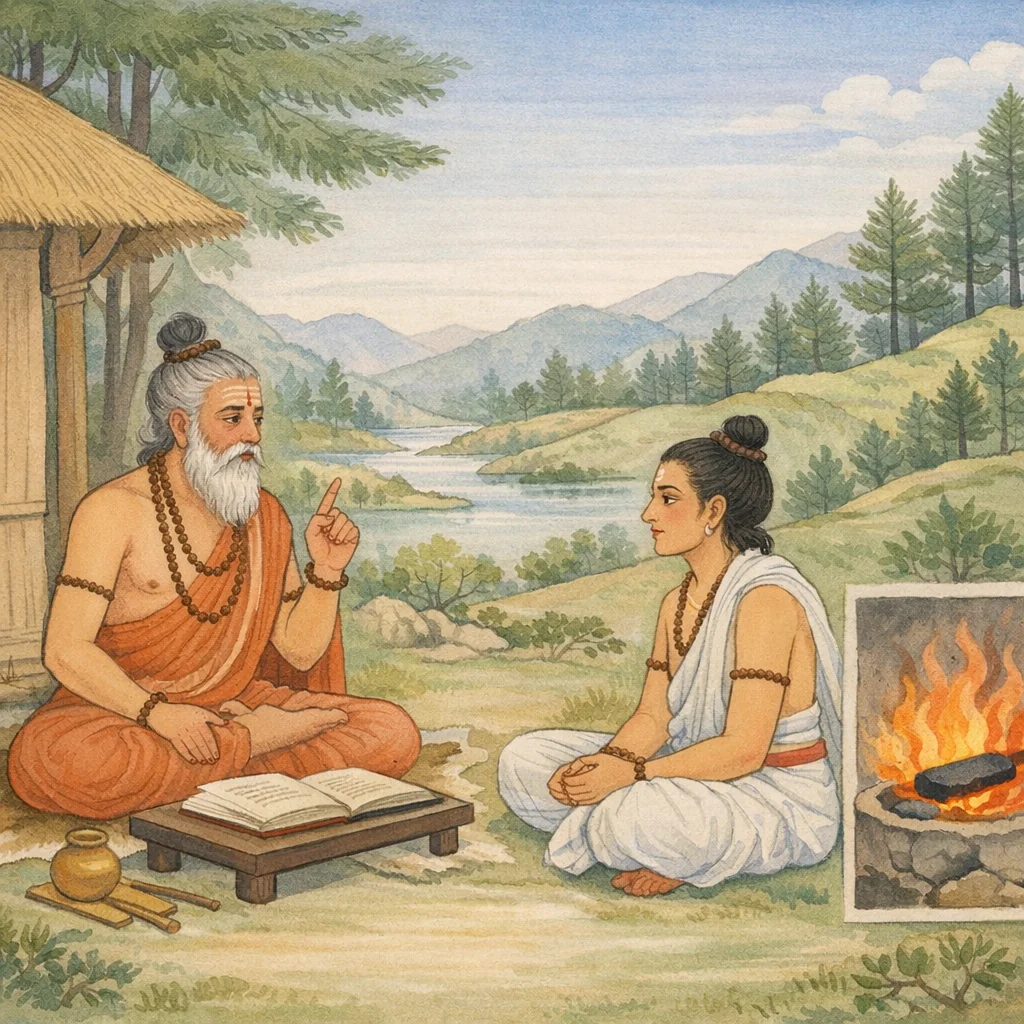
Yudhiṣṭhira, having heard Bhīṣma’s prior expositions on the four āśramas and rājadharma, raises a focused doubt: he requests a technical account of japa—its definition, procedure (vidhi), the status and dwelling/condition of japa-practitioners (jāpakāḥ), and the fruit (phala) attained. He also asks whether japa should be understood as a form of yajña and how it relates to Sāṃkhya, Yoga, and disciplined action. Bhīṣma responds by citing an ancient exemplum involving Yama, Kāla, and a brāhmaṇa, then presents a normative template: japa is closely associated with saṃnyāsa and Vedānta-oriented peace established in Brahman. The chapter enumerates supports for practice—mind-absorption and sense-conquest; truthfulness; tending the sacred fire; seclusion; meditation; austerity; self-control; forbearance; non-envy; measured diet and speech; withdrawal from objects; and tranquility. It describes a seated, ritually simple posture with kuśa grass and minimal coverings, followed by mental equalization, non-conceptual engagement with sense-objects, and sustained contemplation of Brahman through recitation. As absorption deepens, the practitioner relinquishes even meditative constructs, abides without attachment or doership, and—whether described as assuming a ‘brāhmī’ condition or as transcending rebirth—attains a purified, deathless, passionless self-state (amṛta, viraja, śuddha).
Chapter Arc: भृगु–भरद्वाज संवाद में सृष्टि-तत्त्व का सूक्ष्म संकेत उठता है—जैसे लोहा अग्नि-संसर्ग से दीप्त हो उठता है, वैसे ही चेतन के संसर्ग से गुणों में ‘चैतन्य’ का आरोप कैसे होता है। → ब्रह्मा द्वारा स्वर्ग-प्राप्ति के साधन—सत्य, धर्म, तप, ब्रह्म-ज्ञान, आचार और शौच—की स्थापना के साथ ही प्रश्न तीखा होता है: जब आदर्श विधान है, तब लोक में देव-दानव से लेकर मनुष्य तक विविध प्रवृत्तियाँ और पतन क्यों दिखता है? → वर्ण-विभाग का निर्णायक कथन आता है—जो द्विज शौच-सदाचार से भ्रष्ट होकर हिंसा, असत्य और लोभ में रत हो जाते हैं, वे शूद्रत्व को प्राप्त होते हैं; और जो सृष्टि को परब्रह्म का रूप नहीं जानते, उनके भीतर अज्ञान से अनेक ‘जाति-भेद’ और विचलन फैलते हैं। → ऋषियों के तपोबल से तथा ब्रह्मा-मानस सृष्टि से उत्पन्न प्रजाओं का उल्लेख कर यह स्थिर किया जाता है कि मूल विधान धर्म-तन्त्रपरायण है; पतन जन्म से नहीं, गुण-कर्म और ज्ञान-अज्ञान के विचलन से है।
Shlokas
Verse 1
- जैसे लोहा दाहक एवं दीप्तिमान् हो उठता है, उसी प्रकार चेतन जीवके संसर्गसे उसके सत्त्वादि गुणको भी चैतन्ययुक्त कहते हैं। अष्टा शीर्त्याधिकशततमोब् ध्याय: वर्णविभागपूर्वक मनुष्योंकी और समस्त प्राणियोंकी उत्पत्तिका वर्णन भूगुरुवाच असृजद् ब्राह्मुणानेव पूर्व ब्रह्मा प्रजापतीन् । आत्मतेजोभिनिर्वत्तान् भास्कराग्निसमप्रभान्,भगुजी कहते हैं--मुने! ब्रह्माजीने सृष्टिके प्रारम्भमें अपने तेजसे सूर्य और अग्निके समान प्रकाशित होनेवाले ब्राह्मणों, मरीचि आदि प्रजापतियोंको ही उत्पन्न किया
Bharadvāja said: In the beginning of creation, Brahmā, the Lord of creatures, first brought forth the Brāhmaṇas—those Prajāpatis such as Marīci—born from his own inner radiance, shining with a splendor like the sun and fire.
Verse 2
ततः सत्यं च धर्म च तपो ब्रह्म च शाश्वतम् । आचारं चैव शौचं च स्वर्गाय विदथे प्रभु:,उसके बाद भगवान् ब्रह्माने स्वर्ग-प्राप्तिके साधनभूत सत्य, धर्म, तप, सनातन वेद, आचार और शौचके नियम बनाये
Then the Lord ordained the means to attain heaven: truthfulness, righteousness, austerity, the eternal Veda (brahman), along with right conduct and purity.
Verse 3
देवदानवगन्धर्वा दैत्यासुरमहोरगा: । यक्षराक्षसनागाश्न पिशाचा मनुजास्तथा,तदनन्तर देवता, दानव, गन्धर्व, दैत्य, असुर, महान् सर्प, यक्ष, राक्षस, नाग, पिशाच और मनुष्योंको उत्पन्न किया
Bharadvāja said: “Thereafter were brought forth the various orders of beings—gods and Dānavas, Gandharvas, Daityas and Asuras, the mighty serpents, Yakṣas and Rākṣasas, Nāgas, Piśācas, and human beings as well.”
Verse 4
ब्राह्मणा: क्षत्रिया वैश्या: शूद्राश्न द्विजसत्तम | ये चान्ये भूतसड्घानां सड्घास्तांश्वापि निर्ममे,द्विजश्रेष्ठ! फिर उन्होंने ब्राह्मण, क्षत्रिय, वैश्य और शूद्र--इन चारों वर्णोॉंकी रचना की और प्राणिसमूहोंमें जो अन्य समुदाय हैं, उनकी भी सृष्टि की
Bharadvāja said: “O best of the twice-born, he then fashioned the four social orders—Brāhmaṇas, Kṣatriyas, Vaiśyas, and Śūdras. And among the multitudes of living beings, whatever other communities and groupings exist, those too he brought into being.”
Verse 5
ब्राह्मणानां सितो वर्ण: क्षत्रियाणां तु लोहित: । वैश्यानां पीतको वर्ण: शूद्राणामसितस्तथा,ब्राह्मणोंका रंग श्वैत, क्षत्रियोंका लाल, वैश्योंका पीला तथा शूद्रोंका काला बनाया
Bharadvāja said: “The Brāhmaṇas are described as having the white color; the Kṣatriyas, the red; the Vaiśyas, the yellow; and the Śūdras, the black.”
Verse 6
भरद्वाज उवाच चातुर्वर्ण्यस्य वर्णेन यदि वर्णो विभिद्यते । सर्वेषां खलु वर्णानां दृश्यते वर्णसंकर:,भरद्वाजने पूछा--प्रभो! यदि चारों वर्णोमेंसे एक वर्णके साथ दूसरे वर्णका रंग-भेद है, तब तो सभी वर्णोमें विभिन्न रंगके मनुष्य होनेके कारण वर्णसंकरता ही दिखायी देती है
Bharadvāja said: “If the four varṇas are distinguished by the ‘color’ of each, then in all the varṇas one must indeed see only varṇa-mixture, for in every varṇa people of many colors are found.”
Verse 7
काम: क्रोधो भयं लोभ: शोकझश्िन्ता क्षुधा श्रम: । सर्वेषां नः प्रभवति कस्माद् वर्णो विभिद्यते,काम, क्रोध, भय, लोभ, शोक, चिन्ता, क्षुधा और थकावटका प्रभाव हम सब लोगोंपर समानरूपसे ही पड़ता है; फिर वर्णोका भेद कैसे सिद्ध होता है?
Bharadvāja said: “Desire, anger, fear, greed, grief, anxiety, hunger, and fatigue arise in all of us alike. If these afflict everyone equally, on what basis can varṇa be said to differ?”
Verse 8
स्वेदमूत्रपुरीषाणि श्लेष्मा पित्त सशोणितम् | तनु: क्षरति सर्वेषां कस्माद् वर्णो विभज्यते,हम सब लोगोंके शरीरसे पसीना, मल, मूत्र, कफ, पित्त और रक्त निकलते हैं। ऐसी दशामें रंगके द्वारा वर्णोका विभाग कैसे किया जा सकता है?
Bharadvāja said: “From the bodies of all people flow sweat, urine, feces, phlegm, bile, and blood. If this is the common condition of everyone, how can varṇa be divided by mere color?”
Verse 9
जड़मानामसंख्येया: स्थावराणां च जातय: । तेषां विविधवर्णानां कुतो वर्णविनिश्चय:,पशु, पक्षी, मनुष्य आदि जंगम प्राणियों तथा वृक्ष आदि स्थावर जीवोंकी असंख्य जातियाँ हैं। उनके रंग भी नाना प्रकारके हैं, अत: उनके वर्णोका निश्चय कैसे हो सकता है?
Bharadvāja said: “The kinds among moving beings—beasts, birds, and men—and among immobile creatures like trees are countless. Since their colors and forms are many, how can any fixed determination of ‘varṇa’ be made on that basis?”
Verse 10
भगुरुवाच न विशेषो<स्ति वर्णानां सर्व ब्राह्ममिदं जगत् । ब्रह्मणा पूर्वसृष्ट हि कर्मभिर्वर्णतां गतम्,भगुजीने कहा--मुने! पहले वर्णो्में कोई अन्तर नहीं था, ब्रह्माजीसे उत्पन्न होनेके कारण यह सारा जगत् ब्राह्मण ही था। पीछे विभिन्न कर्मोके कारण उनमें वर्णभेद हो गया
Bhagu said: “In the beginning there was no distinction among the varṇas. Since this whole world was first brought forth by Brahmā, it was, in essence, of Brahman. Later, through the diversity of actions and occupations (karma), it came to be classified into different varṇas.”
Verse 11
कामभोगप्रियास्ती क्ष्णा: क्रोधना: प्रियसाहसा: । त्यक्तस्वधर्मा रक्ताड़ास्ते द्विजा: क्षत्रतां गता:,जो अपने ब्राह्मणोचित धर्मका परित्याग करके विषयभोगके प्रेमी, तीखे स्वभाववाले, क्रोधी और साहसका काम पसंद करनेवाले हो गये और इन्हीं कारणोंसे जिनके शरीरका रंग लाल हो गया, वे ब्राह्मण क्षत्रिय-भावको प्राप्त हुए--क्षत्रिय कहलाने लगे
Bharadvāja said: Those twice-born who abandoned their own Brahminical duty became fond of sensual pleasures, sharp-tempered, wrathful, and enamored of daring. Marked by this change—even by a reddening of their bodies—they came to the state and disposition of kṣatriyas, and thus came to be known as kṣatriyas.
Verse 12
गोभ्यो वृत्ति समास्थाय पीता: कृष्युपजीविन: । स्वधर्मान् नानुतिष्ठन्ति ते द्विजा वैश्यतां गता:,जिन्होंने गौओंसे तथा कृषिकर्मके द्वारा जीविका चलानेकी वृत्ति अपना ली और उसीके कारण जिनके रंग पीले पड़ गये तथा जो ब्राह्मणोचित धर्मको छोड़ बैठे, वे ही ब्राह्मण वैश्यभावको प्राप्त हुए
Bharadvāja said: Those twice-born who took up their livelihood from cattle and from agriculture—so that their complexion turned pale—and who no longer practiced their own prescribed Brahminical duties, those Brahmins indeed came to assume the condition of Vaiśyas.
Verse 13
हिंसानृतप्रिया लुब्धा: सर्वकर्मोपजीविन: । कृष्णा: शौचपरिभ्रष्टास्ते द्विजा: शूद्रतां गता:,जो शौच और सदाचारसे भ्रष्ट होकर हिंसा और असत्यके प्रेमी हो गये, लोभवश व्याधोंके समान सभी तरहके निन्द्य कर्म करके जीविका चलाने लगे और इसीलिये जिनके शरीरका रंग काला पड़ गया, वे ब्राह्मण शूद्रभावको प्राप्त हो गये
Bharadvāja said: Those twice-born who, having fallen away from purity and good conduct, became fond of violence and falsehood, and who—out of greed—made their living by every kind of blameworthy occupation, became “darkened” (morally tainted) and thus descended into the condition of śūdras.
Verse 14
इत्येतै: कर्मभिरवव्यस्ता द्विजा वर्णान्तरं गता: । धर्मो यज्ञक्रिया तेषां नित्यं न प्रतिषिध्यते,इन्हीं कर्मोंके कारण ब्राह्मणत्वसे अलग होकर वे सभी ब्राह्मण दूसरे-दूसरे वर्णके हो गये, किंतु उनके लिये नित्यधर्मानुष्ठान और यज्ञकर्मका कभी निषेध नहीं किया गया है
By these very deeds, the twice-born, separated from Brahminhood, passed into other varṇas. Yet for them there was never any standing prohibition against the daily observances of dharma and the performance of sacrificial rites (yajña).
Verse 15
इत्येते चतुरो वर्णा येषां ब्राह्मी सरस्वती | विहिता ब्रह्मुणा पूर्व लोभात् _त्वज्ञानतां गता:,इस प्रकार ये चार वर्ण हुए, जिनके लिये ब्रह्माजीने पहले ब्राह्मी सरस्वती (वेदवाणी) प्रकट की। परंतु लोभविशेषके कारण शूद्र अज्ञानभावको प्राप्त हुए--वेदाध्ययनके अनधिकारी हो गये
Bharadvāja said: “Thus there came to be these four social orders, for whom Brahmā had formerly ordained the sacred, Brahmā-born Sarasvatī—Vedic speech. Yet, through the force of greed, they fell into a state of ignorance, becoming unfit for the study of the Veda.”
Verse 16
ब्राह्मणा ब्रह्मतन्त्रस्थास्तपस्तेषां न नश्यति । ब्रह्म धारयतां नित्य॑ं व्रतानि नियमांस्तथा,जो ब्राह्मण वेदकी आज्ञाके अधीन रहकर सारा कार्य करते, वेदमन्त्रोंको स्मरण रखते और सदा व्रत एवं नियमोंका पालन करते हैं, उनकी तपस्या कभी नष्ट नहीं होती
Bharadvāja said: “Those brāhmaṇas who remain established in the discipline of Brahman—acting under the authority of Vedic injunctions, continually holding Brahman through remembrance and recitation, and steadfastly observing vows and restraints—never lose the fruit of their austerity. Their tapas does not perish, because it is rooted in right conduct and faithful adherence to sacred law.”
Verse 17
ब्रह्म चैव परं सृष्टं ये न जानन्ति तेडद्विजा: । तेषां बहुविधास्त्वन्यास्तत्र तत्र हि जातयः,जो इस सारी सृष्टिको परब्रह्म परमात्माका रूप नहीं जानते हैं, वे द्विज कहलानेके अधिकारी नहीं हैं। ऐसे लोगोंको नाना प्रकारकी दूसरी-दूसरी योनियोंमें जन्म लेना पड़ता है
Bharadvāja said: “Those who do not know that the Supreme Brahman—the highest Self—is the very form of all this creation are not fit to be called dvijas. Such people must be born again and again in many different wombs and modes of life, here and there.”
Verse 18
पिशाचा राक्षसा: प्रेता विविधा म्लेच्छजातय: । प्रणष्टज्ञानविज्ञाना: स्वच्छन्दाचारचेष्टिता,वे ज्ञान-विज्ञानसे हीन और स्वेच्छाचारी लोग पिशाच, राक्षस, प्रेत तथा नाना प्रकारकी म्लेच्छ-जातिके होते हैं
Bharadvāja said: “Those who have lost true knowledge and discernment, and who act according to mere whim—unrestrained in conduct and behavior—are counted among piśācas, rākṣasas, pretas, and the many kinds of mleccha-born peoples. The verse frames moral and intellectual ruin as a fall into inhuman modes of life, warning that freedom without dharma becomes self-destruction.”
Verse 19
प्रजा ब्राह्मणसंस्कारा: स्वकर्मकृतनिश्चया: । ऋषिभि: स्वेन तपसा सृज्यन्ते चापरे परै:,पीछेसे ऋषियोंने अपनी तपस्याके बलसे कुछ ऐसी प्रजा उत्पन्न की, जो वैदिक संस्कारोंसे सम्पन्न तथा अपने धर्म-कर्ममें दृढ़तापूर्वक डटी रहनेवाली थी। इस प्रकार प्राचीन ऋषियोंद्वारा अर्वाचीन ऋषियोंकी सृष्टि होने लगी
Bharadvāja said: “Some peoples were brought forth by the seers through the power of their own austerity—endowed with Brahmanical (Vedic) sacraments and firmly resolved in the performance of their proper duties. Thus, by the ancient sages, further generations of sages and communities continued to be produced.”
Verse 20
पा िनलिमी न ता ब्रह्ममूलाक्षयाव्यया । सा नाम धर्मतन्त्रपरायणा,किंतु जो सृष्टि आदिदेव ब्रह्माके मनसे उत्पन्न हुई है, जिसके जड़-मूल केवल ब्रह्माजी ही हैं तथा जो अक्षय, अविकारी एवं धर्ममें तत्पर रहनेवाली है, वह सृष्टि मानसी कहलाती है
Bharadvāja said: “That creation which first arose from the mind of the primal deity Brahmā—whose sole root is Brahmā himself, and which is imperishable, unchanging, and devoted to the order of dharma—is therefore called the ‘mental’ (mānasī) creation. The point is that a world grounded in dharma can originate not from physical generation but from the pure intention and ordinance of the creator, and its ethical character is defined by its unwavering orientation toward dharma.”
Verse 187
इस प्रकार श्रीमह्ाभारत शान्तिपर्वके अन्तर्गत मोक्षधर्मपर्वमें भगु-भरद्वाजके संवादके प्रयंगें जीवके स्वरूपका निरूपणविषयक एक सौ सतासीवाँ अध्याय पूरा हुआ
Thus ends the one hundred and eighty-seventh chapter of the Mokṣadharma section within the Śānti Parva of the Śrī Mahābhārata, in the context of the dialogue between Bhṛgu and Bharadvāja, expounding the true nature of the individual self (jīva).
Verse 188
इति श्रीमहाभारते शान्तिपर्वणि मोक्षधर्मपर्वणि भूगुभरद्वाजसंवादे वर्णविभागकथने अष्टाशीत्यधिकशततमो< ध्याय:,इस प्रकार श्रीमह्ाभारत शान्तिपर्वके अन्तर्गत गोक्षधर्मपर्वमें भ्गु-भरद्वाजके प्रसंगमें वर्णोके विभायका वर्णनविषयक एक सौ अट्ठासीवाँ अध्याय पूरा हुआ
Thus, in the Śrī Mahābhārata, within the Śānti Parva—specifically the Mokṣa-dharma section—during the dialogue between Bhṛgu and Bharadvāja, the chapter dealing with the classification of the social orders (varṇa) comes to its close: this is the one hundred and eighty-eighth chapter.
Frequently Asked Questions
Yudhiṣṭhira asks how japa should be classified and practiced—its method, its practitioners’ condition, and its fruit—especially whether it is comparable to yajña and how it integrates with Sāṃkhya-Yoga and disciplined conduct.
Japa is presented as inseparable from inner discipline: sense-withdrawal, mental steadiness, seclusion, moderation, and progressive absorption, culminating in relinquishing attachment and the sense of doership.
Yes. The fruit is described as a purified, passionless, deathless self-attainment (amṛta/viraja/śuddha), expressed through liberation idioms such as transcending rebirth and abiding in a Brahman-aligned state.