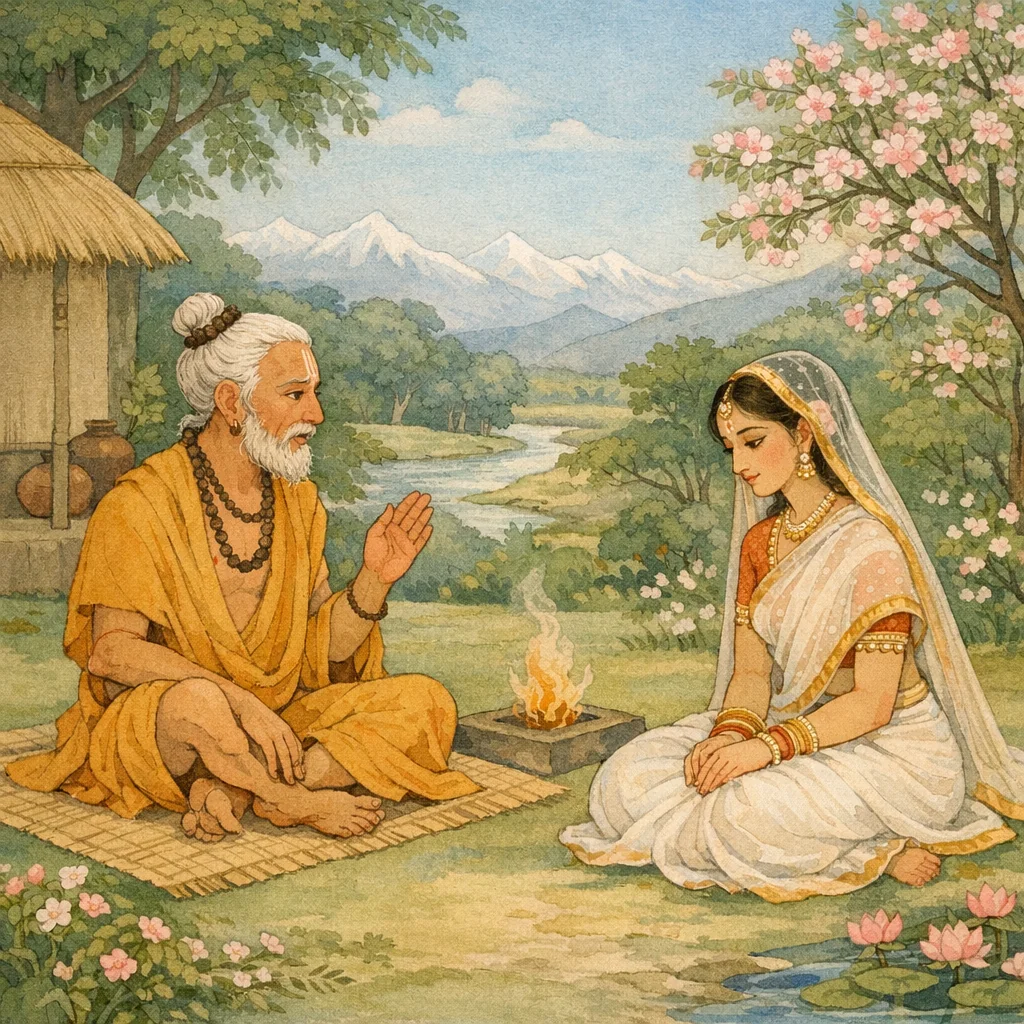
Adhyaya 23
Pātra-Lakṣaṇa and Niścita-Dharma (Marks of a Worthy Recipient and Stable Criteria of Dharma)
Upa-parva: Dāna-Dharma and Pātra-Nirṇaya (Discourse on Gift-Ethics and Worthy Recipients)
Yudhiṣṭhira queries Bhīṣma on who is the “sanātana pātra” for gifts: a brāhmaṇa with ascetic insignia (liṅgin) or one without such marks. Bhīṣma replies that gifts are to be given to those established in their discipline, whether marked or unmarked, treating both as tapasvins when their conduct is aligned. The dialogue then tests the relation between śraddhā (faithful intent) and recipient-evaluation: Bhīṣma affirms that śraddhā purifies broadly, yet the text differentiates contexts—ordinary divine offerings versus ancestral/ritual gifting where discernment of the recipient is advised. A short embedded set of authoritative statements (Pṛthivī, Kāśyapa, Agni, Mārkaṇḍeya) elevates core evaluators: Vedic recitation can dissolve misconduct, but learning without character is ineffective; harming others’ reputation through learning is condemned; and truth is praised as surpassing large-scale ritual quantity. The chapter further defines “niścita dharma-lakṣaṇa” as ahiṃsā, satya, akrodha, ānṛśaṃsya, dama, and ārjava. It outlines conduct-regulation (respecting teachers, non-violence, avoiding slander and falsehood in authority) and identifies the qualities of sādhus and vipras to whom giving yields great fruit—self-control, truthfulness, humility, cleanliness, non-greed, and benevolence toward beings—concluding that donors should seek and honor such qualified recipients.
Chapter Arc: युधिष्ठिर के प्रश्न के उत्तर में भीष्म अष्टावक्र की कथा उठाते हैं—वह वक्रांग ब्राह्मण, जिसने सत्य और तप से लोक जीते, अब एक रहस्यमयी कन्या/दिशा-देवी के संवाद में परखा जाने वाला है। → अष्टावक्र उस स्त्री से पूछते हैं कि वह अपना रूप कैसे बदलती है और स्पष्ट कहते हैं कि सत्य ही बोलना होगा। उत्तरदिशा (कन्या-रूप में) बताती है कि यह परीक्षा उसे ‘स्थिर’ करने के लिए थी—क्योंकि अव्युत्थान (अडिगता/अचल धर्म) से उसने लोक जीत लिए हैं। → कन्या स्वीकार करती है कि वदान्य ऋषि के प्रसाद और सम्मान के हेतु उसने यह वचन-व्यवहार किया; परीक्षा का रहस्य खुलते ही अष्टावक्र की सत्य-प्रतिष्ठा और धैर्य की विजय सार्वजनिक हो जाती है। → अष्टावक्र ‘तथास्तु’ कहकर कन्या को धर्मसम्मत रूप से स्वीकार करते हैं; घर लौटकर विश्राम, स्वजनों से कुशल-प्रश्न, और फिर न्यायपूर्वक उस ब्राह्मण/ऋषि के पास जाकर विवाह-दान की विधि पूर्ण होती है।
Shlokas
Verse 1
ऑपन--माज बछ। अि>-छऋाज एकविशो< ध्याय: अष्टावक्र और उत्तरदिशाका संवाद, अष्टावक्रका अपने घर लौटकर वदान्य ऋषिकी कनन््याके साथ विवाह करना युधिषछ्िर उवाच न बिभेति कथं सा स्त्री शापाच्च परमझ्ुते: । कथं निवृत्तो भगवांस्तद् भवान् प्रब्रवीतु मे,युधिष्ठिरने पूछा--पितामह! वह स्त्री उन महातेजस्वी ऋषिके शापसे डरती कैसे नहीं थी; और वे भगवान् अष्टावक्र किस तरह वहाँसे लौटे थे? यह सब मुझे बताइये
Yudhiṣṭhira said: “O grandsire of supreme splendor, how did that woman not fear the curse of the exceedingly radiant sage? And how did the venerable Aṣṭāvakra return from there? Please tell me all this.”
Verse 2
भीष्म उवाच अष्टावक्रोडन्वपृच्छत् तां रूपं विकुरुषे कथम् | नचानृतं ते वक्तव्यं ब्रूहि ब्राह्मणगकाम्यया,भीष्मजीने कहा--राजन्! सुनो, अष्टावक्रने उस स्त्रीसे पूछा, “(तुम अपना रूप बदलती क्यों रहती हो? बताओ, यदि मुझ-जैसे ब्राह्मणसे सम्मान पानेकी इच्छा हो तो झूठ नबोलना'
Bhishma said: Aṣṭāvakra questioned that woman, “How is it that you keep altering your form? And if you desire the regard and acceptance of one such as me, a brāhmaṇa, you must not speak falsehood—tell me the truth.”
Verse 3
रूयुवाच द्यावापृथिव्योर्यत्रैषा काम्या ब्राह्मणसत्तम | शृणुष्वावहितः सर्व यदिदं सत्यविक्रम,स्त्री बोली--ब्राह्मणशिरोमणे! स्वर्गलोक हो या मर्त्यलोक, जिस किसी भी स्थानमें स्त्री और पुरुष निवास करते हैं, वहाँ उनमें परस्पर संयोगकी यह कामना सदा बनी रहती है। सत्यपराक्रमी विप्र! यह सब जो रूपपरिवर्तनकी लीला की गयी है, उसका कारण बताती हूँ, सावधान होकर सुनिये
The woman said: “O best of Brahmins, whether in heaven or on earth—wherever men and women dwell—this mutual longing for union persists. O truth-valiant one, listen with full attention: I shall explain the cause behind this play of transformations that has occurred.”
Verse 4
जिज्ञासेयं प्रयुक्ता मे स्थिरीकर्तु तवानघ । अव्युत्थानेन ते लोका जिता: सत्यपराक्रम,निर्दोष ब्राह्मण! आपको दृढ़ करनेके लिये आपकी परीक्षा लेनेके उद्देश्यसे ही मैंने यह कार्य किया है। सत्यपराक्रमी द्विज! आपने अपने धर्मसे विचलित न होकर समस्त पुण्यलोकोंको जीत लिया है
She said: “O sinless one, I did this only to test you and to make you steadfast. O truth-valiant twice-born, by not wavering from your resolve and not swerving from your duty, you have conquered the worlds of merit.”
Verse 5
उत्तरां मां दिशं विद्धि दृष्टं सत्रीचापलं च ते । स्थविराणामपि स्त्रीणां बाधते मैथुनज्वर:,आप मुझे उत्तरदिशा समझें। स्त्रीमें कितनी चपलता होती है--यह आपने प्रत्यक्ष देखा है। बूढ़ी स्त्रियोंको भी मैथुनके लिये होनेवाला कामजनित संताप कष्ट देता रहता है
She said: “Know me as pointing you toward the northern direction. You have yourself directly seen how fickle and restless a woman can be. Even elderly women are afflicted by the fever of sexual desire; the torment born of craving continues to trouble them.”
Verse 6
(अविश्वासान्न व्यसनी नातिसक्तो5प्रवासक: । विद्वान् सुशील: पुरुष: सदार: सुखमश्षुते ।।) जो कहीं भी विश्वास न करनेके कारण किसी व्यसनमें नहीं फँसता, कहीं भी अधिक आसक्त नहीं होता, परदेशमें नहीं रहता तथा जो विद्वान् और सुशील है, वही पुरुष स्त्रीके साथ रहकर सुख भोगता है ।। तुष्ट:ः पितामहस्तेडद्य तथा देवा: सवासवा: । स त्वं येन च कार्येण सम्प्राप्तो भगवानिह,आज आपके ऊपर ब्रह्माजी तथा इन्द्रसहित सम्पूर्ण देवता संतुष्ट हैं। भगवन् द्विजश्रेष्ठ! आप यहाँ जिस कार्यसे आये हैं, वह सफल हो गया। उस कन्याके पिता वदान्य ऋषिने मेरे पास आपको उपदेश देनेके लिये भेजा था। वह सब मैंने कर दिया
Bhishma said: A man who, through prudent distrust, does not fall into addictions, who is not excessively attached, who does not live away from home, and who is learned and well-conducted—such a man, living together with his wife, enjoys happiness. Now Brahmā the Grandsire, and all the gods with Indra, are pleased with you. O foremost of the twice-born, the purpose for which you came here has been fulfilled: the generous ṛṣi, father of that maiden, sent you to me for instruction, and I have given it in full.
Verse 7
प्रेषितस्तेन विप्रेण कन्यापित्रा द्विजर्षभ । तवोपदेशं कर्तु वै तच्च सर्व कृतं मया,आज आपके ऊपर ब्रह्माजी तथा इन्द्रसहित सम्पूर्ण देवता संतुष्ट हैं। भगवन् द्विजश्रेष्ठ! आप यहाँ जिस कार्यसे आये हैं, वह सफल हो गया। उस कन्याके पिता वदान्य ऋषिने मेरे पास आपको उपदेश देनेके लिये भेजा था। वह सब मैंने कर दिया
Bhishma said: “O best of Brahmins, I was sent by that Brahmin—the maiden’s father—to convey instruction to you. That entire commission has now been fulfilled by me.”
Verse 8
क्षेमैर्गमिष्यसि गृहं श्रमश्न न भविष्यति । कन्यां प्राप्स्यसि तां विप्र पुत्रिणी च भविष्यति,विप्रवर! अब आप कुशलपूर्वक अपने घरको जायँगे और मार्गमें आपको कोई श्रम अथवा कष्ट नहीं होगा। उस मनोनीत कन्याको आप प्राप्त कर लेंगे और आपके द्वारा वह पुत्रवती भी होगी ही
“You will now go home in safety; on the road there will be no weariness or hardship for you. You will obtain that chosen maiden, and through you she will surely become a mother of a son.”
Verse 9
काम्यया पृष्टवांस्त्वं मां ततो व्याह्मतमुत्तमम् । अनतिक्रमणीया सा कृत्स्नौलेकैस्त्रिभि: सदा,आपने जाननेकी इच्छासे मुझसे यह बात पूछी थी, इसलिये मैंने अच्छे ढंगसे सब कुछ बता दिया। तीनों लोकोंके सम्पूर्ण निवासियोंके लिये भी ब्राह्मणकी आज्ञा कदापि उल्लंघनीय नहीं होती
Bhishma said: “Since you questioned me out of a desire to know, I have therefore explained the matter well and in full. That injunction is always not to be transgressed—even by all beings throughout the three worlds.”
Verse 10
गच्छस्व सुकृतं कृत्वा कि चान्यच्छोतुमिच्छसि । यावद् ब्रवीमि विप्रर्षे अष्टावक्र यथातथम्,ब्रह्मर्षि अष्टावक्र! आप पुण्यका उपार्जन करके जाइये। और क्या सुनना चाहते हैं? कहिये, मैं वह सब कुछ यथार्थरूपसे बताऊँगी
“Go now, having performed meritorious deeds. What else do you wish to hear? Speak, O best of seers, Aṣṭāvakra—so long as I may speak, I shall tell you everything exactly as it is.”
Verse 11
ऋषिणा प्रसादिता चास्मि तव हेतोर्दविजर्षभ | तस्य सम्माननार्थ मे त्वयि वाक््यं प्रभाषितम्,द्विजश्रेष्ठ) वदान्य मुनिने आपके लिये मुझे प्रसन्न किया था; अतः उनके सम्मानके लिये ही मैंने ये सारी बातें कही हैं
Bhishma said: “O best of Brahmins, it was for your sake that the sage was pleased and showed me favor. Therefore, to honor him, I have spoken these words to you.”
Verse 12
भीष्म उवाच श्रुत्वा तु वचनं तस्या: स विप्र: प्राउजलि: स्थित: । अनुज्ञातस्तया चापि स्वगृहं पुनरात्रजत्,भीष्मजी कहते हैं--भारत! उस स्त्रीकी बात सुनकर विप्रवर अष्टावक्र उसके सामने हाथ जोड़कर खड़े हो गये। फिर उसकी आज्ञा ले पुन: अपने घरको लौट आये
Bhishma said: Having heard her words, the brahmin stood before her with hands joined in reverence. Then, having received her permission, he returned once more to his own home—showing the ethical discipline of humility, restraint, and respect for rightful authority.
Verse 13
गृहमागत्य विश्रान्त: स्वजनं परिपृच्छय च । अभ्यगच्छच्च तं विप्रं न््यायत: कुरुनन्दन,कुरुनन्दन! घर आकर उन्होंने विश्राम किया और स्वजनोंसे पूछकर वे न्यायानुसार फिर ब्राह्मण वदान्यके घर गये
Bhishma said: Having returned home and taken rest, and after inquiring of his own people, he then went again—acting in accordance with what is just—to that Brahmin, O joy of the Kurus. The verse underscores a deliberate return to rightful conduct: rest and consultation are followed by a conscious choice to proceed by fairness and propriety toward the learned guest.
Verse 14
पृष्टश्न तेन विप्रेण दृष्ट॑ त्वेतन्निदर्शनम् । प्राह विप्रं तदा विप्र: सुप्रीतेनान््तरात्मना,ब्राह्मणने उनकी यात्राके विषयमें पूछा, तब उन्होंने प्रसन्नचित्तसे जो कुछ वहाँ देखा था, सब बताना आरम्भ किया--
Bhishma said: When that brahmin questioned him about what he had witnessed as an illustrative example, the brahmin—his inner self deeply pleased—then began to relate to the other brahmin everything he had seen there, in the context of his journey. The passage frames truthful narration and respectful inquiry as part of dharmic conduct.
Verse 15
भवता समनुज्ञात: प्रास्थितो गन्धमादनम् । तस्य चोत्तरतो देशे दृष्टं मे दैवतं महत्
Bhishma said: “With your permission, I set out for Gandhamādana. And in the region to the north of it, I beheld a great divine being.”
Verse 16
तया चाहमनुज्ञातो भवांश्वापि प्रकीर्तित: । श्रावितश्नापि तद्वाक्यं गृहं चाभ्यागत: प्रभो:
Bhishma said: “With her permission I was duly dismissed; and you too were spoken of with praise. Having also heard those words from her, I returned home, O lord.”
Verse 17
“महर्षश!ी आपकी आज्ञा पाकर मैं उत्तर दिशामें गन्ध-मादनपर्वतकी ओर चल दिया। उससे भी उत्तर जानेपर मुझे एक महती देवीका दर्शन हुआ। उसने मेरी परीक्षा ली और आपका भी परिचय दिया। प्रभो! फिर उसने अपनी बात सुनायी और उसकी आज्ञा लेकर मैं अपने घर आ गया” ।। तमुवाच तदा वित्र: सुतां प्रतिगृहाण मे । नक्षत्रविधियोगेन पात्र हि परमं भवान्,तब ब्राह्मण वदान्यने कहा--“आप उत्तम नक्षत्रमें विधिपूर्वक मेरी पुत्रीका पाणिग्रहण कीजिये; क्योंकि आप अत्यन्त सुयोग्य पात्र हैं!
“Venerable sage! Having received your command, I set out northward toward Mount Gandhamādana. Going still farther north, I beheld a great goddess. She tested me and also revealed your identity. Then, O lord, she spoke her message; and, taking her permission, I returned to my home.” Thereupon the Brahmin said: “Accept my daughter in marriage, performing the rite in accordance with the proper astrological observance at an auspicious constellation; for you are indeed the most worthy recipient.”
Verse 18
भीष्म उवाच अष्टावक्रस्तथेत्युक्त्वा प्रतिगृह्मु च तां प्रभो । कन्यां परमथधर्मात्मा प्रीतिमांश्नाभवत् तदा,भीष्मजी कहते हैं--प्रभो! तदनन्तर “तथास्तु' कहकर परम धर्मात्मा अष्टावक्रने उस कन्याका पाणिग्रहण किया। इससे उन्हें बड़ी प्रसन्नता हुई
Bhishma said: “O lord, thereafter Aṣṭāvakra, the supremely righteous-souled one, saying ‘So be it,’ accepted that maiden in marriage. At that moment he became filled with great joy.”
Verse 19
कन्यां तां प्रतिगृहौव भार्या परमशो भनाम् । उवास मुदितस्तत्र स्वाश्रमे विगतज्वर:,उस परम सुन्दरी कन्याका पत्नीरूपमें दान पाकर अष्टावक्र मुनिकी सारी चिन्ता दूर हो गयी और वे अपने आश्रममें उसके साथ आनन्दपूर्वक रहने लगे
Bhīṣma said: Having accepted that maiden—most splendid—as his wife, the sage’s anxiety and inner fever subsided. Joyful at heart, he lived there in his own hermitage together with her, his mind now at peace.
Verse 20
इस प्रकार श्रीमह्याभारत अनुशासनपर्वके अन्तर्गत दानधर्मपर्वमें अष्टावक्र और उत्तरदिशाका संवादविषयक बीसवाँ अध्याय पूरा हुआ
Thus ends the twentieth chapter in the Dāna-dharma section of the Anuśāsana Parva of the revered Mahābhārata, presenting the dialogue between Aṣṭāvakra and the Northern Direction (Uttaradiśā).
Verse 21
इति श्रीमहाभारते अनुशासनपर्वणि दानधर्मपर्वणि अष्टावक्रदिक्संवादे एकविंशो<5ध्याय:
Thus ends the twenty-first chapter in the Anuśāsana Parva of the Śrī Mahābhārata, within the section on the dharma of gifts and charity, in the dialogue between Aṣṭāvakra and the Directions (Dik).
Frequently Asked Questions
Whether gifts should be directed based on external ascetic identifiers (liṅga) or on inner qualification and conduct, and when discernment of the recipient is ethically required.
Ahiṃsā (non-injury), satya (truth), akrodha (non-anger), ānṛśaṃsya (non-cruelty/compassion), dama (self-restraint), and ārjava (straightforward integrity).
Yes: through the embedded Mārkaṇḍeya statement, truth (satya) is presented as ethically weightier than large quantities of major ritual performance, functioning as a value-hierarchy within the discourse.