Adhyaya 196
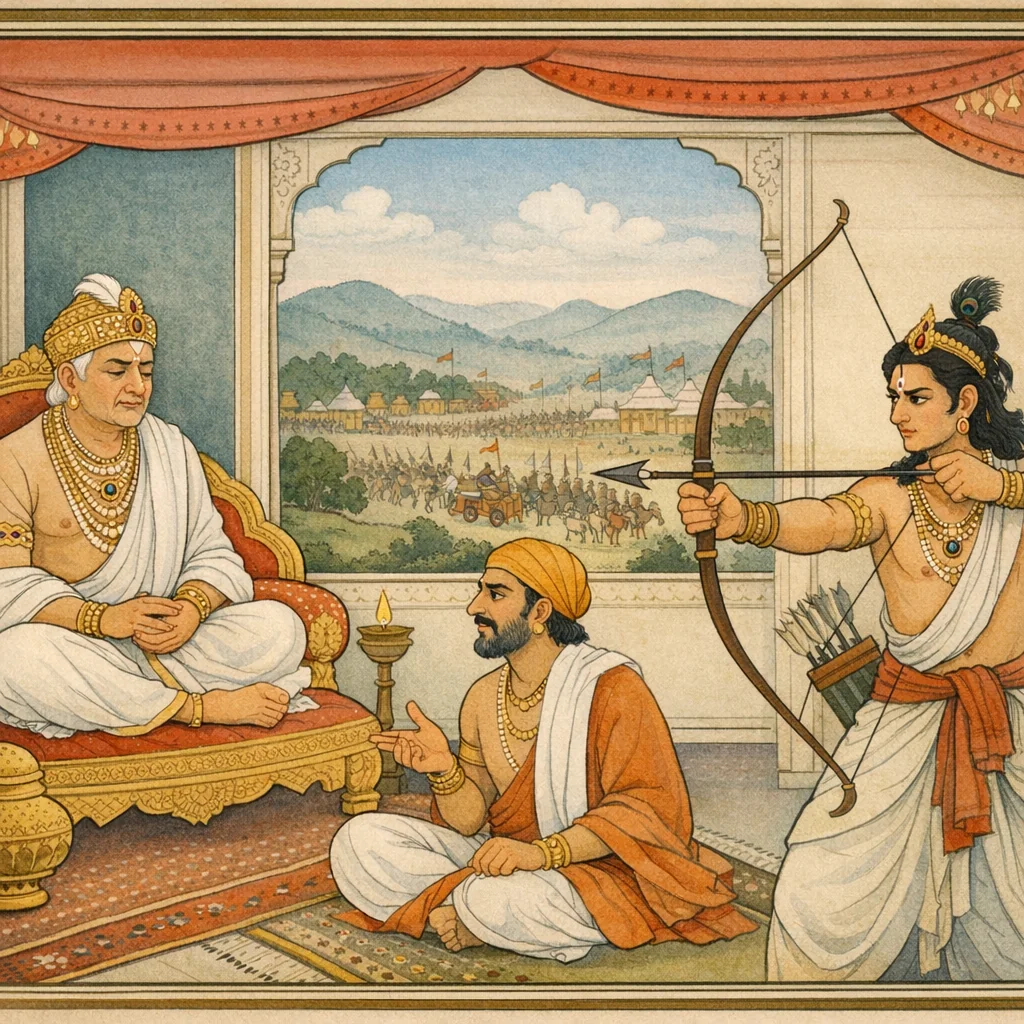
Chapter Arc: धृतराष्ट्र का प्रश्न: संजय से वह व्यथा-भरा जिज्ञासा करता है कि ‘धर्मिष्ठ आचार्य द्रोण’ को ‘अधर्म’ से धृष्टद्युम्न ने मार गिराया—यह सुनकर अश्वत्थामा ने क्या कहा? → संजय अश्वत्थामा की असाधारण सामर्थ्य का स्मरण कराता है—वह अनेक दिव्यास्त्रों (मानव, वारुण, आग्नेय, ब्राह्म, ऐन्द्र, नारायण) में नित्य प्रतिष्ठित, रहस्यमय आचार्य-परंपरा का उत्तराधिकारी, और द्रोण के निकटतम शिष्य-योद्धा है। इस पृष्ठभूमि से संकेत मिलता है कि पिता-गुरु के वध का समाचार उसके भीतर प्रलय-सा क्रोध जगाएगा। → अधर्मपूर्ण वध का समाचार अश्वत्थामा के भीतर ‘अन्तक’ तुल्य उग्रता को जाग्रत करता है—संजय उसके रथी-श्रेष्ठ, दृढ़धन्वा, शीघ्रगामी, रण में अव्यथित और पृथ्वी को बाण-वर्षा से दबा देने वाले रूप का वर्णन कर, उसके प्रतिशोध की अनिवार्यता को चरम पर ले जाता है। → अध्याय का निष्कर्ष ‘क्या कहा’ के प्रत्यक्ष संवाद से अधिक, अश्वत्थामा के क्रोध-स्वरूप और अस्त्र-सम्पदा की स्थापना में है—यह स्पष्ट कर दिया जाता है कि द्रोण-वध के बाद कौरव-पक्ष में अब अश्वत्थामा का प्रतिहिंसक संकल्प निर्णायक शक्ति बनेगा। → अश्वत्थामा के अगले वचन/कर्म की ओर तीव्र संकेत—उसका क्रोध किस पर, किस विधि से, और किन अस्त्रों के द्वारा फूटेगा—यह अगले अध्यायों के लिए छोड़ा जाता है।
Shlokas
Verse 1
ऑऔपन--#ह< बक। ] अति्शऑशा: चतुन॑वर्त्याधेकशततमो< ध्याय: धृतराष्ट्रका प्रश्न धृतराष्ट उवाच अधर्मेण हत॑ श्रुत्वा धृष्टद्युम्नेन संजय । ब्राह्मणं पितरं वृद्धमश्वत्थामा किमब्रवीत्,धृतराष्ट्रने पूछा--संजय! अपने बूढ़े पिता ब्राह्मण द्रोणाचार्यके धृष्टट्युम्नद्वारा अधर्मपूर्वक मारे जानेका समाचार सुनकर अभश्व॒त्थामाने क्या कहा?
Dhṛtarāṣṭra said: “O Sañjaya, having heard that his aged father—Droṇa, a Brāhmaṇa—had been slain by Dhṛṣṭadyumna through unrighteous means, what did Aśvatthāmā say?”
Verse 2
मानवं वारुणाग्नेयं ब्राह्ममस्त्रं च वीर्यवान् । ऐन्द्रं नारायणं चैव यस्मिन् नित्यं प्रतिष्ठितम्,जिनमें मानव, वारुण, आग्नेय, ब्राह्म, ऐन्द्र और नारायण नामक अस्त्र सदा प्रतिष्ठित थे, उन धर्मात्मा आचार्यको धृष्टद्युम्नद्वारा अधर्मपूर्वक युद्धमें मारा गया सुनकर पराक्रमी अश्वृत्थामाने क्या कहा?
Dhṛtarāṣṭra said: “That mighty one in whom the human weapon, the Varuṇa-weapon, the fire-weapon, the Brahmā-weapon, the Indra-weapon, and the Nārāyaṇa-weapon were ever established—when it was heard that such a righteous Ācārya had been slain in battle by Dhṛṣṭadyumna through an unrighteous stratagem, what did the valiant Aśvatthāmā say?”
Verse 3
तमधर्मेण धर्मिष्ठं धृष्टद्युम्नेन संयुगे । श्रुत्वा निहतमाचार्य सो<श्व॒त्थामा किमब्रवीत्,जिनमें मानव, वारुण, आग्नेय, ब्राह्म, ऐन्द्र और नारायण नामक अस्त्र सदा प्रतिष्ठित थे, उन धर्मात्मा आचार्यको धृष्टद्युम्नद्वारा अधर्मपूर्वक युद्धमें मारा गया सुनकर पराक्रमी अश्वृत्थामाने क्या कहा?
Dhṛtarāṣṭra said: “Having heard that the teacher—most steadfast in dharma—had been slain in battle by Dhṛṣṭadyumna through an unrighteous act, what did the valiant Aśvatthāmā say?”
Verse 4
येन रामादवाप्येह धरनुर्वेदं महात्मना | प्रोक्तान्यस्त्राणि दिव्यानि पुत्राय गुणकाड्क्षिणा,गुणोंकी अभिलाषा रखनेवाले उन महात्मा द्रोणने इस लोकमें परशुरामजीसे धनुर्वेदकी शिक्षा पाकर वे समस्त दिव्यास्त्र अपने पुत्रको भी सिखाये थे
Dhṛtarāṣṭra said: “Having here in this world obtained from Rāma (Paraśurāma) the science of archery, that great-souled one (Droṇa), desirous that his son attain excellence in virtues and skills, taught him all those divine weapons that had been imparted to him.”
Verse 5
एकमेव हि लोके<स्मिन्नात्मनो गुणवत्तरम् | इच्छन्ति पुरुषा: पुत्रं लोके नान्यं कथंचन,मनुष्य इस जगत्में केवल पुत्रको ही अपनेसे भी अधिक गुणवान् बनाना चाहते हैं, दूसरेको किसी प्रकार भी नहीं
Dhṛtarāṣṭra said: “In this world, people wish for only one being to surpass even themselves in excellence—namely, their own son; they do not, in any way, desire this for anyone else.”
Verse 6
आचार्याणां भवन्त्येव रहस्यानि महात्मनाम् । तानि पुत्राय वा दद्यु: शिष्यायानुगताय वा,महात्मा आचार्योंके पास बहुत-सी रहस्यकी बातें होती हैं, जिन्हें या तो वे अपने पुत्रको दे सकते हैं या अनुगत शिष्यको
Dhṛtarāṣṭra said: “Great-souled teachers indeed possess confidential teachings and inner secrets. Such knowledge they may pass on either to their own son, or to a devoted disciple who faithfully follows them.”
Verse 7
स शिष्य: प्राप्प तत् सर्व सविशेषं च संजय । शूर: शारद्वतीपुत्र: संख्ये द्रोणादनन्तर:,संजय! कृपीका शूरवीर पुत्र अश्वत्थामा शिष्यभावसे विशेष रहस्यसहित सारा धरनुर्वेद अपने पिता द्रोणाचार्यसे प्राप्त करके युद्धस्थलमें उनके बाद वही उस योग्यताका रह गया है
Dhṛtarāṣṭra said: “O Sañjaya, that disciple received the entire science in full, together with its special secrets. The heroic son of Śāradvatī—Aśvatthāmā—having learned the whole of archery from his father Droṇa, remained on the battlefield the one most capable after Droṇa himself.”
Verse 8
रामस्य तु सम: शस्त्रे पुरंदरसमो युधि । कार्तवीर्यसमो वीर्ये बृहस्पतिसमो मतौ,शस्त्रविद्यामें परशुरामके समान, युद्धकलामें इन्द्रके समान, बल-पराक्रममें कृतवीर्यपुत्र अर्जुनके समान, बुद्धिमें बृहस्पतिके सदृश, स्थिरता एवं धैर्यमें पर्वतके तुल्य, तेजमें अग्निके समान, गम्भीरतामें समुद्रके सदूश और क्रोधमें विषधर सर्पके समान नवयुवक अअश्वत्थामा संसारका प्रधान रथी और सुदृढ़ धनुर्धर है। उसने श्रम और थकावटको जीत लिया है। वह संग्राममें वायुके समान वेगपूर्वक विचरनेवाला तथा क्रोधमें भरे हुए यमराजके समान भयंकर है
Dhṛtarāṣṭra said: “Aśvatthāmā is the equal of Rāma (Paraśurāma) in mastery of weapons, the equal of Purandara (Indra) in battle, the equal of Kārtavīrya in strength and heroic energy, and the equal of Bṛhaspati in counsel. By such comparisons the king underscores the terrifying excellence of Droṇa’s son—an excellence that, in the moral atmosphere of the war, heightens both the dread of violence and the responsibility that accompanies power.”
Verse 9
महीधरसम: स्थैय्यें तेजसाग्निसमो युवा । समुद्र इव गाम्भीरयें क्रोथे चाशीविषोपम:,शस्त्रविद्यामें परशुरामके समान, युद्धकलामें इन्द्रके समान, बल-पराक्रममें कृतवीर्यपुत्र अर्जुनके समान, बुद्धिमें बृहस्पतिके सदृश, स्थिरता एवं धैर्यमें पर्वतके तुल्य, तेजमें अग्निके समान, गम्भीरतामें समुद्रके सदूश और क्रोधमें विषधर सर्पके समान नवयुवक अअश्वत्थामा संसारका प्रधान रथी और सुदृढ़ धनुर्धर है। उसने श्रम और थकावटको जीत लिया है। वह संग्राममें वायुके समान वेगपूर्वक विचरनेवाला तथा क्रोधमें भरे हुए यमराजके समान भयंकर है
Dhṛtarāṣṭra said: “Young Aśvatthāmā is like a mountain in steadiness, like fire in radiance, like the ocean in depth, and like a venomous serpent in wrath. In the science of weapons he is like Paraśurāma; in the art of battle like Indra; in strength and heroic prowess like Arjuna, the son of Kṛtavīrya; and in intelligence like Bṛhaspati. He is a foremost chariot-warrior of the world and a firm wielder of the bow. He has conquered fatigue and exhaustion. In battle he moves with the speed of the wind, and when seized by anger he is terrifying like Yama himself.”
Verse 10
स रथी प्रथमो लोके दृढ्धन्वा जितक्लम: । शीघ्रो5निल इवाक्रन्दे चरन् क्रुद्ध इवान्तक:,शस्त्रविद्यामें परशुरामके समान, युद्धकलामें इन्द्रके समान, बल-पराक्रममें कृतवीर्यपुत्र अर्जुनके समान, बुद्धिमें बृहस्पतिके सदृश, स्थिरता एवं धैर्यमें पर्वतके तुल्य, तेजमें अग्निके समान, गम्भीरतामें समुद्रके सदूश और क्रोधमें विषधर सर्पके समान नवयुवक अअश्वत्थामा संसारका प्रधान रथी और सुदृढ़ धनुर्धर है। उसने श्रम और थकावटको जीत लिया है। वह संग्राममें वायुके समान वेगपूर्वक विचरनेवाला तथा क्रोधमें भरे हुए यमराजके समान भयंकर है
Dhṛtarāṣṭra said: “That warrior is foremost among chariot-fighters in the world—firm of bow and one who has conquered fatigue. In the tumult of battle he moves with the speed of the wind, and when enraged he is dreadful like Death itself.”
Verse 11
अस्यता येन संग्रामे धरण्यभिनिपीडिता । यो न व्यथति संग्रामे वीर: सत्यपराक्रम:,अश्वत्थामा जब रणभूमिमें बाणोंकी वर्षा करने लगता है, तब धरती भी अत्यन्त पीडित हो उठती है। वह सत्यपराक्रमी वीर संग्राममें कभी व्यथित नहीं होता है। वह वेदाध्ययन समाप्त करके स्नातक बन चुका है। ब्रह्मचर्यव्रतकी अवधि पूरी करके उसका भी स्नातक हो चुका है और धरनुर्वेदका भी पारंगत विद्वान् है। महासागर तथा दशरथपुत्र श्रीरामके समान उसे कोई क्षुब्ध नहीं कर सकता
Dhṛtarāṣṭra said: “When he discharges his weapons in battle, the very earth is crushed under the onslaught. That hero, whose prowess is unfailing and true, does not waver amid the fighting.”
Verse 12
वेदस्नातो व्रतस्नातो धनुर्वेदे च पारग: । महोदधिरिवाक्षोभ्यो रामो दाशरथिर्यथा,अश्वत्थामा जब रणभूमिमें बाणोंकी वर्षा करने लगता है, तब धरती भी अत्यन्त पीडित हो उठती है। वह सत्यपराक्रमी वीर संग्राममें कभी व्यथित नहीं होता है। वह वेदाध्ययन समाप्त करके स्नातक बन चुका है। ब्रह्मचर्यव्रतकी अवधि पूरी करके उसका भी स्नातक हो चुका है और धरनुर्वेदका भी पारंगत विद्वान् है। महासागर तथा दशरथपुत्र श्रीरामके समान उसे कोई क्षुब्ध नहीं कर सकता
Dhṛtarāṣṭra said: “He has completed the study of the Vedas and has taken the graduate bath; he has also completed his vowed discipline and taken the graduate bath, and he is fully accomplished in the science of archery. Like the great ocean, and like Rāma the son of Daśaratha, he cannot be shaken or thrown into turmoil.”
Verse 13
तमधर्मेण धर्मिष्ठं धृष्टद्युम्नेन संयुगे । श्रुत्वा निहतमाचार्यम श्वत्थामा किमब्रवीत्,उसी अअश्वत्थामाने अपने धर्मिष्ठ पिता आचार्य द्रोणको युद्धमें धृष्टद्युम्नके हाथसे अधर्मपूर्वक मारा गया सुनकर क्या कहा?
Dhṛtarāṣṭra said: “After hearing that the teacher Droṇa—so steadfast in dharma—had been slain in battle by Dhṛṣṭadyumna through unrighteous means, what did Aśvatthāmā say?”
Verse 14
धृष्टद्युम्नस्य यो मृत्यु: सृष्टस्तेन महात्मना । यथा द्रोणस्य पाञ्चाल्यो यज्ञसेनसुतो5भवत्,(हमने सुन रखा है कि) जैसे द्रोणाचार्यका वध करनेके लिये पांचालदेशीय द्रपदकुमारका जन्म हुआ था, उसी प्रकार महात्मा द्रोणने धृष्टद्युम्नकी मृत्युके लिये अश्व॒त्थामाको जन्म दिया था
Dhṛtarāṣṭra said: “The death destined for Dhṛṣṭadyumna was brought forth by that great-souled one—just as the Pāñcāla prince, the son of Yajñasena (Drupada), was born for the slaying of Droṇa.”
Verse 15
त॑ नृशंसेन पापेन क्र्रेणादीर्घदर्शिना । श्रुत्वा निहतमाचार्यम श्वत्थामा किमब्रवीत्,उस नृशंस, पापी, क्रूर और अदूरदर्शी धृष्टद्युम्नके हाथसे आचार्यका वध हुआ सुनकर अश्व॒ृत्थामाने क्या कहा?
Dhṛtarāṣṭra said: “When Aśvatthāmā heard that the revered teacher (Droṇa) had been slain by the ruthless, sinful, cruel, and short-sighted Dhṛṣṭadyumna, what did he say?”
Verse 193
इस प्रकार श्रीमहाभारत द्रोणपर्वके अन्तर्गत नारायणास्त्रगोक्षपर्वमें अश्वत्थामाका क्रोधविषयक एक सौ तिरानबेवाँ अध्याय पूरा हुआ
Sañjaya said: Thus, in the Śrī Mahābhārata, within the Droṇa Parva—specifically in the section concerning the Nārāyaṇa weapon and the protection of the cows—the one-hundred and ninety-third chapter, dealing with Aśvatthāmā’s wrath, is concluded.
Verse 194
इति श्रीमहाभारते द्रोणपर्वणि नारायणास्त्रमोक्षपर्वणि धृतराष्ट्रप्रश्ने चतुर्नवत्यधिकशततमो<ध्याय:
Thus ends the one-hundred-and-ninety-fourth chapter in the Droṇa Parva of the Śrī Mahābhārata, within the section concerning the discharge of the Nārāyaṇa weapon, presented in the context of Dhṛtarāṣṭra’s inquiry.