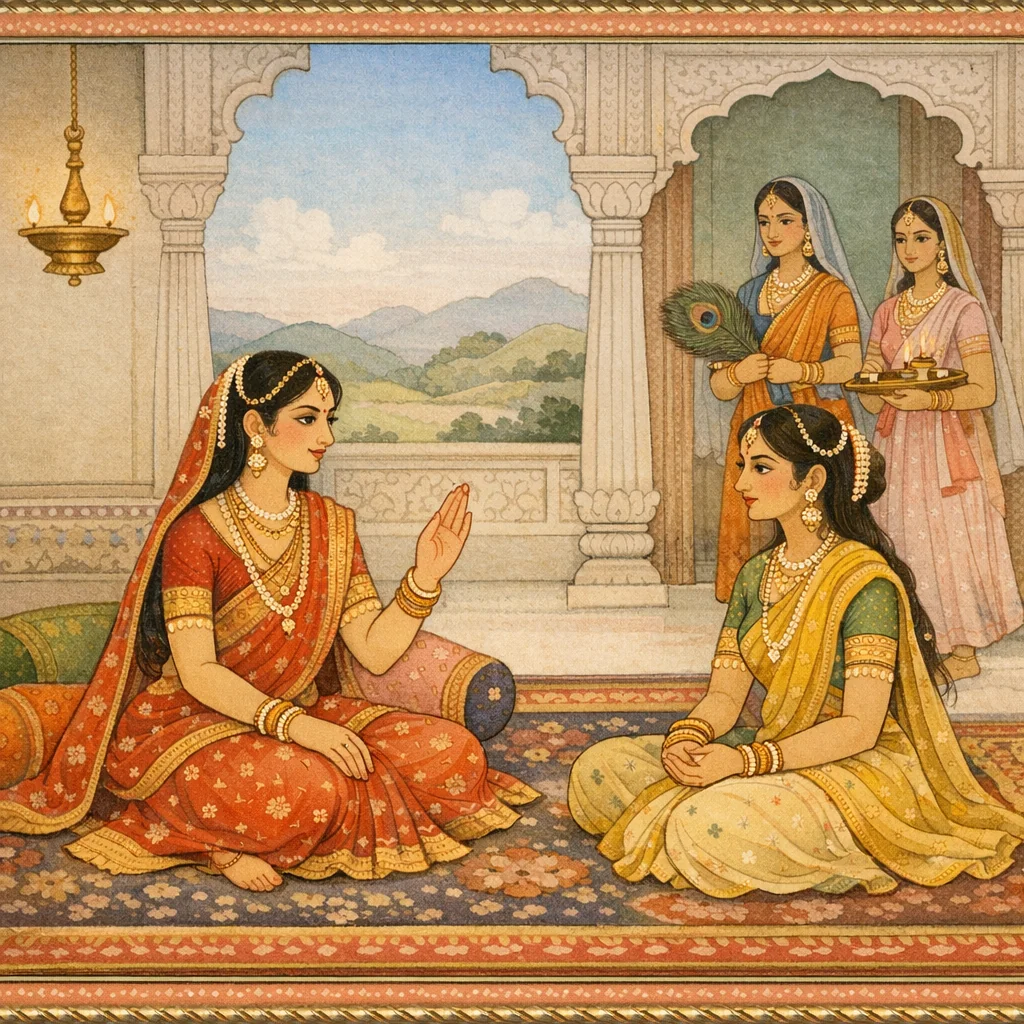
Adhyaya 235
Duryodhana’s Restraint by Citraseṇa and Yudhiṣṭhira’s Magnanimous Release (Dvaitavana)
Upa-parva: Dvāitavana-upākhyāna (Episode of Dvaitavana and the Gandharvas)
Vaiśaṃpāyana narrates a post-conflict dialogue in which Arjuna addresses Citraseṇa amid Gandharva forces, inquiring about the intent behind restraining Duryodhana and his party. Citraseṇa explains that the Kauravas’ purpose—mocking the forest-dwelling Pandavas and Draupadī—was known, and that Indra directed him to bind and bring Duryodhana, while protecting Arjuna as a valued associate. Arjuna requests Duryodhana’s release for the sake of Dharma-rāja (Yudhiṣṭhira) and kinship. Citraseṇa initially refuses, citing Duryodhana’s persistent misconduct and prior insults to Yudhiṣṭhira and Draupadī, but allows the matter to be placed before Yudhiṣṭhira. The Pandavas report the events; Yudhiṣṭhira praises the Gandharvas for not causing further harm, acknowledges the assistance rendered, and authorizes their departure. The narrative notes the restoration of fallen Gandharvas by divine means, the release of captives, and Duryodhana’s return to the city burdened by shame. The chapter closes with Yudhiṣṭhira admonishing Duryodhana against reckless ventures and urging him to return without resentment, while the Pandavas continue their forest life at Dvaitavana.
Chapter Arc: द्रौपदी–सत्यभामा संवाद में सत्यभामा जिज्ञासा करती है कि स्त्री अपने पति को कैसे अनुकूल और प्रसन्न रखे—कौन-सा ‘देवता’ वास्तव में स्त्री के लिए सर्वोपरि है। → द्रौपदी स्पष्ट करती है कि स्त्री के लिए पति ही सर्वश्रेष्ठ दैवत है—उसकी प्रसन्नता से सब कामनाएँ, भोग, यश, कीर्ति और स्वर्गसदृश सुख मिलते हैं; और उसके कुपित होने पर वही सब नष्ट भी हो सकता है। वह बताती है कि सुख ‘सुख’ से नहीं, बल्कि संयम, परिश्रम और सेवा-धर्म से प्राप्त होता है। → द्रौपदी गृह-धर्म के सूक्ष्म नियमों का तीव्र, व्यावहारिक उपदेश देती है: पति के द्वार पर आते ही स्वर सुनकर उठकर मध्य में खड़े होकर स्वागत करना, शीघ्र आसन-पाद्य से पूजन करना; दासी भेजने पर भी स्वयं उठकर कार्य करना ताकि पति को पूर्ण समर्पण का भाव ज्ञात हो; पति की कही बातों की गोपनीयता रखना, विशेषतः सपत्नियों/प्रतिद्वन्द्वियों के संदर्भ में, क्योंकि असावधानी से विराग उत्पन्न हो सकता है। → वह सती स्त्रियों की संगति, दुष्ट/अशुद्ध संग से परहेज़, और शुचिता-श्रृंगार (हार, आभूषण, अंगराग, सुगन्ध) के साथ पति-आराधन को यश, स्वार्थ-सिद्धि और शत्रु-निबर्हण तक का साधन बताकर सत्यभामा को एक संहिताबद्ध आचार-पथ दे देती है।
Shlokas
Verse 1
(दाक्षिणात्य अधिक पाठका १ श्लोक मिलाकर कुल ६२ श्लोक हैं) हि >> सो न [हुक हि ० चतुस्त्रिंशर्दाधिकद्विशततमो< ध्याय: पतिदेवको अनुकूल करनेका उपाय--पतिकी अनन्यभावसे सेवा द्रौपहुुवाच इमं तु ते मार्गमपेतमोहं वक्ष्यामि चित्तग्रहणाय भर्तु: । अस्मिन् यथावत् सखि वर्तमाना भर्तारमाच्छेत्स्यसि कामिनीभ्य:,द्रौपदी बोली--सखी ! मैं स्वामीके मनका आकर्षण करनेके लिये तुम्हें एक ऐसा मार्ग बता रही हूँ, जिसमें भ्रम अथवा छल-कपटके लिये तनिक भी स्थान नहीं है। यदि तुम यथावत्रूपसे इसी पथपर चलती रहोगी तो स्वामीके चित्तको अपनी सौतोंसे हटाकर अपनी ओर अवश्य खींच सकोगी
Draupadī said: “Friend, I shall tell you a path—free from delusion and deceit—by which a husband’s mind may be won. If you live upon this course rightly, you will surely draw your husband back to yourself, away from other women.”
Verse 2
नैतादृशं दैवतमस्ति सत्ये सर्वेषु लोकेषु सदेवकेषु । यथा पतिस्तस्य तु सर्वकामा लभ्या: प्रसादात् कुपितश्च हन्यात्,सत्ये! स्त्रियोंके लिये देवताओंसहित सम्पूर्ण लोकोंमें पतिके समान दूसरा कोई देवता नहीं है। पतिके प्रसादसे नारीकी सम्पूर्ण कामनाएँ पूर्ण हो सकती हैं, और यदि पति ही कुपित हो जाय तो वह नारीकी सभी आशाओंको नष्ट कर सकता है
Vaiśaṃpāyana said: “O Satya, in all the worlds together with the gods, there is no divinity comparable to one’s husband for a woman. By a husband’s favor, all her desires may be obtained; but if he becomes angered, he can destroy her hopes and well-being.”
Verse 3
तस्मादपत्यं विविधाश्ष भोगा: शय्यासनान्युत्तमदर्शनानि । वस्त्राणि माल्यानि तथैव गन्धा: स्वर्गश्न लोको विपुला च कीर्ति:,सेवाद्वारा प्रसन्न किये हुए पतिसे स्त्रियोंको (उत्तम) संतान, भाँति-भाँतिके भोग, शय्या, आसन, सुन्दर दिखायी देनेवाले वस्त्र, माला, सुगन्धित पदार्थ, स्वर्गलोक तथा महान् यशकी प्राप्ति होती है
Therefore, through service that pleases one’s husband, a woman is said to attain excellent offspring, many kinds of enjoyments, fine beds and seats of superior appearance, beautiful garments, garlands, and fragrances—along with the heavenly worlds and abundant fame.
Verse 4
सुखं सुखेनेह न जातु लभ्यं दुःखेन साध्वी लभते सुखानि । सा कृष्णमाराधय सौहृदेन प्रेमणा च नित्यं प्रतिकर्मणा च,सखी! इस जगत्में कभी सुखके द्वारा सुख नहीं मिलता। पतित्रता स्त्री दुःख उठाकर ही सुख पाती है। तुम सौहार्द, प्रेम, सुन्दर वेश-भूषा-धारण, सुन्दर आसन-समर्पण, मनोहर पुष्पमाला, उदारता, सुगन्धित द्रव्य एवं व्यवहारकुशलतासे श्यामसुन्दरकी निरन्तर आराधना करती रहो। उनके साथ ऐसा बर्ताव करो, जिससे वे यह समझकर “कि सत्यभामाको मैं ही अधिक प्रिय हूँ” तुम्हें ही हृदयसे लगाया करें
Vaiśampāyana said: “In this world, happiness is never truly gained by pursuing ease alone; a virtuous wife attains lasting happiness by enduring hardship. Therefore, dear friend, worship Kṛṣṇa continually—through goodwill, through love, and through constant attentive service.”
Verse 5
तथा5<5सनैश्लवारुभिरग्रमाल्यै- दक्षिण्ययोगैर्विविधैश्व गन्धै: । अस्या: प्रियो5स्मीति यथा विदित्वा त्वामेव संश्लिष्यति तद् विधत्स्व,सखी! इस जगत्में कभी सुखके द्वारा सुख नहीं मिलता। पतित्रता स्त्री दुःख उठाकर ही सुख पाती है। तुम सौहार्द, प्रेम, सुन्दर वेश-भूषा-धारण, सुन्दर आसन-समर्पण, मनोहर पुष्पमाला, उदारता, सुगन्धित द्रव्य एवं व्यवहारकुशलतासे श्यामसुन्दरकी निरन्तर आराधना करती रहो। उनके साथ ऐसा बर्ताव करो, जिससे वे यह समझकर “कि सत्यभामाको मैं ही अधिक प्रिय हूँ” तुम्हें ही हृदयसे लगाया करें
Vaiśaṃpāyana said: “So, with gentle, gradual attentions—by pleasing adornments, choice garlands, acts of gracious generosity, and various fragrances—conduct yourself in such a way, my friend, that he comes to know, ‘She is dearer to me,’ and therefore embraces you alone.”
Verse 6
श्र॒त्वा स्वरं द्वारगतस्य भर्तुः प्रत्युत्थिता तिष्ठ गृहस्य मध्ये । दृष्टवा प्रविष्टं त्वरिता55सनेन पाद्येन चैनं प्रतिपूजयस्व,जब महलके द्वारपर पधारे हुए प्राणवल्लभका स्वर सुनायी पड़े, तब तुम उठकर घरके आँगनमें आ जाओ और उनकी प्रतीक्षामें खड़ी रहो। जब देखो कि वे भीतर आ गये, तब तुरंत आसन और पाद्यके द्वारा उनका यथावत् पूजन करो
Vaiśampāyana said: “When you hear the voice of your husband as he arrives at the doorway, rise at once and stand waiting within the house. When you see that he has entered, promptly honor him in due form—offering him a seat and water for washing his feet.”
Verse 7
सम्प्रेषितायामथ चैव दास्या- मुत्थाय सर्व स्वयमेव कार्यम् । जानातु कृष्णस्तव भावमेतं सर्वात्मना मां भजतीति सत्ये,सत्ये! यदि श्यामसुन्दर किसी कार्यके लिये दासीको भेजते हों तो तुम्हें स्वयं उठकर वह सब काम कर लेना चाहिये; जिससे श्रीकृष्णको तुम्हारे इस सेवा-भावका अनुभव हो जाय कि सत्यभामा सम्पूर्ण हृदयसे मेरी सेवा करती है
Vaiśampāyana said: “And when the maidservant has been sent on an errand, you should rise yourself and do all the needed work on your own. Let Kṛṣṇa come to know this disposition of yours—that Satyabhāmā serves me with her whole heart, truly, truly.”
Verse 8
त्वत्संनिधौ यत् कथयेत् पतिस्ते यद्यप्यगुह्ां परिरक्षितव्यम् । काचित् सपत्नी तव वासुदेव॑ं प्रत्यादिशेत् तेन भवेद् विराग:,तुम्हारे पति तुम्हारे निकट जो भी बात कहें, वह छिपानेयोग्य न हो, तो भी तुम्हें उसे गुप्त ही रखना चाहिये। अन्यथा तुम्हारे मुखसे उस बातको सुनकर यदि कोई सौत उसे श्यामसुन्दरके सामने कह दे, तो इससे उनके मनमें तुम्हारी ओरसे विरक्ति हो सकती है
Vaiśampāyana said: “Whatever your husband may say in your presence—though it may not be something that needs concealment—you should still guard it as a secret. Otherwise, if some co-wife were to repeat those words before Vāsudeva, it could give rise to his displeasure and turn his heart away from you.”
Verse 9
प्रियांश्व रक्तांश्व हितां श्व॒ भर्तु- स््तान् भोजयेथा विविधैरुपायै: । देष्यैरुपेक्ष्यैरहितैश्व॒ तस्य भिद्यस्व नित्यं कुहकोद्यतैश्वन,पतिदेवके जो प्रिय, अनुरक्त एवं हितैषी सुहृद् हों, उन्हें तरह-तरहके उपायोंसे खिलाओ-पिलाओ तथा जो उनके शत्रु, उपेक्षणीय और अहितकारक हों अथवा जो उनसे छल-कपट करनेके लिये उद्यत रहते हों; उनसे सदा दूर रहो
Vaiśampāyana said: “Those who are dear to your husband, devoted to him, and truly well-wishing—win them over and keep them satisfied by various considerate means, offering hospitality and support. But from those whom he dislikes, those who deserve to be ignored, those who would harm him, and those ever intent on deceit—separate yourself and keep away from them at all times.”
Verse 10
मद प्रमाद॑ पुरुषेषु हित्वा संयच्छ भावं प्रतिगृह्य मौनम् । प्रद्युम्नसाम्बावपि ते कुमारौ नोपासितव्यौ रहिते कदाचित्,दूसरे पुरुषोंके समीप घमंड और प्रमादका परित्याग करके मौन रहकर अपने मनोभावको प्रकट न होने दो। कुमार प्रद्युम्म और साम्ब यद्यपि तुम्हारे पुत्र हैं, तथापि तुम्हें एकान्तमें कभी उनके पास भी नहीं बैठना चाहिये
Vaiśampāyana said: “Abandon pride and heedlessness in the presence of other men. Restrain your inner feelings and, keeping silence, do not let your intentions become known. Even your two sons, Pradyumna and Sāmba—though they are your own—should never be sat with in private solitude.”
Verse 11
महाकुलीनाभिरपापिकाभि: स्त्रीभि: सतीभिस्तव सख्यमस्तु । चण्डाश्व शौण्डाश्व महाशनाश्न चौराश्न दुष्टाश्नपलाश्च वर्ज्या:,अत्यन्त ऊँचे कुलमें उत्पन्न और पापाचारसे दूर रहनेवाली सती स्त्रियोंके साथ ही तुम्हें सखीभाव स्थापित करना चाहिये। जो अत्यन्त क्रोधी, नशेमें चूर रहनेवाली, अधिक खानेवाली, चोरीकी लत रखनेवाली, दुष्ट और चञ्चल स्वभावकी स्त्रियाँ हों, उन्हें दूरसे ही त्याग देना चाहिये
Vaiśampāyana said: “Let your friendship be with women of high lineage, free from sinful conduct, and truly virtuous. But women who are excessively violent-tempered, intoxication-prone, gluttonous, addicted to theft, wicked, and fickle should be avoided altogether.”
Verse 12
एतद् यशस्यं भगदैवतं च स्वार्थ्य तथा शत्रुनिबर्हणं च । महाहमाल्याभरणाड्रागा भर्तारमाराधय पुण्यगन्धा,तुम बहुमूल्य हार, आभूषण और अंगराग धारण करके पवित्र सुगन्धित वस्तुओंसे सुवासित हो अपने प्राणवल्लभ श्यामसुन्दर श्रीकृष्णकी आराधना करो। इससे तुम्हारे यश और सौभाग्यकी वृद्धि होगी। तुम्हारे मनोरथकी सिद्धि तथा शत्रुओंका नाश होगा
Vaiśampāyana said: “This course brings fame and is in harmony with the divine; it also secures one’s rightful aims and destroys enemies. Therefore, O you of auspicious fragrance, adorned with splendid garlands, precious ornaments, and fragrant unguents, worship and honor your beloved lord. By such devoted reverence, your renown and good fortune increase, your wishes are fulfilled, and hostile forces are brought to ruin.”
Verse 234
इति श्रीमहाभारते वनपर्वणि द्रौपदीसत्यभामासंवादपर्वणि द्रौपदीकर्तव्यक थने चतुस्त्रिंशदधिकद्धिशततमो<ध्याय:
Thus ends, in the Śrī Mahābhārata, within the Vana Parva, the section on the dialogue between Draupadī and Satyabhāmā—specifically the narration concerning Draupadī’s duties—being the 234th adhyāya.
Frequently Asked Questions
Whether to treat a rival’s capture as an opportunity for retaliation or to prioritize dharma and dynastic legitimacy by facilitating release despite prior provocations and insults.
Ethical authority is strengthened by restraint: mercy and proportionality can preserve social order and personal legitimacy more reliably than punitive opportunism.
No explicit phalaśruti is stated; the chapter’s meta-function is narrative-ethical, showing how dharmic conduct (especially Yudhiṣṭhira’s) stabilizes reputation and frames later political claims.