Vedapath Blog - Ancient Indian Wisdom & Articles
More Articles
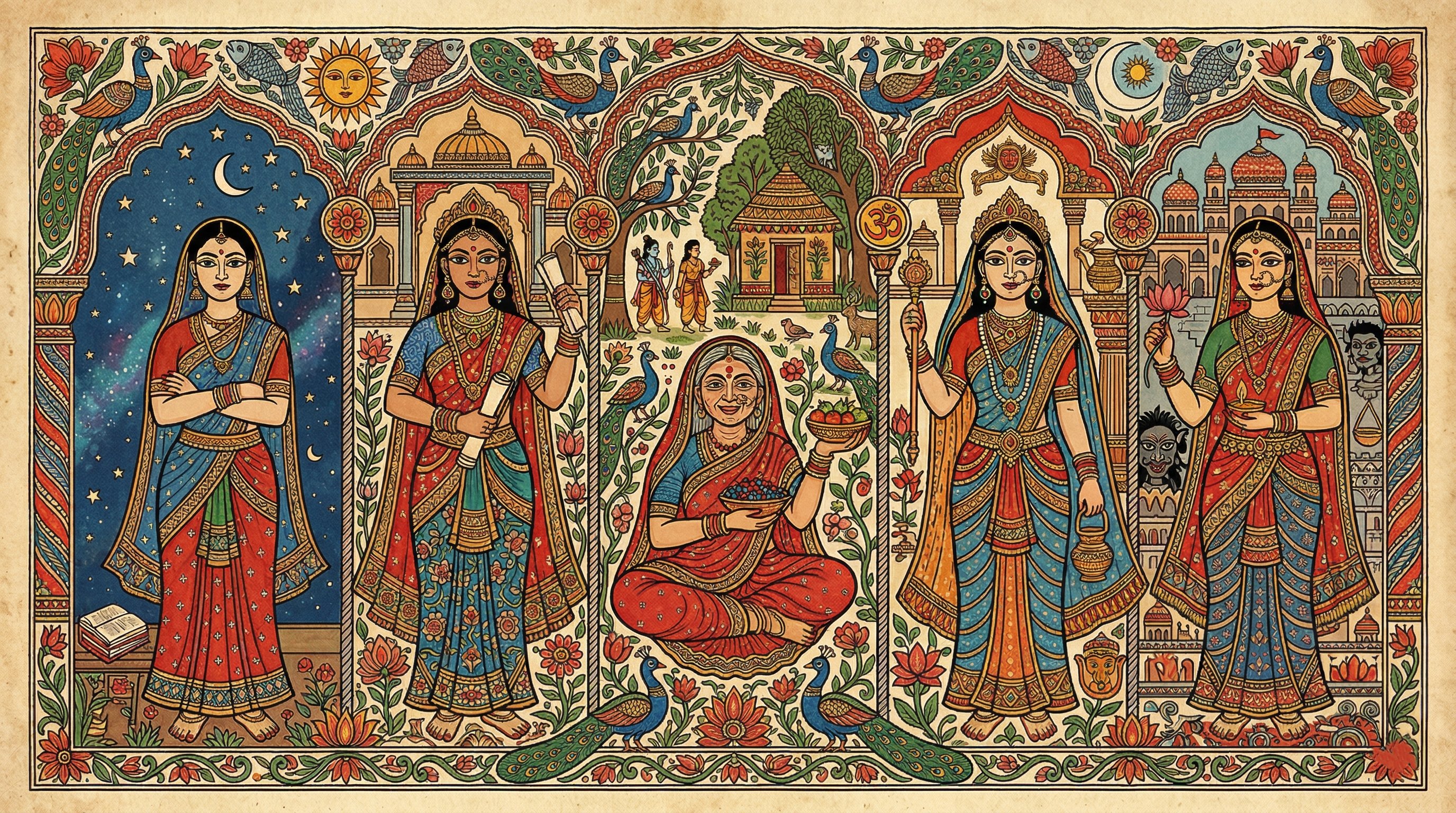
The Role of Women in the Ramayana - Beyond Sita | Vedapath
The Ramayana is supported by the diverse, complex, and powerful lives of many women. From Urmila's silent resilience to Kaikeyi's political cunning, explore the heroines who shaped the epic.
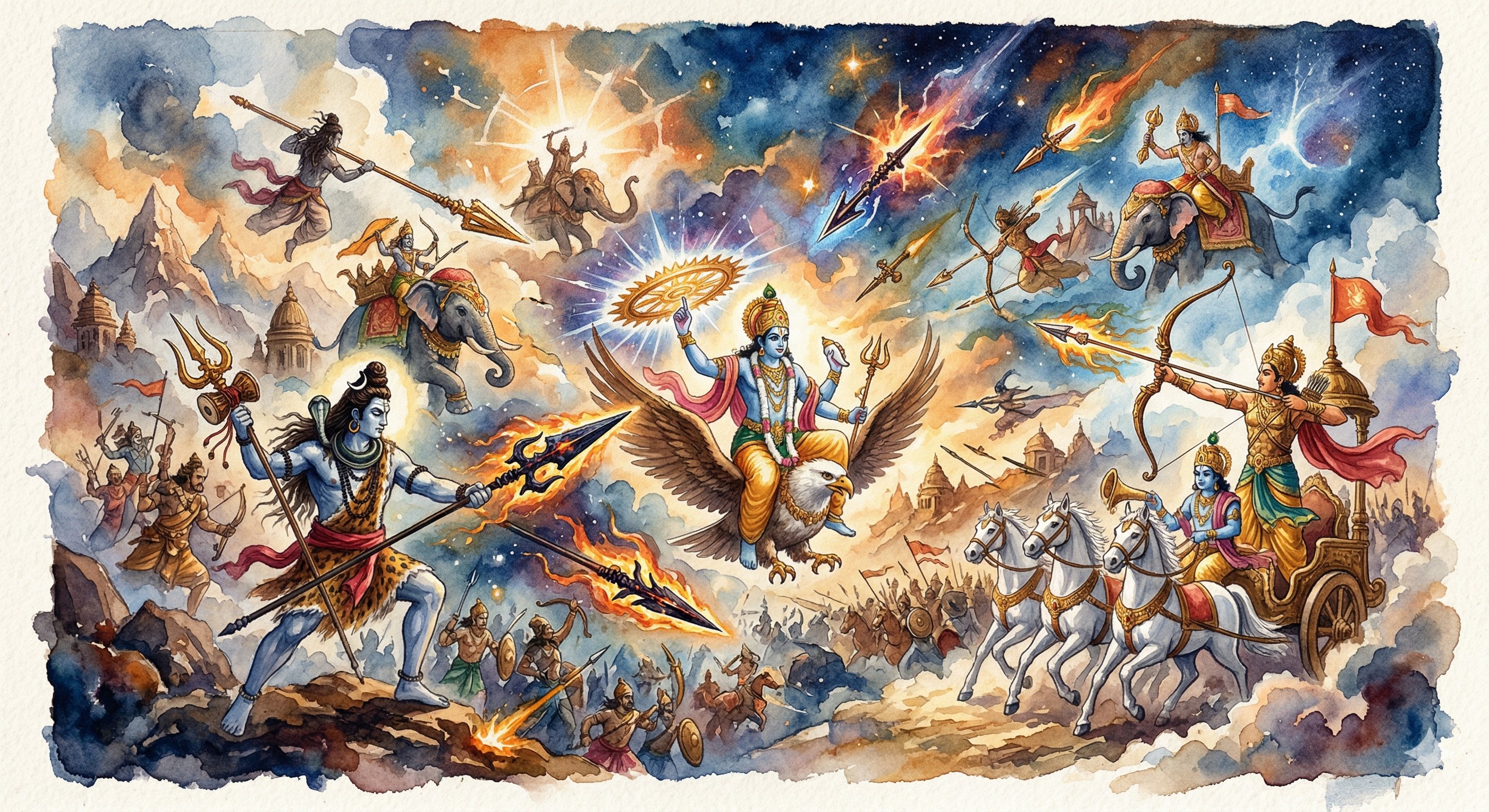
Top 10 Most Powerful Weapons in Hindu Mythology Ranked
Nuclear warheads? Amateur hour. Hindu mythology describes weapons that can destroy universes, reset timelines, and annihilate armies at the molecular level all activated by mantras. Here are the top 10, ranked.
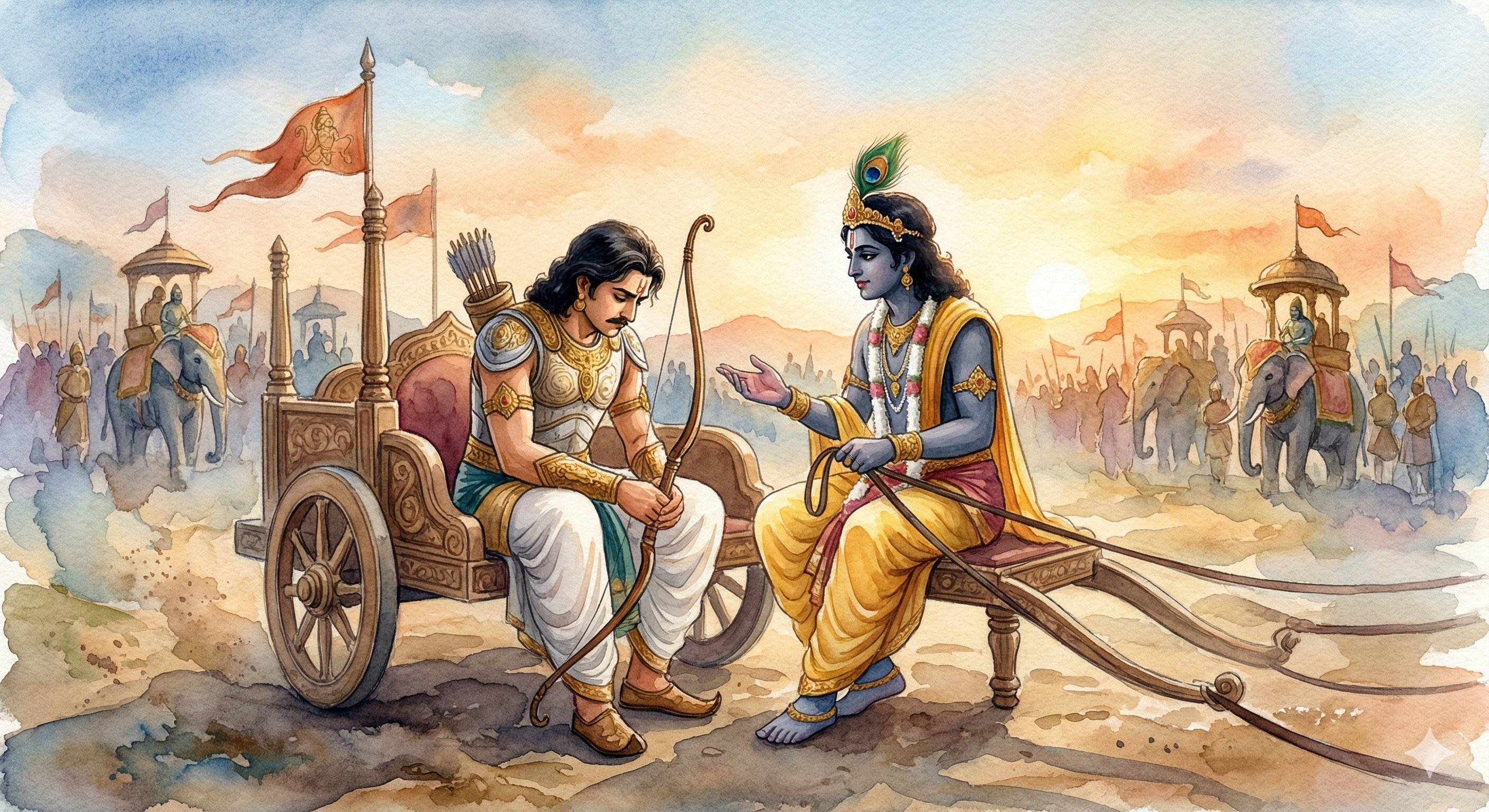
The Psychology of the Bhagavad Gita - Krishna as the World's First Therapist
A warrior collapses with anxiety on the battlefield. His charioteer talks him through a panic attack using techniques that modern psychologists wouldn't patent for another 5,000 years. The Bhagavad Gita is arguably the world's first recorded therapy session.
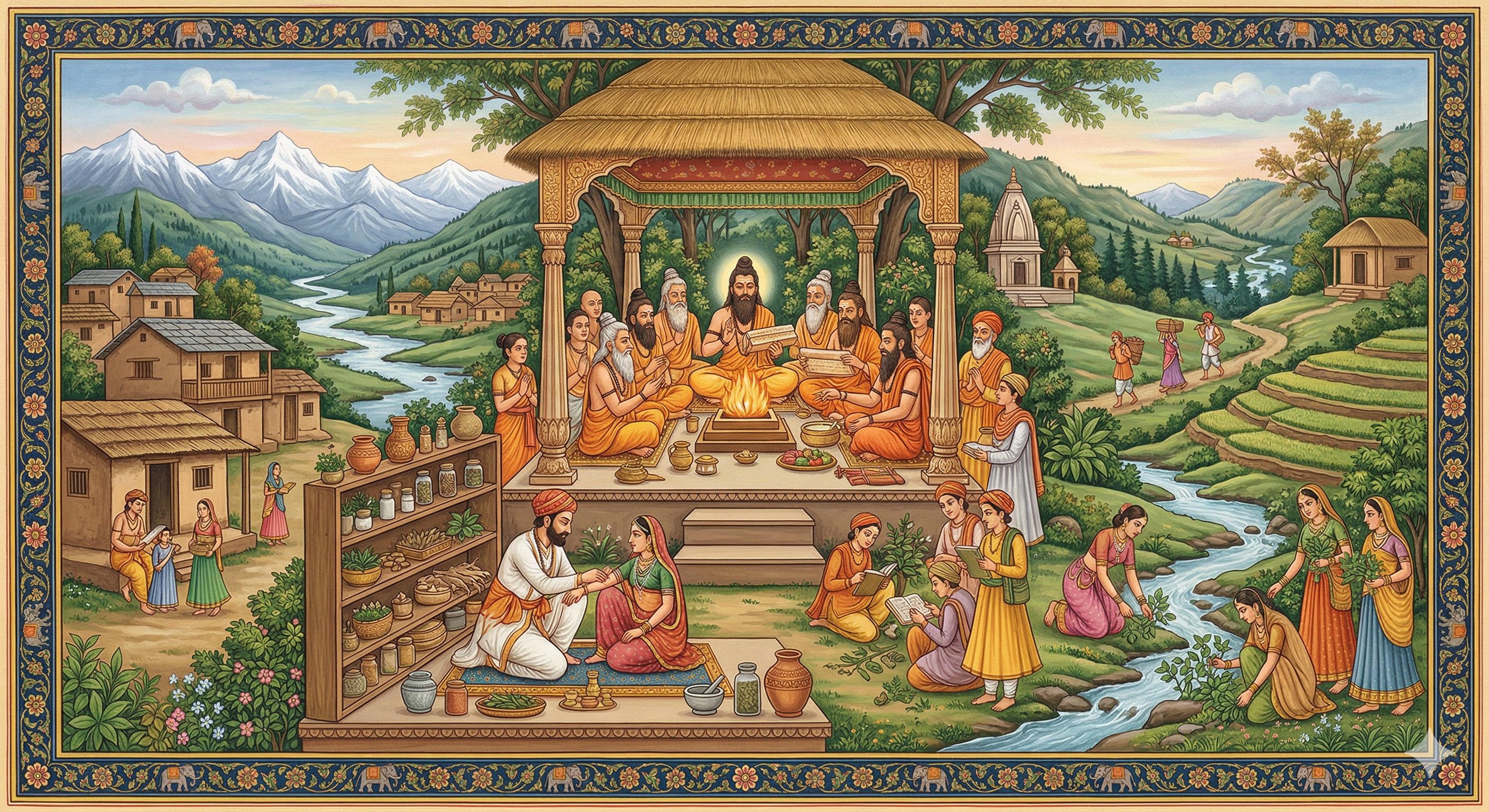
Ayurveda and the Vedas - The 5,000-Year-Old Healthcare System Making a Comeback
Ayurveda isn't just turmeric lattes and yoga retreats. Embedded within the Vedas is a sophisticated medical system describing surgery, pharmacology, psychiatry, and preventive healthcare 3,000 years before Hippocrates. Here's where modern science agrees.
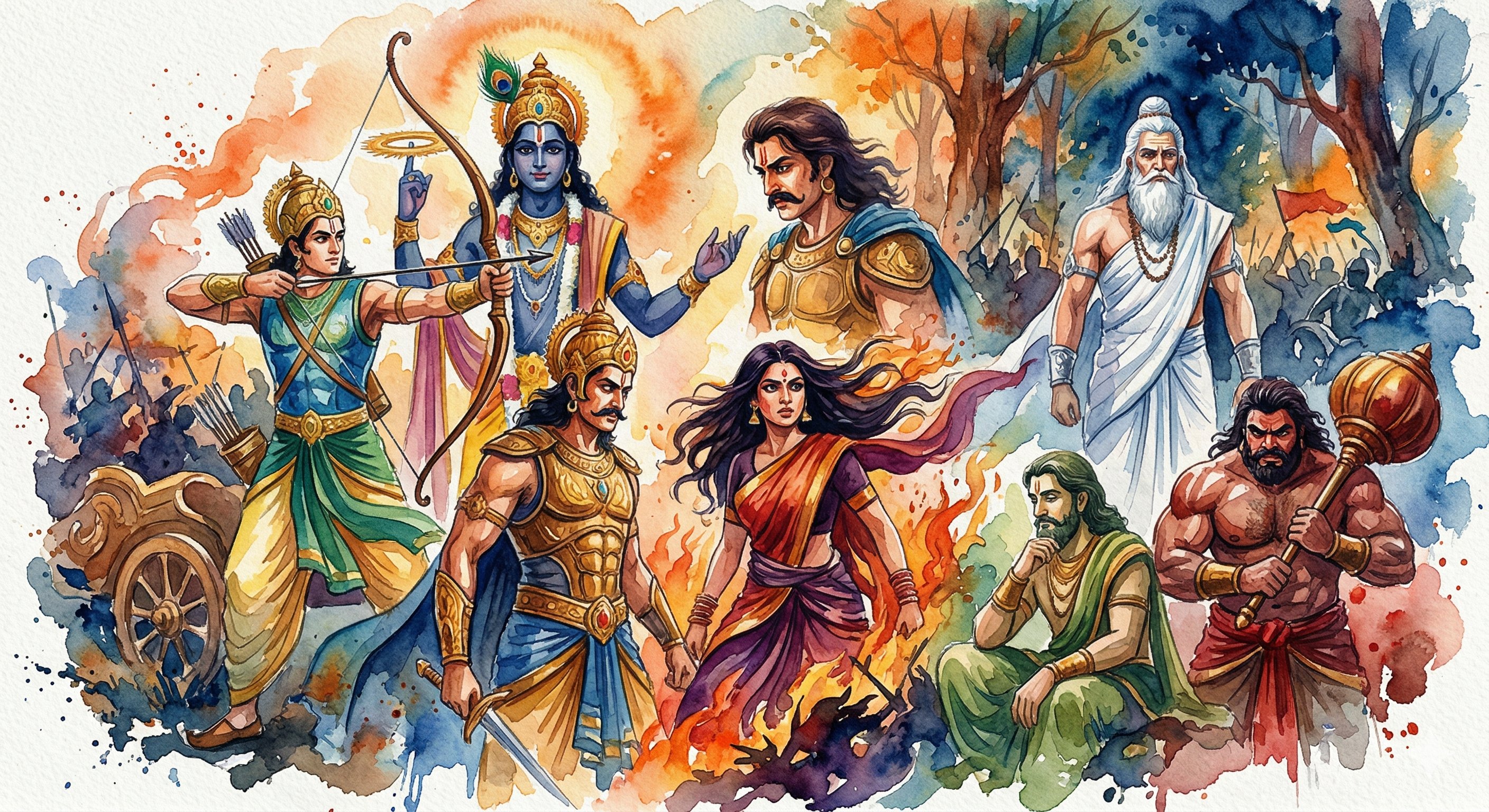
What Your Favourite Mahabharata Character Says About You - A Personality Guide
The Mahabharata's characters aren't just ancient figures they're psychological archetypes that mirror the way we think, love, fight, and make decisions today. Find out which one you are.
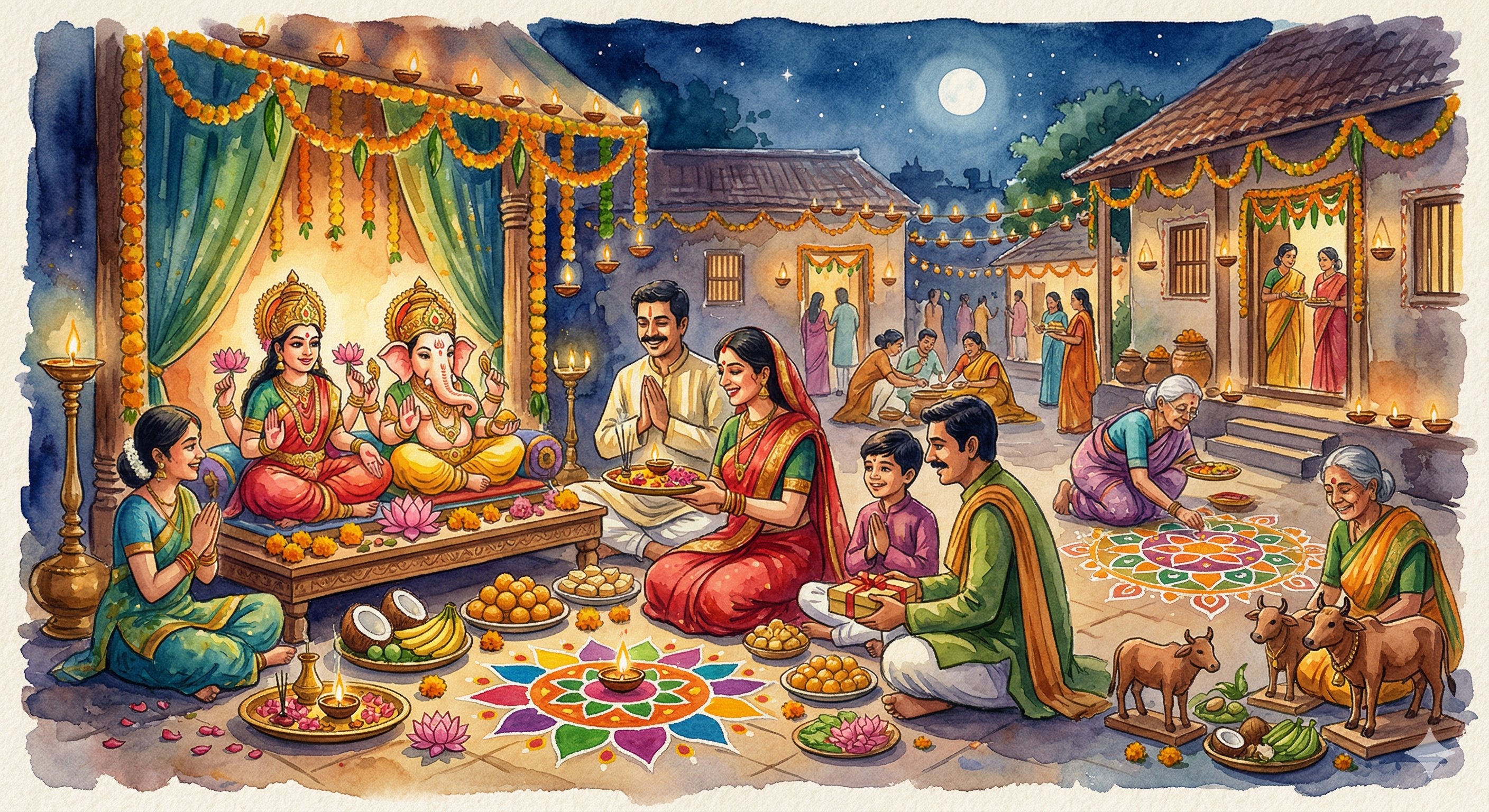
What the World Doesn't Know About Diwali - It's Not Just 'Festival of Lights'
The Western world calls it the 'Festival of Lights.' But Diwali is a five-day theological saga spanning three religions, multiple origin stories, and a 7,000-year-old tradition. Here is everything nobody tells you.
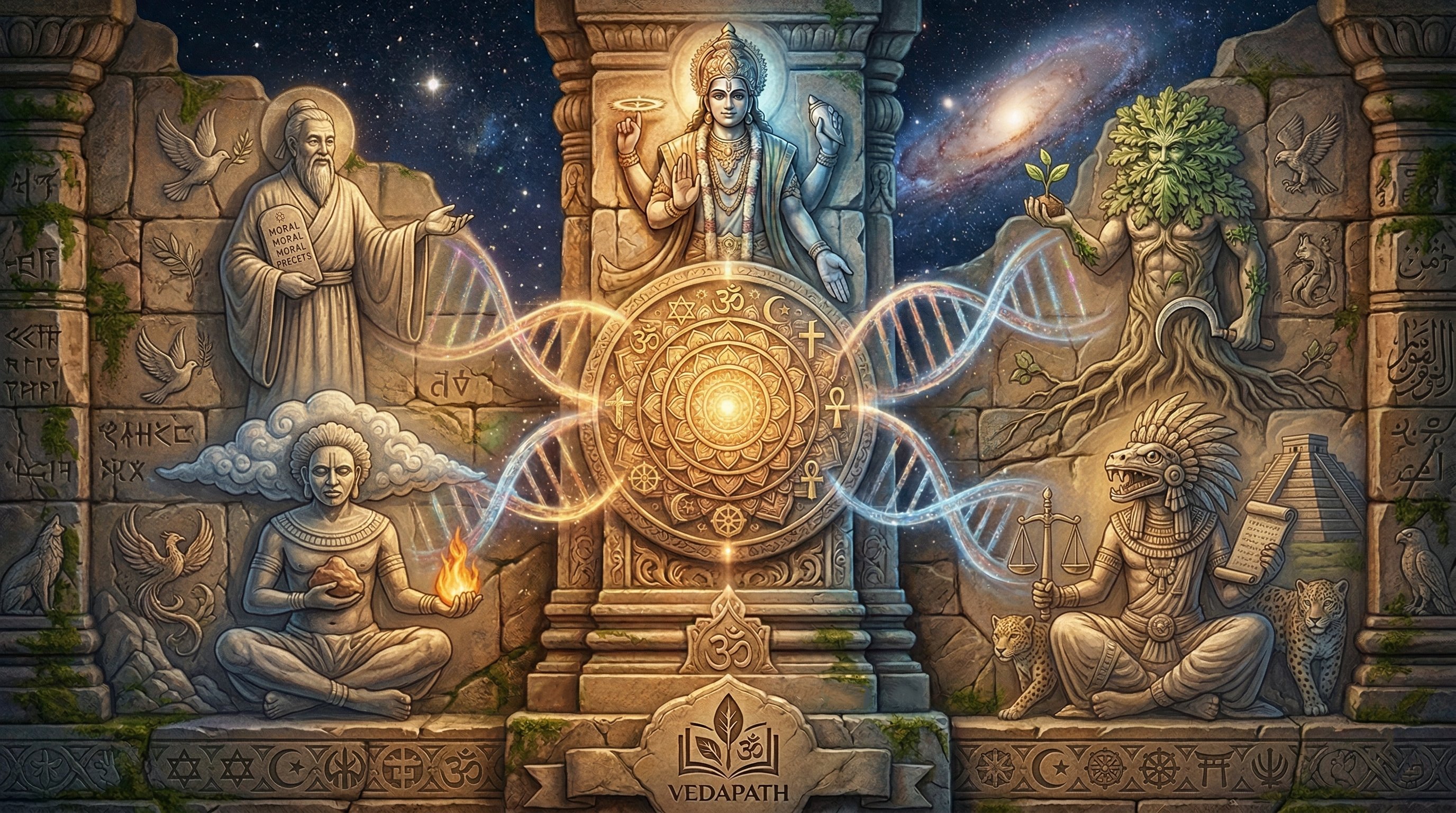
The Divine Archetype: Why Every Culture Tells the Same Story | Vedapath
From the protectors of the Vedas to the judges of the Nile, humanity has always used the same emotional framework to understand existence. Explore the four universal divine archetypes.
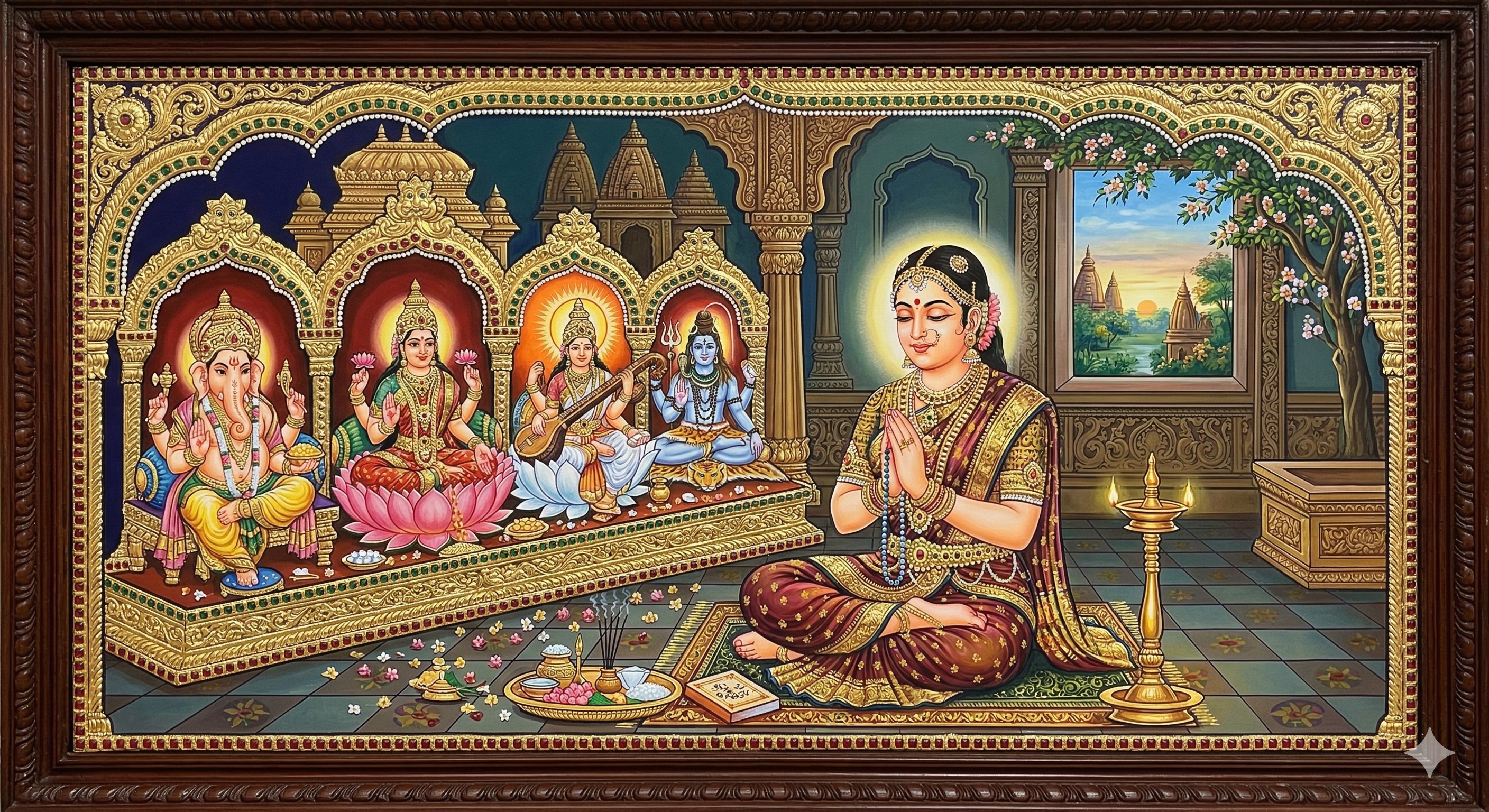
Morning Mantra Routine: 5 Vedic Mantras to Start Your Day With Purpose
How you start your morning sets the trajectory for your entire day. Here are 5 ancient Vedic mantras to wake up with intention, complete with pronunciation guides and the science behind why they work.
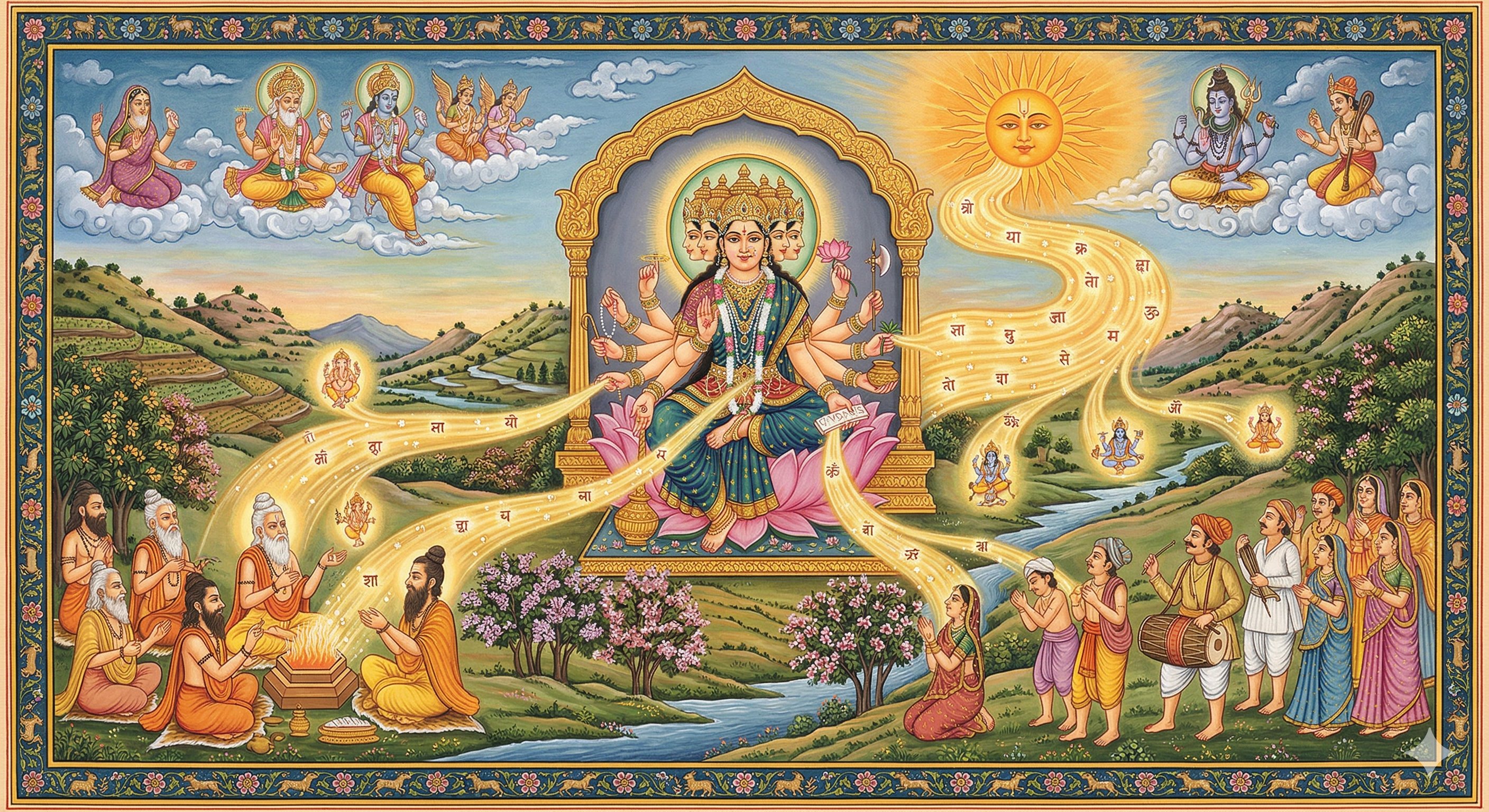
The Gayatri Mantra Explained - Why It's Called the 'Mother of All Mantras
Known as the 'Mother of All Mantras,' the Gayatri Mantra contains a profound meditation on light and intellect. Here's a word-by-word breakdown and the tradition behind it.
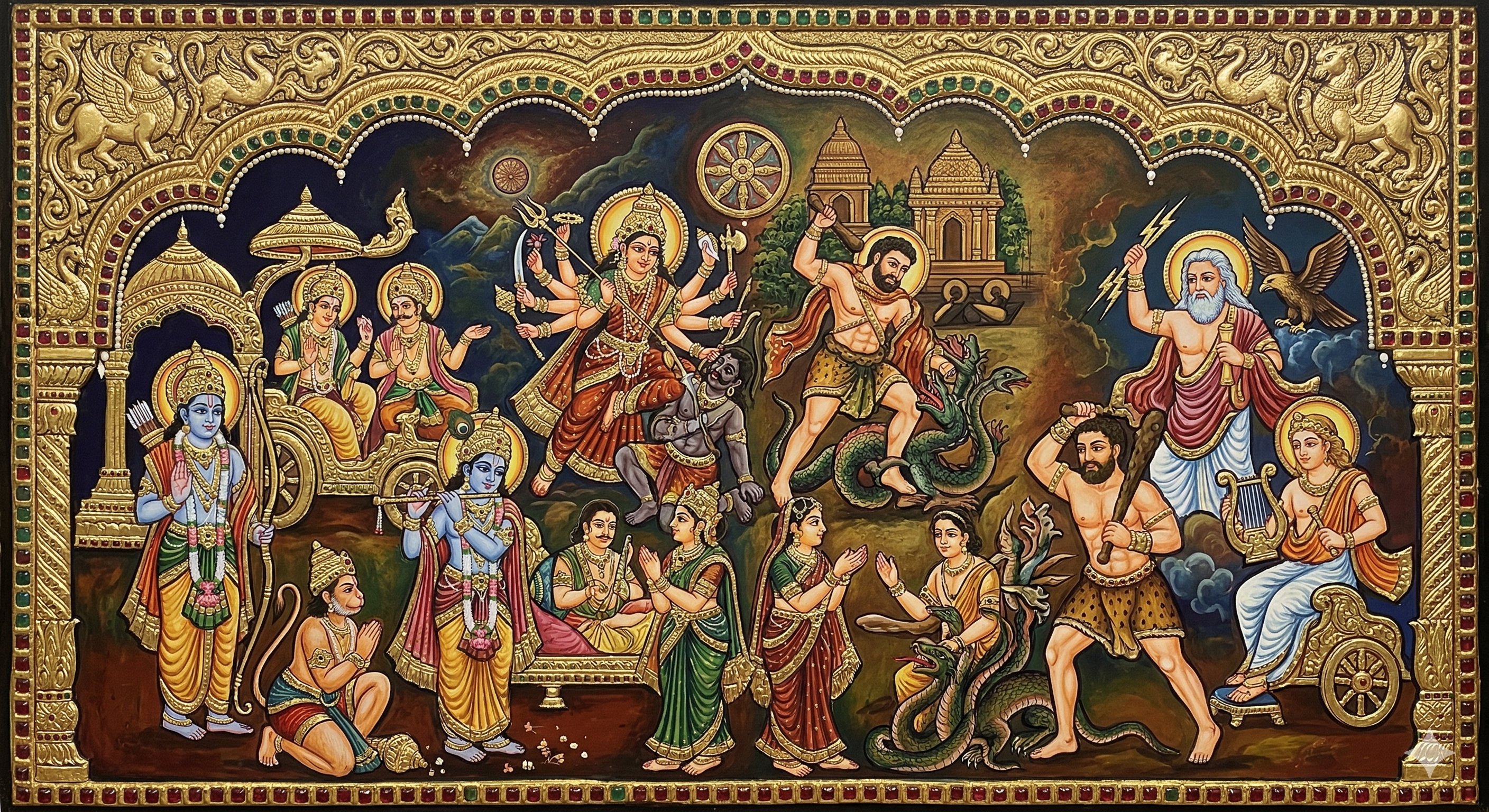
How India's Epics Influenced Greek Mythology - Parallels You Won't Believe
Did the Greek Gods have Indian cousins? From the striking similarities between Indra and Zeus to the cosmic wars of the gods, the parallels suggest a massive shared history.
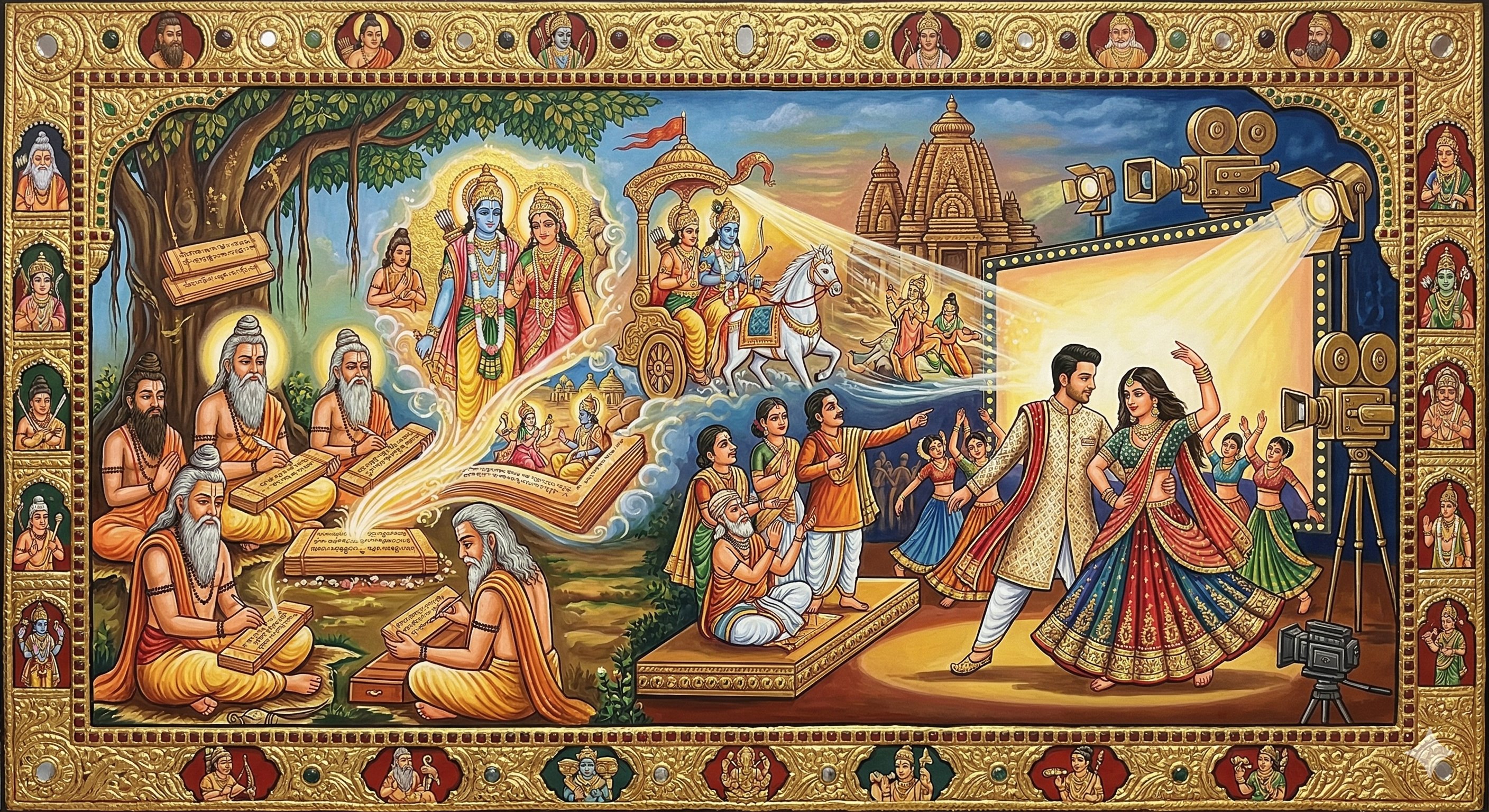
From the Vedas to Bollywood - How Ancient Stories Shape Modern Indian Cinema
You can't understand modern Indian cinema without understanding the epics. Here is how the Ramayana and Mahabharata provide the secret blueprint for our biggest blockbusters.
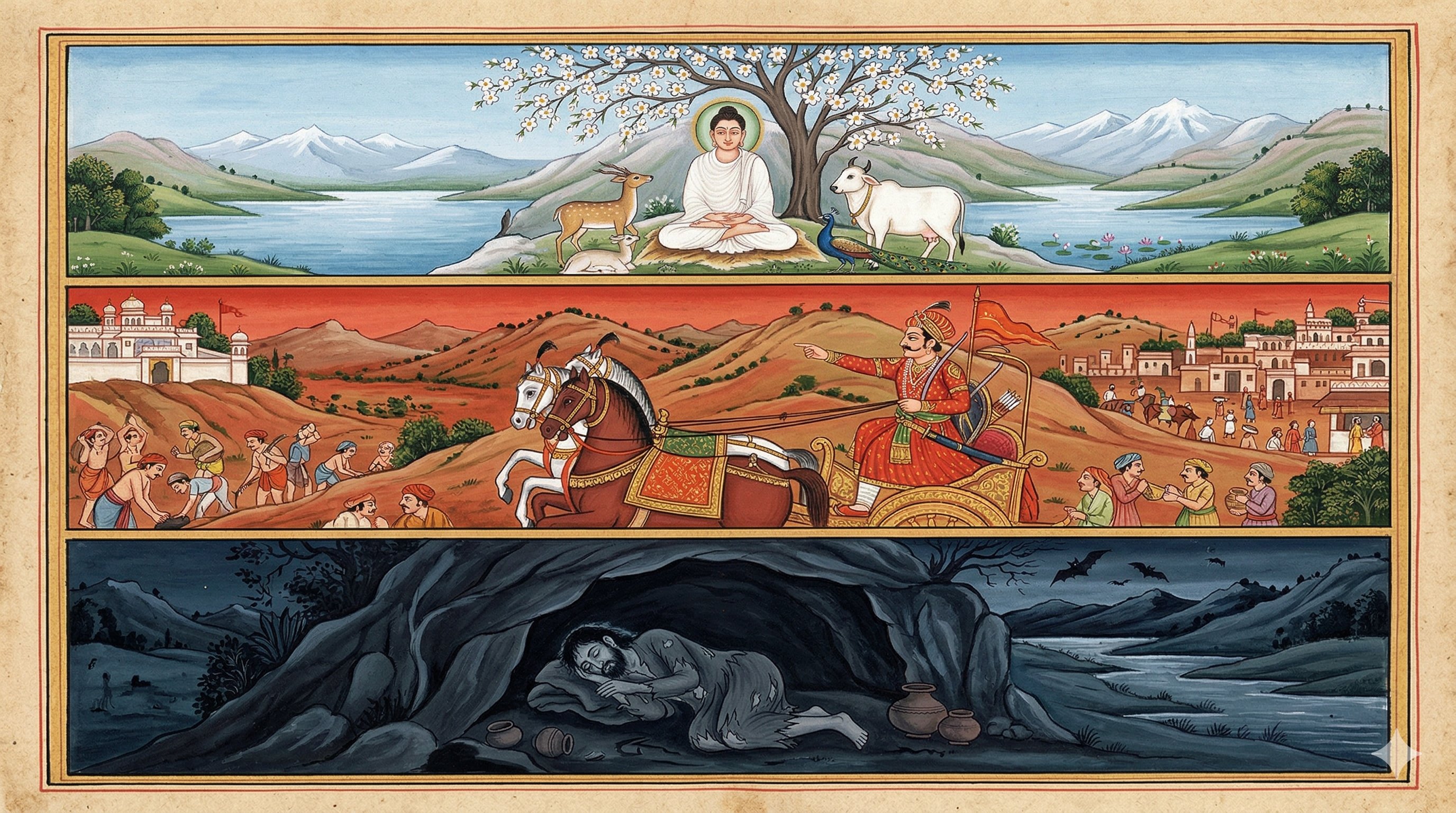
The Bhagavad Gita's 3 Types of People - Sattvic, Rajasic, Tamasic (Which Are You?)
The Bhagavad Gita doesn't just classify people into three types - it classifies everything. Food, worship, charity, discipline, knowledge, action, even happiness. Chapter 17 is the original personality framework, and it's uncomfortably accurate.