Adhyaya 38
Sāttvika-vṛtta-kathana (Brahmā on the Conduct of Sattva) — Chapter 38
Upa-parva: Guṇa–Vṛtta Upadeśa (Sāttvika Conduct Discourse) — within Āśvamedhika Parva
Brahmā enumerates the ‘third and highest guṇa’ as a practical ethic beneficial to all beings (sarvabhūtahita) and praised as the blameless dharma of the good (satām). The chapter catalogues sattva-markers spanning affect (ānanda, prīti, harṣa), social-ethical restraints (ahiṃsā, akrodha, anasūyā, apaiśunam), and disciplines of character (śauca, tyāga, atandritā, vinaya). A central evaluative claim is repeated: knowledge, conduct, service, exertion, giving, sacrifice, study, vows, and even tapas become ‘mudhā’ (ineffectual) if not integrated with yuktadharma—aligned ethical practice. The discourse defines the stable posture of the sāttvika person as nirmamatva (non-possessiveness), nirahaṃkāra (non-egoism), nirāśīḥ (non-expectation), and sarvataḥ-samatā (equanimity). It then describes the post-mortem fruition for such persons—freedom from sorrow, attainment of heaven, and capacities likened to divine powers—before closing with an epistemic thesis: one who understands the guṇas ‘enjoys the guṇas’ rather than being consumed by them.
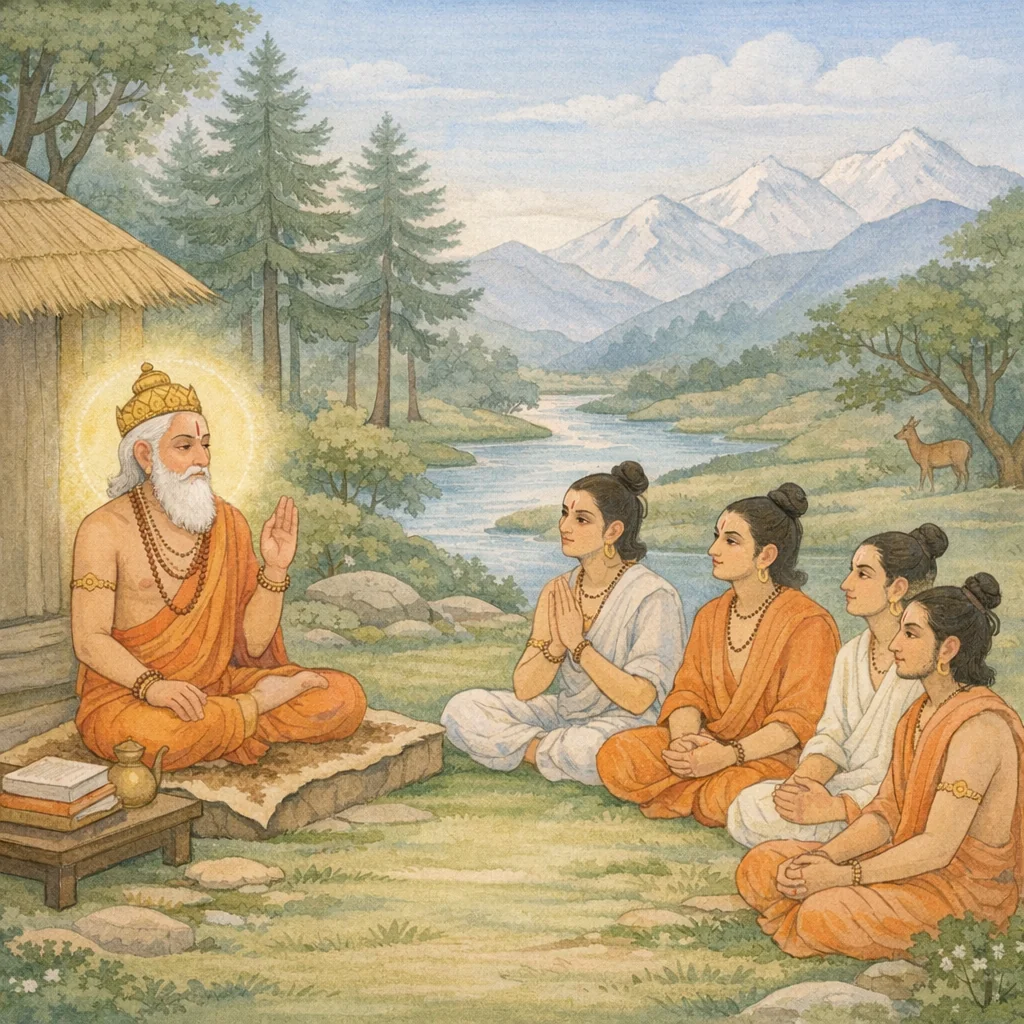
Chapter Arc: ब्रह्मा गुरु-स्वर में शिष्य-समूह को संबोधित करते हैं: अब मैं ‘तृतीय’—उत्तम सत्त्वगुण—का वर्णन करूँगा, जो लोक में सर्वभूतहितकारी है। → सत्त्व के लक्षण एक-एक कर उजागर होते हैं—आनन्द, प्रीति, प्रकाश, सुख, अकार्पण्य, असंरम्भ, संतोष, श्रद्धा; फिर क्षमा, धृति, अहिंसा, समता, सत्य, आर्जव, अक्रोध, अनसूया, शौच, दाक्ष्य, पराक्रम; और आगे विनय, साधुवृत्ति, शान्तिकर्म, शुद्धि, शुभबुद्धि—मानो मनुष्य के भीतर का युद्ध अब गुणों के स्तर पर लड़ा जा रहा हो। → गुरु निर्णायक रूप से ‘सात्त्विक वृत्त’ का फल बताते हैं: जो इस आचरण को विधिवत जानकर धारण करता है, वह इच्छित फल प्राप्त करता है; और सत्त्वसम्पन्न महात्मा ‘ऊर्ध्वस्रोतस्’ देवतुल्य वैकारिक माने जाते हैं—ईशित्व, वशित्व, लघिमा आदि मानसिक सिद्धियों की ओर संकेत होता है। → सत्त्व-आधारित जीवन को ब्राह्मण-धर्म, यज्ञ, अध्ययन, व्रत, तप और साधु-दृष्टि से जोड़ा जाता है; अध्याय यह स्थापित करता है कि शुद्ध आचरण ही उन्नति का द्वार है, पर सिद्धि/स्वर्ग के भोग-संस्कार चित्त को विकृत भी कर सकते हैं। → स्वर्ग-प्राप्ति के बाद भोगजनित संस्कारों से चित्त-विकृति का संकेत आगे के विवेचन का द्वार खोलता है—क्या सिद्धि और भोग साधक को बाँध देंगे या मुक्त करेंगे?
Shlokas
Verse 1
अफ-्#-रात अष्टात्रिशो5 ध्याय: सत्त्वगुणके कार्यका वर्णन और उसके जाननेका फल ब्रह्मोवाच अतः: पर प्रवक्ष्यामि तृतीयं गुणमुत्तमम् । सर्वभूतहितं लोके सतां धर्ममनिन्दितम्,ब्रह्माजीने कहा--महर्षियो! अब मैं तीसरे उत्तम गुण (सत्त्वगुण)-का वर्णन करूँगा, जो जगत्में सम्पूर्ण प्राणियोंका हितकारी और श्रेष्ठ पुरुषोंका प्रशंसनीय धर्म है
Brahmā said: “Now, further, I shall declare the third and highest quality—sattva. It is a way of life praised by the good, blameless in conduct, and beneficial to all beings in the world.”
Verse 2
आनन्द: प्रीतिरुद्रेक: प्राकाश्यं सुखमेव च । अकार्पण्यमसंरम्भ: सन्तोष: श्रद्धधानता,आनन्द, प्रसन्नता, उन्नति, प्रकाश, सुख, कृपणताका अभाव, निर्भयता, संतोष, श्रद्धा, क्षमा, धैर्य, अहिंसा, समता, सत्य, सरलता, क्रोधका अभाव, किसीके दोष न देखना, पवित्रता, चतुरता और पराक्रम--ये सत्त्वगुणके कार्य हैं
Vāyudeva said: “Joy, affectionate love, an upsurge of gladness, inner clarity, and happiness; freedom from miserly narrowness, calmness without agitation, contentment, and steadfast faith—these are the characteristic expressions of the quality of sattva.”
Verse 3
क्षमा धृतिरहिंसा च समता सत्यमार्जवम् | अक्रोधश्वानसूया च शौचं दाक्ष्यं पराक्रम:,आनन्द, प्रसन्नता, उन्नति, प्रकाश, सुख, कृपणताका अभाव, निर्भयता, संतोष, श्रद्धा, क्षमा, धैर्य, अहिंसा, समता, सत्य, सरलता, क्रोधका अभाव, किसीके दोष न देखना, पवित्रता, चतुरता और पराक्रम--ये सत्त्वगुणके कार्य हैं
Vāyu-deva said: “Forbearance, steadfastness, non-violence, even-mindedness, truthfulness, straightforwardness, freedom from anger, absence of fault-finding, purity, skillfulness, and valor—these are the characteristic expressions of the quality of sattva.”
Verse 4
मुधा ज्ञानं मुधा वृत्तं मुधा सेवा मुधा श्रम: । एवं यो युक्तधर्म: स्यात् सोअमुत्रात्यन्तमश्षुते,नाना प्रकारकी सांसारिक जानकारी, सकाम व्यवहार, सेवा और श्रम व्यर्थ है--ऐसा समझकर जो कल्याणके साधनमें लग जाता है, वह परलोकमें अक्षय सुखका भागी होता है
Vāyu said: “Worldly learning is futile; worldly conduct is futile; service and toil pursued for merely temporal ends are futile.” One who, understanding this, becomes devoted to the true means of welfare (dharma rightly applied) attains imperishable, unsurpassed happiness in the world beyond.
Verse 5
निर्ममो निरहड़कारो निराशी: सर्वतः सम: । अकामभूत इत्येव सतां धर्म: सनातन:,ममता, अहंकार और आशासे रहित होकर सर्वत्र समदृष्टि रखना और सर्वथा निष्काम हो जाना ही श्रेष्ठ पुरुषोंका सनातन धर्म है
Vāyu-deva said: “To be free from possessiveness, free from egoism, and free from craving; to maintain equal vision toward all in every circumstance; and to become wholly without selfish desire—this alone is declared to be the eternal dharma of the noble.”
Verse 6
विश्रम्भो द्वीस्तितिक्षा च त्याग शौचमतन्द्रिता । आनृशंस्यमसम्मोहो दया भूतेष्वपैशुनम्,विश्वास, लज्जा, तितिक्षा, त्याग, पवित्रता, आलस्यरहित होना, कोमलता, मोहका अभाव, प्राणियोंपर दया करना, चुगली न खाना, हर्ष, संतोष, गर्वहीनता, विनय, सद्बर्ताव, शान्तिकर्ममें शुद्धभावसे प्रवृत्ति, उत्तम बुद्धि, आसक्तिसे छूटना, जगत्के भोगोंसे उदासीनता, ब्रह्मचर्य, सब प्रकारका त्याग, निर्ममता, फलकी कामना न करना तथा धर्मका निरन्तर पालन करते रहना--ये सब सत्त्वगुणके कार्य हैं
Vāyu-deva said: Trustfulness, steadiness, forbearance, renunciation, purity, and freedom from sloth; kindness, absence of delusion, compassion toward all beings, and abstaining from slander—these are the marks of a sāttvika disposition, the ethical qualities that sustain dharma through inner clarity and self-restraint.
Verse 7
हर्षस्तुष्टिविस्मयश्व विनय: साधुवृत्तिता । शान्तिकर्मणि शुद्धिश्व शुभा बुद्धिर्विमोचनम्,विश्वास, लज्जा, तितिक्षा, त्याग, पवित्रता, आलस्यरहित होना, कोमलता, मोहका अभाव, प्राणियोंपर दया करना, चुगली न खाना, हर्ष, संतोष, गर्वहीनता, विनय, सद्बर्ताव, शान्तिकर्ममें शुद्धभावसे प्रवृत्ति, उत्तम बुद्धि, आसक्तिसे छूटना, जगत्के भोगोंसे उदासीनता, ब्रह्मचर्य, सब प्रकारका त्याग, निर्ममता, फलकी कामना न करना तथा धर्मका निरन्तर पालन करते रहना--ये सब सत्त्वगुणके कार्य हैं
Vāyu said: Joy, contentment, wonder, humility, and noble conduct; purity in works of peace; an auspicious and discerning intellect; and liberation—along with trust, modesty, forbearance, renunciation, purity, freedom from laziness, gentleness, absence of delusion, compassion toward living beings, and avoidance of slander—also gladness, satisfaction, freedom from pride, humility, good behavior, engagement in peaceful duties with a pure intention, excellent understanding, release from attachment, dispassion toward worldly enjoyments, celibacy, every form of renunciation, non-possessiveness, absence of desire for results, and unwavering practice of dharma: all these are the effects and expressions of the sattva-guṇa.
Verse 8
उपेक्षा ब्रह्मचर्य च परित्यागश्न सर्वश: | निर्ममत्वमनाशीष्ट्वमपरिक्षतधर्मता,विश्वास, लज्जा, तितिक्षा, त्याग, पवित्रता, आलस्यरहित होना, कोमलता, मोहका अभाव, प्राणियोंपर दया करना, चुगली न खाना, हर्ष, संतोष, गर्वहीनता, विनय, सद्बर्ताव, शान्तिकर्ममें शुद्धभावसे प्रवृत्ति, उत्तम बुद्धि, आसक्तिसे छूटना, जगत्के भोगोंसे उदासीनता, ब्रह्मचर्य, सब प्रकारका त्याग, निर्ममता, फलकी कामना न करना तथा धर्मका निरन्तर पालन करते रहना--ये सब सत्त्वगुणके कार्य हैं
Vāyudeva said: “Forbearance, celibate self-restraint, and complete renunciation; freedom from possessiveness, absence of selfish expectation, and unwavering perseverance in dharma; trust, modesty, endurance, generosity, purity, freedom from laziness, gentleness, absence of delusion, compassion toward living beings, avoidance of slander, cheerfulness, contentment, humility without pride, courtesy, good conduct, sincere engagement in works of peace with a purified intention, excellent discernment, release from attachment, indifference to the pleasures of the world, continence, total giving up, non-possessiveness, freedom from desire for results, and constant observance of righteousness—these are all the characteristic effects of the sattva quality.”
Verse 9
मुधा दानं मुधा यज्ञो मुधा5धीतं मुधा व्रतम् । मुधा प्रतिग्रहश्वैव मुधा धर्मो मुधा तप:,सकाम दान, यज्ञ, अध्ययन, व्रत, परिग्रह, धर्म और तप--ये सब व्यर्थ हैं--ऐसा समझकर जो उपर्युक्त बर्तावका पालन करते हुए इस जगत्में सत्यका आश्रय लेते हैं और वेदकी उत्पत्तिके स्थानभूत परब्रह्म परमात्मामें निष्ठा रखते हैं, वे ब्राह्मण ही धीर और साधुदर्शी माने गये हैं
Vāyudeva said: “Charity is futile, sacrifice is futile, study is futile, and vows are futile; receiving gifts is futile as well; even ‘dharma’ and austerity are futile—when they are pursued with selfish desire. Knowing this, those who, while maintaining the right conduct described above, take refuge in truth in this world and remain steadfast in the Supreme Brahman—the source from which the Veda arises—are truly regarded as steadfast and clear-sighted brāhmaṇas.”
Verse 10
एवंवृत्तास्तु ये केचिल्लोके5स्मिन् सत्त्वसंश्रया: | ब्राह्मणा ब्रह्म॒योनिस्थास्ते धीरा: साधुदर्शिन:,सकाम दान, यज्ञ, अध्ययन, व्रत, परिग्रह, धर्म और तप--ये सब व्यर्थ हैं--ऐसा समझकर जो उपर्युक्त बर्तावका पालन करते हुए इस जगत्में सत्यका आश्रय लेते हैं और वेदकी उत्पत्तिके स्थानभूत परब्रह्म परमात्मामें निष्ठा रखते हैं, वे ब्राह्मण ही धीर और साधुदर्शी माने गये हैं
Vāyu said: “Those, in this world, who live in such a manner—taking refuge in truth and purity of being—and who, as Brahmins, remain firmly established in the Supreme Brahman, the very source from which the Veda arises: they alone are regarded as steadfast and clear-sighted. Having understood that acts pursued with desire—such as giving, sacrifice, study, vows, acquisition, conventional righteousness, and austerity—are futile when driven by craving, they uphold the higher conduct rooted in truth and Brahman-realization.”
Verse 11
हित्वा सर्वाणि पापानि नि:शोका हाथ मानवा: । दिवं प्राप्प तु ते धीरा: कुर्वते वै ततस्तनू:,वे धीर मनुष्य सब पापोंका त्याग करके शोकसे रहित हो जाते हैं और स्वर्गलोकमें जाकर वहाँके भोग भोगनेके लिये अनेक शरीर धारण कर लेते हैं
Vāyu said: “Casting off all sins, human beings become free from grief. Having attained heaven, those steadfast souls then assume bodies there in order to experience the enjoyments of that world.”
Verse 12
ईशित्वं च वशित्वं च लघुत्व॑ं मनसश्न ते । विकुर्वते महात्मानो देवास्त्रिदिवगा इव
Vāyu said: “Sovereign mastery, the power to bring all under one’s control, and the mind’s lightness and freedom of movement—these exalted capacities arise in great-souled beings, just as they do in the gods who dwell in the threefold heaven.”
Verse 13
विकुर्वन्त: प्रकृत्या वै दिवं प्राप्तास्ततस्तत:
Vāyu said: “Acting in accordance with their innate nature, they attained heaven—each in his own way and in due course.”
Verse 14
इत्येतत् सात्त्विकं वृत्तं कथित वो द्विजर्षभा: । एतद् विज्ञाय लभते विधिवद् यद् यदिच्छति,श्रेष्ठ ब्राह्मणों! इस प्रकार मैंने तुमलोगोंसे सत्त्वगुणके कार्योंका वर्णन किया। जो इस विषयको अच्छी तरह जानता है, वह जिस-जिस वस्तुकी इच्छा करता है, उसीको पा लेता है
“O bull-like twice-born ones, O foremost Brāhmaṇas! Thus have I declared to you the sāttvika course of conduct—the works that arise from the guṇa of sattva. Whoever understands this well obtains, in due and lawful manner, whatever he desires.”
Verse 15
प्रकीर्तिता: सत्त्वगुणा विशेषतो यथाददुक्तं गुणवृत्तमेव च । नरस्तु यो वेद गुणानिमान् सदा गुणान् स भुड्धक्ते न गुणैः स युज्यते,यह सत्त्वगगुणका विशेषरूपसे वर्णन किया गया तथा सत्त्वगुणका कार्य भी बताया गया। जो मनुष्य इन गुणोंको जानता है, वह सदा गुणोंको भोगता है, किंतु उनसे बँधता नहीं
Vāyu said: “The qualities of sattva have been described in their distinctive form, and the manner in which the guṇas operate has also been stated. But the person who truly understands these guṇas continually experiences their effects without becoming bound to them; he enjoys the guṇas, yet he is not yoked to them.”
Verse 37
इस प्रकार श्रीमह्याभारत आश्वमेधिकपव॑के अन्तर्गत अनुगीतापर्वमें गुरु-शिष्य- संवादविषयक सैंतीसवाँ अध्याय पूरा हुआ
Thus ends the thirty-seventh chapter, dealing with the dialogue between teacher and disciple, within the Anugītā section of the Aśvamedhika Parva of the sacred Mahābhārata.
Verse 38
इति श्रीमहाभारते आश्वमेधिके पर्वणि अनुगीतापर्वणि गुरुशिष्यसंवादेडष्टत्रिंशो 5ध्याय:
Thus, in the Śrī Mahābhārata, within the Aśvamedhika Parva, in the Anugītā section, in the dialogue between teacher and disciple, ends the thirty-eighth chapter.
Verse 126
ऊर्ध्वस्रोतस इत्येते देवा वैकारिका: स्मृता: । सत्त्वगुणसम्पन्न महात्मा स्वर्गवासी देवताओंकी भाँति ईशित्व, वशित्व और लघिमा आदि मानसिक सिद्धियोंको प्राप्त करते हैं। वे ऊर्ध्वत्रोता और वैकारिक देवता माने गये हैं
Vāyu said: “Those who are called ‘upward-streaming’ are remembered as the Vaikārika gods. A great-souled person, endowed with the quality of sattva and dwelling in heaven, attains—like the deities—mental perfections such as lordship, mastery, and lightness. Such a one is regarded as an Ūrdhvasrotas and as a Vaikārika deity.”
Verse 136
यद् यदिच्छन्ति तत् सर्व भजन्ते विभजन्ति च । (योगबलसे) स्वर्गको प्राप्त होनेपर उनका चित्त उन-उन भोगजनित संस्कारोंसे विकृत होता है। उस समय वे जो-जो चाहते हैं, उस-उस वस्तुको पाते और बाँटते हैं
Vāyu said: “Whatever they desire, that they obtain in full; and having obtained it, they also apportion and distribute it.” In context, this points to the mind’s tendency—once it reaches heavenly enjoyment—to be shaped and distorted by pleasure-born impressions (saṁskāras), so that desire governs both acquisition and the sharing of enjoyments.
Frequently Asked Questions
The dilemma is the reliability of external religiosity: whether acts like dāna, yajña, study, vows, and tapas have value when the agent lacks sattvika conduct; the chapter answers by making ethical alignment the prerequisite for efficacy.
Sattva is expressed as verifiable conduct—compassion, truth, purity, restraint, equanimity—and the person who understands the guṇas can engage life without being dominated by reactive qualities.
Yes: the chapter claims that those established in sattva abandon sins, become free from grief, attain heaven, and gain extraordinary capacities; it further states that knowing the guṇas enables mastery over them (‘enjoys the guṇas, not enjoyed by the guṇas’).