Adhyaya 133
Chapter 133 — Various Strengths (Nānā-balāni) in Jyotiṣa and Battle-Protection Rites
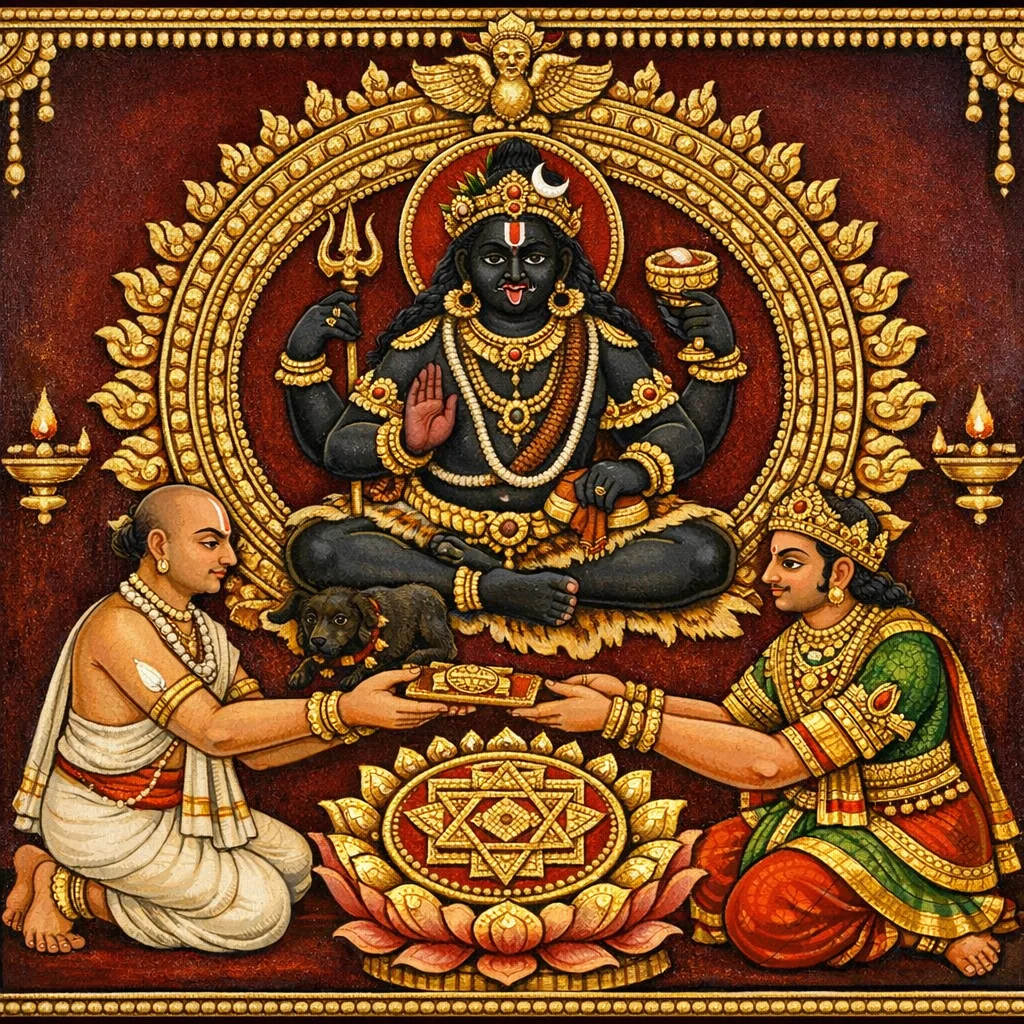
يواصل الإله أغني سياق «يودهَجايارْنَفا» رابطًا تشخيصات علم الجيوتيشا بفاعلية القتال في ساحة الحرب. يبدأ بوصف الهيئة المثلى لـ«سيّد الميدان» (kṣetrādhipa): جسد متوازن وبنية راسخة، ثم يربط مواضع الشمس والقمر والمريخ وعطارد والمشتري والزهرة وزحل بالطباع والحظ. بعد ذلك يعدد ثمار الدَشا (المال، الأرض، ازدهار المُلك) ويُدخل قراءة الفأل عبر جريان النّادي (النَّفَس الأيسر/الأيمن) وتساوي/اختلاف عدد مقاطع الاسم، ممتدًا إلى نتائج التجارة والحرب. ثم ينتقل إلى «الأغنيّا فيديا» العملية: مانترات السلاح المتمحورة حول بهايرافا مع النْياسا والجَپا لإيقاع الهزيمة وإفرار جيوش العدو؛ وطقوس كسر الجيوش باستعمال مواد من أرض الحرق وكتابة الاسم على دمية/هيئة مرسومة. ويُعلَّم «غارودا/تاركشيا-تشاكرا» للنصر ولتحييد السموم وآفات الأرواح/الغراها عبر التصور الذهني وتوزيع المقاطع الصوتية. وتبلغ وسائل الحماية ذروتها بطقس «بيتشّيكَا» (جَپا وقت الكسوف)، وإجراءات الدفع عن بُعد (bhaṅga)، وفيديات الماتريكا المكتوبة على الأوراق، ويانترا رَكشا ببذرة مُغلقة مع بتلات اللوتس وتوضيع الفونيمات، وتشكيل «مريتْيُونجَيا»، وفيديا «بهيلَخِي» لردّ الموت السحري المعادي، مختتمًا بادعاء عملي بعدم القهر في قتال السيف.
Shlokas
No shlokas available for this adhyaya yet.
Frequently Asked Questions
A combined technical stack: (1) Jyotiṣa correlations of graha placements with bodily/psychological traits; (2) daśā-phala enumerations; (3) omen-reading via nāḍī-flow and name-syllable parity; and (4) operational mantra/yantra protocols (nyāsa counts such as 108 japa; ninefold name-inscription; lotus-petal phoneme placements; birch-bark inscription with gorocanā and kuṅkuma).
It frames protection, victory, and harm-aversion as dharmic disciplines: mantra, yantra, visualization, and ritual offerings are treated as revealed means that must be applied with restraint and right orientation, integrating worldly efficacy (bhukti) into a sacral order that supports steadiness, protection of life, and the broader pursuit of Dharma and ultimately mukti.
Bhairava (as the meditational self-form for astramantra practice), Tārkṣya/Garuḍa (as the victory and poison-destroying power), the Mātṛkās with emphasis on Kālarātrī (via caru offerings), and protective forms such as Narasiṁhī, Bhairavī-Śakti, and Gaurī.