Adhyaya 133
Chapter 133 — Various Strengths (Nānā-balāni) in Jyotiṣa and Battle-Protection Rites
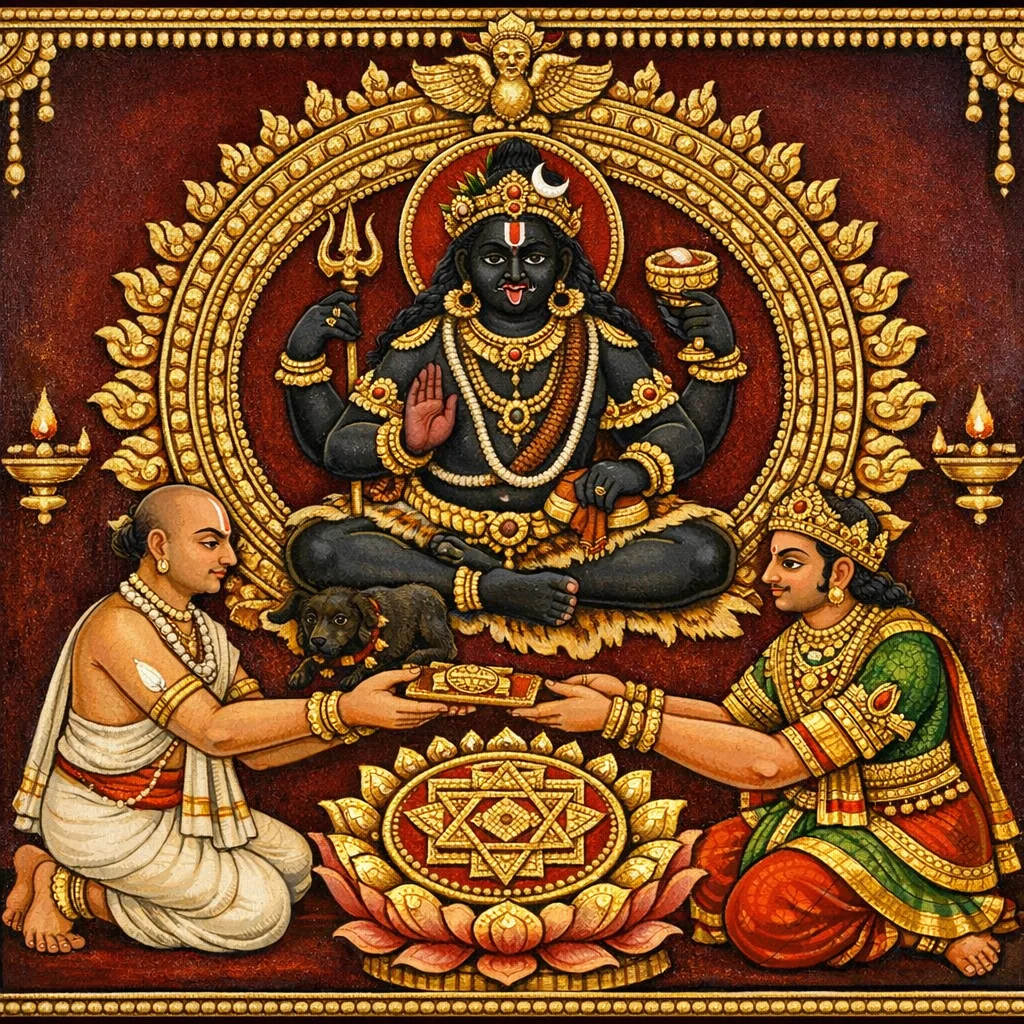
اگنی دیو یُدھجَیَارْنَو کے سلسلے میں جیوتِش کے تشخیصی اصولوں کو میدانِ جنگ کی کامیابی سے جوڑتے ہیں۔ پہلے ‘کشیترادھِپ’ (میدان/لشکر کا سردار) کے متوازن جسمانی اوصاف اور معتدل مزاج بیان کرتے ہیں، پھر سورج، چاند، مریخ، عطارد، مشتری، زہرہ، زحل کی حالتوں سے طبیعت اور بخت کے نتائج واضح کرتے ہیں۔ اس کے بعد دشا کے پھل—دولت، زمین، شاہی خوشحالی وغیرہ—بتا کر نادی-پراواہ (بائیں/دائیں سانس) اور نام کے حروف کی جفت/طاق نسبت سے شگون شناسی، اور اسے تجارت و جنگ کے نتائج جانچنے میں برتنے کی تعلیم دیتے ہیں۔ پھر اگنیہ ودیا میں بھیرَو-مرکوز ہتھیار منتر، نیاس و جپ کے ساتھ دشمن فوج کو شکست و فرار دینے کے عمل، شمشان کے مواد سے لشکر توڑنے کی رسم اور کھینچی ہوئی پُتلی پر نام لکھنے کی ودھی آتی ہے۔ گڑُڑ/تارکشْی چکر فتح، زہر کے ازالے اور بھوت-گرہ آزار کی شانتि کے لیے دھیان اور اکشر-وِنیاس کے ساتھ سکھایا گیا ہے۔ آخر میں پِچّھِکا ودھی (گرہن-جپ)، دور سے روک/بھنگ کے طریقے، پتّوں پر لکھی ماترِکا ودیائیں، بیج-گربھت کنول-پتّی رَکشا یَنتر، مرتیونجَے وِیوہ اور ‘بھیلکھی’ ودیا سے دشمن کی جادوی موت کے حملوں کی روک تھام—اور تلوار کی لڑائی میں ناقابلِ مغلوب ہونے کا عملی دعویٰ—بیان ہوتا ہے۔
Shlokas
No shlokas available for this adhyaya yet.
Frequently Asked Questions
A combined technical stack: (1) Jyotiṣa correlations of graha placements with bodily/psychological traits; (2) daśā-phala enumerations; (3) omen-reading via nāḍī-flow and name-syllable parity; and (4) operational mantra/yantra protocols (nyāsa counts such as 108 japa; ninefold name-inscription; lotus-petal phoneme placements; birch-bark inscription with gorocanā and kuṅkuma).
It frames protection, victory, and harm-aversion as dharmic disciplines: mantra, yantra, visualization, and ritual offerings are treated as revealed means that must be applied with restraint and right orientation, integrating worldly efficacy (bhukti) into a sacral order that supports steadiness, protection of life, and the broader pursuit of Dharma and ultimately mukti.
Bhairava (as the meditational self-form for astramantra practice), Tārkṣya/Garuḍa (as the victory and poison-destroying power), the Mātṛkās with emphasis on Kālarātrī (via caru offerings), and protective forms such as Narasiṁhī, Bhairavī-Śakti, and Gaurī.