Bahvricha
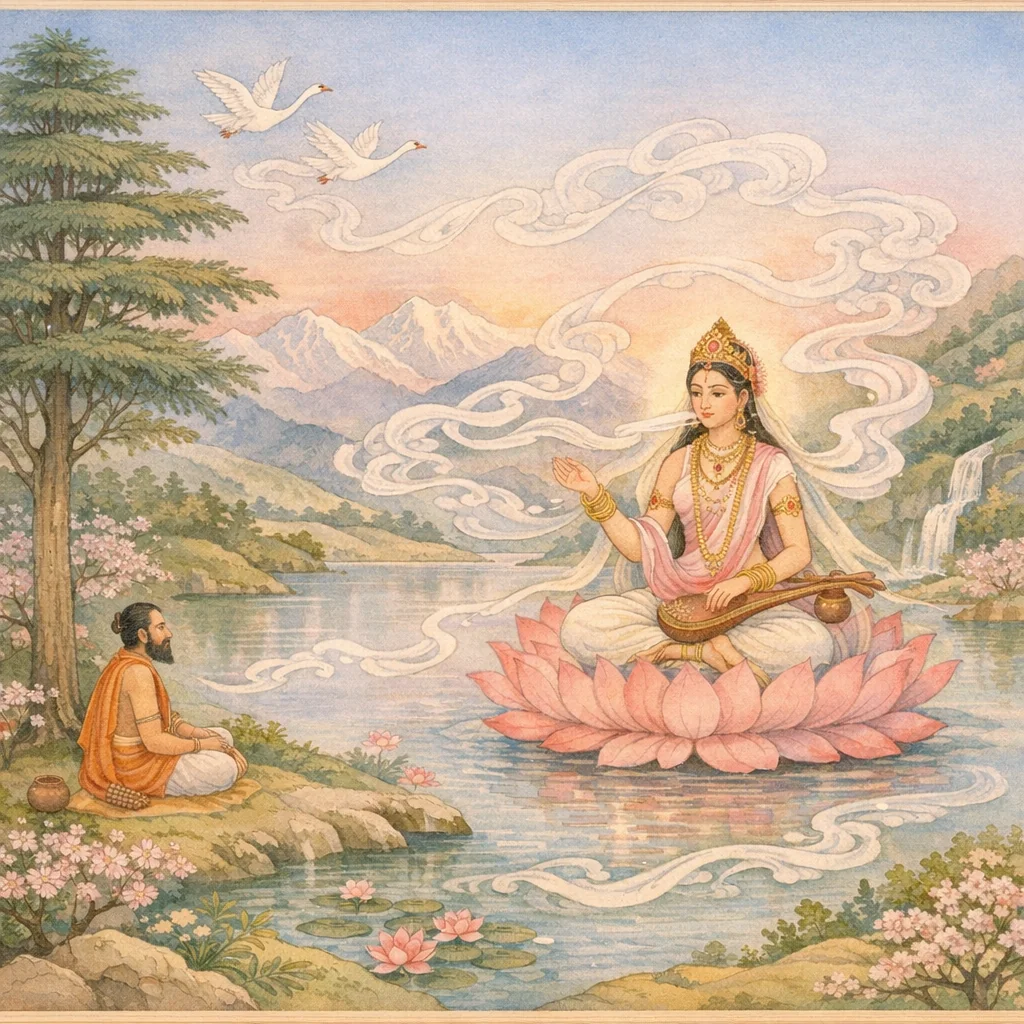
ਬਹ੍ਵ੍ਰਿਚ (ਬਹ੍ਵ੍ਰਿਚਾ) ਉਪਨਿਸ਼ਦ ਰਿਗਵੇਦ ਨਾਲ ਸੰਬੰਧਿਤ ਇੱਕ ਸੰਖੇਪ ਸ਼ਾਕਤ ਉਪਨਿਸ਼ਦ ਹੈ, ਜੋ ਦੇਵੀਸੂਕਤ (ਰਿਗਵੇਦ 10.125) ਦੀ ‘ਅਹੰ’ ਵਾਣੀ ਨੂੰ ਉਪਨਿਸ਼ਦੀ ਬ੍ਰਹਮ-ਤੱਤਵ ਵਜੋਂ ਸੰਖੇਪ ਵਿੱਚ ਸਥਾਪਿਤ ਕਰਦੀ ਹੈ। ਕੁਝ ਹੀ ਮੰਤ੍ਰਾਂ ਵਿੱਚ ਦੇਵੀ ਨੂੰ ਵਾਕ्, ਪ੍ਰਾਣ ਅਤੇ ਦੇਵ-ਸ਼ਕਤੀਆਂ ਦੀ ਅਧਿਸ਼ਠਾਤ੍ਰੀ ਹੀ ਨਹੀਂ, ਸਗੋਂ ਜਗਤ ਦੀ ਪਰਮ ਕਾਰਣ-ਸ਼ਕਤੀ ਵਜੋਂ ਵੀ ਦਰਸਾਇਆ ਜਾਂਦਾ ਹੈ। ਅਗਨੀ, ਇੰਦਰ, ਵਰੁਣ ਆਦਿ ਦੇਵਤਾ ਇੱਕ ਹੀ ਸ਼ਕਤੀ ਦੇ ਕਾਰਜ-ਰੂਪ ਹਨ—ਇਹ ਵੇਦਾਂਤੀ ਦ੍ਰਿਸ਼ਟੀ ਇੱਥੇ ਕੇਂਦਰੀ ਹੈ। ਦਾਰਸ਼ਨਿਕ ਤੌਰ ‘ਤੇ ਬ੍ਰਹਮ-ਸ਼ਕਤੀ ਦਾ ਅਭੇਦ, ਚੇਤਨ-ਸ਼ਕਤੀ ਦੀ ਸਵ-ਪ੍ਰਕਾਸ਼ਤਾ, ਅਤੇ ਦੇਵੀ ਦੀ ਅੰਤਰ-ਵਿਆਪਤੀ ਤੇ ਪਰਾਵਿਆਪਤੀ—ਦੋਵੇਂ—ਉਭਾਰੇ ਜਾਂਦੇ ਹਨ। ‘ਵਾਕ्’ ਨੂੰ ਦੇਵੀ ਦਾ ਸਵਰੂਪ ਮੰਨ ਕੇ ਮੰਤ੍ਰ/ਸ਼੍ਰੁਤੀ ਨੂੰ ਕੇਵਲ ਕਰਮਕਾਂਡ ਨਹੀਂ, ਜ਼ਿਆਦਾ ਕਰਕੇ ਗਿਆਨ-ਸਾਧਨਾ ਦਾ ਮਾਰਗ ਸਮਝਿਆ ਜਾਂਦਾ ਹੈ। ਇਤਿਹਾਸਕ ਪਸਮੰਜ਼ਰ ਵਿੱਚ ਇਹ ਗ੍ਰੰਥ ਸ਼ਾਕਤ ਪਰੰਪਰਾ ਦੀ ਵੈਦਿਕ ਪ੍ਰਮਾਣਿਕਤਾ ਮਜ਼ਬੂਤ ਕਰਦਾ ਹੈ ਅਤੇ ਉਪਨਿਸ਼ਦਾਂ ਦੇ ‘ਇੱਕ ਤੱਤਵ’ ਬੋਧ ਨੂੰ ਦੇਵੀ-ਕੇਂਦਰਿਤ ਭਾਸ਼ਾ ਵਿੱਚ ਪੇਸ਼ ਕਰਦਾ ਹੈ। ‘ਦੇਵੀ ਹੀ ਆਤਮਾ ਹੈ’—ਇਸ ਪਛਾਣ ਨਾਲ ਦ੍ਵੈਤ-ਭ੍ਰਮ ਮਿਟਦਾ ਹੈ ਅਤੇ ਗਿਆਨ ਤੇ ਭਕਤੀ ਇੱਕ ਹੀ ਸੱਚ ਵਿੱਚ ਏਕ ਹੋ ਜਾਂਦੇ ਹਨ।
Key Teachings
• Devī/Śakti is identified with Brahman: the ultimate reality is conscious power
self-luminous and all-pervading.
• The Devī-sūkta paradigm: the Goddess speaks as the source of gods
seers
and cosmic order; Vedic deities are her functions.
• Vāc (sacred speech) as metaphysics: mantra and revelation are expressions of Devī’s own being; speech is a path to knowledge.
• Immanence and transcendence: Devī is both the world’s material-causal ground and the transcendent witness beyond all forms.
• Non-dual recognition: liberation arises from realizing the identity of ātman and Devī/Brahman
dissolving subject–object duality.
• Unity of jñāna and bhakti: contemplative insight and devotional orientation are complementary modes of approaching the same supreme.
• Ritual and inner worship: external Vedic/tantric forms are validated but subordinated to inner realization of Devī as the Self.
Verses of the Bahvricha
Explore the verses of this Upanishad.
No verses available for this Upanishad yet.