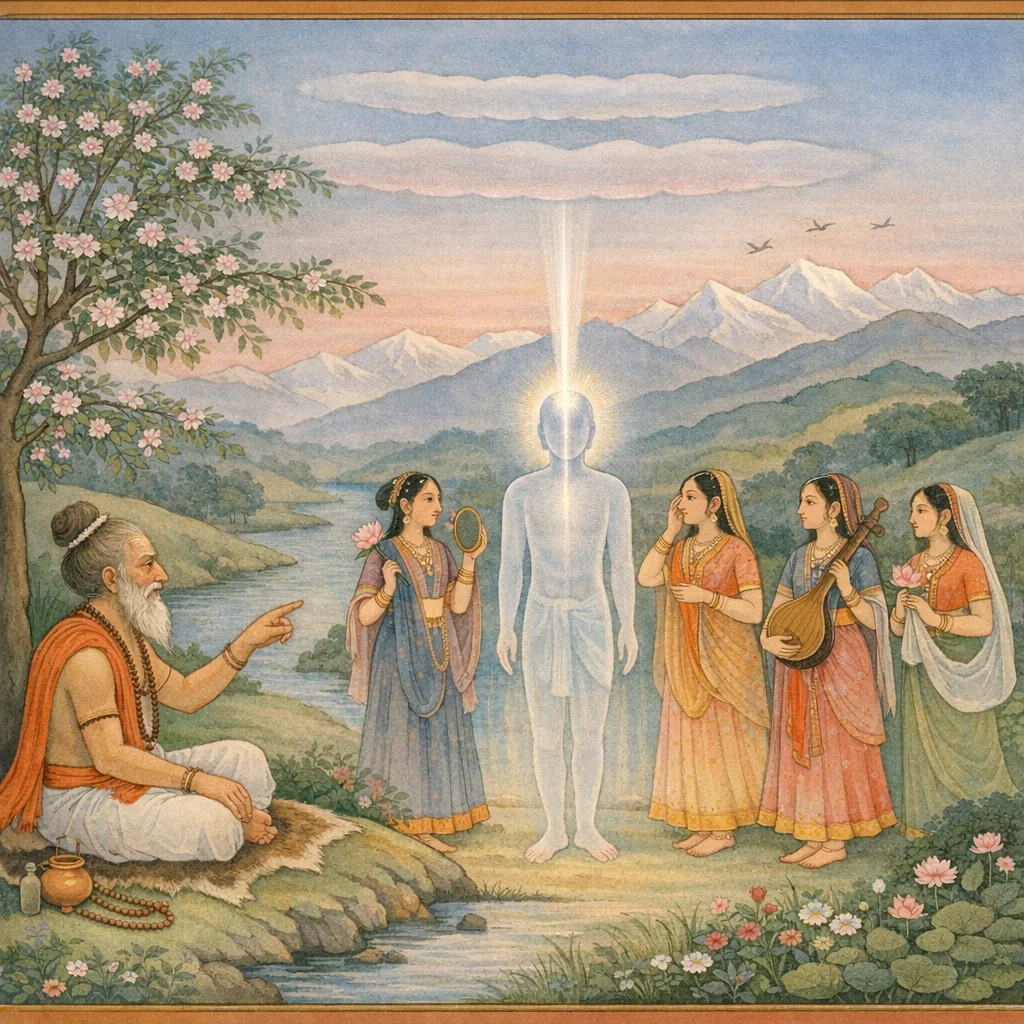
Aitreya
ਐਤਰੇਯ ਉਪਨਿਸ਼ਦ ਰਿਗਵੇਦ ਨਾਲ ਸੰਬੰਧਿਤ ਇੱਕ ਮੁੱਖ ਉਪਨਿਸ਼ਦ ਹੈ ਜੋ ਐਤਰੇਯ ਆਰਣ੍ਯਕ ਵਿੱਚ ਨਿਹਿਤ ਹੈ। ਇਸ ਵਿੱਚ ਸ੍ਰਿਸ਼ਟੀ-ਵਰਨਨ ਸਿਰਫ਼ ਕਥਾ ਨਹੀਂ, ਬਲਕਿ ਆਤਮ-ਤੱਤਵ ਦੀ ਬੋਧਨਾ ਲਈ ਦਰਸ਼ਨਿਕ ਕ੍ਰਮ ਹੈ: ਆਦਿ ਵਿੱਚ ਆਤਮਾ, ਫਿਰ ਲੋਕਾਂ ਅਤੇ ਰੱਖਿਆ-ਸ਼ਕਤੀਆਂ ਦੀ ਉਤਪੱਤੀ, ਅਤੇ ਅੰਤ ਵਿੱਚ ਮਨੁੱਖੀ ਦੇਹ ਵਿੱਚ ਚੇਤਨਾ ਦਾ ਪ੍ਰਵੇਸ਼। ਇਹ ਦਿਖਾਉਂਦੀ ਹੈ ਕਿ ‘ਜਾਣਨਾ’ ਵਾਲੀ ਚੇਤਨਾ ਤੋਂ ਬਿਨਾਂ ਜਗਤ ਅਰਥਵਾਨ ਨਹੀਂ ਹੁੰਦਾ। ਉਪਨਿਸ਼ਦ ਇੰਦ੍ਰੀਆਂ, ਪ੍ਰਾਣ, ਮਨ ਅਤੇ ‘ਪ੍ਰਜ੍ਞਾ’ (ਸਾਕਸ਼ੀ-ਚੇਤਨਾ/ਚੇਤਨ ਬੁੱਧੀ) ਦਾ ਭੇਦ ਸਪਸ਼ਟ ਕਰਦੀ ਹੈ। ਦੇਵਤਿਆਂ ਨੂੰ ਇੰਦ੍ਰੀ-ਸ਼ਕਤੀਆਂ ਵਜੋਂ ਦੇਹ ਵਿੱਚ ਅਧਿਸ਼ਠਿਤ ਕਿਹਾ ਗਿਆ ਹੈ, ਪਰ ਸਭ ਅਨੁਭਵਾਂ ਦਾ ਪ੍ਰਕਾਸ਼ਕ ਆਤਮਾ ਹੈ। “ਪ੍ਰਜ੍ਞਾਨੰ ਬ੍ਰਹ੍ਮ” ਮਹਾਵਾਕ੍ਯ ਅਨੁਸਾਰ ਬ੍ਰਹ੍ਮ ਕੋਈ ਵਸਤੂ ਨਹੀਂ; ਅਨੁਭਵ ਨੂੰ ਪ੍ਰਕਾਸ਼ਿਤ ਕਰਨ ਵਾਲੀ ਚੇਤਨਾ ਹੀ ਬ੍ਰਹ੍ਮ ਹੈ। ਮੋਖਸ਼ ਦਾ ਮਾਰਗ ਇੱਥੇ ਵਿਦਿਆ/ਗਿਆਨ ਹੈ—ਆਤਮਾ-ਬ੍ਰਹ੍ਮ ਏਕਤਾ ਦੀ ਪ੍ਰਤੀਤੀ। ਇਸ ਗਿਆਨ ਨਾਲ ਅਗਿਆਨ ਦੂਰ ਹੁੰਦਾ ਹੈ ਅਤੇ ਮਰਣ-ਸੀਮਿਤਤਾ ਦਾ ਅਤੀਕ੍ਰਮ ਹੁੰਦਾ ਹੈ।
Start ReadingKey Teachings
- Ātman as the primordial reality: the One prior to creation and differentiation
- Creation as pedagogical cosmology: emanation of worlds
guardians
and the human being to culminate in self-knowledge
- Entry of consciousness into embodiment: the devas as powers residing in sense-organs and vital functions
- Distinction between prāṇa (life-force)
indriyas (organs)
manas (mind)
and prajñā (conscious intelligence)
- Mahāvākya: “prajñānam brahma” — Consciousness itself is Brahman
the ground of all knowing
- Personhood as a microcosm: the human being as the meeting-point of cosmic functions and the witnessing Self
- Mokṣa through vidyā: liberation as the removal of ignorance
not a ritual or merely post-mortem attainment
- Non-objectifiability of Brahman: Brahman is the illuminator of experience
not an object within experience
Verses of the Aitreya
14 verses with Sanskrit text, transliteration, and translation.
Verse 1
ॐ कोऽयमात्मेति वयमुपास्महे। कतरः स आत्मा। येन वा पश्यति येन वा शृणोति येन वा गन्धानाजिघ्रति येन वा वाचं व्याकरोति येन वा स्वादु चास्वादु च विजानाति॥१॥
ਓਂ। ‘ਇਹ ਆਤਮਾ ਕੌਣ ਹੈ?’—ਇਸ ਤਰ੍ਹਾਂ ਅਸੀਂ ਉਪਾਸਨਾ ਨਾਲ ਜਾਣਨਾ ਚਾਹੁੰਦੇ ਹਾਂ। ਆਤਮਾ ਕਿਹੜਾ ਹੈ? ਜਿਸ ਨਾਲ ਮਨੁੱਖ ਵੇਖਦਾ ਹੈ, ਜਿਸ ਨਾਲ ਸੁਣਦਾ ਹੈ, ਜਿਸ ਨਾਲ ਸੁਗੰਧਾਂ ਨੂੰ ਸੂੰਘਦਾ ਹੈ, ਜਿਸ ਨਾਲ ਬਾਣੀ ਨੂੰ ਪ੍ਰਗਟ ਕਰਦਾ ਹੈ, ਅਤੇ ਜਿਸ ਨਾਲ ਮਿੱਠੇ ਤੇ ਅਮਿੱਠੇ ਦਾ ਭੇਦ ਜਾਣਦਾ ਹੈ—ਉਹੀ ਆਤਮਾ ਹੈ॥੧॥
Ātma-vicāra (inquiry into the Self) and the principle of consciousness behind the sensesVerse 2
यदेतद्धृदयं मनश्चैतत् । संज्ञानमाज्ञानं विज्ञानं प्रज्ञानं मेधा दृष्टिर्धृतिमतिर्मनीषा जूतिः स्मृतिः संकल्पः क्रतुरसुः कामो वश इति । सर्वाण्येवैतानि प्रज्ञानस्य नामधेयानि भवन्ति ॥२॥
ਜੋ ਇਹ ਹਿਰਦਾ ਹੈ ਅਤੇ ਜੋ ਇਹ ਮਨ ਹੈ—ਉਹੀ ਚੇਤਨਾ ਹੈ: ਸੰਜ੍ਞਾਨ, ਆਜ੍ਞਾਨ, ਵਿਜ੍ਞਾਨ, ਪ੍ਰਜ੍ਞਾਨ; ਮੇਧਾ, ਦ੍ਰਿਸ਼ਟੀ, ਧ੍ਰਿਤੀ, ਮਤੀ, ਮਨੀਸ਼ਾ; ਜੂਤੀ, ਸਿਮ੍ਰਿਤੀ, ਸੰਕਲਪ, ਕ੍ਰਤੁ, ਅਸੁ, ਕਾਮ ਅਤੇ ਵਸ਼—ਇਹ ਸਭ ਪ੍ਰਜ੍ਞਾਨ ਦੇ ਹੀ ਨਾਮ ਹਨ॥੨॥
Prajñāna (Consciousness) as the essence of mind/heart; Atman-Brahman as consciousnessVerse 3
एष ब्रह्मैष इन्द्र एष प्रजापतिरेते सर्वे देवा इमानि च पञ्चमहाभूतानि पृथिवी वायुराकाश आपो ज्योतींषीत्येतानि । इमानि च क्षुद्रमिश्राणीव । बीजान्यितराणि चेतराणि चाण्डजानि च जारुजानि च स्वेदजानि चोद्भिज्ज...
ਇਹੀ ਬ੍ਰਹਮ ਹੈ, ਇਹੀ ਇੰਦ੍ਰ ਹੈ, ਇਹੀ ਪ੍ਰਜਾਪਤੀ ਹੈ; ਇਹੀ ਸਾਰੇ ਦੇਵ ਹਨ; ਅਤੇ ਇਹੀ ਪੰਜ ਮਹਾਭੂਤ—ਪ੍ਰਿਥਵੀ, ਵਾਯੂ, ਆਕਾਸ਼, ਜਲ ਅਤੇ ਜੋਤੀਆਂ—ਇਹੀ ਹਨ। ਅਤੇ ਇਹ ਜਿਵੇਂ ਛੋਟੇ ਮਿਲੇ-ਝੁਲੇ ਰੂਪ: ਬੀਜ ਅਤੇ ਉਨ੍ਹਾਂ ਦੇ ਭੇਦ; ਅੰਡਜ, ਜਰਾਯੁਜ, ਸਵੇਦਜ ਅਤੇ ਉਦਭਿਜ੍ਜ; ਘੋੜੇ, ਗਾਂਵਾਂ, ਮਨੁੱਖ, ਹਾਥੀ—ਜੋ ਕੁਝ ਵੀ ਪ੍ਰਾਣੀ ਹੈ, ਚਲਣ ਵਾਲਾ ਤੇ ਉੱਡਣ ਵਾਲਾ, ਅਤੇ ਜੋ ਸਥਾਵਰ ਹੈ—ਸਭ ਦਾ ਨੇਤਰ ਪ੍ਰਜ੍ਞਾਨ ਹੈ, ਸਭ ਪ੍ਰਜ੍ਞਾਨ ਵਿੱਚ ਪ੍ਰਤਿਸ਼ਠਿਤ ਹੈ। ਲੋਕ ਦਾ ਨੇਤਰ ਪ੍ਰਜ੍ਞਾਨ; ਪ੍ਰਜ੍ਞਾ ਆਧਾਰ; ਪ੍ਰਜ੍ਞਾਨ ਹੀ ਬ੍ਰਹਮ ਹੈ॥੩॥
Identity of Brahman with Prajñāna; consciousness as the ground of gods, elements, and all beingsVerse 4
स एतेन प्राज्ञेनात्मनाऽस्माल्लोकादुत्क्रम्यामुष्मिन्स्वर्गे लोके सर्वान् कामानाप्त्वाऽमृतः समभवत् समभवत् ॥४॥
ਉਹ ਇਸ ਪ੍ਰਾਜ੍ਞ ਆਤਮਾ ਨਾਲ ਇਸ ਲੋਕ ਤੋਂ ਉਤਕ੍ਰਮਣ ਕਰਕੇ, ਉਸ ਸਵਰਗ ਲੋਕ ਵਿੱਚ ਸਭ ਇੱਛਾਵਾਂ ਪ੍ਰਾਪਤ ਕਰ, ਅਮਰ ਹੋ ਗਿਆ—ਨਿਸ਼ਚੇ ਹੀ ਅਮਰ ਹੋ ਗਿਆ॥੪॥
Mokṣa/Amṛtatva through realization of the prājña ātman (conscious Self)Verse 5
तदुक्तमृषिणा— गर्भे नु सन्नन्वेषामवेदमहं देवानां जनिमानि विश्वा। शतं मा पुर आयसीररक्षन्नधः श्येनो जवसा निरदीयम् इति। गर्भ एवैतच्छयानो वामदेव एवमुवाच॥५॥
ਰਿਸ਼ੀ ਨੇ ਆਖਿਆ— ‘ਗਰਭ ਵਿੱਚ ਹੀ ਹੋਂਦਿਆਂ ਮੈਂ ਦੇਵਤਿਆਂ ਦੇ ਸਭ ਜਨਮ ਜਾਣ ਲਏ। ਲੋਹੇ ਦੇ ਸੌ ਕਿਲ੍ਹਿਆਂ ਨੇ ਮੇਰੀ ਰੱਖਿਆ ਕੀਤੀ; ਫਿਰ ਮੈਂ ਬਾਜ਼ ਵਾਂਗ ਤੇਜ਼ੀ ਨਾਲ ਹੇਠਾਂ ਵੱਲ ਚੀਰ ਕੇ (ਬਾਹਰ) ਨਿਕਲ ਆਇਆ।’ ਗਰਭ ਵਿੱਚ ਹੀ ਲੇਟੇ ਵਾਮਦੇਵ ਨੇ ਇਹ ਕਿਹਾ॥੫॥
Jñāna as prior to bodily birth; ṛṣi’s realization; continuity of consciousness beyond embodimentVerse 6
स एवं विद्वानस्माच्छरीरभेदादूर्ध्व उत्क्रम्यामुष्मिन् स्वर्गे लोके सर्वान् कामानाप्त्वाऽमृतः समभवत् समभवत्॥६॥
ਜੋ ਇਸ ਤਰ੍ਹਾਂ ਜਾਣਦਾ ਹੈ, ਉਹ ਇਸ ਸਰੀਰ ਦੇ ਵਿਛੋੜੇ ਤੋਂ ਬਾਅਦ ਉੱਪਰ ਚੜ੍ਹ ਕੇ, ਉਸ ਸਵਰਗ ਲੋਕ ਵਿੱਚ ਸਭ ਕਾਮਨਾਵਾਂ ਪ੍ਰਾਪਤ ਕਰਕੇ ਅਮ੍ਰਿਤ—ਅਮਰ—ਹੋ ਜਾਂਦਾ ਹੈ; ਨਿਸ਼ਚੇ ਹੀ ਅਮਰ ਹੋ ਜਾਂਦਾ ਹੈ॥੬॥
Vidyā leading to amṛtatva (deathlessness); post-mortem ascent; liberation framed as immortalityVerse 7
तत्त्वचाऽजिघृक्षत् तन्नाशक्नोत्त्वचा ग्रहीतुं स यद्धैनत्त्वचाऽग्रहैष्यत् स्पृष्ट्वा हैवान्नमत्रप्स्यत् ॥७॥
Verse 8
तन्मनसाऽजिघृक्षत् तन्नाशक्नोन्मनसा ग्रहीतुं स यद्धैनन्मनसाऽग्रहैष्यद्ध्यात्वा हैवान्नमत्रप्स्यत् ॥८॥
Verse 9
तच्छिश्नेनाजिघृक्षत् तन्नाशक्नोच्छिश्नेन ग्रहीतुं स यद्धैनच्छिश्नेनाग्रहैष्यद्वित्सृज्य हैवानमत्रप्स्यत् ॥९॥
Verse 10
तदपानेनाजिघृक्षत्। तदावयत्। सैषोऽन्नस्य ग्रहो यद्वायुरनायुर्वा एष यद्वायुः॥१०॥
The indwelling Self sought to take in nourishment through apāna; apāna drew it within. Thus the life-wind becomes the power by which food is received—without prāṇa-vāyu, the body’s ‘air’ is as though no air at all.
Prāṇa (vāyu) as an instrument of the Ātman; embodiment and vital functionsVerse 11
स ईक्षत—कथं न्विदं मदृते स्यादिति। स ईक्षत—कतरेण प्रपद्यै इति। स ईक्षत—यदि वाचा अभिव्याहृतं, यदि प्राणेनाभिप्राणितं, यदि चक्षुषा दृष्टं, यदि श्रोत्रेण श्रुतं, यदि त्वचा स्पृष्टं, यदि मनसा ध्यातं, यद्य...
The Self considered: ‘Nothing here can be without Me.’ Then it sought the means of entry. Seeing that each function is carried out by its own instrument—speech by speech, breath by prāṇa, sight by the eye, thought by mind—it asked: ‘If all these act, what is My true identity as the inner ruler?’
Ātman as the inner witness and controller distinct from the senses and prāṇas (viveka)Verse 12
स एतमेव सीमानं विदर्यैतया द्वारा प्रापद्यत। सैषा विदृतिर्नाम द्वाः। तदेतन्नाऽन्दनम्। तस्य त्रय आवसथास्त्रयः स्वप्नाः—अयमावसथोऽयमावसथोऽयमावसथ इति॥१२॥
The Self broke through the final limit and entered through a subtle doorway—the ‘cleft.’ This is spoken of as the seat of delight. For the embodied Self there are three dwelling-states, three dream-like modes of experience—three stations of consciousness.
Entry of consciousness into embodiment; three states (avasthā-traya) and the locus of experienceVerse 13
स जातो भूतान्यभिव्यैख्यत्—किमिहान्यं वावदिषदिति। स एतमेव पुरुषं ब्रह्म ततममपश्यत्। इदमदर्शनमिति॥१३॥
On awakening into manifestation, the Self looked upon all creatures and knew: “There is nothing other than That to be spoken of.” He beheld the one all-pervading Person as Brahman and recognized: “This alone is true vision.”
Brahman as the all-pervading Puruṣa; non-dual vision (ātma-brahma-aikya)Verse 14
तस्मादिदन्द्रो नामेदन्द्रो ह वै नाम। तमिदन्द्रं सन्तमिन्द्र इत्याचक्षते परोक्षेण। परोक्षप्रिया इव हि देवाः, परोक्षप्रिया इव हि देवाः॥१४॥
Hence he is truly ‘Idandra’—“the one who has seen/known this.” Yet he is spoken of as ‘Indra’ by a veiled name, for the divine is loved in the hidden and the subtle, not in the bluntly stated.
Parokṣa (indirect/veiled expression) and the esoteric style of Vedic revelation; Indra as a name-form pointing to realized consciousness