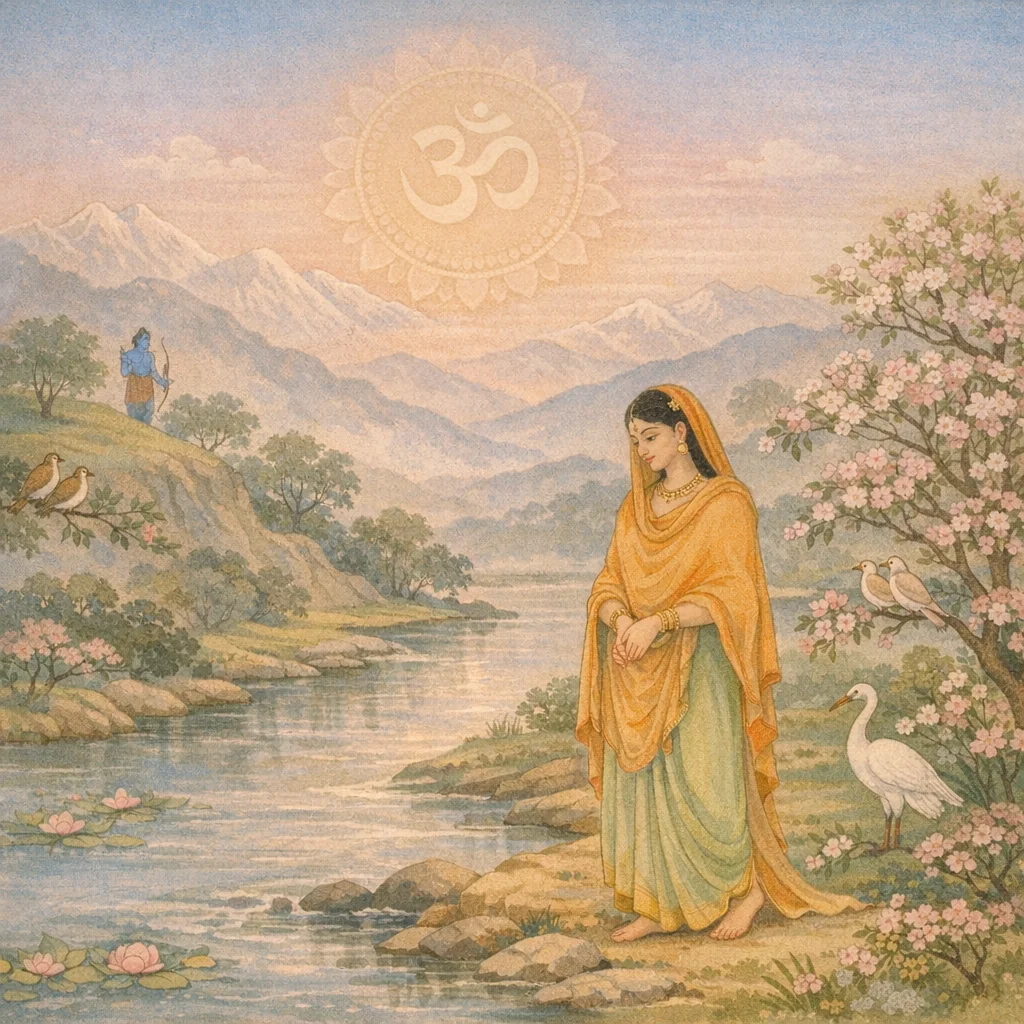
Sita
ସୀତା ଉପନିଷଦ (ଅଥର୍ବବେଦ-ସଂପୃକ୍ତ, ଶାକ୍ତ ଉପନିଷଦ ପରମ୍ପରାରେ) ରାମାୟଣର ସୀତାଙ୍କୁ କେବଳ ଆଦର୍ଶ ପତିବ୍ରତା ଭାବେ ନୁହେଁ, ପରାଶକ୍ତି ଓ ବ୍ରହ୍ମସ୍ୱରୂପା ଭାବେ ପ୍ରତିପାଦନ କରେ। ସ୍ତୁତିମୟ ଭାଷାରେ ଆତ୍ମା, ବ୍ରହ୍ମ ଓ ମୋକ୍ଷ ସମ୍ବନ୍ଧୀୟ ବେଦାନ୍ତ ଚିନ୍ତା ଦେବୀ-କେନ୍ଦ୍ରିତ ଭାବେ ଉପସ୍ଥାପିତ। ଇତିହାସିକ ପରିପ୍ରେକ୍ଷିତରେ ପୁରାଣ/ଇତିହାସ ଦେବତାମାନଙ୍କୁ ଉପନିଷଦୀୟ-ବେଦାନ୍ତ ଦୃଷ୍ଟିରେ ପୁନର୍ବ୍ୟାଖ୍ୟା କରିବା ପ୍ରବୃତ୍ତି ଏଠାରେ ଦେଖାଯାଏ। ଶାକ୍ତ–ବୈଷ୍ଣବ ସମନ୍ୱୟ ମୁଖ୍ୟ: ସୀତା ରାମଙ୍କ ସହ ଅବିଭାଜ୍ୟ, ତଥାପି ସୃଷ୍ଟି-ସ୍ଥିତି-ଲୟ ଶକ୍ତି ମଧ୍ୟ ସେଇ। ତତ୍ତ୍ୱତଃ ସୀତାକୁ ସର୍ବବ୍ୟାପୀ ସାକ୍ଷୀ-ଚେତନା, ଅନ୍ତରାତ୍ମା ଓ ବ୍ରହ୍ମଶକ୍ତି ଭାବେ ଜଣାଯାଏ। ସୀତା-ବ୍ରହ୍ମ ଜ୍ଞାନ ଭୟ, ଶୋକ ଓ ବନ୍ଧନ ନାଶ କରେ; ଭକ୍ତି (ସ୍ମରଣ, ସ୍ତୁତି) ଜ୍ଞାନରେ ପରିଣତ ହୋଇ ମୋକ୍ଷର ସାଧନ ହୁଏ। ଏହିପରି ସୀତା ଉପନିଷଦ ନାରୀ-ଦେବତ୍ୱକୁ ଉପନିଷଦୀୟ ପ୍ରତିଷ୍ଠା ଦେଇ ଭକ୍ତି-ଜ୍ଞାନ ଏକତା ମାଧ୍ୟମରେ ଅଦ୍ୱୈତ ଅନୁଭୂତିକୁ ନେଇଯାଏ।
Key Teachings
- Sītā as Devī: identification of Sītā with the supreme Goddess (Īśvarī/Śakti) and with Brahman
- Śākta–Vaiṣṇava synthesis: Sītā’s inseparability from Rāma
yet her status as the cosmic power underlying all forms
- Ātman–Brahman recognition: the inner self is not other than the Goddess; liberation arises from direct knowledge (jñāna)
- Śakti as cosmological principle: creation
maintenance
and dissolution occur through the Goddess’s power
- Bhakti as contemplative discipline: devotion
praise
and remembrance mature into non-dual realization
- Immanence and transcendence: the Goddess pervades the world while remaining beyond limiting attributes
- Mokṣa as freedom from fear and sorrow: knowledge of Sītā-Brahman removes bondage and grants abiding peace
Verses of the Sita
Explore the verses of this Upanishad.
No verses available for this Upanishad yet.