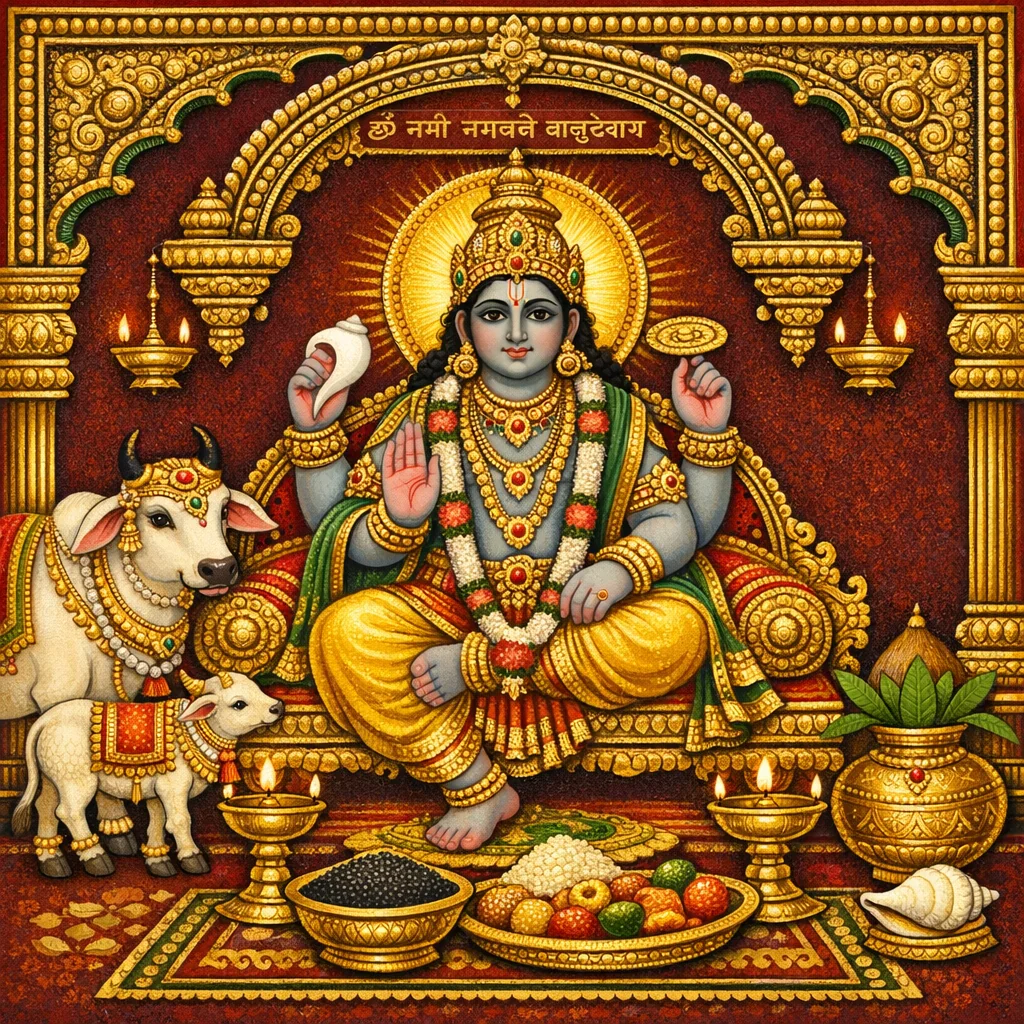
Adhyaya 188
Chapter 188: द्वादशीव्रतानि (The Dvādaśī-vows)
ଭଗବାନ ଅଗ୍ନି ଦ୍ୱାଦଶୀ-ବ୍ରତମାନଙ୍କର ସୁସଂଗଠିତ ତାଲିକା ଆରମ୍ଭ କରି, ସେଗୁଡ଼ିକ ଭୁକ୍ତି ଓ ମୁକ୍ତି—ଉଭୟର ସାଧନ ବୋଲି ସ୍ପଷ୍ଟ କରନ୍ତି। ଏକଭୁକ୍ତ (ଏକବାର ଭୋଜନ), ଭକ୍ତି ଏବଂ ଅୟାଚିତ (ନ ମାଗି ପାଇଥିବା) ଅନ୍ନ ଗ୍ରହଣ ସହ ବ୍ରତ କରିବାକୁ କୁହାଯାଇଛି। ଚୈତ୍ର ଶୁକ୍ଳ ଦ୍ୱାଦଶୀରେ କାମଦମନକାରୀ ହରିଙ୍କ ‘ମଦନ-ଦ୍ୱାଦଶୀ’ ପୂଜା, ମାଘ ଶୁକ୍ଳ ଦ୍ୱାଦଶୀରେ ‘ଭୀମ-ଦ୍ୱାଦଶିକା’, ଫାଲ୍ଗୁନ ଶୁକ୍ଳ ଦ୍ୱାଦଶୀରେ ‘ଗୋବିନ୍ଦ-ଦ୍ୱାଦଶୀ’ ଆଦି ଉଲ୍ଲେଖିତ। ଆଶ୍ୱୟୁଜରେ ‘ବିଶୋକ-ଦ୍ୱାଦଶୀ’ ଏବଂ ଭାଦ୍ରପଦରେ ‘ଗୋବତ୍ସ-ଦ୍ୱାଦଶୀ’ରେ ଗାଈ-ବଛଡ଼ା ପୂଜା ଦ୍ୱାରା ପ୍ରାୟଶ୍ଚିତ୍ତ ଓ ପୁଣ୍ୟବୃଦ୍ଧି ଉପରେ ଜୋର ଦିଆଯାଇଛି। ‘ତିଳ-ଦ୍ୱାଦଶୀ’ର ନିଖୁଟ କାଳଲକ୍ଷଣ—କୃଷ୍ଣପକ୍ଷ ଦ୍ୱାଦଶୀ, ମଧ୍ୟାହ୍ନ ପରେ, ଶ୍ରବଣ ନକ୍ଷତ୍ର ସଂଯୁକ୍ତ—ବୋଲି ଦେଇ, ତିଳସ୍ନାନ, ତିଳହୋମ, ତିଳନୈବେଦ୍ୟ, ତିଳତେଲ ଦୀପ, ତିଳୋଦକ, ତିଳଦାନ ଇତ୍ୟାଦି ବିଧାନ କରାଯାଇଛି; ଶେଷରେ “ଓଁ ନମୋ ଭଗବତେ ବାସୁଦେବାୟ” ମନ୍ତ୍ରରେ ବାସୁଦେବ ପୂଜା। ପରେ ଷଟ୍-ତିଳ ଦ୍ୱାଦଶୀ (ସ୍ୱର୍ଗଫଳ), ନାମଦ୍ୱାଦଶୀ (କେଶବାଦି ନାମକ୍ରମରେ ବର୍ଷପୂଜା), ସୁମତି-ଅନନ୍ତ ଦ୍ୱାଦଶୀ, କୃଷ୍ଣଜୟ-ନମସ୍କାର ସହ ସୁଗତି ଦ୍ୱାଦଶୀ ଉଲ୍ଲେଖ ଅଛି। ଶେଷରେ ପୌଷ ଶୁକ୍ଳ ଦ୍ୱାଦଶୀରେ ସମ୍ପ୍ରାପ୍ତି-ସମ୍ବନ୍ଧୀୟ ବ୍ରତକାଳ କହି, ମୋକ୍ଷମୁଖୀ ଧର୍ମକୁ ଆଚାର-ବିଜ୍ଞାନ ଭାବେ ପ୍ରତିଷ୍ଠା କରେ।
Shlokas
No shlokas available for this adhyaya yet.
Frequently Asked Questions
It is the Kṛṣṇa-pakṣa Dvādaśī that occurs after midday (madhyāhna-samatītā) and is conjoined with the Śravaṇa nakṣatra; this conjunction is explicitly named Tiladvādaśī.
Sesame-based observances: bathing with sesame, sesame homa, sesame sweet offerings (tilamodaka) as naivedya, lighting a lamp with sesame oil, offering/gifting sesame-water, and donating sesame to Brahmins, followed by Vāsudeva worship with “Oṃ namo bhagavate vāsudevāya.”
Govatsa-dvādaśī; it is performed in the month of Bhādrapada, where the votary worships a cow along with her calf as part of the vow’s expiatory and merit-generating framework.
Nāmadvādaśī is a year-long worship of Hari using the divine names beginning with Keśava; the text states the performer becomes heaven-destined and does not become hell-bound.