Adhyaya 197
Chapter 197 — दिवसव्रतानि (Day-based Vows): Dhenu-vrata, Payo-vrata, Trirātra-vrata, Kārttika-vrata, and Kṛcchra Observances
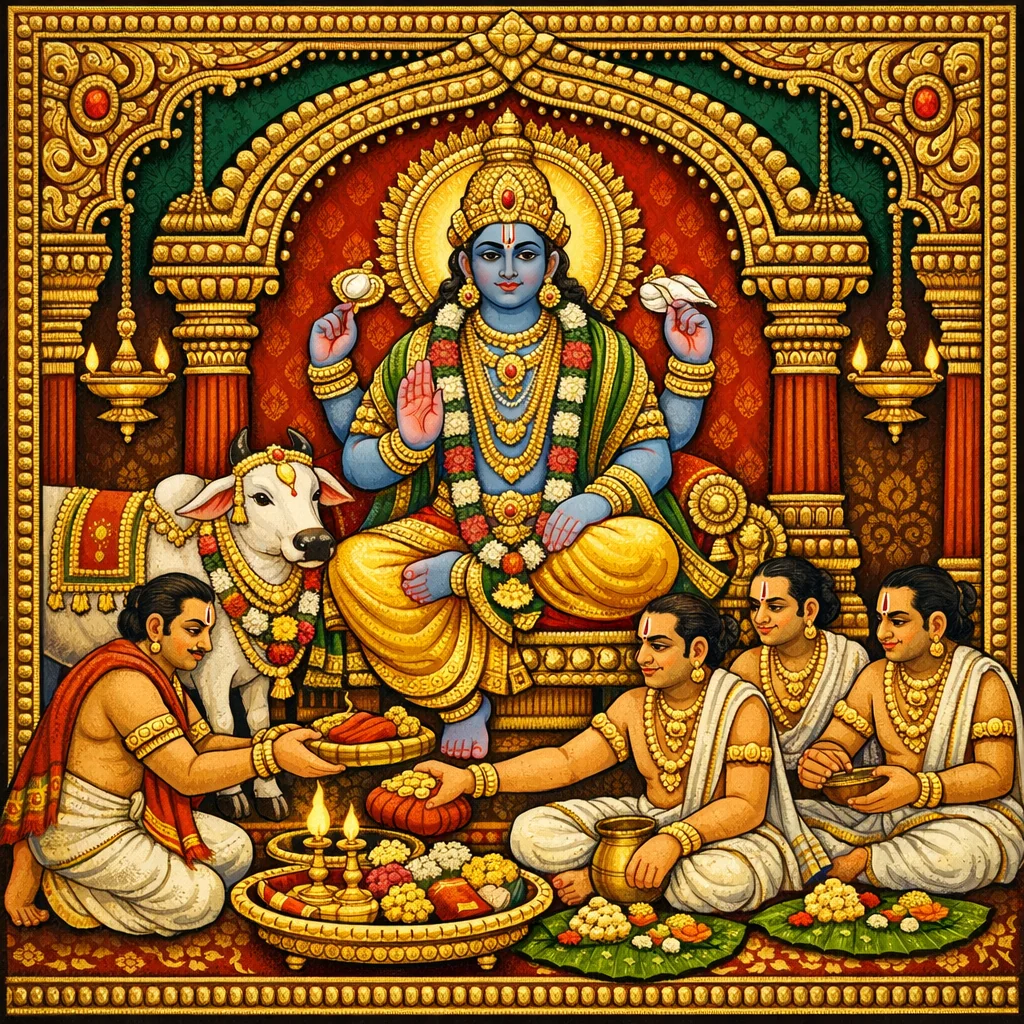
အဂ္နိသည် နေ့အလိုက် ဝရတများ (divasa-vratāni) ကို သင်ကြားသည့် အခန်းသစ်ကို စတင်ကာ Dhenu-vrata (နွားနှင့်ဆိုင်သော လှူဒါန်းဝရတ) နှင့် အလှူပူဇော်ပုံစံကို အရင်ဖော်ပြသည်။ ထို့နောက် payo-vrata (နို့ဝရတ) ကို တိတိကျကျ စည်းကမ်းထားသော တပဿာအဖြစ် ရှင်းလင်းပြီး တစ်နေ့တည်းကျင့်လျှင် “အမြင့်ဆုံး စည်းစိမ်” ရကြောင်း၊ ကြာရှည်ကျင့်လျှင် ရွှေဖြင့် ပြုလုပ်သည့် သင်္ကေတအလှူများ (ဆန္ဒပြည့်သစ်ပင်ပုံ၊ pala အလေးချိန်ဖြင့် တိုင်းတာသော “ရွှေမြေ”) နှင့် တွဲဖက်ကြောင်း ဆိုသည်။ ထို့နောက် trirātra-vrata (သုံးညဝရတ) ကို လစဉ် သို့မဟုတ် လဝက်တစ်ကြိမ် ထပ်ခါတလဲလဲ ကျင့်ရန်၊ eka-bhakta (တစ်နေ့တစ်ကြိမ်သာ စား) စည်းကမ်းနှင့် Janārdana/Viṣṇu ကို အဓိက ဘက္တိဖြင့် ရည်ညွှန်းကာ စည်းစိမ်မှစ၍ Hari ၏ နေရာသို့ တက်ရောက်ခြင်း၊ မျိုးရိုးကိုပါ မြှင့်တင်ခြင်းအထိ အကျိုးရလဒ်များကို ကတိပြုသည်။ မာဂရှီရ္ရှ လင်းလက်ဝက် (Mārgaśīrṣa śukla pakṣa)၊ Aṣṭamī/Dvādaśī စသည့် ပြက္ခဒိန်အမှတ်အသားများနှင့် ချိတ်ဆက်ပြီး “Oṃ namo Vāsudevāya” မန္တရားဇပ်၊ ဗြာဟ္မဏများကို ကျွေးမွေးခြင်း၊ အဝတ်အစား၊ အိပ်ရာ၊ ထိုင်ခုံ၊ ထီး၊ ယဇ္ဉသုတ်၊ အိုးခွက် စသည့် အလှူများနှင့် ပူဇော်မှုချို့ယွင်းမှုအတွက် ခွင့်လွှတ်တောင်းပန်ခြင်း ပါဝင်သည်။ ထို့နောက် Kārttika-vrata ကို “bhukti-mukti-prada” ဟုဆိုကာ လောကီစည်းစိမ်နှင့် မုက္ခကို ပေးတတ်ကြောင်း ဖော်ပြပြီး နောက်ဆုံးတွင် Māhendra, Bhāskara, Śāntapana ဟူသော kṛcchra တပဿာများကို နို့/နို့ချဉ်/အစာရှောင် အစဉ်လိုက်နှင့် တိထိ-နေ့ကန့်သတ်ချက်များဖြင့် သတ်မှတ်ကာ တပဿာကို ရလဒ်ဦးတည်သည့် ဓမ္မဗေဒအဖြစ် တင်ပြသည်။
Shlokas
No shlokas available for this adhyaya yet.
Frequently Asked Questions
It is a three-night observance tied to specific lunar dates, featuring regulated intake (often eka-bhakta), Viṣṇu/Janārdana-focused worship, mantra-japa (“Oṃ namo Vāsudevāya”), brāhmaṇa-feeding, and concluding dāna with a formal request to rectify any deficiency in performance.
The chapter assigns concrete worldly outcomes (wealth, prosperity, divine conveyance) to disciplined observances while also promising ultimate ends (attaining Viṣṇu’s abode or Brahman-state), showing ritual, charity, and austerity as a unified ladder from social well-being to liberation.