Adhyaya 179
Caturthī-vratāni (Vows of the Fourth Lunar Day)
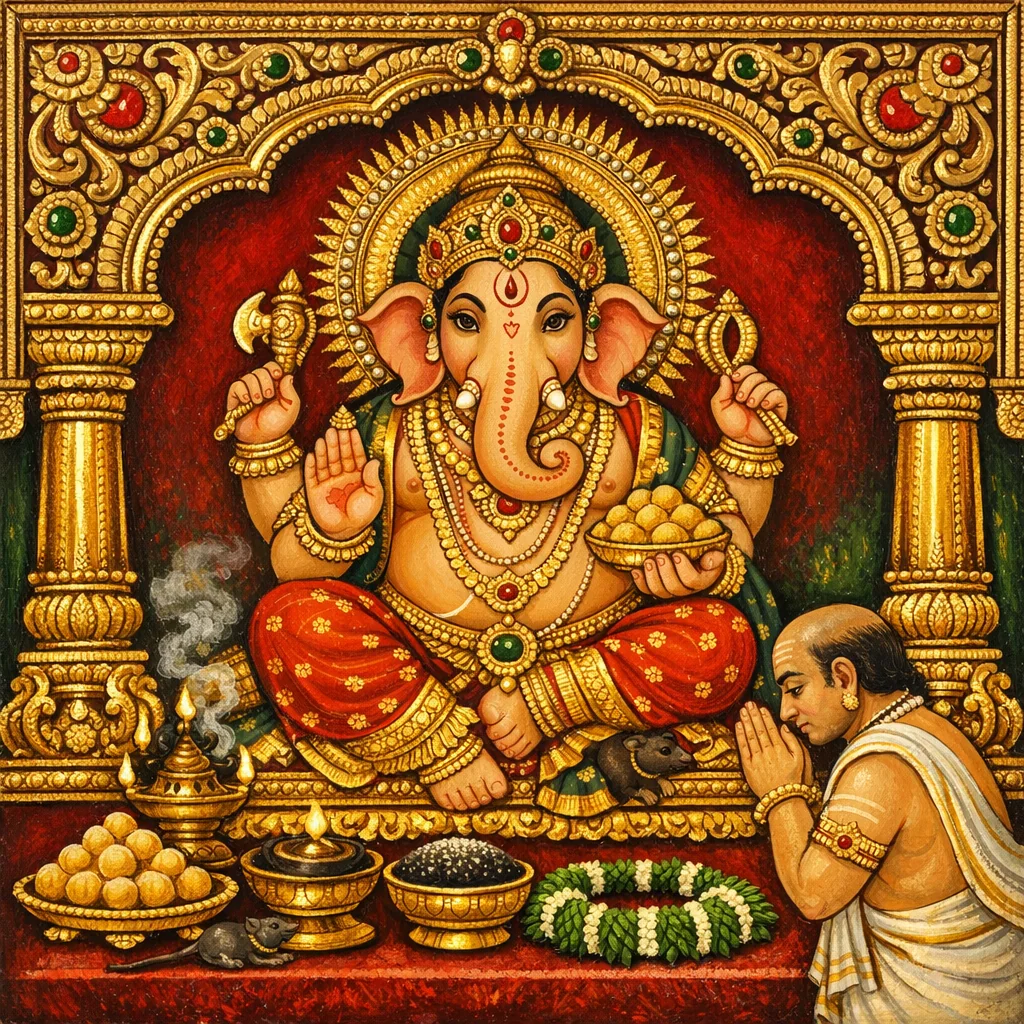
အဂ္နိဘုရားသည် စတုတ္ထီ (Caturthī) အခြေပြု ဝရတများကို စနစ်တကျ ဖော်ပြကာ၊ ၎င်းတို့သည် ဘုက္တိ (လောကီအကျိုး) နှင့် မုက္တိ (လွတ်မြောက်ခြင်း) ဟူသော အကျိုးနှစ်မျိုးပေးသည့် သာသနာရေးစည်းကမ်းများဟု ထင်ရှားစွာဆိုသည်။ အစတွင် စာမူ/ပြန်လည်ရေးသားမှုကွဲပြားမှုအကြောင်း အကျဉ်းချုပ်မှတ်ချက်တစ်ရပ် ထည့်သွင်းပြီး၊ ထို့နောက် လနှင့် တိထီအလိုက် အမိန့်ညွှန်ကြားချက်များကို ပေးသည်။ Māgha လ၏ śukla-caturthī တွင် အစာရှောင်၍ ပူဇော်ရန်နှင့် ‘Guṇa’ (ဂုဏ်သတ္တိ/အထူးကောင်းမြတ်မှု) ကို ပူဇော်ရေးအာရုံအဖြစ်ထားရန် ဆိုသည်။ ထိုအကျင့်ကို pañcamī ထိ ဆက်လက်ပြုလုပ်ကာ လုံးဝတစ်နှစ်တာ အတားအဆီးကင်းသော ကောင်းကျိုးအတွက် နှမ်း-ဆန် ပူဇော်ခြင်းကို သတ်မှတ်ပြီး၊ မူလမန္တရ “gaṁ svāhā” နှင့် aṅga-nyāsa (နှလုံးနှင့် ကိုယ်အင်္ဂါများအတွက် “gām” စသော မန္တရများ) အသုံးပြုနည်းကို ဖော်ပြသည်။ ထို့ပြင် “āgaccha ulkā” နှင့် “gaccha ulkā” ဖြင့် āvāhana/visarjana အစီအစဉ်ကို တိတိကျကျ သတ်မှတ်ကာ guggulu အနံ့နှင့် modaka မုန့်ပူဇော်ခြင်း၊ Gaṇeśa-gāyatrī ပုံစံ မန္တရတစ်ပုဒ် ထပ်မံဖော်ပြသည်။ နောက်ဆုံးတွင် Bhādrapada Caturthī Kṛcchra၊ Phālguna Caturthī ညအစာရှောင် Avighnā၊ နှင့် Caitra Caturthī တွင် damana/dūrvā ဖြင့် Gaṇa ကို ပူဇော်သည့် ဝရတများကို ခွဲခြားဖော်ပြကာ မင်္ဂလာတိုးပွားရေးနှင့် ဝိညာဉ်သန့်စင်ရေး နည်းပညာအဖြစ် ဝရတကို ပြသသည်။
Shlokas
No shlokas available for this adhyaya yet.
Frequently Asked Questions
It specifies mantra-technology and ritual sequencing: the mūla-mantra “gaṁ svāhā,” its gāmādi application as hṛdaya and aṅga-mantras for nyāsa, and the precise āvāhana–visarjana formulas (“āgaccha ulkā” / “gaccha ulkā”) alongside prescribed offerings.
By presenting Caturthī vratas as disciplined, time-bound sādhana that removes obstacles (Avighnā), cultivates restraint (fasting/kṛcchra), and aligns ritual action with inner purification—thereby supporting both worldly stability (Bhukti) and liberation-oriented refinement (Mukti).