Adhyaya 177
Adhyāya 177 — Dvitīyā-vratāni (Observances for the Lunar Second Day)
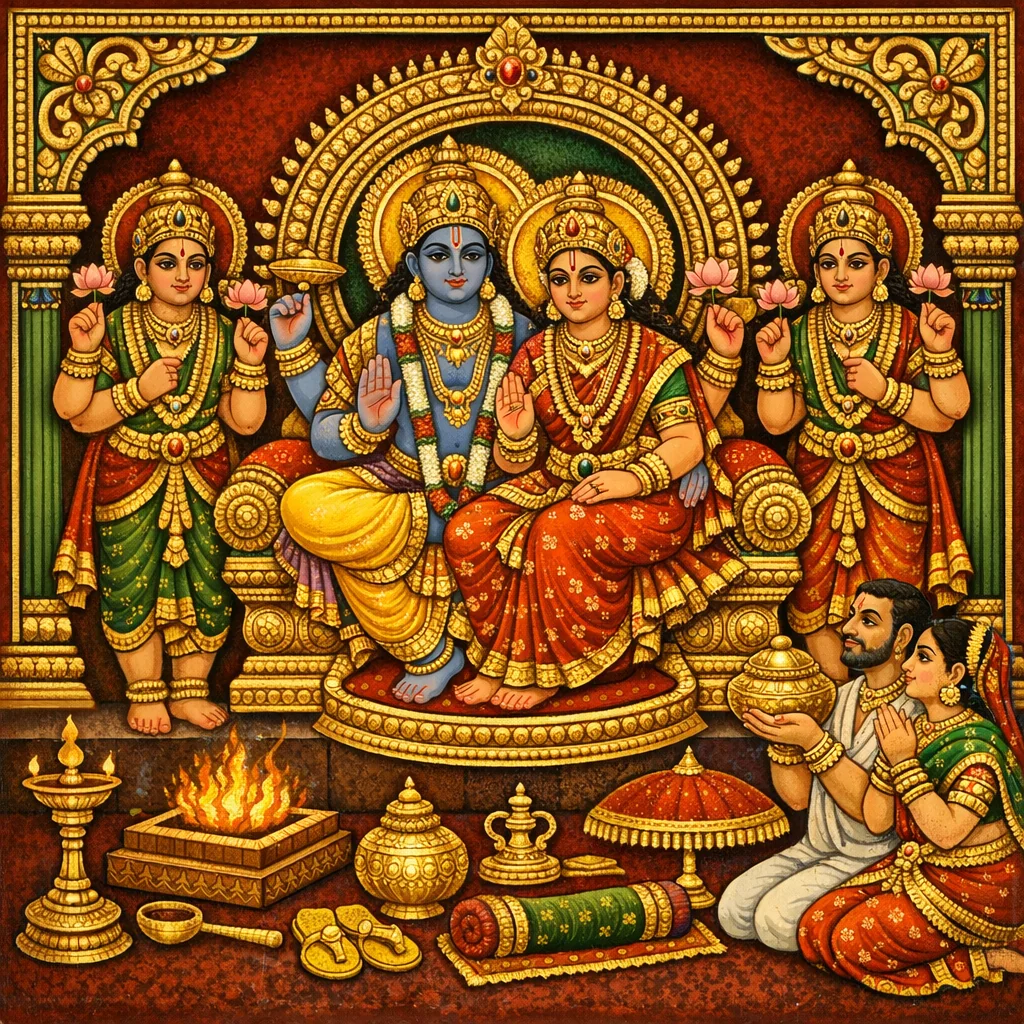
အဂ္နိဘုရားသည် ဒွိတီယာ (လဆန်း/လဆုတ် ဒုတိယနေ့) ကို အခြေခံသည့် ဝရတများကို လ၊ ပက္ခ၊ တိထိ တိကျစွာ သတ်မှတ်၍ ဘုက္ခတိ (လောကီအကျိုး) နှင့် မုက္ခတိ (မောက္ခ) နှစ်မျိုးလုံး ရရှိစေသည့် အခမ်းအနားအဖြစ် ဖော်ပြသည်။ ပထမ Dvitīyā-vrata တွင် ပန်းသာစား၍ အရှွင်များကို ပူဇော်ကာ စည်းစိမ်၊ အလှအပ၊ ကောင်းကင်ဘုံပုဏ္ဏားကို ပေးသည်ဟု ဆိုပြီး Kārttika śukla-dvitīyā တွင် ယမကို ပူဇော်ရန် မျိုးကွဲတစ်ရပ် ထည့်သွင်းသည်။ ထို့နောက် Aśūnya-śayana (Śrāvaṇa kṛṣṇa-dvitīyā) သည် မိသားစုဆက်လက်တည်တံ့ရေး—မီးပူဇော်၊ ဒေဝတား၊ ဘိုးဘွား၊ လင်မယားညီညွတ်မှု—ကို ကာကွယ်ရန် Viṣṇu ကို Śrī (Lakṣmī) နှင့်အတူ အာဝါဟနပြု၍ ပူဇော်ခြင်း၊ လစဉ် Soma-arghya ကို မန္တရဖြင့် ဆက်ကပ်ခြင်း၊ ဂျီဖြင့် ဟိုးမ၊ ညအကျင့်စည်းကမ်းနှင့် ဒါနာ (အိပ်ရာ၊ မီးအိမ်၊ အသုံးအဆောင်၊ ထီး၊ ဖိနပ်၊ ထိုင်ခုံ၊ ရေအိုး၊ ရုပ်တု၊ အိုးခွက်) ကို စနစ်တကျ ပေးကမ်းရန် ဆိုသည်။ ထို့နောက် Kānti-vrata (Kārttika လဆန်း) တွင် ညသာစား၍ Bala–Keśava ကို ပူဇော်ကာ တောက်ပမှု၊ အသက်ရှည်မှု၊ ကျန်းမာရေး ရစေသည်။ နောက်ဆုံး Śiṣṇu-vrata သည် Pauṣa śukla-dvitīyā မှ စ၍ ၄ ရက်ကြာ အစီအစဉ်ဖြစ်ပြီး မုစတာ၊ အနက်နှမ်း၊ vacā၊ sarvauṣadhi ဆေးပင်များဖြင့် အဆင့်လိုက် ရေချိုးကာ Kṛṣṇa/Acyuta/Ananta/Hṛṣīkeśa ဟူသော နာမတော်များဖြင့် ပန်းတင်ပူဇော်၊ လအရဃျကို ဂုဏ်နာမများဖြင့် ဆက်ကပ်ပြီး ရှည်လျားသော သန့်စင်ပုဏ္ဏားကို ဖော်ပြကာ လက်ရေးမူကွဲနှင့် အစဉ်အလာအရ လုပ်ဆောင်သူများ (မင်းများ၊ မိန်းမများ၊ ဒေဝများ) ကိုလည်း မှတ်သားထားသည်။
Shlokas
No shlokas available for this adhyaya yet.
Frequently Asked Questions
It treats Dvitīyā as a repeatable ritual node: specific deities, dietary rules (flowers or night-only eating), mantra, homa, and dāna are coordinated to yield prosperity/health (bhukti) and purification/heavenward merit (mukti-oriented phala).
Time-fixation (Śrāvaṇa kṛṣṇa-dvitīyā), Viṣṇu–Śrī invocations, monthly Soma-arghya with mantra, ghṛta-homa, nakta discipline, and a specified dāna-set (bed plus household and ritual items) culminating in merit tied to marital stability and household continuity.
It prescribes a four-day bath sequence using siddhārthaka (mustard), black sesame, vacā, and a defined sarvauṣadhi herb group—showing the Purāṇa’s characteristic fusion of vrata procedure with āyurvedic-style materia lists.
The Aśvins (general Dvitīyā vow), Yama (Kārttika śukla-dvitīyā), Lakṣmī–Viṣṇu/Śrīdhara (Aśūnya-śayana), Bala–Keśava (Kānti-vrata), and Soma/Indu (monthly arghya and lunar-focused elements).