Adhyaya 146
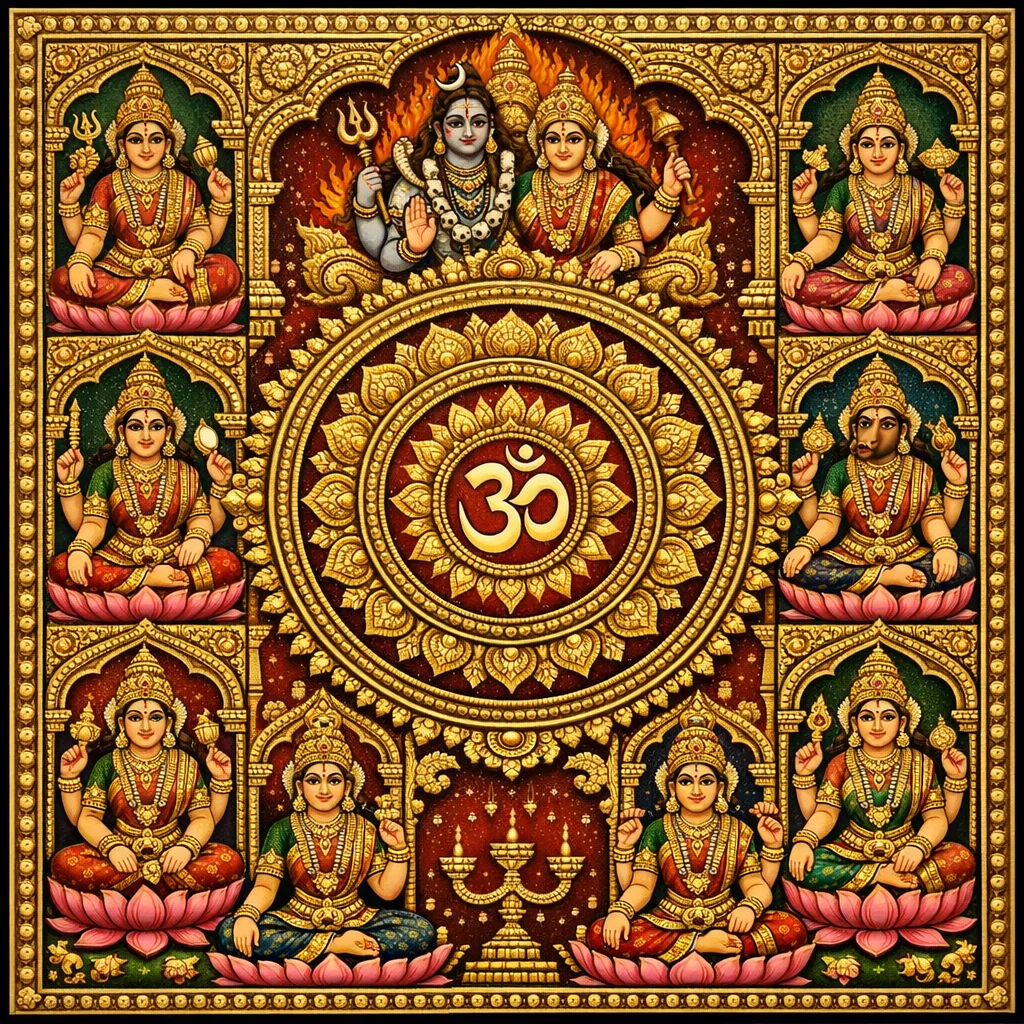
Chapter 146 — Aṣṭāṣṭaka Devī-s (अष्टाष्टकदेव्यः)
ဤအধ্যာယတွင် အဂ္နိဘုရား (ဤနေရာ၌ ဣရှ္ဝရ၏အသံအဖြစ်) သည် တြိခဏ္ဍီ—ဗြဟ္မာ၊ ဝိષ્ણု၊ မဟေရှ္ဝရီ—ကို မာတೃကာတို့၏ လျှို့ဝှက် «ဟృဒယ» နှင့် ချိတ်ဆက်ထားသော မန္တရဖွဲ့စည်းပုံအဖြစ် မိတ်ဆက်သည်။ မာတೃကာမိခင်တော်များကို လုပ်ဆောင်နိုင်သော အင်အားများအဖြစ် ဖော်ပြပြီး ရည်မှန်းချက်ပြည့်စုံစေခြင်း၊ မပျက်ယွင်းခြင်း၊ အတားအဆီးမရှိ လှုပ်ရှားခြင်းနှင့် ရန်သူ့ကိစ္စများကို ဖြတ်တောက်ရန် အုပ်ချုပ်နှိမ်နင်းခြင်း၊ ထုတ်ပယ်ခြင်း၊ အမြစ်ဖြုတ်ခြင်းတို့ကို ပြုလုပ်ကာ siddhi ရရှိစေသည်ဟု ဆိုသည်။ ထို့နောက် «vicce svāhā» ဖြင့် အဆုံးသတ်သော မန္တရယူနစ်များကို ပေးပြီး လက်ရေးမူကွဲများကို မှတ်သားကာ စကားလုံး/ပဒ ရေတွက်ပုံနှင့် မန္တရစုကြီးအတွင်း တည်နေရာကို သတ်မှတ်သည်။ ဂျပ်နှင့် ပူဇော်မှုကို praṇava နယ်နိမိတ် ၅ ခုဖြင့် ပြုလုပ်ရန်၊ စကားချိတ်ဆက်ရာ (pada-sandhi) တွင် Kubjikā-hṛdaya ကို ထည့်သွင်းရန်၊ အသံထည့်သွင်းစည်းကမ်း («သုံးခုအလယ်» စီစဉ်မှု)၊ Śikhā-Śivā/Bhairava ဖော်မြူလာများနှင့် အက္ခရာ ၃၂ လုံးအစဉ်နှင့် ကိုက်ညီသော သုံးသရ ဘီဇာစုများ (မျိုးစေ့ပါ/မပါ) ကို ဖော်ပြသည်။ နောက်ပိုင်းတွင် Brahmāṇī, Māheśvarī, Kaumārī, Vaiṣṇavī, Vārāhī, Aindrī, Cāmuṇḍā, Mahālakṣmī ဟူသော ဒေဝီနာမများကို ကုလ/လိုင်းနိတ်အလိုက် စာရင်းပြုကာ Yuddhajayārṇava စနစ်ဖြင့် jaya (အောင်မြင်မှု) အတွက် မဏ္ဍလပူဇော်မှုကို အလေးပေးသည်။
Shlokas
No shlokas available for this adhyaya yet.
Frequently Asked Questions
A Trikhaṇḍī mantra-framework tied to the secret Mātṛkā-hṛdaya, with prescribed japa/worship, pada-sandhi insertion of Kubjikā-hṛdaya, and phonetic (varṇa) arrangements supporting maṇḍala-based victory rites.
It repeatedly frames the Mothers’ powers as operative for jaya: uprooting obstacles/enemies, cutting hostile rites (para-karma), and prescribing maṇḍala worship of specific kula-born goddess groups explicitly “for victory.”
Because mantra efficacy and transmission depend on exact phonetic forms; the chapter preserves variant endings and syllable-forms to document recensional differences while still maintaining counting schemes (pada totals; inclusion within larger mantra sets).