Adhyaya 144
Adhyāya 144 — Kubjikā-pūjā (कुब्जिकापूजा)
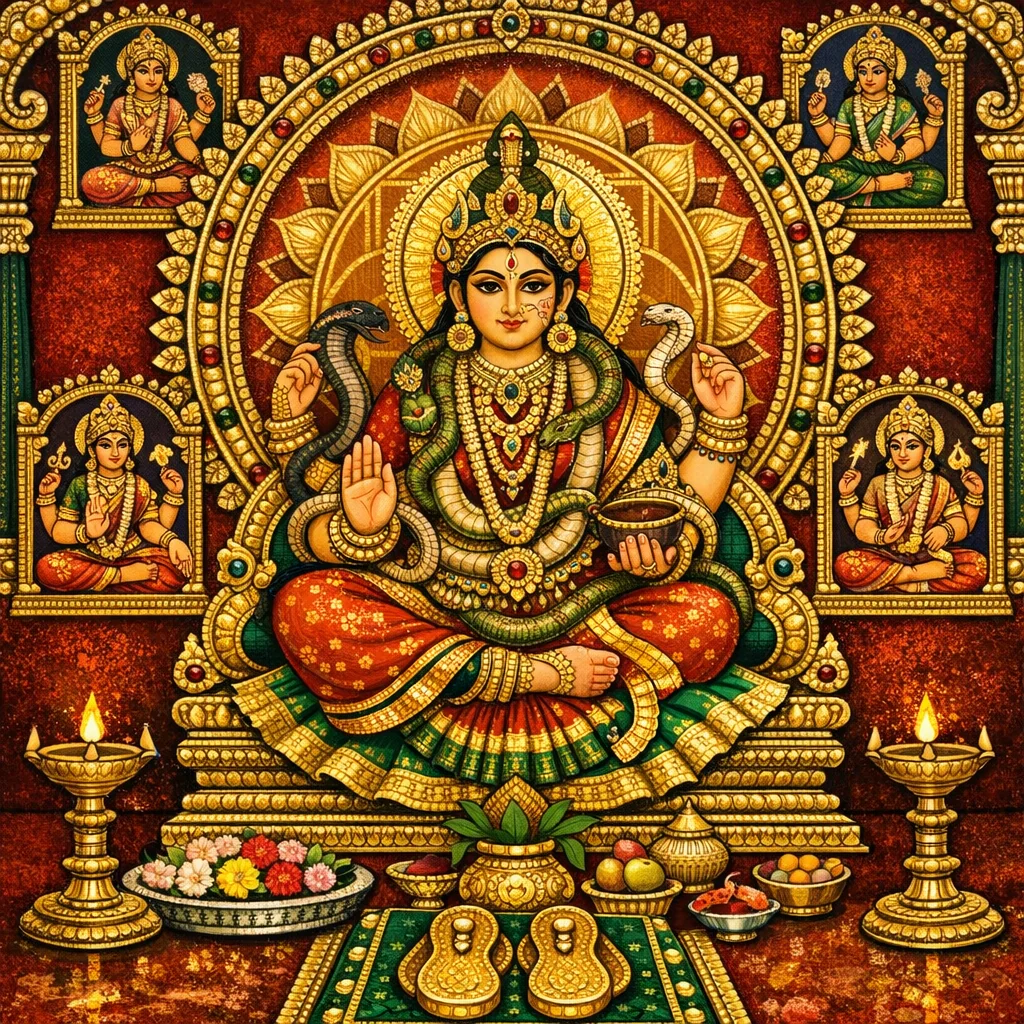
ဣရှ္ဝရဘုရားက ကုဗ္ဇိကာပူဇာစနစ်ကို ပုရုရှာဓာ (ဓမ္မ၊ အර්ထ စသည်) အားလုံး၌ အောင်မြင်မှုရရန် နည်းလမ်းအဖြစ် မိတ်ဆက်ပြီး၊ साधကသည် မူလမန္တရတစ်ပုဒ်တည်းဖြင့်လည်းကောင်း၊ ပရိဝါရအပြည့်အစုံနှင့်လည်းကောင်း ပူဇာပြုနိုင်ကြောင်း သတ်မှတ်သည်။ ထို့နောက် လုပ်ထုံးလုပ်နည်းအဆင့်လိုက်ကို ဖော်ပြ၍ ကုဗ္ဇိကာမန္တရရှည်ကို ဂါထာဖတ်ခြင်း၊ ကရ-နျာသနှင့် အင်္ဂ-နျာသ ပြုလုပ်ခြင်း၊ ထို့ပြင် သန္ဓျာသုံးကြိမ်ကို ဝါမာ၊ ဂျေဋ္ဌာ၊ ရော်ဒြီ အစဉ်ဖြင့် ဆောင်ရွက်ရန် ဆိုသည်။ ကောလပုံစံ ဂါယတ္တရီက ကုဗ္ဇိကာကို ကုလ-ဝါက်၏ အရှင်မနှင့် မဟာကာလီအဖြစ် ချီးမြှောက်ပြီး၊ ပူဇာကို ပာဒုကာဝန္ဒနာသို့ ချဲ့ထွင်ကာ အမည်စဉ်များဖြင့် စနစ်တကျ ရွတ်ဆိုစေသည် (၆၀ အမည်ဟု ဆိုသော စဉ်တစ်ခုသည် “နမော” ဖြင့် အဆုံးသတ်)။ မဏ္ဍလတည်နေရာများ၊ ဦးတည်ရာပူဇာ၊ ဘလိမန်တရများနှင့် ဘီဇအက္ခရာ ချထားမှုတို့ကို မြေပုံဆွဲသကဲ့သို့ ဖော်ပြကာ၊ နောက်ဆုံးတွင် အက္ခရာ ၃၂ လုံး၏ စုစည်းတော်မူသော ဒေဝီကို—အပြာကြာပန်းကဲ့သို့ မှောင်မိုက်၍ မျက်နှာ ၆၊ လက် ၁၂၊ နာဂသင်္ကေတဖြင့် အလှဆင်ကာ လက်နက်နှင့် ကိရိယာများ ကိုင်ဆောင်သည့်ပုံ—သမาธိပြုရန် ညွှန်ကြားသည်။ ထို့ပြင် သန့်စင်သုံးပါး (ဝိဒျာ–ဒေဝီ–ဂုရု)၊ နေရာ/အာသန အမည်စာရင်းများ၊ ရှက္တိအစုများ (မာတೃကာများနှင့် ဒာကိနီအုပ်စုများ) ကို ပေါင်းစည်း၍ မန္တရ၊ ကိုယ်ခန္ဓာတင်သွင်းမှုနှင့် ကောသမိုဂရဖီ အစီအစဉ်တို့ ပေါင်းစည်းသည့် အဂ္နేయ ပူဇာနည်းပညာအဖြစ် အောင်ပွဲဆာဓနာကို ပြည့်စုံစေသည်။
Shlokas
No shlokas available for this adhyaya yet.
Frequently Asked Questions
Mantra-recitation is followed by kara- and aṅga-nyāsa, then sandhyā worship in three modes (Vāmā, Jyeṣṭhā, Raudrī), expanding into pādukā-pūjā, maṇḍala/directional worship, bali offerings, and final visualization of the varṇa-devī (32-letter Kubjikā form).
It frames victory as puruṣārtha-aligned (dharma and artha included), disciplines power through purification (vidyā–devī–guru), and anchors results in ordered worship—nyāsa, maṇḍala cosmology, and ethical observances—thus integrating bhukti with a dharma-governed sādhana.
Read Agni Purana in the Vedapath app
Scan the QR code to open this directly in the app, with audio, word-by-word meanings, and more.