Adhyaya 4
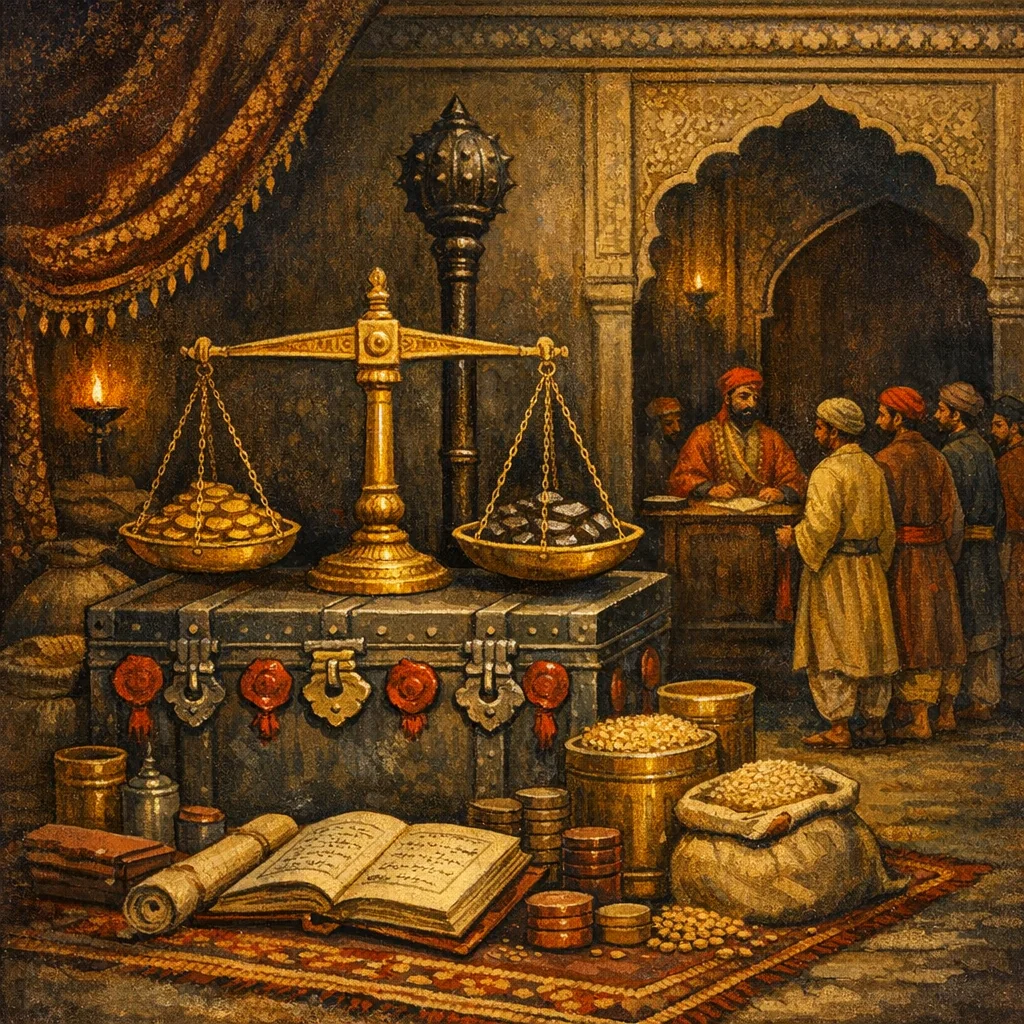
Book 1, Chapter 4 positions the sciences of governance as an operational stack: vārttā generates surplus (grain, livestock, gold, commodities, and labor-services), while daṇḍa—disciplined by nīti—secures that surplus and turns it into controllable power. The vijigīṣu’s grand design requires that the king be trained not merely in moral injunctions (trayī) or speculative inquiry (ānvīkṣikī), but in the conversion of resources into compliance: kośa sustains administration; daṇḍa compels obedience and deters predation. The chapter defines daṇḍanīti as a lifecycle policy: acquire what is absent, protect what is gained, augment what is protected, and redistribute matured gains into proper channels (tīrtha). Social stability is framed as an outcome of enforcement: the four varṇas and āśramas remain engaged in their own duties when restrained and protected by royal punishment. Thus, the king’s limb (svāmī) is strengthened as the coordinator of treasury, force, and normative order, preventing anarchy and enabling expansion.
Sutras
Sutra 1
कृषिपाशुपाल्ये वणिज्या च वार्ता ॥ कZ_०१.४.०१ ॥
वार्ता (राजकीय अर्थव्यवस्था) म्हणजे कृषी, पशुपालन आणि वाणिज्य.
Sutra 2
तया स्वपक्षं परपक्षं च वशीकरोति कोशदण्डाभ्याम् ॥ कZ_०१.४.०२ ॥
त्या (शासनविद्ये) द्वारे तो कोश आणि दंड (दंडव्यवस्था/सेनाशक्ती) यांच्या सहाय्याने स्वपक्ष व परपक्ष—दोन्हींना वश करतो.
Sutra 3
आन्वीक्षिकी त्रयी वार्त्तानां योगक्षेमसाधनो दण्डः तस्य नीतिर्दण्ड नीतिः अलब्धलाभार्था लब्धपरिरक्षणी रक्षितविवर्धनी वृद्धस्य तीर्थे प्रतिपादनी च ॥ कZ_०१.४.०३ ॥
आन्वीक्षिकी, त्रयी आणि वार्ता—या शास्त्र/उपजीविकांच्या योगक्षेम (कल्याण व सुरक्षा) साधणारी राज्याची दंडशक्ती म्हणजे दंड होय. तिची पद्धती ‘दंडनीती’—जी अलब्धाचा लाभ करून देते, लब्धाचे परिरक्षण करते, रक्षिताचे विवर्धन करते, आणि परिपक्व/वृद्ध (संचित सामर्थ्य/संपत्ती) यास ‘तीर्थ’ (योग्य पद/संस्थात्मक मार्ग) येथे प्रतिष्ठित करते।
Sutra 4
बलीयानबलं हि ग्रसते दण्डधराभावे ॥ कZ_०१.४.१४ ॥
दंड धारण करणारा (अंमलबजावणी करणारा) नसल्यास बलवान अपरिहार्यपणे दुर्बलाला गिळतो.
Sutra 5
स तेन गुप्तः प्रभवति इति ॥ कZ_०१.४.१५ ॥
त्या (दंड/अंमलबजावणी) मुळे संरक्षित राहून तो (प्रजा/राज्य) फोफावतो आणि समर्थ होतो.
Sutra 6
चतुर्वर्णाश्रमो लोको राज्ञा दण्डेन पालितः ॥ कZ_०१.४.१६अब् ॥
चार वर्ण व आश्रमांची सामाजिक व्यवस्था राजाने दंड (अंमलबजावणी) करून राखली जाते.
Sutra 7
स्वधर्मकर्माभिरतो वर्तते स्वेषु वर्त्मसु ॥ कZ_०१.४.१६च्द् ॥
स्वधर्म व स्वकर्मात रत राहून लोक आपापल्या मार्गांवर (भूमिकांवर) वागतात.
Frequently Asked Questions
Stable production and exchange (vārttā) continue without predation; revenues and resources remain secure (labdha-parirakṣaṇa), can be grown (vivardhana), and society stays orderly in its occupational/religious duties under predictable enforcement.
This passage does not enumerate a specific tariff of punishments; it states the governing principle: absence or failure of daṇḍadhara leads to anarchy where the strong prey on the weak. Implied penalty for officials/subjects is coercive correction under daṇḍanīti, calibrated later in the text.