Adhyaya 184
Chapter 184 — अष्टमीव्रतानि (Aṣṭamī Observances: Kṛṣṇāṣṭamī, Budhāṣṭamī/Svargati-vrata, and Mātṛgaṇa-Aṣṭamī)
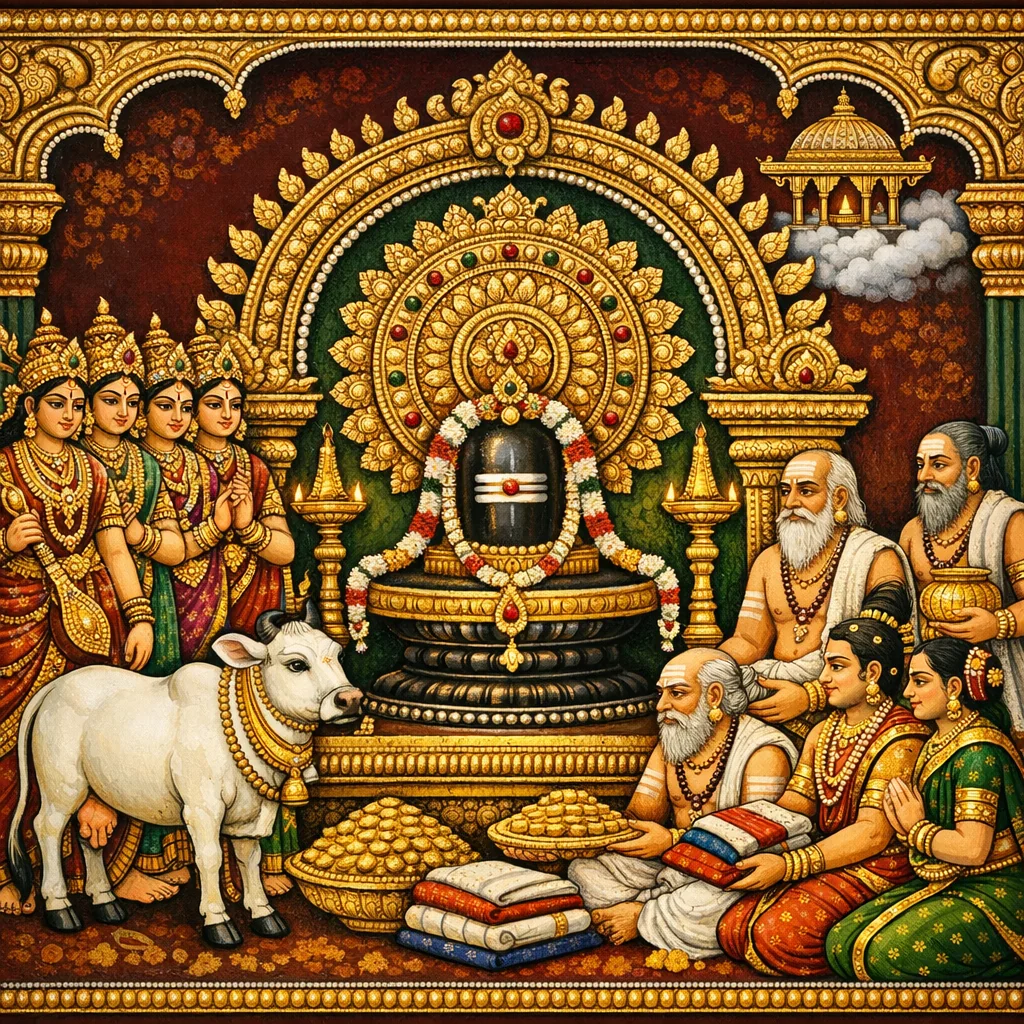
അഗ്നി വസിഷ്ഠനോട് അഷ്ടമി-കേന്ദ്രിത വ്രതങ്ങൾ ഉപദേശിക്കുന്നു; തിഥിനിയമം, ദേഹനിയമനം, ശൈവഭക്തി, സാമൂഹിക യജ്ഞ-ദാന കർത്തവ്യങ്ങൾ എന്നിവ ഇതിൽ ഏകീകരിക്കുന്നു. അധ്യായം ചൈത്ര കൃഷ്ണാഷ്ടമിയിലെ മാതൃഗണ-അഷ്ടമിയോടെ ആരംഭിക്കുന്നു—ബ്രാഹ്മാണി മുതലായ മാതൃകകളെ പൂജിച്ചാൽ സമൃദ്ധിയും കൃഷ്ണലോക-പ്രാപ്തിയും ലഭിക്കും എന്ന് പറയുന്നു. തുടർന്ന് മാർഗശീർഷം മുതൽ ഒരു വർഷം നീളുന്ന കൃഷ്ണാഷ്ടമി വ്രതം: നക്ത ഉപവാസം, ശുദ്ധാചാരം, ഭൂമിശയനം, കൂടാതെ മാസാനുസൃതമായി ശിവപൂജാക്രമം (ശങ്കര, ശംഭു, മഹേശ്വര, മഹാദേവ, സ്ഥാണു, പശുപതി, ത്ര്യമ്പക, ഈശ) എന്നും അതോടൊപ്പം കഠിനാഹാരനിയമങ്ങൾ (ഗോമൂത്രം, നെയ്യ്, പാൽ, എള്ള്, യവം, ബിൽവപത്രം, അരി മുതലായവ) എന്നും. അവസാനം ഹോമം, മണ്ഡലപൂജ, ബ്രാഹ്മണഭോജനം, ഗാവ്/വസ്ത്രം/സ്വർണം ദാനം—ഭുക്തിയും മുക്തിയും നൽകുന്ന ഫലം. ബുധനാഴ്ച വരുന്ന അഷ്ടമി ‘സ്വർഗതി-വ്രതം’ ആയി, ഇന്ദ്രപദം നൽകുന്നതായി പറയുന്നു; മാവിലപ്പാത്രത്തിൽ കുശയോടുകൂടി നിശ്ചിത അളവിലെ അരി നൈവേദ്യം, സാത്ത്വിക പൂജ, കഥാശ്രവണം, ദക്ഷിണ എന്നിവ നിർദ്ദേശിക്കുന്നു. ധീരന്റെ കുടുംബം, വൃഷ എന്ന കാള, നഷ്ടവും വീണ്ടെടുപ്പും, യമലോകവൃത്താന്തം, ബുധാഷ്ടമി രണ്ടുതവണ അനുഷ്ഠിച്ചതിന്റെ ഫലമായി പിതൃകൾ നരകത്തിൽ നിന്ന് സ്വർഗത്തിലേക്ക് ഉയരുന്നത്—ഈ ഉദാഹരണം വ്രതത്തിന്റെ രക്ഷാശക്തി കാണിക്കുന്നു. അവസാനം പുനർവസു നക്ഷത്രത്തിൽ അശോകമൊട്ട് പാനവിധി, അഷ്ടമിയുടെ ദുഃഖനിവാരണ പ്രാർത്ഥന, ചൈത്രം മുതൽ മാതൃപൂജ ശത്രുജയം നൽകുന്നു എന്ന പുനഃസ്ഥാപനവും ഉണ്ട്.
Shlokas
No shlokas available for this adhyaya yet.
Frequently Asked Questions
A year-linked discipline starting in Mārgaśīrṣa with nakta-fasting and purification, followed by month-specific Śiva-worship names and corresponding dietary austerities, concluding with homa, maṇḍala worship, feeding brāhmaṇas, and dāna (cow, garments, gold).
When Aṣṭamī coincides with Wednesday in either fortnight it is termed Svargati-vrata; the text assigns it a specific offering protocol (measured rice preparation, mango-leaf vessel with kuśa, sāttvika pūjā, kathā-śravaṇa, and dakṣiṇā) and promises attainment of Indra’s station.
By combining austerity (niyama), purity (śauca), devotion (Śiva/Mātṛ worship), narrative-hearing, and charity (dāna) into a complete sādhanā, it explicitly states the attainment of both bhukti and mukti and illustrates salvific efficacy through the liberation of ancestors from naraka.
Prosperity, victory over enemies through Mātṛ-pūjā on Aṣṭamī, sorrow-removal via the Aśoka rite, and restoration of fortune/standing through proper rule-keeping and sanctioned dāna.