Adhyaya 143
Chapter 143 — Worship of Kubjikā (कुब्जिकापूजा)
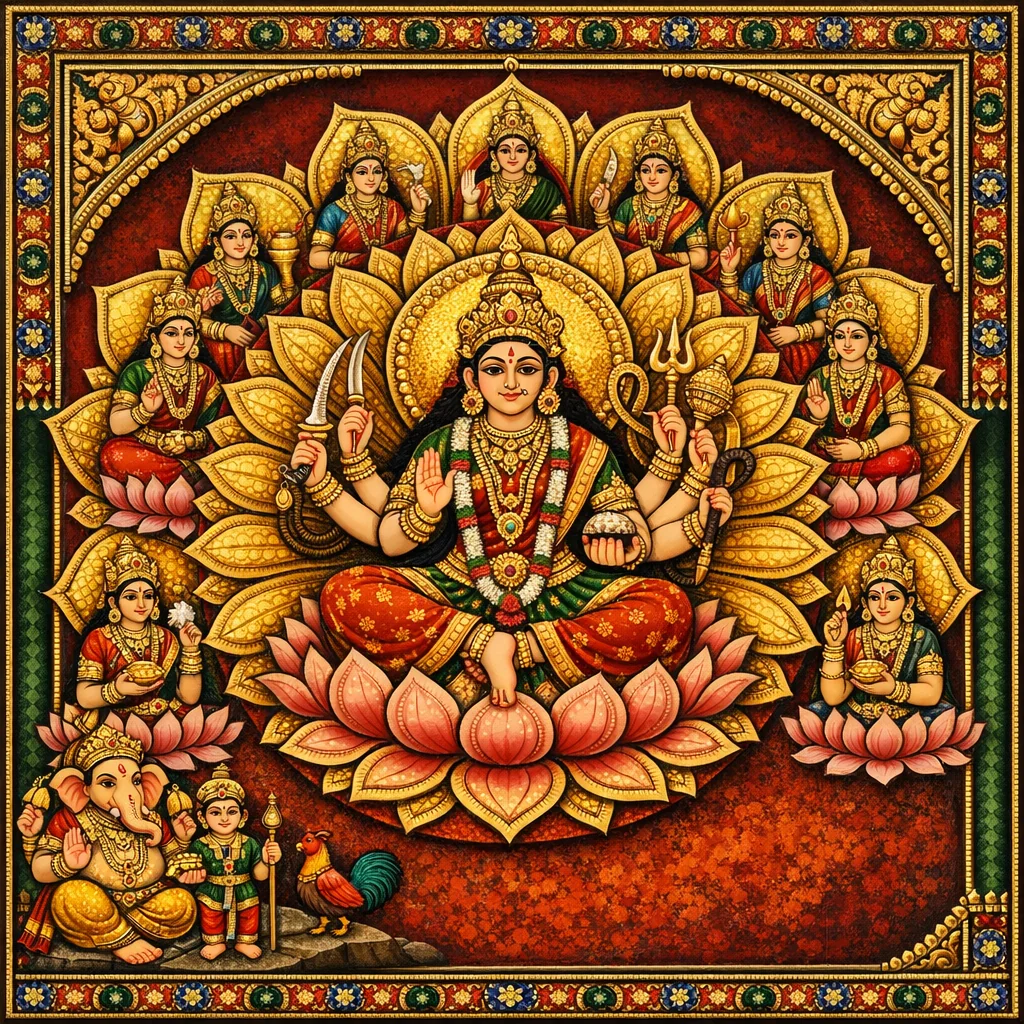
ບົດນີ້ເປີດດ້ວຍການປ່ຽນຈາກເລື່ອງມັນຕຣາ ແລະ ຢາຮັກສາ ໄປສູ່ພິທີຊະນະແບບ Śākta-ຕັນຕຣາ ໃນກອບ Yuddhajayārṇava. ພຣະເຈົ້າສອນການບູຊາ Kubjikā ຕາມລຳດັບ (krama) ໂດຍຍົກຍ້ອງເປັນ “sarvārtha-sādhanī” ຜູ້ສຳເລັດປະໂຫຍດທຸກປະການ ຮວມທັງຊະນະໃນສົງຄາມ ເມື່ອຄູ່ກັບສານທີ່ຖືກປະພິທີ (ໂດຍສະເພາະ ājya/ນ້ຳມັນເນີຍ) ແລະ ການປຸກເສກອາວຸດ. ໂຄງສ້າງພິທີມີຄວາມລະອຽດ: ກຳນົດເຄື່ອງໝາຍ chakra-pūjā, ພະຍາງ bīja, ແລະ nyāsa ທີ່ວາງມັນຕຣາລົງໃນຈຸດຮ່າງກາຍ (ອະໄວຍະວະລັບ, ມື, ຫົວໃຈ, ຫົວ) ເພື່ອໃຫ້ຜູ້ປະຕິບັດເປັນສະໜາມພະລັງອັນສັກສິດ. ຈາກນັ້ນພະລັງນີ້ຖືກຂະຫຍາຍອອກເປັນ maṇḍala: ຈັດວາງມັນຕຣາ astra, kavaca, netra, śikhā ແລະອື່ນໆ ໃນທິດທາງຕ່າງໆ ແລະ ຕິດຕັ້ງ bīja ສຳຄັນຫຼາຍພະຍາງໃນແກນກາງດອກບົວ 32 ກີບ. ພິທີຍັງຂະຫຍາຍໄປສູ່ຕອນຕະກະຂອງເທວະພັນ: Mātṛkā ເກີດຈາກອຳນາດສູງສຸດຂອງ Caṇḍikā; ເຊີນ pīṭha ອັນສັກສິດ ແລະ ການຈັດວາງຕາມທິດ; ແລະ ແບ່ງ Vimalapañcaka ໄປຕາມທິດ ແລະ ຍອດພູ. ທ້າຍສຸດ ມະນະດາລາຖືກເຕີມເຕັມດ້ວຍ Gaṇapati/Vaṭuka, ຄູອາຈານ, nātha ແລະ ເທວະອ້ອມຂ້າງ ໂດຍຍຶດ Kubjikā (ແລະ Kulaṭā) ເປັນຈຸດກາງຂອງການບູຊາຕາມລຳດັບ ເພື່ອການຄຸ້ມຄອງ, ອຳນາດຄວບຄຸມ, ແລະ ຊະນະທີ່ຢູ່ໃນຂອບເຂດທຳມະ.
Shlokas
No shlokas available for this adhyaya yet.
Frequently Asked Questions
A krama (sequential) Kubjikā worship that combines chakra-pūjā, nyāsa (body-installation of mantras), and maṇḍala-based directional placements of protective and weapon mantras (kavaca, netra, astra, śikhā, etc.).
The Māyā-bīja is placed on the secret organ; the ṣaṭkarma-astra is assigned to the hand; “Kālī, Kālī” is placed on the heart; and “Duṣṭa-cāṇḍālikā” is placed on the head.
It frames Kubjikā worship as sarvārtha-sādhanī and explicitly links success over adversaries to consecrated empowerment—weaponization through mantra (astra), protection through kavaca, and correct directional/mandala deployment.
Mantras are stationed by quarters (dik): kavaca and netra are centralized, astra is distributed to directions, and a specific essential bīja-string is installed in a 32-petalled core (karṇikā), establishing a layered protective grid.
The chapter invokes the Mātṛkās arising from Caṇḍikā, the Vimalapañcaka distributed across quarters/peaks, and a populated mandala including Gaṇapati/Vaṭuka, gurus, nāthas, and surrounding deities with Kubjikā at the center.