Adhyaya 143
Chapter 143 — Worship of Kubjikā (कुब्जिकापूजा)
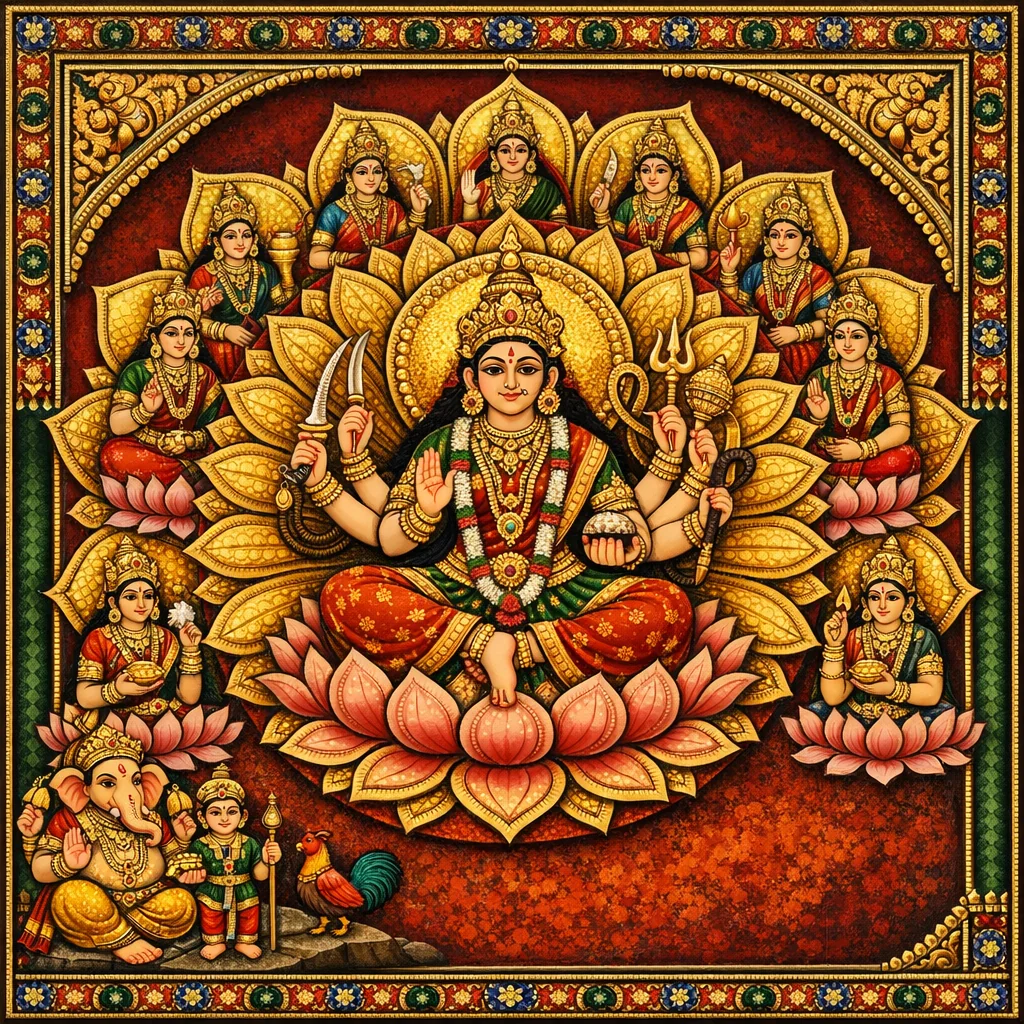
ជំពូកនេះបន្តពីមន្ត្រា និងឱសថ ទៅកាន់ពិធីជ័យជម្នះបែបឝាក្ត-តន្ត្រ ក្នុងស៊ុម Yuddhajayārṇava។ ព្រះអម្ចាស់បង្រៀនការបូជាគុបជិកា (Kubjikā) តាមលំដាប់ (krama) ជា “sarvārtha-sādhanī” អាចសម្រេចគោលបំណងទាំងមូល រួមទាំងជ័យជម្នះក្នុងសង្គ្រាម ដោយភ្ជាប់សារធាតុបានបុណ្យវិសេស ជាពិសេស ājya/ghi និងការបង្កើនអំណាចអាវុធ។ រចនាសម្ព័ន្ធពិធីមានលក្ខណៈបច្ចេកទេស៖ សញ្ញាសម្គាល់ chakra-pūjā, ព្យាង្គ bīja និងប្រព័ន្ធ nyāsa ដាក់មន្ត្រាលើទីតាំងរាងកាយ (អង្គសម្ងាត់ ដៃ បេះដូង ក្បាល) ដើម្បីបម្លែងអ្នកអនុវត្តជាវាលអំណាចបានបុណ្យ។ បន្ទាប់មកអំណាចនេះត្រូវបង្ហាញក្រៅជាមណ្ឌល (maṇḍala) ដោយដាក់មន្ត្រា astra, kavaca, netra, śikhā ជាដើម នៅទិសទាំងឡាយ ហើយដំឡើង bīja សារសំខាន់ពហុព្យាង្គក្នុងមជ្ឈមណ្ឌលផ្កា ៣២ ក្រឡា។ ពិធីពង្រីកទៅតាមតក្កវិជ្ជាព្រះទេវតា៖ Mātṛkā ចេញពីអធិបតីភាពរបស់ Caṇḍikā; អញ្ជើញ pīṭha បរិសុទ្ធ និងការដាក់តាមទិស; ហើយចែក Vimalapañcaka តាមទិស និងកំពូល។ ចុងក្រោយ បំពេញមណ្ឌលដោយ Gaṇapati/Vaṭuka គ្រូ (gurus) nātha និងទេវតាព័ទ្ធជុំវិញ ដោយផ្តោតលើ Kubjikā (និង Kulaṭā) ជាគោលដៅបូជាតាមលំដាប់ សម្រាប់ការការពារ អំណាចគ្រប់គ្រង និងជ័យជម្នះក្នុងធម៌។
Shlokas
No shlokas available for this adhyaya yet.
Frequently Asked Questions
A krama (sequential) Kubjikā worship that combines chakra-pūjā, nyāsa (body-installation of mantras), and maṇḍala-based directional placements of protective and weapon mantras (kavaca, netra, astra, śikhā, etc.).
The Māyā-bīja is placed on the secret organ; the ṣaṭkarma-astra is assigned to the hand; “Kālī, Kālī” is placed on the heart; and “Duṣṭa-cāṇḍālikā” is placed on the head.
It frames Kubjikā worship as sarvārtha-sādhanī and explicitly links success over adversaries to consecrated empowerment—weaponization through mantra (astra), protection through kavaca, and correct directional/mandala deployment.
Mantras are stationed by quarters (dik): kavaca and netra are centralized, astra is distributed to directions, and a specific essential bīja-string is installed in a 32-petalled core (karṇikā), establishing a layered protective grid.
The chapter invokes the Mātṛkās arising from Caṇḍikā, the Vimalapañcaka distributed across quarters/peaks, and a populated mandala including Gaṇapati/Vaṭuka, gurus, nāthas, and surrounding deities with Kubjikā at the center.