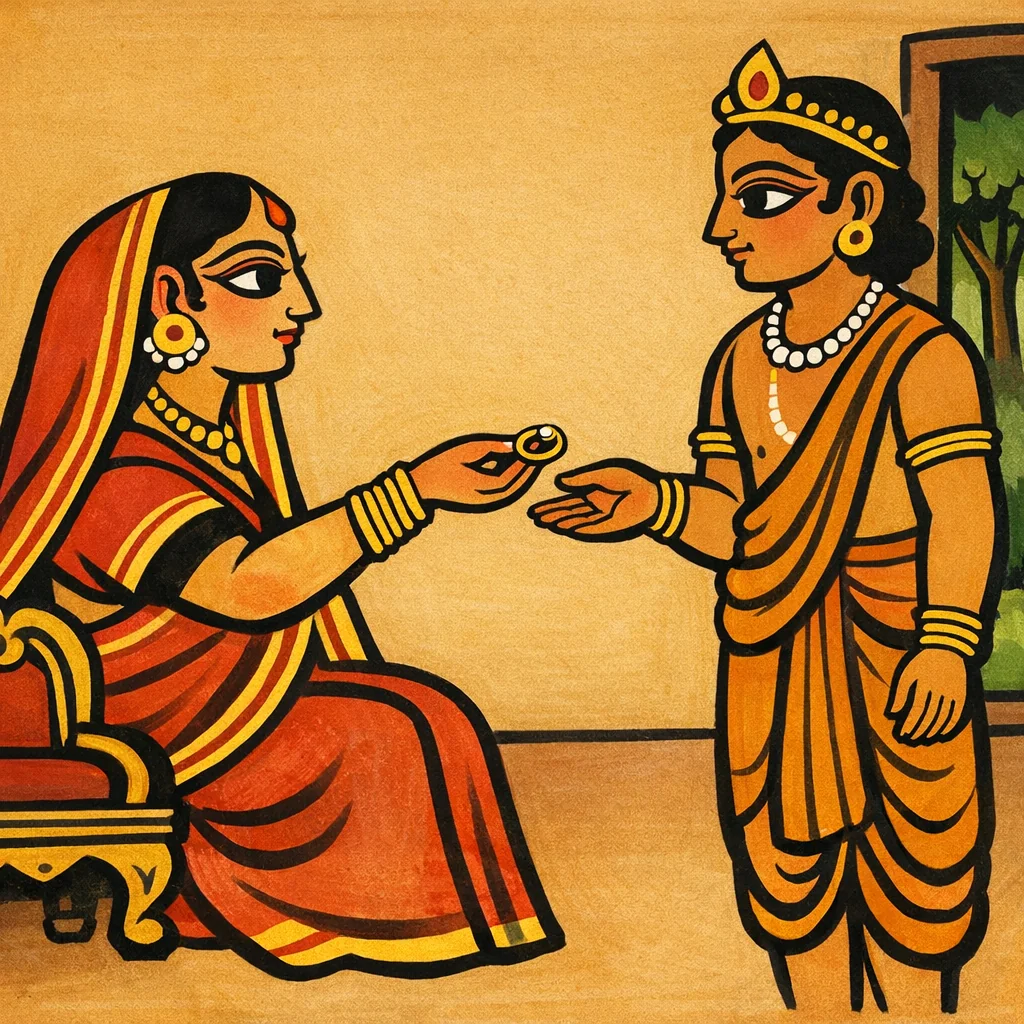
Adhyaya 36: Madalasa’s Final Counsel and the Renunciation of King Ritadhvaja
मदालसोपदेशः (Madālāsopadeśaḥ)
Hell Realms
આ અધ્યાયમાં મદાલસા અંતિમ ઉપદેશરૂપે પુત્રો અને રાજા ઋતધ્વજને દેહ‑સંસારની અનિત્યતા, ધર્મપાલન અને આત્મજ્ઞાનનું પરમ ફળ સમજાવે છે. તે વૈરાગ્ય, સત્ય અને કર્તવ્યનિષ્ઠાનો માર્ગ બતાવી કહે છે કે રાજ્ય પણ ક્ષણભંગુર છે. મદાલસાના વચનોથી પ્રેરિત થઈ ઋતધ્વજ પુત્રને રાજ્ય સોંપી તપોવનમાં જઈ સંન્યાસમાર્ગે પ્રવર્તે છે અને અંતઃશાંતિ પામે છે।
Key Content Points
Focus Keywords
Shlokas in Adhyaya 36
Verse 1
इति श्रीमार्कण्डेयपुराणेऽलर्कानुशासने वर्ज्यावर्ज्यनाम पञ्चत्रिंशोऽध्यायः । षट्त्रिंशोऽध्यायः । जड उवाच— स एवमनुशिष्टः सन् मात्रा संप्राप्य यौवनम् । ऋतध्वजसुतश्चक्रे सम्यग्दारपरिग्रहम् ॥
આ રીતે શ્રીમાર્કંડેય પુરાણમાં અલર્ક-ઉપદેશ અંતર્ગત ‘વર્જ્ય અને અવર્જ્યનો વિવેક’ નામનો પાંત્રીસમો અધ્યાય પૂર્ણ થયો. હવે છત્રીસમો અધ્યાય આરંભ થાય છે. જડ બોલ્યો—આ રીતે ઉપદેશ પામી, ઋતધ્વજનો પુત્ર માતા સાથે યુવાન વયે પહોંચીને વિધિપૂર્વક વિવાહમાં પ્રવેશ્યો.
Verse 2
पुत्रांश्चोत्पादयामास यज्ञैश्चाप्ययजद्विभुः । पितुश्च सर्वकालेषु चकाराज्ञानुपालनम् ॥
તેણે પુત્રો ઉત્પન્ન કર્યા અને યજ્ઞો પણ કર્યા; તેમજ તે હંમેશા પિતાની આજ્ઞાઓનું યથાવત્ પાલન કરતો રહ્યો.
Verse 3
ततः कालेन महता संप्राप्य चरमं वयः । चक्रेऽभिषेकं पुत्रस्य तस्य राज्ये ऋतध्वजः ॥
પછી ઘણો સમય વીતી ગયા પછી, જીવનની અંતિમ અવસ્થાને પામીને ઋતધ્વજે તે રાજ્યમાં પોતાના પુત્રનો રાજ્યાભિષેક કરાવ્યો।
Verse 4
भार्यया सह धर्मात्मा यियासुस्तपसे वनम् । अवतीर्णो महारक्षो महाभागो महीपतिः ॥
તે ધર્માત્મા રાજા—મહાન રક્ષક અને ભાગ્યવાન ભૂપતિ—પત્ની સાથે તપસ્યા માટે વનમાં પ્રસ્થાન કર્યો।
Verse 5
मदालसा च तनयं प्राहेदं पश्चिमं वचः । कामोपभोगसंसर्गप्रहाणाय सुतस्य वै ॥
અને મદાલસાએ પોતાના પુત્રને આ અંતિમ વચનો કહ્યા—જે ખરેખર કામજન્ય સ્પર્શ અને ભોગ પ્રત્યેની આસક્તિ ત્યાગવા માટે હતા।
Verse 6
मदालसोवाच यदा दुःखमसह्यं ते प्रियबन्धुवियोगजम् । शत्रुबाधोद्भवं वापि वित्तनाशात्मसम्भवम् ॥
મદાલસા બોલી—જ્યારે પ્રિય સગાંઓના વિયોગથી, અથવા શત્રુઓના પીડનથી, કે ધનનાશથી ઉત્પન્ન અસહ્ય શોક તને આવી ચડે—
Verse 7
भवेतत्कुर्वतो राज्यं गृहधर्मावलम्बिनः । दुःखायतनभूतो हि ममत्वालम्बनो गृही ॥
આવું દુઃખ તેને જ થાય છે, જે ગૃહસ્થધર્મના કર્તવ્યો અને આસક્તિઓને ચાંપીને રાજ્ય શાસન કરે; કારણ કે ‘મમત્વ’ પર આધારિત ગૃહસ્થજીવન ખરેખર શોકનું આસન બની જાય છે।
Verse 8
तदास्मात्पुत्र ! निष्कृष्य मद्दत्तादङ्गुलीयकात् । वाच्यं ते शासनं पट्टे सूक्ष्माक्षरनिवेशितम् ॥
ત્યારે, હે પુત્ર, મેં આપેલી મુદ્રિકા (અંગૂઠી)માંથી તેને બહાર કાઢ; સૂક્ષ્મ અક્ષરોમાં પટ્ટા પર અંકિત ઉપદેશ તું વાંચ।
Verse 9
जड उवाच इत्युक्त्वा प्रददौ तस्मै सौवर्णं साङ्गुलीयकम् । आशिषश्चापि या योग्याः परुषस्य गृहे सतः ॥
જડાએ કહ્યું—આમ કહીને તેણે તેને સ્વર્ણમુદ્રિકા (સોનાની અંગૂઠી) આપી; અને તે ગૃહસ્થાશ્રમમાં રહેતો હતો ત્યારે પરુષાને યોગ્ય એવા આશીર્વાદો પણ તેણે અર્પણ કર્યા।
Verse 10
ततः कुबलयाश्वोऽसौ सा च देवी मदालसा । पुत्राय दत्त्वा तद्राज्यं तपसे काननं गतौ ॥
પછી તે કુબલયાશ્વ અને મહનીય મદાલસા, રાજ્ય પોતાના પુત્રને સોંપીને, તપ માટે વનમાં ગયા।
Frequently Asked Questions
It examines how attachment (mamatva) within household life becomes a structural cause of suffering—through separation from loved ones, conflict with enemies, and loss of wealth—and prescribes deliberate detachment as the ruler’s ethical safeguard.
This Adhyāya is not a Manvantara-catalogue segment; instead, it advances a dynastic-ethical vignette (vamśa-centered instruction) focused on succession, kingship, and the life-stage transition from rulership to forest-asceticism.
It does not belong to the Devī Māhātmya (Adhyāyas 81–93). Its relevance lies in the lineage instruction (vamśa-nīti) delivered by Madālasā, a paradigmatic didactic queen, emphasizing renunciation and the hazards of kāmopabhoga-saṃsarga (sensual entanglement).