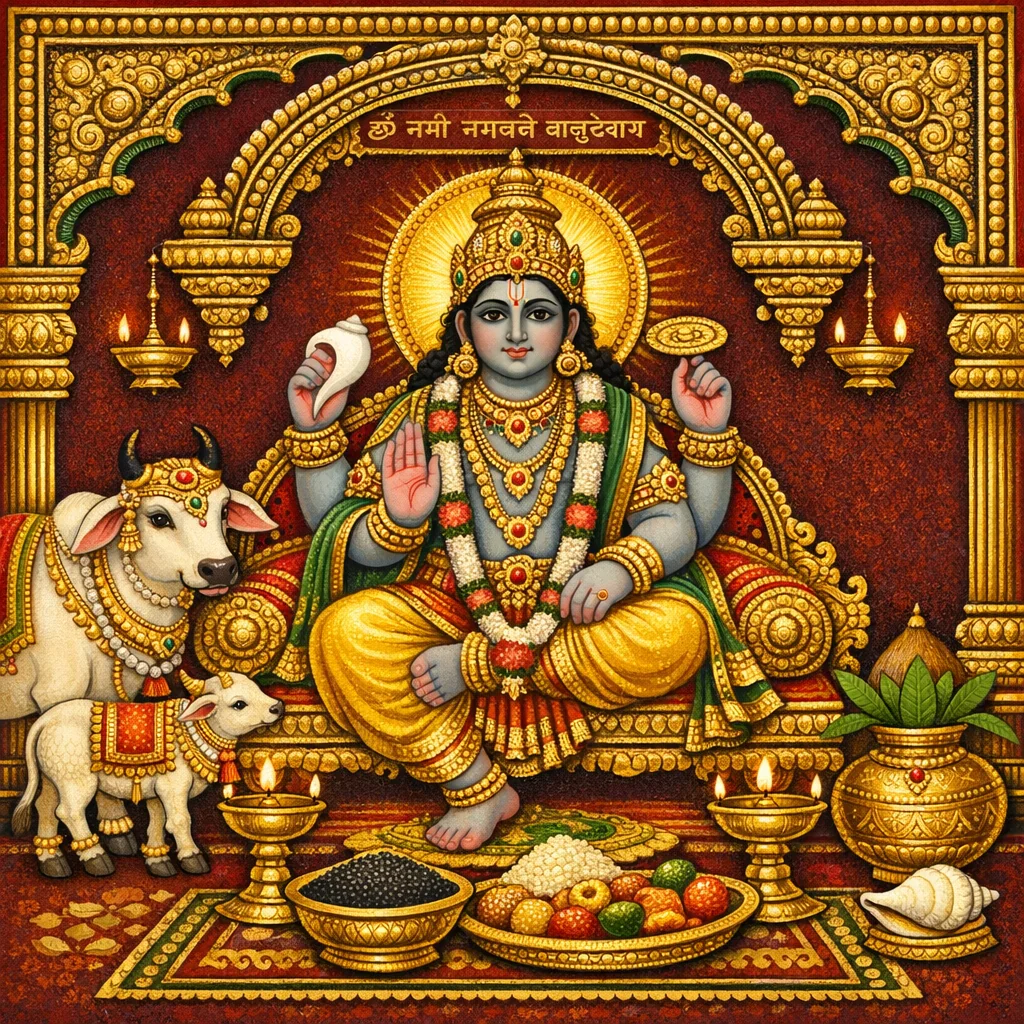
Adhyaya 188
Chapter 188: द्वादशीव्रतानि (The Dvādaśī-vows)
ભગવાન અગ્નિ દ્વાદશી-વ્રતોની સુવ્યવસ્થિત સૂચિ શરૂ કરે છે અને સ્પષ્ટ કરે છે કે તે ભુક્તિ તથા મુક્તિ—બન્નેના સાધન છે. એકભુક્ત (એક વખત ભોજન), ભક્તિ અને અયાચિત (માગ્યા વિના મળેલું) અન્ન સ્વીકારી વ્રત કરવું. ચૈત્ર શુક્લ દ્વાદશીએ કામદમનકારી હરિની ‘મદન-દ્વાદશી’ રૂપે પૂજા, માઘ શુક્લ દ્વાદશીએ ‘ભીમ-દ્વાદશિકા’, ફાલ્ગુન શુક્લ દ્વાદશીએ ‘ગોવિંદ-દ્વાદશી’ વગેરે વિધિઓ જણાવાય છે. આશ્વયુજમાં ‘વિશોક-દ્વાદશી’ અને ભાદ્રપદમાં ‘ગોવત્સ-દ્વાદશી’માં ગાય-વાછરડાની પૂજા દ્વારા પ્રાયશ્ચિત્ત અને પુણ્યવૃદ્ધિ પર ભાર છે. ‘તિલ-દ્વાદશી’નું ચોક્કસ કાળલક્ષણ—કૃષ્ણપક્ષ દ્વાદશી મધ્યાહ્ન પછી શ્રવણ નક્ષત્ર સંયોગ—આપીને તિલસ્નાન, તિલહોમ, તિલનૈવેદ્ય, તિલતેલ દીવો, તિલોદક અને તિલદાન જેવી તિલકેન્દ્રિત ક્રિયાઓ વિધાન થાય છે; અંતે “ઓં નમો ભગવતે વાસુદેવાય” મંત્રથી વાસુદેવપૂજા. આગળ ષટ્-તિલ દ્વાદશી (સ્વર્ગફળ), નામદ્વાદશી (કેશવાદિ નામક્રમથી વર્ષભર પૂજા), સુમતિ અને અનંત દ્વાદશી, તથા કૃષ્ણજય નમસ્કારসহ સુગતિ દ્વાદશીનો ઉલ્લેખ છે. અંતે પૌષ શુક્લ દ્વાદશીએ સંપપ્રાપ્તિ-સંબંધિત વ્રતનો સમય જણાવી, મુક્તિમુખી ધર્મને વિધિ-વિજ્ઞાનરૂપે સ્થાપે છે.
Shlokas
No shlokas available for this adhyaya yet.
Frequently Asked Questions
It is the Kṛṣṇa-pakṣa Dvādaśī that occurs after midday (madhyāhna-samatītā) and is conjoined with the Śravaṇa nakṣatra; this conjunction is explicitly named Tiladvādaśī.
Sesame-based observances: bathing with sesame, sesame homa, sesame sweet offerings (tilamodaka) as naivedya, lighting a lamp with sesame oil, offering/gifting sesame-water, and donating sesame to Brahmins, followed by Vāsudeva worship with “Oṃ namo bhagavate vāsudevāya.”
Govatsa-dvādaśī; it is performed in the month of Bhādrapada, where the votary worships a cow along with her calf as part of the vow’s expiatory and merit-generating framework.
Nāmadvādaśī is a year-long worship of Hari using the divine names beginning with Keśava; the text states the performer becomes heaven-destined and does not become hell-bound.