Adhyaya 26
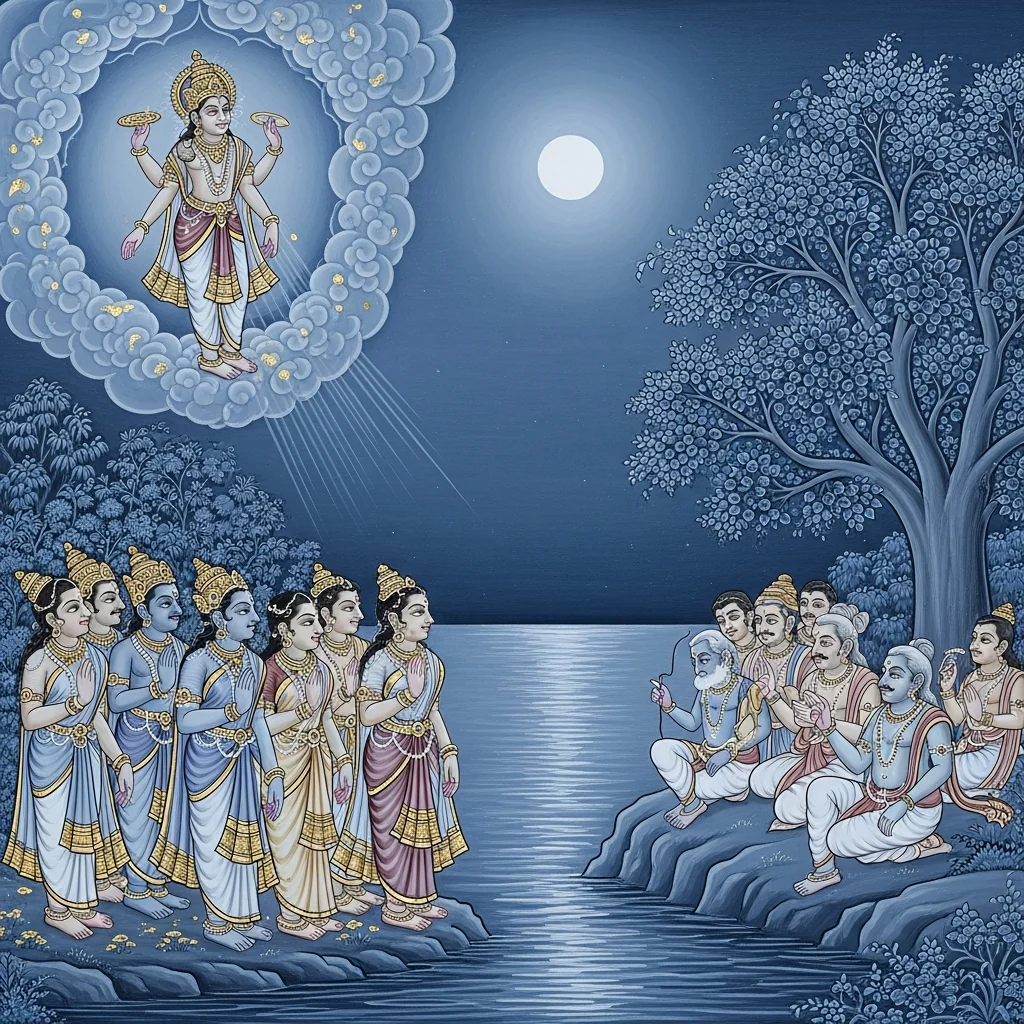
Chapter 26 unfolds the exceptional purifying power of Ghōṇa-tīrtha. Śrī Sūta declares the most auspicious time for bathing there: when Uttarā-Phālgunī coincides with the bright fortnight and the Sun enters Mīna, for then the great tīrthas—Gaṅgā and others—are said to converge at this spot. A doctrinal and ethical warning follows: those who turn away from bathing at Ghōṇa-tīrtha are portrayed through a catalogue of grave social and ritual offenses, strengthening the duty of pilgrimage and the logic of repentance. The text then shifts to redemption, listing many kinds of wrongdoing that are cleansed by bathing, drinking the water, and devoted engagement with the tīrtha, presenting it as a ritual means of moral restoration. An embedded legend (itihāsa) explains the name Tumburu-tīrtha: Devala tells Gārgya that Tumburu the Gandharva, after a household conflict leading to a curse, attains Viṣṇuloka by bathing and worshiping Veṅkaṭeśvara. The cursed wife becomes a frog living in a pippala hollow near the tīrtha until Agastya arrives, teaches pativratā-dharma, and restores her. The phalaśruti concludes that bathing at Ghōṇa-tīrtha on Paurṇamāsī yields fruits equal to great gifts and sacrifices, and that hearing this chapter grants Vājapeya-like merit and enduring Viṣṇuloka.
Shlokas
No shlokas available for this adhyaya yet.