Adhyaya 20
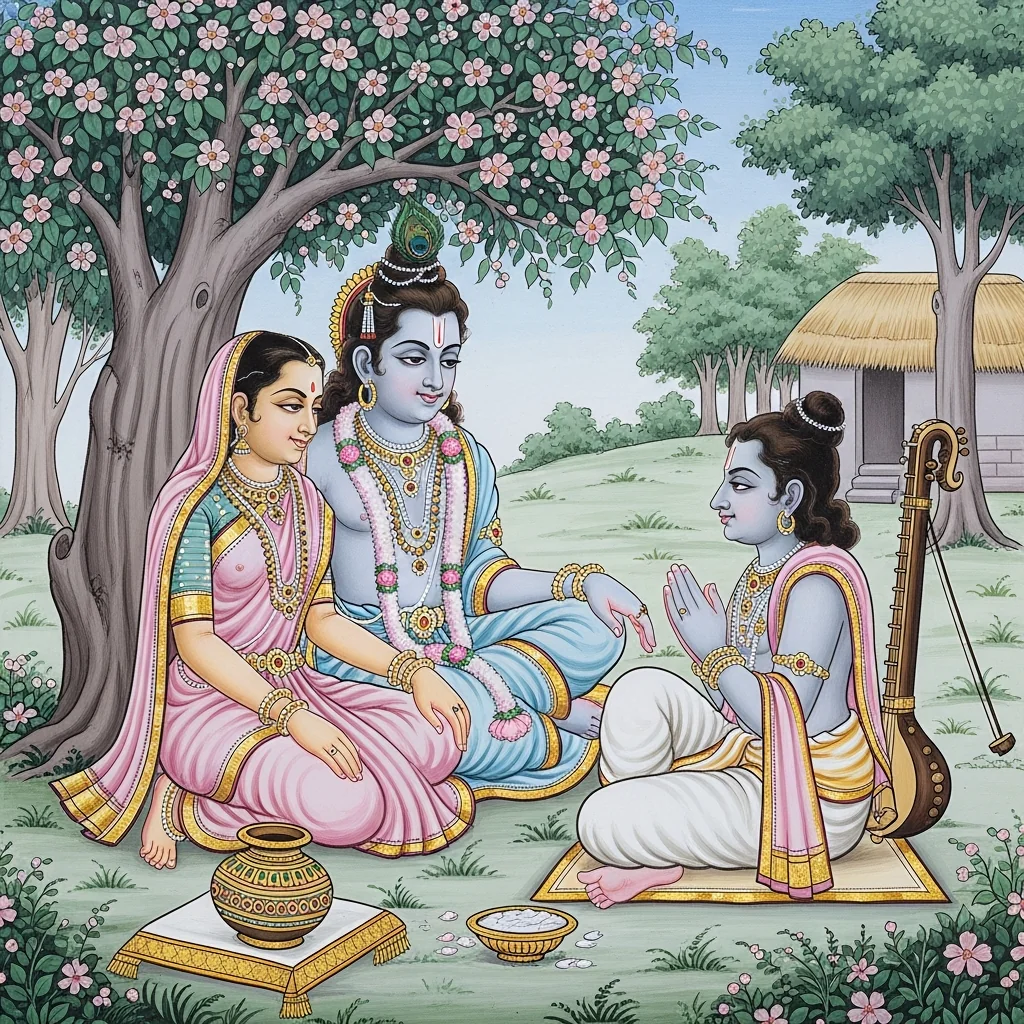
Chapter 20 begins with Nārada asking for the Lord-approved “ekānta” dharma—what always pleases Vāsudeva. Śrī Nārāyaṇa affirms the purity of Nārada’s intent and teaches this as a timeless doctrine, defining ekāntika-dharma as exclusive devotion (bhakti) to Īśvara together with Lakṣmī, upheld by svadharma, true knowledge, and detachment. Nārada then inquires into the distinct marks of svadharma and allied principles, acknowledging Nārāyaṇa as the root of all śāstra. The chapter sets forth dharma in two registers: (1) universal virtues for all people—ahiṃsā, non-hostility, truthfulness, tapas, inner and outer purity, non-stealing, restraint of the senses, avoidance of intoxicants and misconduct, Ekādaśī fasting with the yamas, observance of Hari’s birth festivals, straightforwardness, service to the good, sharing of food, and bhakti; and (2) varṇa-specific duties for brāhmaṇa, kṣatriya, vaiśya, and śūdra, including norms of livelihood and conduct in emergencies. It extols sat-saṅga as liberative, warns against keeping company with the unethical, and declares the grave consequences of harming sādhus, brāhmaṇas, and cows—honoring them as seats of sacred worth like tīrthas. The chapter closes by indicating a transition to the dharmas of the āśramas.
Shlokas
No shlokas available for this adhyaya yet.