Adhyaya 20
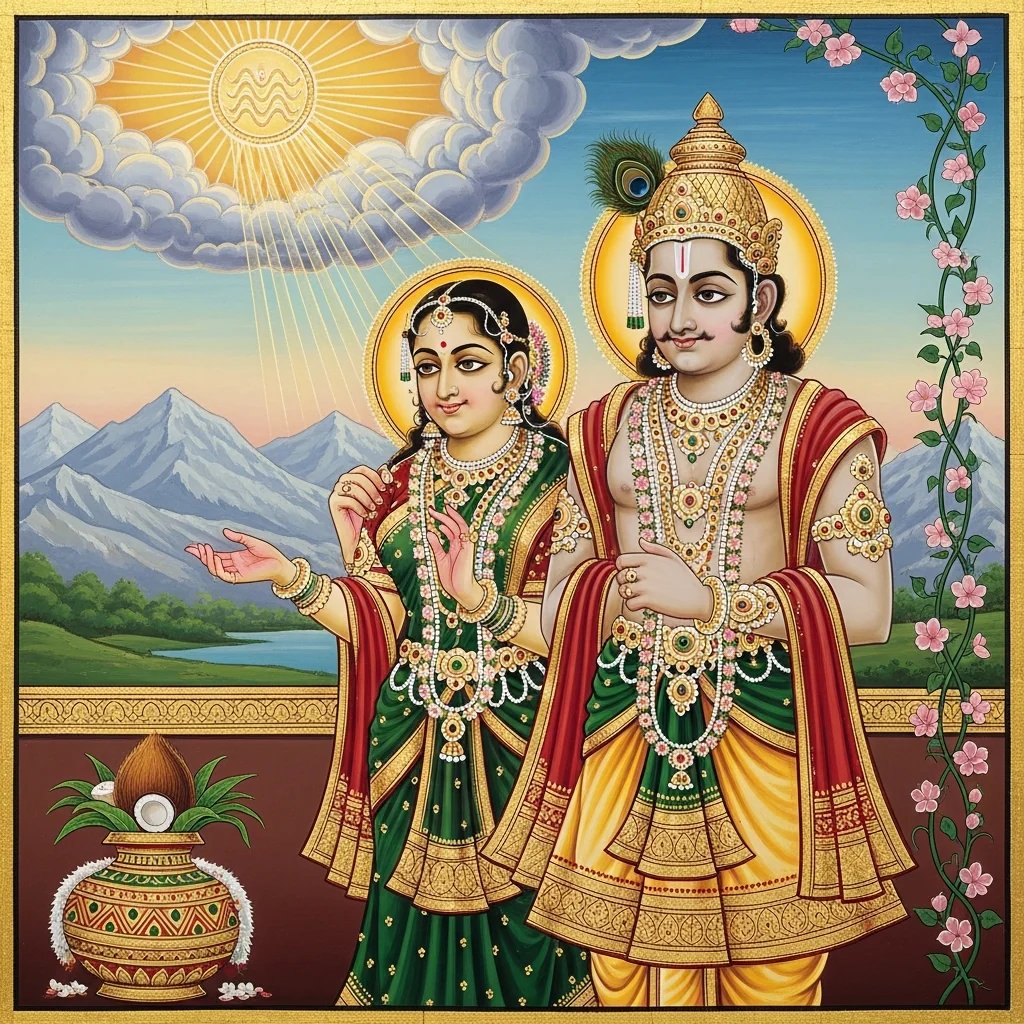
Chapter 20 begins with a question from an assembly of sages: if Brahmā, Viṣṇu, and Rudra are spoken of as possessing attributes (saguṇa), how can Īśa be both liṅga-formed and yet nirguṇa? The reply, conveyed by Sūta as Vyāsa’s teaching, draws a doctrinal line: the liṅga is the emblematic form of the nirguṇa Paramātman, whereas the manifest world is māyā-conditioned and pervaded by the three guṇas, and is therefore ultimately impermanent and perishable. The narrative then turns to sacred history. After Satī (Dākṣāyaṇī) departs through the episode of the sacrificial fire, Śiva performs intense tapas in the Himalayas, surrounded by gaṇas and attendants. In that interval asuric powers rise; Tāraka receives a boon from Brahmā with a fixed limitation—defeat only by a child—and becomes a grave threat. The devas seek guidance, and a celestial voice declares that only Śiva’s son can slay Tāraka. They approach Himavat; after deliberation with Menā, he agrees to bring forth a daughter fit for Śiva, culminating in the birth of Girijā—the re-manifestation of the supreme Śakti—amid cosmic rejoicing and renewed confidence among gods and sages.
Shlokas
Verse 1
ऋषय ऊचुः । ब्रह्मा विष्णुश्च रुद्रश्च सगुणाः कीर्तितास्त्वया । लिंगरूपी तथैवेशो निर्गुणोऽसौ कथं वद
The sages said: You have described Brahmā, Viṣṇu, and Rudra as possessed of qualities (saguṇa). Yet that same Lord, though in the form of the Liṅga, is said to be without qualities (nirguṇa)—explain how this can be.
Verse 2
त्रिभिर्गुणैर्व्याप्तमिदं चराचरं जगन्महद्व्याप्यथ वाल्पकं वा । मायामयं सर्वमिदं विभाति लिंगं विना केन कुतोविभाति
This entire universe—moving and unmoving, vast or small—is pervaded by the three guṇas. All this shines forth as māyā; without the Liṅga, the Lord’s sign and presence, by whom and how could it appear at all?
Verse 3
यद्दृश्यमानं महदल्पकं च तन्नश्वरं कृतकत्वाच्च सूत
O Sūta, whatever is seen—whether great or small—is perishable, for it is produced and bound by conditions.
Verse 4
तस्माद्विमृश्य भोः सूत संशयं छेत्तुमर्हसि । व्यासप्रसादात्सकलं जानासि त्वं न चापरः
Therefore, O Sūta, reflect well and you should dispel this doubt. By Vyāsa’s grace you know all in full; there is none other so fit to explain it.
Verse 5
सुत उवाच । व्यासेन कथितं सर्वमस्मिन्नर्थे शुकं प्रति । शुक उवाच । लिंगरूपी कथं शंभुर्निर्गुणः कथते त्वया । एतन्मे संशयं तात च्छेत्तुमर्हस्यशेषतः
Sūta said: On this matter, Vyāsa explained everything to Śuka. Śuka said: How can Śambhu, who bears the form of the Liṅga, be spoken of by you as nirguṇa, beyond qualities? Dear father, please remove this doubt of mine completely.
Verse 6
व्यास उवाच । श्रुणु वत्स ब्रवीम्येतत्पुरा प्रोक्तं च नंदिना । अगस्त्यं पृच्छमानं च येन सर्वं श्रुतं शुक
Vyāsa said: Listen, dear one—I shall tell you what Nandin taught in former times, when Agastya inquired. By that teaching, O Śuka, all was heard and understood.
Verse 7
निर्गुणं परमात्मानं विद्धि लिंगस्वरूपिणम् । परा शक्तिस्तथा ज्ञेया निर्गुणा शाश्वती सती
Know the Supreme Self (Paramātman) as beyond the guṇas, whose very form is the Liṅga. Likewise, understand the Supreme Power (Parā Śakti) as beyond the guṇas—eternal and ever-real.
Verse 8
यया कृतिमिदं सर्वं गुणत्रयविभावितम् । एतच्चराचरं विश्वं नश्वरं परमार्थतः
By her, this entire manifested creation is energized through the three guṇas. Yet this whole moving-and-unmoving universe is, in the highest truth, perishable.
Verse 9
एक एव परो ह्यात्मा लिंगरूपी निरंजनः । प्रकृत्या सह ते सर्वे त्रिगुणा विलयं गताः
The Supreme Self is one alone—stainless and taking the form of the Liṅga. Along with Prakṛti, all those three guṇas dissolve away (into Him).
Verse 10
यस्मिन्नेव ततो लिंगं लयनात्कथितं पुरा । तस्माल्लिंगे लयं प्राप्ता परा शक्तिः कुतोऽपरे
Therefore it was earlier called ‘Liṅga’ precisely because (all) dissolve into it. Since the Supreme Power (Parā Śakti) attains dissolution in that Liṅga, how much more so would other things do so?
Verse 11
लीना गुणाश्च रुद्रोक्त्या यैरिदं बद्धमेव च । चराचरं महाभाग तस्माल्लिंगं प्रपूजयेत्
The guṇas—by Rudra’s declaration—are dissolved, though by them this moving-and-unmoving world is indeed bound. Therefore, O noble one, one should worship the Liṅga with great reverence.
Verse 12
लिंगं च निर्गुणं साक्षाज्जानीध्वं भो द्रिजोतमाः । लयाल्लिंगस्य माहात्म्यं गुणानां परिकीर्त्यते
Know directly, O best of the twice-born, that the Liṅga is nirguṇa, beyond the three guṇas. And because all things dissolve (laya) into it, the greatness of the Liṅga is proclaimed, together with the teaching concerning the guṇas.
Verse 13
शंकरः सुखदाता हि उच्यमानो मनीषिभिः । सर्वो हि कथ्यते विप्राः सर्वेषामाश्रयो हि स
The sages call him “Śaṅkara” because he bestows happiness. And, O brāhmaṇas, he is called “Sarva” because he is the refuge of all.
Verse 14
शंभुर्हि कथ्यते विप्रा यस्माच्च शुभसंभवः
And, O brāhmaṇas, he is called “Śambhu” because from him arises auspiciousness and all that is good.
Verse 15
एवं सर्वाणि नामानि सार्थकानि महात्मनः । तेनावृतं जगत्सर्वं शंभुना परमेष्ठिना
Thus all the names of that Great Soul are truly meaningful. By that Śambhu—the supreme Lord—this entire world is pervaded and encompassed.
Verse 16
ऋषय ऊचुः । यदा दाक्षायणी चाग्नौ पतिता यज्ञकर्मणि । दक्षस्य च महाभागा तिरोधानगता सती
The sages said: “When Dākṣāyaṇī (Satī), Dakṣa’s daughter, fell into the sacrificial fire during the rite of yajña, and that noble Satī vanished from sight—”
Verse 17
प्रादुर्भूता कदा सूत कथ्यतां तत्त्वयाऽधुना । परा शक्तिर्महेशस्य मिलिता च कथं पुनः
“O Sūta, when did she manifest again? Tell us now in truth. And how, once more, did the Supreme Power of Maheśa unite (with him)?”
Verse 18
एतत्सर्वं महाभाग पूर्ववृत्तं च तत्त्वतः । कथनीयं च अस्माकं नान्यो वक्तास्ति कश्चन
“O greatly fortunate one, tell us all of this—what happened before—in its true essence. For us, there is no other speaker (fit to tell it).”
Verse 19
सूत उवाच । जज्ञे दाक्षायणी ब्रह्मन्विदग्धावयवा यदा । विना शक्त्या महेशोऽपि तताप परमं तपः
Sūta said: “O brāhmaṇa, when Dākṣāyaṇī—her limbs burned—had perished, even Maheśa, bereft of Śakti, undertook the highest austerity.”
Verse 20
लीलागृहीतवपुषा पर्वते हिमवद्गिरौ । भृंगिणा सह विश्वेन नंदिना च तथैव च
Assuming a form by divine play, on the mountain of Himavat, he was accompanied by Bhṛṅgī, by Viśva, and likewise by Nandin.
Verse 21
तथा चंडेन मुंडेन तथान्यैर्बहुभिर्वृतः । दशभिः कोटिगुणितैर्गणैश्च परिवारितः
And he was surrounded by Caṇḍa and Muṇḍa, and by many others—encircled by hosts of gaṇas multiplied into tens of crores.
Verse 22
गणानां चैव कोट्या च तथा षष्टिसहस्रकैः । एवं तत्र गणैर्देव आवृतो वृषभध्वजः
With a crore of gaṇas, and with sixty thousand more besides—thus, there the god Vṛṣabhadhvaja (Śiva, whose banner bears the bull) was surrounded by his hosts.
Verse 23
तपो जुषाणः सहसा महात्मा हिमालयस्याग्रगतस्तथैव । गणैर्वृतो वीरभद्रप्रधानैः स केवलो मूलविद्याविहीनः
Delighting in austerity, that great-souled one swiftly went to the forefront of the Himalaya. Surrounded by gaṇas led by Vīrabhadra, he remained alone—as if bereft of the primal knowledge (that is, without Śakti).
Verse 24
एतस्मिन्नंतरे दैत्याः प्रादुर्भूता ह्यविद्यया । विष्णुना हि बलिर्बद्धस्तथा ते वै महाबलाः
In the meantime, through ignorance, daityas manifested. Indeed, Bali had been bound by Viṣṇu—and likewise those daityas were of great might.
Verse 25
जाता दैत्यास्ततो विप्रा इंद्रोपद्रवकारकाः । कालखंजा महारौद्राः कालकायास्तथापरे
Then, O brāhmaṇas, daityas were born who caused affliction to Indra—some called Kālakhañjā, exceedingly fierce, and others called Kālakāya.
Verse 26
निवातकवचाः सर्वे रवरावकसंज्ञकाः । अन्ये च बहवो दैत्याः प्रजासंहारकारकाः
All the Nivātakavacas—also known by the name Ravārāvaka—along with many other Dānavas, became agents of destruction, bringing ruin upon living beings.
Verse 27
तारको नमुचेः पुत्रस्तपसा परमेण हि । ब्रह्माणं तोषयामास ब्रह्मा तस्य तुतोष वै
Tāraka, the son of Namuci, pleased Brahmā through supreme austerities; and Brahmā, indeed, became satisfied with him.
Verse 28
वरान्ददौ यथेष्टांश्च तारकाय दुरात्मने । वरं वृणीष्व भद्रं ते सर्वान्कामान्ददामि ते
He granted boons as desired to the wicked Tāraka, saying: “Choose a boon—may it be well with you; I shall grant you all the wishes you seek.”
Verse 29
तच्छत्वा वचनं तस्य ब्रह्मणः परमेष्ठिनः । वरयामास च तदा वरं लोकभयावहम्
Hearing those words of Brahmā, the Supreme Ordainer, he then chose a boon—one that would become a source of terror to the worlds.
Verse 30
यदि मे त्वं प्रसन्नऽसि अजरामरतां प्रभो । देहि मे यद्विजानासि अजेयत्वं तथैव च
“If you are truly pleased with me, O Lord, grant me freedom from old age and death; grant me also invincibility—whatever you deem possible to bestow.”
Verse 31
एवमुक्तस्तदा तेन तारकेण दुरात्मना । उवाच प्रहसन्वाक्यममरत्वं कुतस्तव
Thus addressed by the wicked Tāraka, Brahmā replied with a smile: “How could immortality be yours?”
Verse 32
जातस्य हि ध्रुवो मृत्युरेतज्जानीहि तत्त्वतः । प्रहस्य तारकः प्राह अजेयत्वं च देहि मे
For one who is born, death is certain—know this in truth. Then Tāraka, laughing, said: “Grant me invincibility as well.”
Verse 33
ब्रह्मोवाच तदा दैत्यजेयत्वं तवानघ । विनार्भकेण दत्तं वै ह्यर्भकस्त्वां विजेष्यते
Brahmā said: “O Daitya, blameless one, invincibility is granted to you—yet it is given with one exception: a mere child will indeed defeat you.”
Verse 34
तदा स तारकः प्राह ब्रह्माणं प्रणतः प्रभो । कृतार्थोऽहं हि देवेश प्रसादात्तव संप्रति
Then Tāraka, bowing to Brahmā, said: “O Lord, O God of gods, by your favor I am now fulfilled in my aim.”
Verse 35
एवं लब्धवरो भूत्वा तारको हि महाबलः । देवान्युद्धार्थमाहूय युयुधे तैः सहासुरः
Thus, having obtained the boon, the mighty Tāraka summoned the gods to battle, and that Asura fought against them.
Verse 36
मुचुकुन्दं समाश्रित्य देवास्ते जयिनोऽभवन् । पुनः पुनर्विकुर्वाणा देवास्ते तारकेण हि
Taking refuge in King Mucukunda, the gods became victorious. Yet again and again, those very gods were thrown into turmoil—indeed because of Tāraka.
Verse 37
मुचुकुन्दबलेनैव जयमापुःसुरास्तदा । किं कर्तव्यं हि चास्माकं युध्यमानैर्निरंतरम्
By Mucukunda’s strength alone, the gods then attained victory. Yet as we fight without pause, what indeed should we do now?
Verse 38
भवितव्यमिति स्मृत्वा गतास्ते ब्रह्मणः पदम् । ब्रह्मणश्चाग्रतो भूत्वा ह्यब्रुवंस्ते सवासवाः
Remembering, “So it must be,” they went to the abode of Brahmā. Standing before Brahmā, those gods—together with Indra—spoke.
Verse 39
देवा ऊचूः । बलिना सह पातालमास्तेऽसौ मधुसूदनः । विष्णुं विना हि ते सर्वे वृषाद्याः पतिताः परैः
The gods said: “That Madhusūdana (Viṣṇu) dwells in Pātāla along with Bali. Without Viṣṇu, indeed, all of us—beginning with Vṛṣa—have been struck down by our foes.”
Verse 40
दैत्येंद्रैश्च महाभाग त्रातुमर्हसि नः प्रभो । तदा नभोगता वाणी ह्युवाच परिसांत्व्य वै
“O greatly fortunate Lord, you should rescue us from the lords of the Dānavas.” Then a voice from the sky spoke, truly consoling them.
Verse 41
हे देवाः क्रियतामाशु मम वाक्यं हि तत्त्वतः । शिवात्मजो यदा देवा भविष्यति महाबलः
“O gods, carry out my word swiftly and in truth: when the son of Śiva comes to be—O gods—he will be of great power.”
Verse 42
युद्धे पुनस्तारकं च वधिष्यति न संशयः । येनोपायेन भगवाञ्छंभुः सर्वगुहाशयः
In battle he will surely slay Tāraka—of this there is no doubt. By whatever means one may draw near and propitiate the Blessed Śambhu, who abides in the secret recess of every heart…
Verse 43
दारापरिग्रही देवास्तथा नीतिर्विधीयताम् । क्रियतां च परो यत्नो भवद्भिर्नान्यथा वचः
O gods, let Śiva be one who accepts a consort—thus let the proper course be set in order. And exert your highest effort; my word is not otherwise.
Verse 44
यूयं देवा विजानीध्वमित्युवाचाशरीरवाक् । परं विस्मयमापन्ना ऊचुर्देवाः परस्परम्
“You gods should understand (and act accordingly),” said the bodiless voice. Struck with great astonishment, the gods spoke among themselves.
Verse 45
श्रुत्वा नभोगतां वाणीमाजग्मुस्ते हिमालयम् । बृहस्पतिं पुरस्कृत्य सर्वे देवा वचोऽब्रुवन्
Having heard that heavenly voice, they went to the Himālaya. With Bṛhaspati set at their head, all the gods spoke forth their petition.
Verse 46
हिमालयं महाभागाः सर्वे कार्यार्थगौरवात् । हिमालय महाभाग श्रूयतां नोऽधुना वचः
Out of the gravity of their divine task, all the fortunate ones approached Himālaya and said: “O blessed Himālaya, please listen now to our words.”
Verse 47
तारकस्त्रासयत्यस्मान्साहाय्यं तद्वधे कुरु । त्वं शरण्यो भवास्माकं सर्वेषां च तपस्विनाम् । तस्मात्सर्वे वयं याता महेंद्रसहिता विभो
“Tāraka terrifies us; grant your aid for his slaying. Become a refuge for us and for all the ascetics. Therefore we have all come—together with Mahendra (Indra)—O mighty one.”
Verse 48
लोमश उवाच । एवमभ्यर्थितो देवैर्हिमवान्गिरिसत्तमः । उवाच देवान्प्रहसन्वाक्यं वाक्यविदां वरः
Lomaśa said: Thus petitioned by the Devas, Himavān—the best of mountains—smilingly addressed them in words, he who is foremost among those skilled in speech.
Verse 49
महेन्द्र मुद्दिश्य तदा ह्युपहाससमन्वितः । अक्षमाश्च वयं सर्वे महेन्द्रेण कृताः सुराः
Then, with a tone of gentle mockery as he looked toward Mahendra (Indra), he said: “We all, the gods, have been rendered incapable—made so by Mahendra.”
Verse 50
किं कुर्मः सुरकार्यं च तारकस्य वधं प्रति । पक्षयुक्ता वयं सर्वे यदि स्याम सुरोत्तमाः
“What can we do about the gods’ task—namely, the slaying of Tāraka—if we all lack support and alliance, even though we are deemed the best of the gods?”
Verse 51
तदा वयं घातयामस्तारकं सह बांधवैः । अचलोहं विपक्षश्च किं कार्यं करवाणि व
“If we truly had the needed support, we would strike down Tāraka along with his kinsmen. But I am a mountain—immovable—and (in this matter) set against the opposing side; what action can I really perform?”
Verse 52
तस्य तद्वचनं श्रुत्वा सर्वे देवास्तमब्रुवन् । सर्वे यूयं वयं चैव असमर्था वधं प्रति । तारकस्य महाभाग एतत्कार्यं विचंत्यताम्
Hearing his words, all the Devas replied: “As matters stand, both you and we are unable to bring about Tāraka’s slaying. O noble one, let this task be pondered well—how it may be accomplished.”
Verse 53
येन साध्यो भवेच्छत्रुस्तारको हि महाबलः । तदोवाच महातेजा हिमवान्स सुरान्प्रति
“By what means may the enemy Tāraka—truly of great might—be brought to defeat?” Then the radiant Himavān spoke to the Devas.
Verse 54
केनोपायेन भो देवास्तारकं हंतुमिच्छथ । कथयंतुत्वरेणैव कार्यं वेत्तुं ममैव हि
“By what method, O Devas, do you wish to slay Tāraka? Tell me quickly, for I must understand the matter at once.”
Verse 55
तदा सुरैः कथितं सर्वमेतद्वाण्या चोक्तं यत्पुरा कार्यहेतोः । श्रुतं तदा गिरिणा वाक्यमेत हिमवान्पर्वतो हि
Then the Devas related all of this, recounting also what Vāṇī (Sarasvatī, Divine Speech) had spoken earlier for the sake of the heavenly task. Thereupon Himavān, the mountain, heard these words.
Verse 56
शिवस्य पुत्रेण च धीमता यदा वध्यो दैत्यस्तारको वै महात्मा । तदा सर्वं सुरगकार्यं शुभंस्याद्वाण्या चोक्तं सत्यमेतद्भवेच्च
“When the great demon Tāraka is slain by the wise son of Śiva, then every undertaking of the gods will become auspicious. Thus has Vāṇī, Divine Speech, declared—and it shall indeed come to pass.”
Verse 57
तस्मात्तदेनत्क्रियतां भवद्भिर्यथा महेशः कुरुते परिग्रहम् । कन्या यथा तस्य शिवस्य योग्या निरीक्ष्यतामाशु सुरैरिदानीम्
Therefore do this: arrange matters so that Maheśa (Mahādeva) may accept a bride. Let the gods, even now, quickly seek a maiden worthy of that Śiva.
Verse 58
तस्य तद्वचनं श्रुत्वा प्रहस्योचुः सुरास्तदा । जनितव्या त्वया कन्या शिवार्थं कार्यसिद्धये
Hearing his words, the gods smiled and said: “A daughter must be born to you, for Śiva’s sake, so that the intended task may be fulfilled.”
Verse 59
सुराणां च गिरे वाक्यं कुरु शीघ्रं महामते । आधारस्त्वं तु देवानां भविष्यसि न संशयः
O great-minded Mountain, swiftly carry out the gods’ words. You shall become a support of the devas—of this there is no doubt.
Verse 60
इत्युक्तो गिरिराजोऽथ देवैः स्वगृहमामाविशत् । पत्नीं मेनां च पप्रच्छ सुकार्यं समागतम्
Thus addressed by the gods, the king of mountains entered his own abode. He asked his wife Menā about the auspicious task that had come to them.
Verse 61
जनितव्या सुकन्यैका सुरकार्यार्थसिद्धये । देवानां च ऋषीणां च तथैव च तपस्विनाम्
One virtuous daughter must be born for the fulfillment of the gods’ purpose—and likewise for the sake of the devas, the seers (ṛṣis), and the ascetics.
Verse 62
प्रियं न भवति स्त्रीणां कन्याजननसेव च । तथापि जनितव्या च कन्यैका च वरानने
For women, the bearing and raising of a daughter is often not deemed pleasing. Yet even so, O fair-faced one, a single daughter must indeed be born.
Verse 63
प्रहस्य मेना प्रोवाच स्वपतिं च हिमालयम् । यदुक्तं भवता वाक्यं श्रूयतां मे त्वयाऽधुना
Smiling, Menā spoke to her husband Himālaya: “Now listen to me regarding the words you have spoken.”
Verse 64
कन्या सदा दुःखकरी नृणां पते स्त्रीणां तथा शोककरी महामते । तस्माद्विमृश्य सुचिरं स्वयमेव बुद्ध्या यथा हितं शैलपते तदुच्यताम्
“A daughter,” O lord among men, “is ever a cause of hardship; and for women as well, she becomes a cause of sorrow, O great-minded one. Therefore reflect for a long time with your own discernment, O lord of mountains, and then speak what is truly beneficial.”
Verse 65
हिमवांस्तदुपश्रुत्या प्रियाया वचनं तदा । उवाच वाक्यं मेधावी परोपकरणान्वितम्
Himavān, having heard the words of his beloved, then spoke—wise and endowed with the intention to benefit others.
Verse 66
येनयेन प्रकारेण परेषामुपजीवनम् । भविष्यति च तत्कार्यं धीमता पुरुषेण हि
In whatever manner the livelihood and support of others can be secured, that very work should indeed be undertaken by a wise person.
Verse 67
स्त्रियापि चैव तत्कार्यं परोपकरणान्वितम् । एवं प्रवर्तिता तेन गिरिणा महिषी तदा । दधार जठरे कन्यां मेना भाग्यवती तदा
That very duty of aiding others is to be performed even by a woman. Thus guided and set upon that path by the Mountain, Himavān, his queen—fortunate Menā—then conceived a daughter within her womb.
Verse 68
महाविद्या महामाया महामेधास्वरूपिणी । रुद्रकाली च अंबा च सती दाक्षायणी परा
She is Great Wisdom (Mahāvidyā), Great Illusion (Mahāmāyā), the very embodiment of supreme intelligence; she is Rudrakālī, and also Ambā—Satī, the transcendent Dākṣāyaṇī.
Verse 69
तां विभूतिं विशालाक्षी जठरे परमां सती । बभार सा महाभागा मेना चारुविलोचना
Menā, most fortunate, wide-eyed and fair-eyed, carried within her womb that supreme splendor—the highest Satī.
Verse 70
स्तुतिं चक्रुस्तदा देवा ऋषयो यक्षकिन्नराः । मेनाया भूरिभाग्यायास्तथा हिमवतो गिरेः
Then the gods, the sages, and the Yakṣas and Kinnaras offered praise, celebrating the abundant good fortune of Menā and of Himavān, the Mountain.
Verse 71
एतस्मिन्नंतरे जाता गिरिजा नाम नामतः । प्रादुर्भूता यदा देवी सर्वेषां च सुखप्रदा
In the meantime she was born, and by name was called “Girijā”. When the Goddess thus manifested, she became a bestower of happiness to all.
Verse 72
देवदुंदुभयो नेदुर्ननृतुश्चाप्सरोगणाः । जगुर्गंधर्वपतयो ननृतुश्चाप्सरोगणाः
Divine kettledrums resounded; hosts of Apsarases danced. The leaders of the Gandharvas sang, and again the Apsarases danced.
Verse 73
पुष्पवर्षेण महता ववृषुर्विबुधास्तथा । तदा प्रसन्नमभवत्सर्वं त्रैलोक्यमेव च
And the celestials rained down a great shower of flowers. Then indeed all the three worlds became serene and joyful.
Verse 74
यदावतीर्णा गिरिजा महासती तदैव दैत्या भयमाविशंस्ते । प्राप्ता मुदं देवगणा महर्षयः सचारणाः सिद्धगणास्तथैव
When Girijā, the great Satī, descended, at that very moment the Daityas were seized by fear; while the hosts of gods and the great sages—together with the Cāraṇas and the Siddha-groups—were filled with joy.