Adhyaya 11
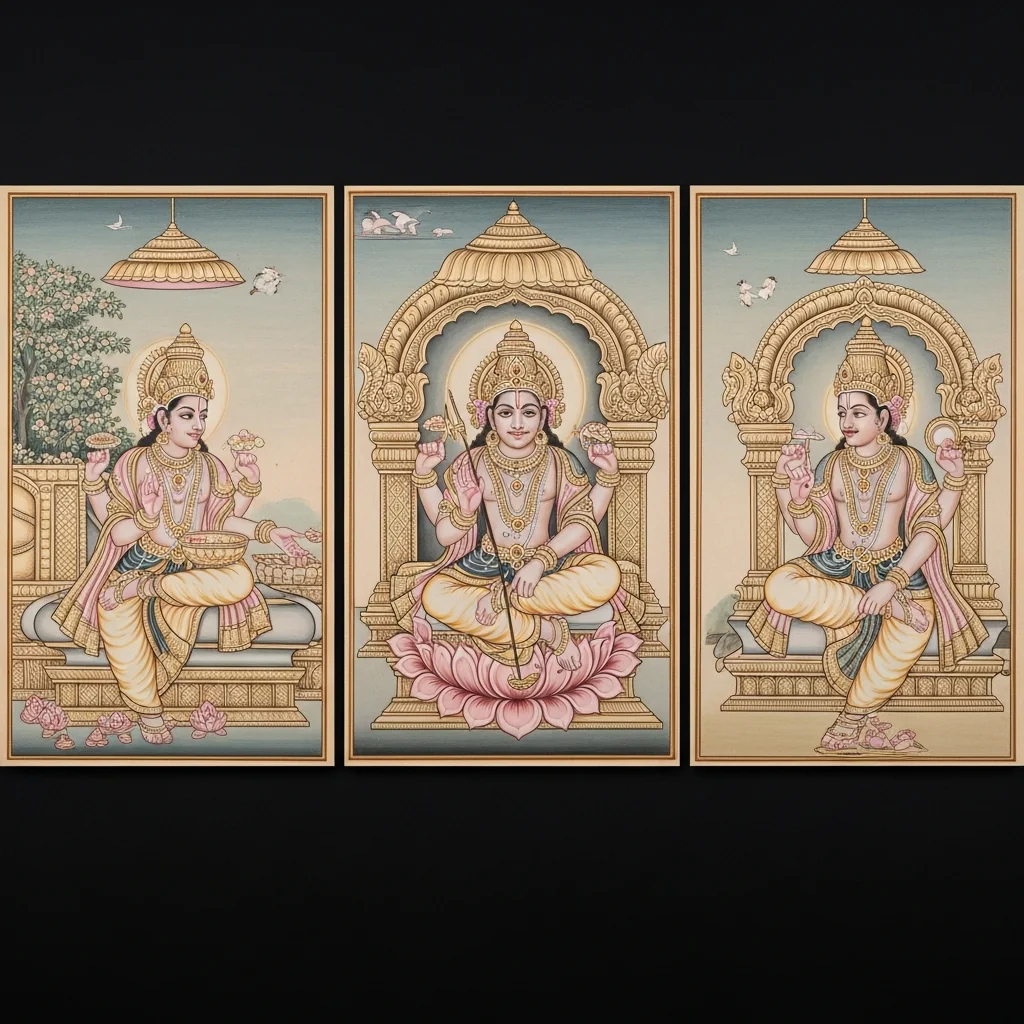
The chapter is framed as a retrospective theological and ethical account spoken by Kūrma to King Indradyumna. It opens with a childhood memory: as the brāhmaṇa Śāṇḍilya, the speaker builds a rain-season Śiva shrine of sand and clay in a pañcāyatana arrangement, and worships the liṅga with flowers, song, and dance in heartfelt devotion. The narrative then moves across successive births, praising steadfast Śiva-bhakti, initiation (dīkṣā), and temple-building as supreme merits, reinforced by phala-statements on the rewards of constructing Śiva’s abodes in various materials. A decisive reversal follows: after receiving the extraordinary boon of agelessness, the devotee-turned-king Jayadatta becomes ethically careless and violates dharma by pursuing others’ spouses, which the text names as the chief cause for the collapse of lifespan, austerity, fame, and prosperity. Yama appeals to Śiva over this disruption of dharma, and Śiva responds with a curse that makes the offender a tortoise (kūrma), while also appointing release in a future kalpa. The chapter weaves in cosmological memory—yajña-related burn marks on the tortoise’s back—along with tīrtha-like purifying references, and ends with Indradyumna’s resolve toward discernment and renunciation as he seeks instruction from the long-lived sage Lomaśa, affirming satsanga as superior even to tīrtha.
Shlokas
Verse 1
कूर्म उवाच । शांडिल्य इति विख्यातः पुराहमभवं द्विजः । बालभावे मया भूप क्रीडमानेन निर्मितम्
Kūrma said: Formerly I was a twice-born brāhmaṇa, renowned by the name Śāṇḍilya. O King, in my childhood, while I was at play, I fashioned something with my own hands.
Verse 2
पुरा प्रावृषि पांशूत्थं शिवायतनमुच्छ्रितम् । जलार्द्रवालुकाप्रायं प्रांशुप्राकारशोभितम्
Long ago, in the rainy season, I raised a Śiva-shrine of earth and dust—made mostly of sand moistened by water—beautified by a lofty enclosing wall.
Verse 3
पंचायतनविन्यासमनोहरतरं नृप । विनायकशिवासूर्यमधुसूदनमूर्तिमत्
O King, it was made still more charming by a pañcāyatana arrangement, bearing the forms of Vināyaka, Śiva, the Sun, and Madhusūdana (Viṣṇu).
Verse 4
पीतमृत्स्वर्णकलशं ध्वजमालाविभूषितम् । काष्ठतोरणविन्यस्तं दोलकेन विभूषितम्
It bore a golden-yellow earthen kalaśa at its summit, adorned with flags and garlands; a wooden toraṇa gateway-arch was set in place, and it was further ornamented with a swing.
Verse 5
दृढप्रांशुसमुद्भूतसोपानश्रेणिभासुरम् । सर्वाश्चर्यमयं दिव्यं वयस्यैः संवृतेन मे
It shone with a firm and lofty flight of steps, rising tier upon tier. That little divine shrine was a marvel in every way, as I stood surrounded by my companions.
Verse 6
तत्र जागेश्वरं लिंगं गृत्वाथ विनिवेशितम् । बाल्यादुपलरूपं तद्वर्षावारिविशुद्विमत्
There I took a liṅga named Jāgeśvara and duly installed it. From my childhood it had been stone in form, and it bore the purity bestowed by rain-water.
Verse 7
बकपुष्पैस्तथान्यैश्च केदारोत्थैः समाहृतैः । कोमलैरपरैः पुष्पैर्वृतिवल्लीसमुद्भवैः
With bakā-flowers and other blossoms gathered from the fields, and with tender flowers sprung from creeping vines, I offered worship there.
Verse 8
कूष्मांडैश्चैव वर्णाद्यैरुन्मत्तकुसुमायुतैः । मंदारैर्बिल्वपत्रैश्च दूर्वाद्यैश्च नवांकुरैः
I worshiped as well with kūṣmāṇḍa blossoms and other colorful flowers, with clusters of unmattaka blooms; with mandāra flowers, bilva leaves, and with dūrvā and other fresh sprouts.
Verse 9
पूजा विरचिता रम्या शंभोरिति मया नृप । ततस्तांडवमारब्धमनपेक्षितसत्क्रियम्
O King, once I arranged a delightful worship of Śambhu. Then I began the tāṇḍava-dance, without waiting for any formal courtesies or ritual proprieties.
Verse 10
शिवस्य पुरतो बाल्याद्गीतं च स्वस्वर्जितम् । अकार्षं सकृदेवाहं बाल्ये शिशुगणावृतः
From childhood, in Śiva’s very presence, I once sang a song in my own voice; as a boy, surrounded by a group of children, I did so only that one time.
Verse 11
ततो मृतोऽहं जातश्च विप्रो जातिस्मरो नृप । वैदिशे नगरेऽकार्षं शिवपूजां विशेषतः
Then I died and was born again as a brāhmaṇa, retaining memory of my former birth, O King. In the city of Vidiśā I performed Śiva-worship with special devotion.
Verse 12
शिवदीक्षामुपागम्यानुगृहीतः शिवागमैः । शिवप्रासाद आधाय लिंगं श्रद्धासमन्वितः
Having received Śiva-initiation and being blessed through the Śaiva Āgamas, I established a temple of Śiva and installed a liṅga with steadfast faith.
Verse 13
कल्पकोटिं वसेत्स्वर्गेयः करोति शिवालयम् । यावंति परमाणूनि शिवस्यायतने नृप
He who builds a Śiva-temple dwells in heaven for ten million kalpas; for as many years as there are atoms within Śiva’s sanctuary, O King.
Verse 14
भवंति तावद्वर्षाणि करकः शिवसद्मनि । इति पौराणवाक्यानि स्मरञ्छैलं शिवालयम्
So many years does the maker of the shrine remain connected with Śiva’s abode. Remembering these Purāṇic declarations, I built a stone Śiva-temple.
Verse 15
अकारिषमहं रम्यं विश्वकर्मविधानतः । मृन्मयं काष्ठनिष्पन्नं पाक्वेष्टं शैलमेव वा
Following the proper craft-rules of Viśvakarman, I caused a beautiful shrine to be made—of clay, of wood, of baked bricks, or even of stone.
Verse 16
कृतमायतनं दद्यात्क्रमाद्दशगुणं फलम् । भस्मशायी त्रिषवणो भिक्षान्नकृतभोजनः
If one donates a completed shrine, the fruit increases tenfold in due order. (Living as an ascetic,) he lies upon ashes, worships at the three daily junctions, and eats only food obtained by alms.
Verse 17
जटाधरस्तपस्यंश्च शिवाराधनतत्परः । इत्थं मे कुर्वतो जातं पुनर्भूप प्रमापणम्
Wearing matted locks, practicing austerity, and devoted to the worship of Śiva—while I lived in this way, O King, death came to me once again.
Verse 18
जातो जाति स्मरस्तत्र कारिता तृतीयेहं भवांतरे । सार्वभौमो महीपालः प्रतिष्ठाने पुरोत्तमे
There I was born again, still remembering former births; thus, in a third subsequent existence, I became a sovereign king at Pratiṣṭhāna, that excellent city.
Verse 19
जयदत्त इति ख्यातः सूर्यवंशसमुद्भवः । ततो मया बहुविधाः प्रासादाः कारिता नृप
I was renowned by the name Jayadatta, born in the Solar dynasty. Thereafter, O king, I caused many kinds of palatial shrines to be built.
Verse 20
तस्मिन्भवांतरे शंभोराराधनपरेण च । ततो निरूपिता जाता बकपुष्पपुरस्सराः
In that former birth, devoted to the worship of Śambhu, the rites were duly arranged, led foremost by offerings of bakā-flowers.
Verse 21
सौवर्णै राजतै रत्ननिर्मितैः कुसुमैर्नृप । तथाविधेऽन्नदानादि करोमि नृपसत्तम
O king—best of rulers—using flowers fashioned of gold, silver, and gems, I performed offerings and charities such as the gift of food, in that very manner.
Verse 22
केवलं शिवलिंगानां पूजां पुष्पैः करोम्यहम् । ततो मे भगवाञ्छंभुः संतुष्टोऽथ वरं ददौ
I worshiped only the Śiva-liṅgas with flowers. Thereupon the Lord Śambhu, pleased with me, granted a boon.
Verse 23
अजरामरतां राजंस्तेनैव वपुषावृतः । ततस्तथाविधं प्राप्यानन्यसाधारणं वरम्
O king, I was endowed with freedom from old age and death, clothed in that very body. Having obtained such an extraordinary, unequalled boon,
Verse 24
विचरामि महीमेतां मदांध इव वारणः । शिवभक्तिं विहायाथ नृपोऽहं मदनातुरः
I roamed across this earth like an elephant blinded by intoxication; abandoning devotion to Śiva, I—though a king—was tormented by desire.
Verse 25
प्रधर्षयितुमारब्धः स्त्रियः परपरिग्रहाः । आयुषस्तपसः कीर्तेस्तेजसो यशसः श्रियः
I began to violate women who belonged to others. Thereby, lifespan, austerity, fame, splendor, reputation, and prosperity—
Verse 26
विनाशकारणं मुख्यं परदारप्रधर्षणम् । सकर्णः श्रुतिहीनोऽसौ पश्यन्नंधो वदञ्जडः
The foremost cause of ruin is the violation of another man’s wife. Though having ears, he is as if deaf; though seeing, he is blind; though speaking, he is foolish.
Verse 27
अचेतनश्चेतनावान्मूर्खो विद्वानपि स्फुटम् । तदा भवति भूपाल पुरुषः क्षणमात्रतः
O king, then a man becomes—plainly—senseless though conscious, and foolish though learned, all in a single moment.
Verse 28
यदैव हरिणाक्षीणां गोचरं याति चक्षुषाम् । मृतस्य निरये वासो जीवतश्चेश्वराद्भयम्
The very moment one comes within the gaze of doe-eyed women, for the dead there is dwelling in hell; and for the living, there is fear of the Lord.
Verse 29
एवं लोकद्वयं हंत्री परदारप्रधर्षणा । जरामरणहीनोहमिति निश्चयमास्थितः
Thus, through the violation of another’s wife, he became a destroyer of both worlds. He then settled into the delusion, “I am free from old age and death,” and held that conviction firmly.
Verse 30
ऐहिकामुष्मिकभयं विहायांह ततः परम् । प्रधर्षयितुमारब्धस्तदा भूप परस्त्रियः
Casting aside fear of consequences in this world and the next, he then, O King, began to outrage the wives of others.
Verse 31
अथ मां संपरिज्ञाय मर्यादारहितं यमः । वरप्रदानादीशस्य तदंतिकसुपाययौ । व्यजिज्ञपन्मदीयं च शंभोर्धर्मव्यतिक्रमम्
Then Yama, recognizing me as one who had overstepped all bounds, approached the Lord who grants boons and reported to Śambhu both my condition and my transgression of dharma.
Verse 32
यम उवाच । नाहं तवानुभावेन गुप्तस्यास्य विनिग्रहम्
Yama said: “Because he is protected by the power of Your majesty, I am not able to restrain or punish this one.”
Verse 33
शक्रोमि पापिनो देव मन्नियोगेऽन्यमादिश । जगदाधारूपा हि त्वयेशोक्ताः पतिव्रताः
“O God, I am unable to deal with this sinner; command someone else under my authority. For the pativratā women, declared by You, O Lord, are indeed the very support of the world.”
Verse 34
गावो विप्राः सनिगमा अलुब्धा दानशीलिनः । सत्यनिष्ठा इति स्वामिंस्तेषां मुख्यतमा सती
“Cows, Brahmins, the Vedas and their tradition, the ungreedy, the charitable, and those established in truth—O Lord, among these, the most eminent is the chaste and faithful wife (Satī).”
Verse 35
तास्तेन धर्षिता लुप्तं मदीयं धर्मशासनम् । वरदानप्रमत्तेन तवैव परिभूय माम्
Those women have been violated by him; my governance of dharma has been eclipsed—because he is intoxicated by the boon You granted, he has even scorned me.
Verse 36
जयदत्तेन देवेश प्रतिष्ठानाधिवासिना । इमां धर्मस्य भगवान्गिरमाकर्ण्य कोपितः । शशाप मां समानीय वेपमानं कृतांजलिम्
O Lord of gods, when the blessed Lord heard this statement of Dharma from Jayadatta, a resident of Pratiṣṭhāna, He became enraged; summoning me—trembling, with folded hands—He pronounced a curse.
Verse 37
ईश्वर उवाच । यस्माद्दुष्टसमाचार धर्षितास्ते पतिव्रताः
Īśvara said: “Since you, of wicked conduct, have violated those pativratā women—”
Verse 38
कामार्तेन मया शप्तस्तस्मात्कूर्मः क्षणाद्भव । ततः प्रणम्य विज्ञप्तः शापतापहरो मया
“Afflicted by lust, you were cursed by Me; therefore, become a tortoise in an instant.” Then, bowing down, he petitioned (Me), and I became the remover of the burning pain of that curse.
Verse 39
प्राह षष्टितमे कल्पे विशापो भविता गणः । मदीय इति संप्रोच्य जगामादर्शनं शिवः
Śiva declared: “In the sixtieth kalpa, this attendant (gaṇa) shall become free from the curse.” Saying, “He is Mine,” Śiva then vanished from sight.
Verse 40
अहं कूर्मस्तदा जातो दशयोजनविस्तृतः । समुद्रसलिले नीतस्त्वयाहं यज्ञसाधने
At that time I was born as Kūrma, the tortoise, ten yojanas in breadth. You led me into the waters of the ocean for the accomplishment of the sacred sacrifice (yajña).
Verse 41
पुरस्ताद्यायजूकेन स्मरंस्तच्च बिभेमि ते । दग्धस्त्वयाहं पृष्ठेत्र व्रणान्येतानि पश्य मे
Recalling that former rite performed by you, I still fear you. You burned me upon my back—behold these wounds upon me.
Verse 42
चयनानि बहून्यत्र कल्पसूत्रविधानतः । पृष्ठोपरि कृतान्यासन्निंद्रद्युम्न तदा त्वया
Here many altar-constructions (cayana) were made according to the injunctions of the Kalpa-sūtras; and, O Indradyumna, at that time you built them upon my back.
Verse 43
भूयः संतापिता यज्ञैः पृथिवी पृथिवीपते । सुस्राव सर्वतीर्थानां सारं साऽभून्महीनदी
Again the Earth was scorched by sacrifices, O lord of the earth. Then she caused to flow the very essence of all holy fords (tīrthas), becoming the river called Mahīnadī.
Verse 44
तस्यां च स्नानमात्रेण सर्वपापैः प्रमुच्यते । ततो नैमित्तिके कस्मिन्नपि प्रलय आगतः
And by merely bathing in her, one is released from all sins. Thereafter, during a certain occasional (naimittika) dissolution, a pralaya came to pass.
Verse 45
प्लवमानमिदं राजन्मानसं शतयोजनम् । षट्पंचाशत्प्रमाणेन कल्पा मम पुरा नृप
O king, this Mānasa drifts and moves about, measuring a hundred yojanas. Formerly, O ruler, my kalpas were reckoned by a measure of fifty-six.
Verse 46
व्यतीता इह चत्वारः शेषे मोक्षस्ततः परम् । एवमायुरिदं दीर्घमेवं शापाच्च कूर्मता
Here, four periods have passed; in what remains, liberation (moksha) comes thereafter. Thus this lifespan is prolonged—thus, because of the curse, is my tortoise-state.
Verse 47
ममाभूदीश्वरस्यैव सतीधर्मद्रुहो नृप । ब्रूहि किं क्रियतां शत्रोरपि ते गृहगामिनः
O king, I—belonging to the Lord—became one who wronged the dharma of the virtuous. Tell me: what should be done even toward your enemy who comes to your house?
Verse 48
मम पृष्ठिश्चिरं भूप त्वया दग्धाग्निनाऽपुरा । अहं ज्वलंतीमिव तां पश्याम्यद्यापि सत्रिणा
O king, long ago my back was burned by you with fire. Even today, though engaged in sacrificial rites, I still see it as though it were blazing.
Verse 49
इदं विमानमायातं त्वया कस्मान्निराकृतम् । देवदूतसमायुक्तं भुंक्ष्व भोगान्निजार्जितान्
Why have you rejected this heavenly chariot that has come for you, attended by the messengers of the gods? Enjoy the delights you have earned by your own merits.
Verse 50
इंद्रद्युम्न उवाच । चतुर्मुखेन तेनाहं स्वर्गान्निर्वासितः स्वयम् । विलक्ष्योन प्रयास्यामि पाताधिक्यादिदूषिते
Indradyumna said: “By that four-faced one (Brahmā) I myself have been cast out of heaven. Disgraced, I will not go to that place—tainted by the dominance of downfall and the like.”
Verse 51
तस्माद्विवेकवैराग्यमविद्यापापनाशनम् । आलिंग्याहं यतिष्यामि प्राप्य बोधं विमुक्तये
“Therefore I will embrace discernment and dispassion—destroyers of ignorance and sin—and strive to attain awakening for the sake of liberation.”
Verse 52
तन्मे गृहगतस्याद्य यथातिथ्यकरो भवान् । तदादिश यथाऽपारपारदः कोपि मे गुरुः
“Since you have come to my home today and honored me as a guest, instruct me now—so that some guru may enable me to cross beyond the boundless ocean of saṃsāra.”
Verse 53
कूर्म उवाच । लोमशोनाम दीर्घायुर्मत्तोऽप्यस्ति महामुनिः । मया कलापग्रामे स पूर्वं दृष्टः क्वचिन्नृप
Kūrma said: “There is a great sage named Lomaśa, long-lived—indeed even longer-lived than I. I once saw him in the village of Kalāpa, O king.”
Verse 54
इंद्रद्युम्न उवाच । तस्मादागच्छ गच्छामस्तमेव सहितावयम् । प्राहुः पूततमां तीर्थादपि सत्संगतिं बुधाः
Indradyumna said: “Then come—let us go together to him. The wise declare that holy company (satsaṅga) is even more purifying than a tīrtha.”
Verse 55
इत्थं निशम्य नृपतेर्वचनं तदानीं सर्वेऽपि ते षडथ तं मुनिमुख्यमाशु । चित्ते विधाय मुदिताः प्रययुर्द्विजेंद्रं जिज्ञासवः सुचिरजीवितहेतुमस्य
Having thus heard the king’s words at that time, all six of them quickly set out for that foremost of sages. Joyful at heart, they went to the best of brāhmaṇas, eager to learn from him the cause of his exceptionally long life.