Adhyaya 357
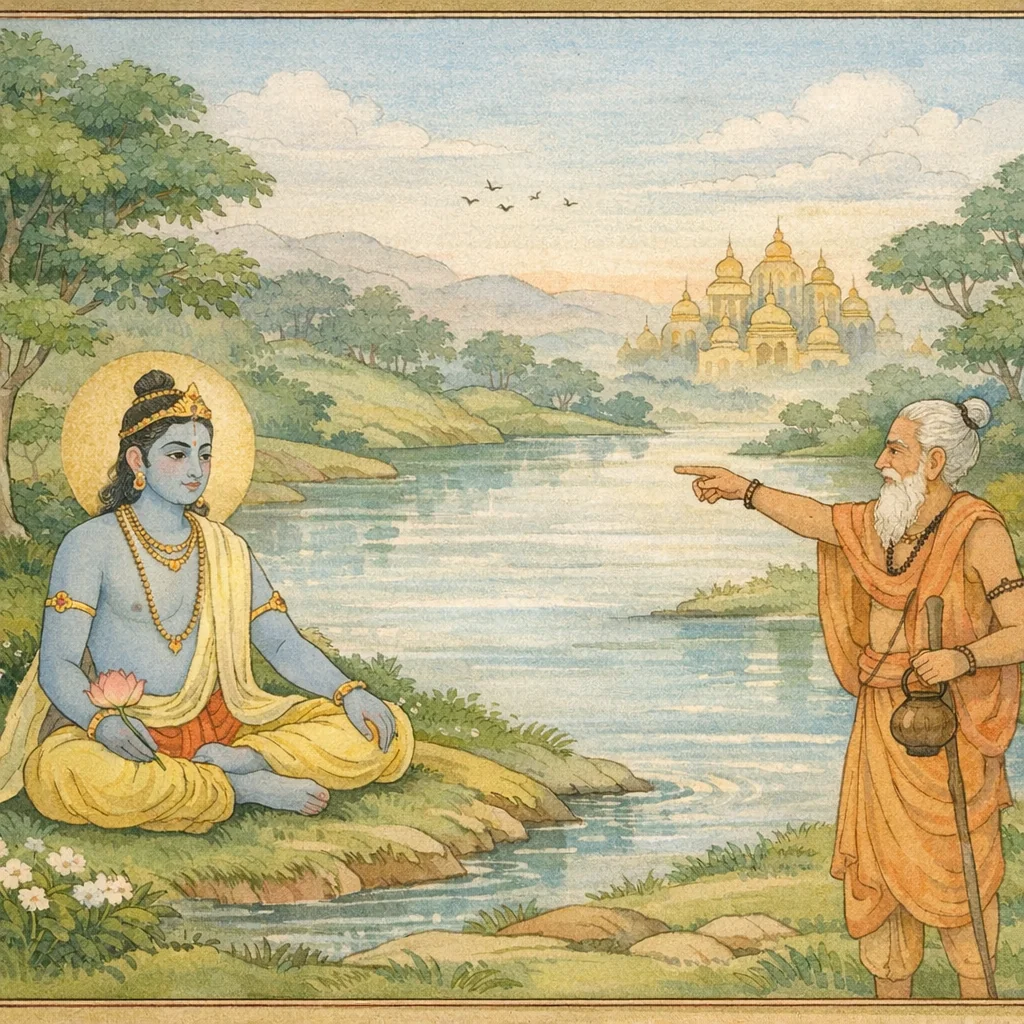
Chapter Arc: अतिथि ऋषि द्विजश्रेष्ठ से कहते हैं—एक ऐसे नागराज के नगर का स्मरण करो जहाँ पूर्वकल्प में प्रजापति ने धर्मचक्र प्रवर्तित किया था; वही भूमि सदाचार की साक्षी है। → नैमिषारण्य के गोमती-तट पर स्थित ‘नागाह्वय’ पुर का वर्णन आता है—जहाँ देवगणों का समग्र यज्ञ-आनन्द था और जहाँ मान्धाता ने इन्द्र का अतिक्रमण कर अपनी कीर्ति स्थापित की; इस पवित्र-पराक्रमी पृष्ठभूमि में श्रोता के मन में प्रश्न उठता है कि वहाँ कौन-सा आचरण धर्म का मानक बना। → धर्मात्मा महानाग पद्मनाभ (पद्म) का चरित्र-चित्रण शिखर पर पहुँचता है—वह मन, वाणी और कर्म से त्रिविध मार्ग में स्थित होकर प्राणियों को प्रसन्न करता है; स्वभाव से जल-सा शीतल, नित्य स्वाध्यायी, तप-दम-क्षमा-दान-यज्ञ में प्रतिष्ठित, सत्यवादी, अनसूयु, अवैरकृत और भूतहित में नियुक्त दिखाया जाता है। → अतिथि ऋषि पद्मनाभ के सदाचार-सद्गुणों को आदर्श बनाकर ब्राह्मण को उसके पास जाने हेतु प्रेरित करते हैं—यह संकेत देते हुए कि ऐसे सत्पुरुष/सत्संग से ही वृत्ति और मोक्षधर्म का मर्म खुलता है। → ब्राह्मण के पद्मनाभ के पास जाने पर आगे कौन-सा उपदेश/उपाख्यान प्रकट होगा—यह जिज्ञासा अध्याय के अंत में बनी रहती है।
Shlokas
Verse 1
अफ--रा+ पञ्चपज्चाशर्दाधिकत्रिशततमो< ध्याय: अतिथिद्वारा नागराज पद्मनाभके सदाचार और सदगुणोंका वर्णन तथा ब्राह्णको उसके पास जानेके लिये प्रेरणा अतिथिरुवाच उपदेशं तु ते विप्र करिष्येडहं यथाक्रमम् । गुरुणा मे यथाख्यातमर्थतत्त्वं तु मे शूणु,अतिथिने कहा--विप्रवर! मेरे गुरुने इस विषयमें जो तात््विक बात बतलायी है, उसीका मैं तुमको क्रमश: उपदेश करूँगा। तुम मेरे इस कथनको सुनो
The Guest said: “O Brahmin, I shall instruct you step by step. Listen to me as I convey the essential truth of the matter exactly as my teacher explained it to me.”
Verse 2
यत्र पूर्वाभिसर्गे वै धर्मचक्रं प्रवर्तितम् । नैमिषे गोमतीतीरे तत्र नागाह्नयं पुरम्,द्विजश्रेष्ठ! पूर्वकल्पमें जहाँ प्रजापतिने धर्मचक्र प्रवर्तित किया था, सम्पूर्ण देवताओं ने जहाँ यज्ञ किया था तथा जहाँ राजाओंमें श्रेष्ठ मान्धाता यज्ञ करनेमें इन्द्रसे भी आगे बढ़ गये थे, उस नैमिषारण्यमें गोमतीके तटपर नागपुर नामक एक नगर है
O best of Brahmins, on the bank of the Gomati in Naimiṣa—where, in a former creation-cycle, the Wheel of Dharma was set in motion—there stands a city called Nāgāhnaya. The verse evokes a sacred geography: a place remembered as the ancient seat of dharma’s establishment and of divine sacrificial activity, thereby grounding the ensuing discourse in an authoritative, sanctified setting.
Verse 3
समग्रैस्त्रिदशैस्तत्र इष्टमासीद् द्विजर्षभ । यत्रेन्द्रातिक्रमं चक्रे मान्धाता राजसत्तम:,द्विजश्रेष्ठ! पूर्वकल्पमें जहाँ प्रजापतिने धर्मचक्र प्रवर्तित किया था, सम्पूर्ण देवताओं ने जहाँ यज्ञ किया था तथा जहाँ राजाओंमें श्रेष्ठ मान्धाता यज्ञ करनेमें इन्द्रसे भी आगे बढ़ गये थे, उस नैमिषारण्यमें गोमतीके तटपर नागपुर नामक एक नगर है
O best of Brahmins, in that place the entire host of the gods once performed sacrifice. There too, the foremost of kings, Māndhātṛ, surpassed even Indra in sacrificial excellence—signifying how righteous resolve and flawless ritual merit can elevate a mortal’s renown beyond the ordinary measure.
Verse 4
कृताधिवासो धर्मात्मा तत्र चक्षु:श्रवा महान् । पद्मनाभो महानाग: पद्म इत्येव विश्रुत:,वहाँ एक महान् धर्मात्मा सर्प निवास करता है। उस महानागका नाम तो है पद्मनाभ; परंतु पद्म नामसे ही उसकी प्रसिद्धि है
The brāhmaṇa said: “There dwelt a great, righteous serpent who had already established his abode there. He was a mighty nāga, known by the name Padmanābha, yet he was widely famed simply as ‘Padma.’”
Verse 5
स वाचा कर्मणा चैव मनसा च द्विजर्षभ । प्रसादयति भूतानि त्रिविधे वर्त्मनि स्थित:,द्विजश्रेष्ठ)ी पद्म मन, वाणी और क्रियाद्वारा कर्म, उपासना और ज्ञान--इन तीनों मार्गोका आश्रय लेकर रहता और सम्पूर्ण भूतोंको प्रसन्न रखता है
O bull among the twice-born, established on the threefold path, he brings contentment to all beings—through speech, through action, and through the mind. By keeping his words, deeds, and intentions aligned with the disciplines of practice and understanding, he becomes a source of peace for the world around him.
Verse 6
साम्ना भेदेन दानेन दण्डेनेति चतुर्विधम् | विषमस्थं समस्थं॑ च चक्षुध्यनिन रक्षति,वह विषमतापूर्ण बर्ताव करनेवाले पुरुषको साम, दान, दण्ड और भेद-नीतिके द्वारा राहपर लाता है, समदर्शीकी रक्षा करता है और नेत्र आदि इन्द्रियोंको विचारके द्वारा कुमार्गमें जानेसे बचाता है
The brāhmaṇa said: “By conciliation, by division, by gifts, and by punishment—these are the fourfold means. Through discerning insight, one restrains the person who persists in crooked, unequal conduct and protects the even-minded; and by reflective vigilance one guards the eye and the other senses from straying onto a wrong path.”
Verse 7
तमतिक्रम्य विधिना प्रष्टमर्हसि काड्क्षितम् । स ते परमकं धर्म न मिथ्या दर्शयिष्यति,तुम उसीके पास जाकर विधिपूर्वक अपना मनोवांछित प्रश्न पूछो। वह तुम्हें परम उत्तम धर्मका दर्शन करायेगा; मिथ्या धर्मका उपदेश नहीं करेगा
Approach him in the proper manner and ask the question you truly desire to ask. He will reveal to you the highest dharma and will not mislead you with a false teaching.
Verse 8
स हि सर्वातिथिर्नागो बुद्धिशास्त्रविशारद: । गुणैरनुपमैर्युक्त: समस्तैराभिकामिकै:,वह नाग बड़ा बुद्धिमान् और शास्त्रोंका पण्डित है। सबका अतिथि-सत्कार करता है। समस्त अनुपम तथा वाउ्छनीय सदगुणोंसे सम्पन्न है
The brāhmaṇa said: “For that nāga is a universal host to all guests, deeply skilled in the disciplines of intellect and śāstra. He is endowed with incomparable qualities—complete in every admirable and desirable virtue.”
Verse 9
प्रकृत्या नित्यसलिलो नित्यमध्ययने रत: । तपोदमाशभ्यां संयुक्तो वृत्तेनानवरेण च,स्वभाव तो उसका पानीके समान है। वह सदा स्वाध्यायमें लगा रहता है। तप, इन्द्रिय- संयम तथा उत्तम आचार-विचारसे संयुक्त है
The brāhmaṇa said: “By his very nature he is ever like clear, flowing water—pure and refreshing. He is constantly devoted to sacred study (svādhyāya). He is endowed with austerity, self-restraint, and disciplined control, and he is marked by impeccable conduct.”
Verse 10
यज्वा दानपति: क्षान्तो वृत्ते च परमे स्थित: । सत्यवागनसूयुश्च शीलवाजन्नियतेन्द्रिय:,वह यज्ञका अनुष्ठान करनेवाला, दानियोंका शिरोमणि, क्षमाशील, श्रेष्ठ सदाचारमें संलग्न, सत्यवादी, दोषदृष्टिसे रहित, शीलवान् और जितेन्द्रिय है
The brāhmaṇa said: “He is one who has duly performed sacrifices, a foremost patron of gifts, patient and forbearing, firmly established in the highest standards of right conduct. He speaks truth, is free from fault-finding and envy, is of good character, and keeps his senses under disciplined control.”
Verse 11
शेषान्नभोक्ता वचनानुकूलो हितार्जवोत्कृष्टकृताकृतज्ञ: | अवैरकृद् भूतहिते नियुक्तो गड़ाह्दाम्भोडभिजनोपपन्न:,यज्ञशेष अन्नका वह भोजन करता है, अनुकूल वचन बोलता है, हित और सरलभावसे रहता है। उत्कृष्ट कर्तव्य और अकर्तव्यको जानता है, किसीसे भी वैर नहीं करता है। समस्त प्राणियोंके हितमें लगा रहता है तथा वह गंगाजीके समान पवित्र एवं निर्मल कुलमें उत्पन्न हुआ है
The brāhmaṇa said: “He lives on the remnant of sacrificial food, speaks words that are agreeable, and abides in what is beneficial and straightforward. He clearly knows what ought to be done and what ought not to be done. He bears enmity toward none, remains devoted to the welfare of all beings, and is born in a lineage as pure and stainless as the waters of the Gaṅgā.”
Verse 354
इस प्रकार श्रीमहाभारत शान्तिपर्वके अन्तर्गत गोक्षधर्मपर्वमें उज्छवृत्तिका उपाख्यानविषयक तीन सौ चौवनवाँ अध्याय पूरा हुआ
Thus ends the three-hundred-and-fifty-fourth chapter of the Śānti Parva of the Śrī Mahābhārata, within the section known as the Gokṣadharma Parva, dealing with the narrative episode (upākhyāna) of Ujjhavṛttikā.
Verse 355
इति श्रीमहाभारते शान्तिपर्वणि मोक्षधर्मपर्वणि उज्छवृत्त्युपाख्याने पञ्चपञ्चाशदधिकत्रिशततमो<ध्याय:
Thus, in the Śrī Mahābhārata, within the Śānti Parva—specifically in the Mokṣa-dharma section—this concludes the chapter of the narrative called the “Ujjha-vṛtti Upākhyāna,” being the three-hundred-and-fifty-seventh chapter. (This is a colophon marking the end of the chapter rather than a spoken doctrinal verse.)