Adhyaya 189
Śravaṇa Dvādaśī Vrata (श्रवणद्वादशीव्रतम्)
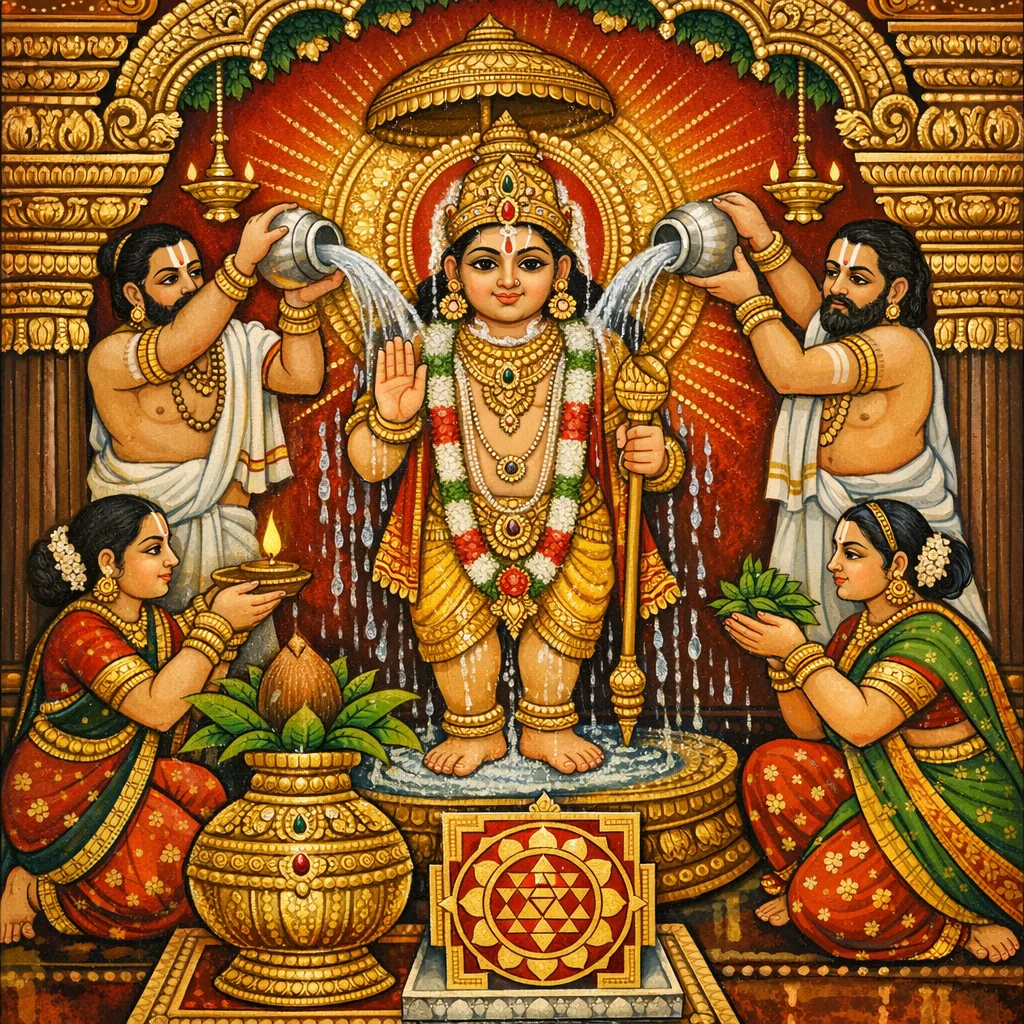
يصفُ الربّ أغني للقدّيس فاسيشثا نذر «شرافَنا دْفادَشي» الذي يُؤدّى في النصف المنير من شهر بهادرابادا حين يتوافق منزل القمر شرافَنا. ويعرض الفصل هذا الفراتا على أنّه بالغ القوّة بفضل الأوبافاسا (الصوم) وبِبِركة الإصغاء المقدّس والخطاب الحكيم. يلتزم الممارس بالنِّراهارا في اليوم الثاني عشر، ثم يقوم بالبارانا في اليوم الثالث عشر ولو خالف ذلك بعض المحظورات العامة. وتُجرى عبادة فيشنو–فامانا باستحضاره في جرّة ماء موضوعة على يانترا ذهبية؛ ويُقام الأبهشيكا بماء طاهر وبالبنجامريتا، مع استعمال لوازم الطقس كالأقمشة البيضاء للستر، والمظلّة، والنعلين، وفق بروتوكول بوجا مُنظَّم. ثم تأتي عبادة موجّهة للجسد تُسند فيها المانترا إلى أعضاء فيشنو (على نحو يشبه النْياسا)، يليها تقديم النايفيديا من طعام مطبوخ بالسمن، والتصدّق بقدور أرزّ باللبن الرائب، والسهر الليلي، والاغتسال عند الفجر في ملتقى الأنهار، وصلوات بوشبانجالي إلى جوفيندا (بودهاشرافَنا). وتُختتم الشعيرة بالدكشِنا، وإطعام البراهمة، وتأكيدٍ عقائديّ أنّ فامانا يسري في القربان ويتقبّله ثم يهب بالمقابل النِّعَم: بهوكتي (التمتّع)، وكيرتي (الشهرة)، والذرية، وأيشواريا (الثراء والسلطان)، وموكتي (التحرّر).
Shlokas
No shlokas available for this adhyaya yet.
Frequently Asked Questions
It is prescribed on Dvādaśī in the bright fortnight of Bhādrapada when it is conjoined with the Śravaṇa nakṣatra; the chapter notes manuscript variants about alternative month/nakṣatra readings, but the main instruction emphasizes Bhādrapada-śukla Dvādaśī with Śravaṇa.
The practitioner remains without food on Dvādaśī (nirāhāra) and performs pāraṇa on Trayodaśī, stated as to be done even if it is otherwise considered prohibited—highlighting the vrata’s specific injunction.
Invocation into a water-pot placed on a golden yantra, abhiṣeka with pure water and pañcāmṛta, arghya, fragrant homa with the Vāmana mantra, naivedya cooked in ghee, gifting pots of curd-rice, and concluding with dakṣiṇā and feeding brāhmaṇas.
It explicitly states results such as enjoyment, fame, progeny, and sovereignty (bhukti-oriented aims) while also promising liberation (mukti), presenting disciplined ritual action as a bridge between worldly order and spiritual release.