Adhyaya 193
Śivarātri-vrata (The Observance of Śivarātri)
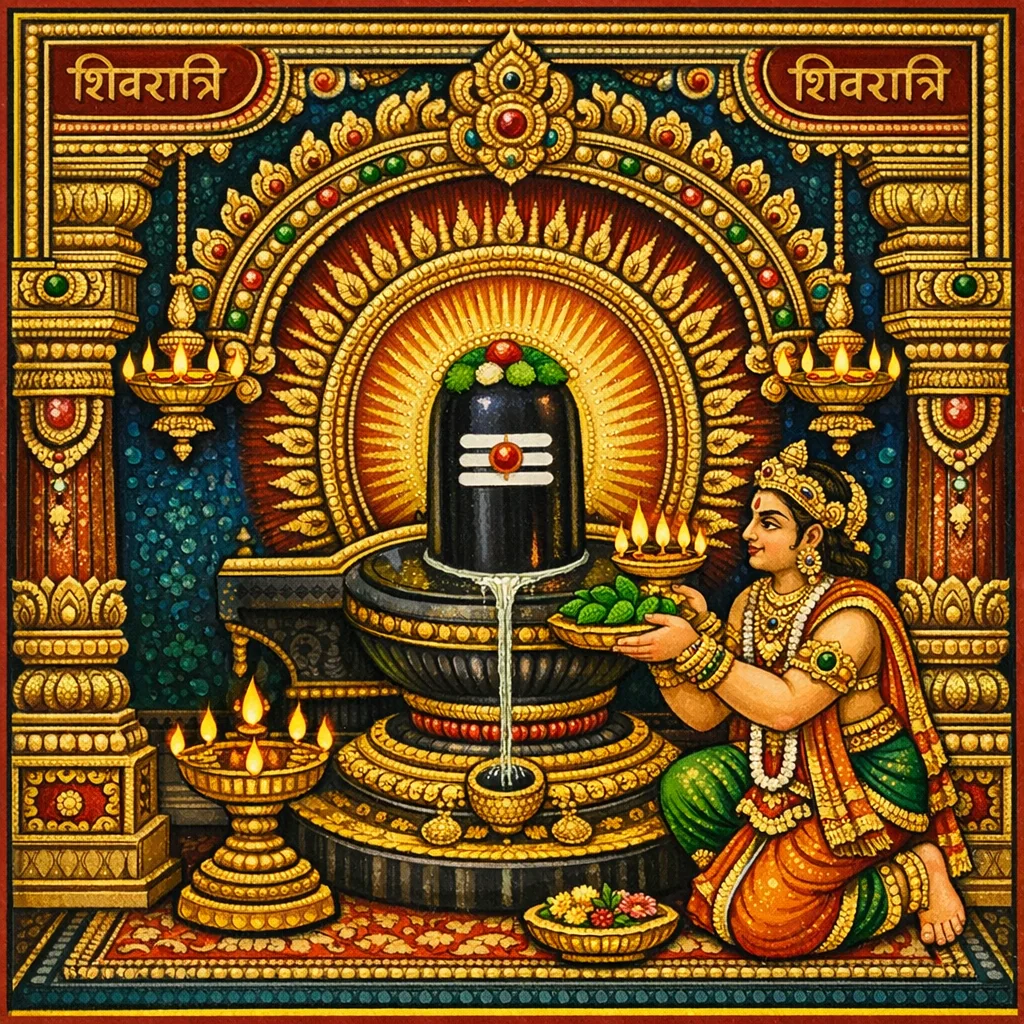
ในบทนี้ พระอัคนีทรงสอนฤๅษีวสิษฐะถึงศิวราตรีวรตะ อันเป็นพิธีที่ประทานทั้งภุกติ (ความสุขสมบัติ) และโมกษะ (ความหลุดพ้น) กำหนดทำในวันกฤษณะจตุรทศีที่อยู่ระหว่างเดือนมาฆะกับผาลคุนะ ผู้ปฏิบัติถืออุปวาสะ (งดอาหาร) ในวันจตุรทศี และทำชาครณะ (ตื่นเฝ้าตลอดคืน) เป็นแก่นแห่งการบูชา บทนี้ให้บทสวดภักติ: อัญเชิญพระศัมภูเป็นผู้ประทานความสุขและความหลุดพ้น สรรเสริญพระศิวะว่าเป็นเรือพาข้าม ‘มหาสมุทรแห่งนรก’ และทูลขอบุตร อำนาจอธิปไตย โชคดี สุขภาพ ความรู้ ธรรมะ ทรัพย์ และท้ายที่สุดสวรรค์กับโมกษะ ตอนท้ายย้ำว่าแม้ผู้ต่ำต้อยหรือผู้มีบาป เช่น นายพรานหรือสุนทรเสนะ ก็ยังได้บุญด้วยวรตะนี้ แสดงพลังยกระดับด้วยศรัทธาและวินัย.
Shlokas
No shlokas available for this adhyaya yet.
Frequently Asked Questions
The chapter emphasizes the vrata’s calendrical placement (Kṛṣṇa-caturdaśī between Māgha and Phālguna) and the paired disciplines of upavāsa (no eating on the 14th) and jāgaraṇa (night-long vigil) as the operative ritual core.
By combining bodily restraint (fasting), sustained awareness (vigil), and focused devotion (invocation and praise of Śiva), it aligns everyday discipline with purification and grace, presenting liberation as attainable while still permitting dharmic pursuit of prosperity and wellbeing.