Adhyaya 184
Chapter 184 — अष्टमीव्रतानि (Aṣṭamī Observances: Kṛṣṇāṣṭamī, Budhāṣṭamī/Svargati-vrata, and Mātṛgaṇa-Aṣṭamī)
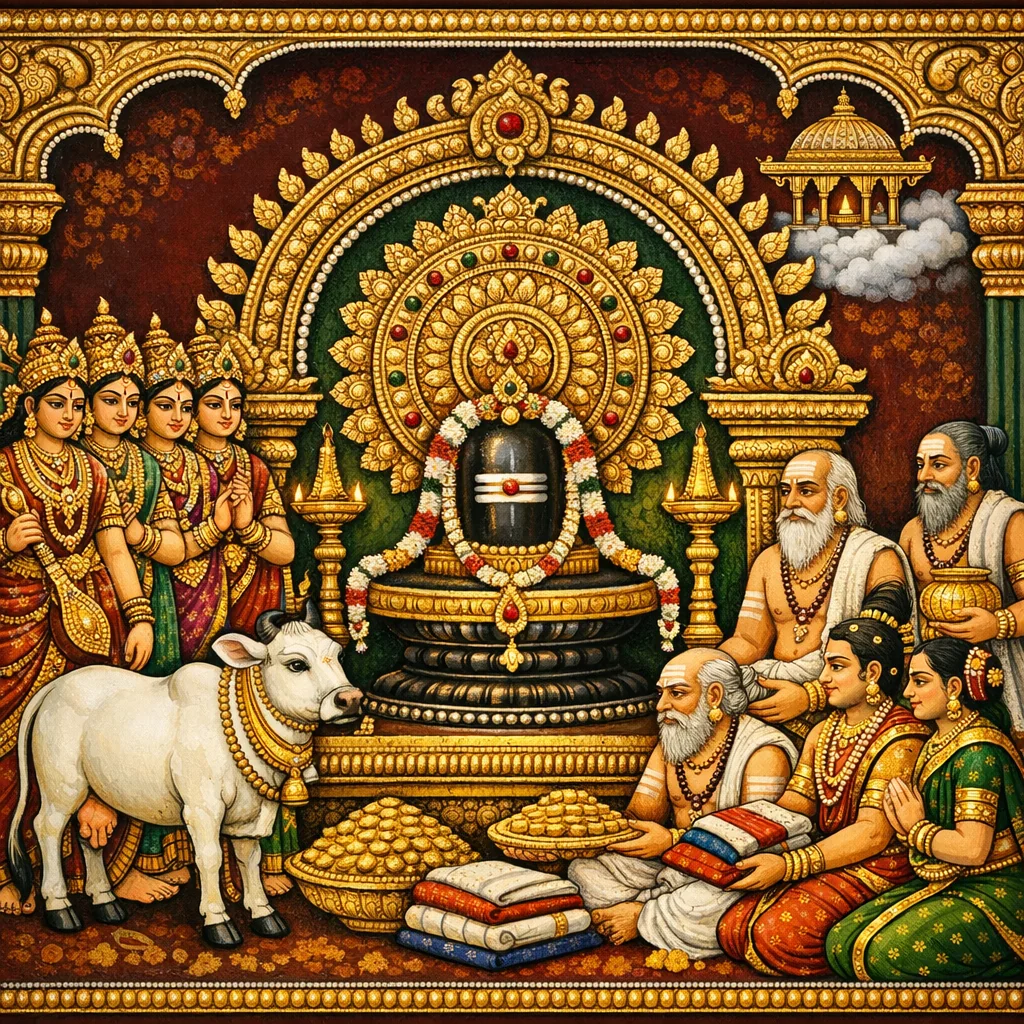
อัคนีสอนวสิษฐะถึงวรตะที่ยึดอัษฏมีเป็นแกน ซึ่งผสานความเคร่งครัดด้านปฏิทิน การสำรวมกาย ศรัทธาแบบไศวะ และหน้าที่พิธีกรรม-สังคม เช่น ยัญญะและทาน บทเริ่มด้วย “มาตฤคณะ-อัษฏมี” ในวันกฤษณาษฏมีเดือนไจตระ บูชามารดาเทพเริ่มจากพราหมาณี ให้ความมั่งคั่งและได้ร่วมโลกของกฤษณะ ต่อมาว่าด้วยวรตกฤษณาษฏมีตลอดหนึ่งปีเริ่มเดือนมารคศีรษะ: อดแบบนกตะ ชำระกาย นอนพื้น และบูชาพระศิวะรายเดือนตามนาม (ศังกร ศัมภู มเหศวร มหาทेव สถานุ ปศุปติ ตรยมพก อีศะ) ควบคู่ข้อกำหนดอาหารอย่างเคร่ง (โคมูตร เนยใส น้ำนม งา ข้าวบาร์เลย์ ใบบิลวะ ข้าว เป็นต้น) ปลายพิธีมีโหมะ บูชามัณฑละ เลี้ยงพราหมณ์ และทานโค ผ้า ทอง ให้ผลทั้งสุขในโลกและโมกษะ กรณีพิเศษคือ “พุธวาร-อัษฏมี” หรือ “สวรรค์คติ-วรตะ” ว่ามอบฐานะอินทระ มีการถวายข้าวตามปริมาณกำหนดในภาชนะใบมะม่วงพร้อมกุศะ บูชาแบบสัตตวะ ฟังกถาและให้ทักษิณา เรื่องตัวอย่างของธิระ ครอบครัว วัวผู้ชื่อวฤษะ การสูญเสียและได้คืน เหตุในยมโลก และผลของการถือพุธอัษฏมีสองครั้ง แสดงพลังไถ่กู้ ยกบรรพชนจากนรกสู่สวรรค์ ตอนท้ายกล่าวพิธีดื่มยอดอโศกในวันปุนรวสุ คำอธิษฐานอัษฏมีเพื่อดับทุกข์ และย้ำว่าบูชามาตฤตั้งแต่ไจตระนำชัยเหนือศัตรู
Shlokas
No shlokas available for this adhyaya yet.
Frequently Asked Questions
A year-linked discipline starting in Mārgaśīrṣa with nakta-fasting and purification, followed by month-specific Śiva-worship names and corresponding dietary austerities, concluding with homa, maṇḍala worship, feeding brāhmaṇas, and dāna (cow, garments, gold).
When Aṣṭamī coincides with Wednesday in either fortnight it is termed Svargati-vrata; the text assigns it a specific offering protocol (measured rice preparation, mango-leaf vessel with kuśa, sāttvika pūjā, kathā-śravaṇa, and dakṣiṇā) and promises attainment of Indra’s station.
By combining austerity (niyama), purity (śauca), devotion (Śiva/Mātṛ worship), narrative-hearing, and charity (dāna) into a complete sādhanā, it explicitly states the attainment of both bhukti and mukti and illustrates salvific efficacy through the liberation of ancestors from naraka.
Prosperity, victory over enemies through Mātṛ-pūjā on Aṣṭamī, sorrow-removal via the Aśoka rite, and restoration of fortune/standing through proper rule-keeping and sanctioned dāna.