Adhyaya 133
Chapter 133 — Various Strengths (Nānā-balāni) in Jyotiṣa and Battle-Protection Rites
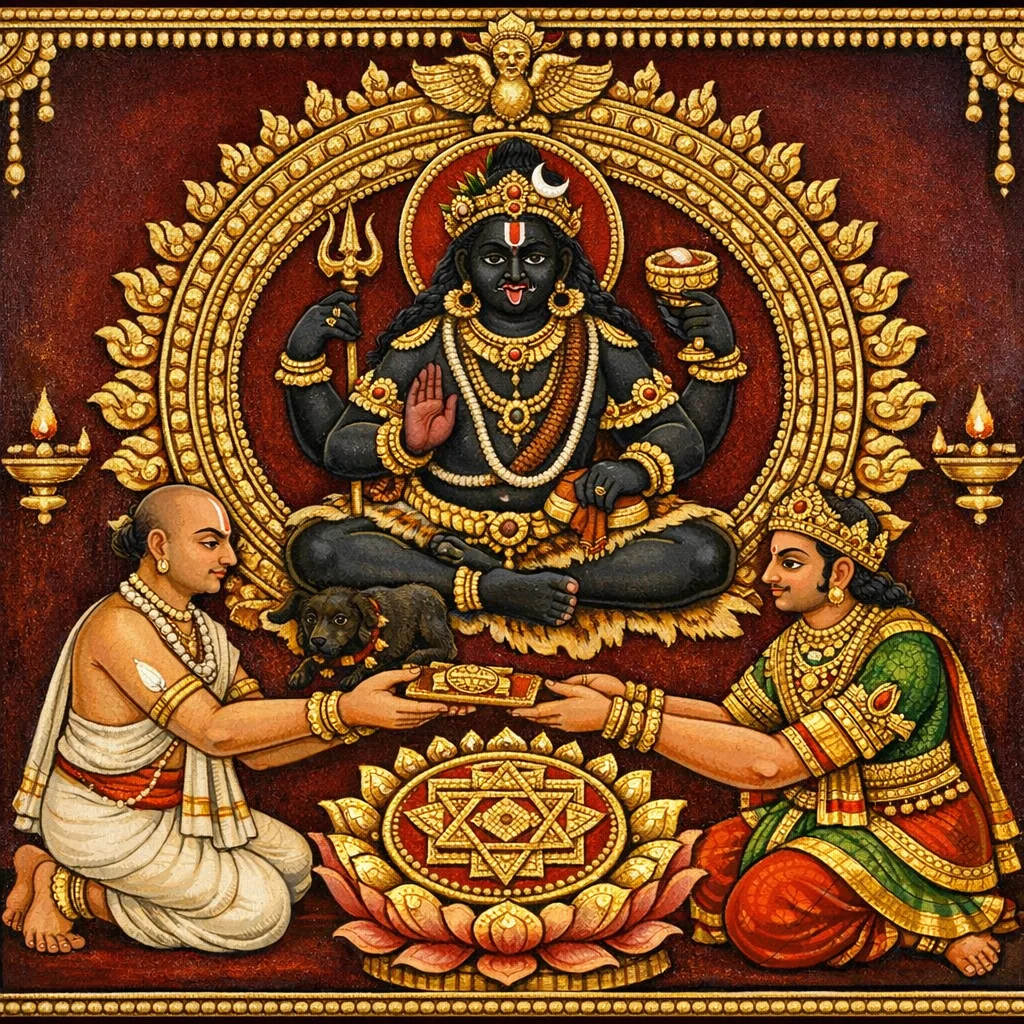
พระอัคนีทรงสืบกระแสยุดธชัยอารณวะ โดยเชื่อมการวินิจฉัยทางโหราศาสตร์ (ชโยติษะ) เข้ากับความสำเร็จในสนามรบ เริ่มด้วยลักษณะอุดมคติของ ‘กฺเษตราธิปะ’ (เจ้าแห่งสนาม/ผู้นำทัพ) คือสรีระและธาตุสภาพที่สมดุล แล้วอธิบายความสัมพันธ์ระหว่างตำแหน่งของสุริยะ จันทรา อังคาร พุธ พฤหัส ศุกร์ เสาร์ กับอุปนิสัยและโชคชะตา ต่อมาระบุผลแห่งทศา เช่น ทรัพย์สิน ที่ดิน และความรุ่งเรืองแห่งราชา พร้อมสอนการอ่านลางจากกระแสนาฑี (ลมหายใจซ้าย/ขวา) และความเป็นคู่/คี่ของพยางค์ชื่อ เพื่อนำไปใช้ตัดสินผลการค้าและผลสงคราม จากนั้นเข้าสู่อัคนేయวิทยา: มนตราอาวุธที่มีไภรวะเป็นศูนย์กลาง พร้อมนยาสะและชปะเพื่อทำลายขวัญให้ศัตรูแตกพ่ายและหนี รวมทั้งพิธีทำลายกองทัพด้วยวัตถุจากป่าช้า และการเขียนชื่อบนหุ่น/ภาพที่วาด สอนจักระครุฑ/ตารกษยะเพื่อชัยชนะ การแก้พิษ และการระงับเคราะห์ภูต-ครหะด้วยสมาธิและการวางอักษร สุดท้ายกล่าวถึงพิธีปิจฉิกา (ชปะยามคราส), วิธีปฏิเสธ/ทำลายฤทธิ์จากระยะไกล (ภังคะ), วิทยามาตฤกาเขียนบนใบไม้, รักษายันตระที่บรรจุบีชะพร้อมกลีบบัวและผังเสียง, ขบวนมฤตยูญชัย และวิทยา ‘เภลขี’ เพื่อปัดเป่าความตายทางไสยที่เป็นปฏิปักษ์—ลงท้ายด้วยคำยืนยันเชิงปฏิบัติว่าไม่อาจพิชิตได้ในการประดาบ.
Shlokas
No shlokas available for this adhyaya yet.
Frequently Asked Questions
A combined technical stack: (1) Jyotiṣa correlations of graha placements with bodily/psychological traits; (2) daśā-phala enumerations; (3) omen-reading via nāḍī-flow and name-syllable parity; and (4) operational mantra/yantra protocols (nyāsa counts such as 108 japa; ninefold name-inscription; lotus-petal phoneme placements; birch-bark inscription with gorocanā and kuṅkuma).
It frames protection, victory, and harm-aversion as dharmic disciplines: mantra, yantra, visualization, and ritual offerings are treated as revealed means that must be applied with restraint and right orientation, integrating worldly efficacy (bhukti) into a sacral order that supports steadiness, protection of life, and the broader pursuit of Dharma and ultimately mukti.
Bhairava (as the meditational self-form for astramantra practice), Tārkṣya/Garuḍa (as the victory and poison-destroying power), the Mātṛkās with emphasis on Kālarātrī (via caru offerings), and protective forms such as Narasiṁhī, Bhairavī-Śakti, and Gaurī.