Dashati 5
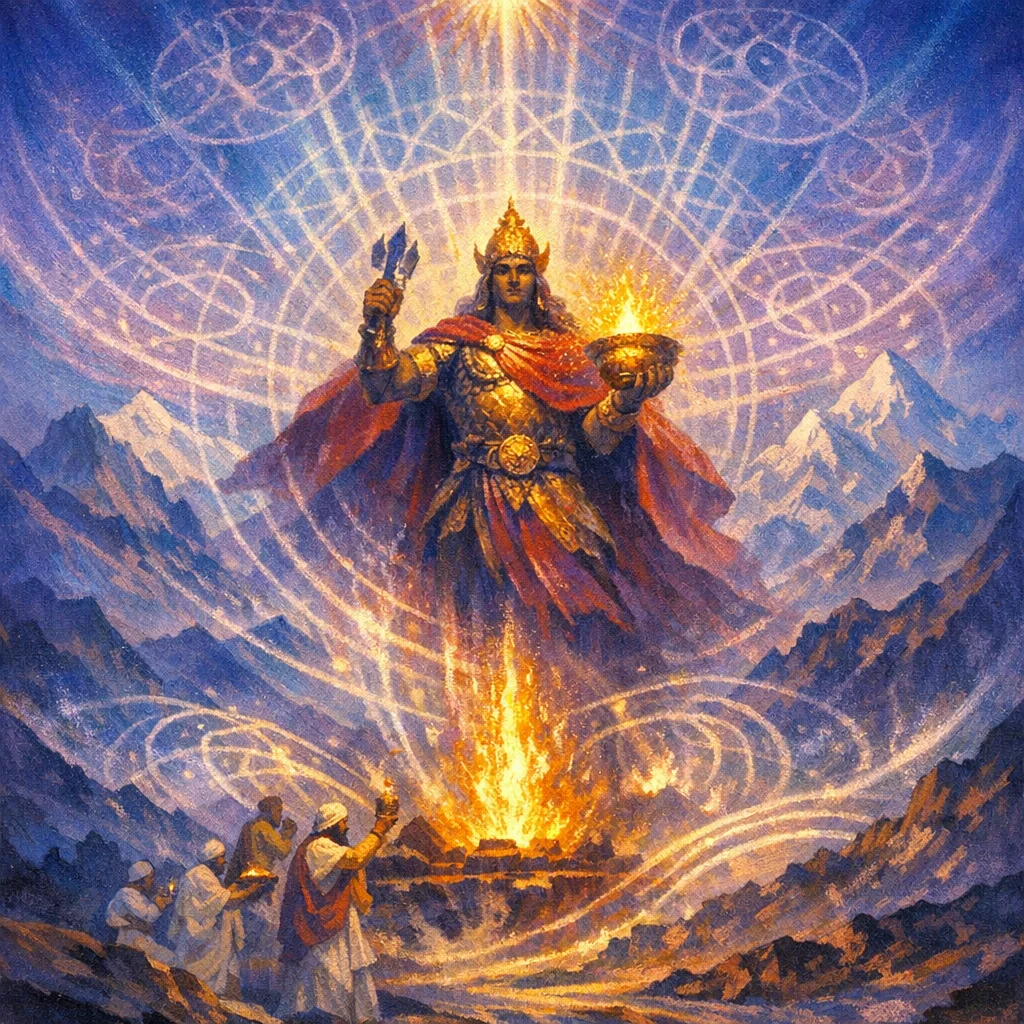
Aindra stuti: Indra praised as the wealth-giver who is strengthened by well-sung Sāman and who carries the sacrificer to prosperity
Indra
Vigorous and laudatory (utsāha) with a confident expansive cadence typical of Aindra praise
Ṛṣi attribution is not supplied here; the verses reflect common RV-style Indra-stuti diction and the Aindra placement indicates a tradition of Indra-praise seers rather than a single clearly marked family in this excerpt.
இந்த ஐந்திர ஸ்துதியில் இந்திரன் செல்வம் அளிப்பவனாகப் போற்றப்படுகிறான்; நன்றாகப் பாடப்பட்ட ஸாமன்-ஸ்தோத்திரத்தால் அவன் வலிமை பெறுகிறான், யஜமானனின் லாபத்தை ‘அதிகரித்து’ விரும்பிய ராதஸ் (பரிசு/பெருஞ்செல்வம்) அவனிடம் ‘கரை சேர்த்துப்’ போக்குகிறான். சரியான, செம்மையான புகழ்ச்சி (சு-ஸ்துதி) ராதஸ்-பெறுதலுக்கான திறமையான வழி என வலியுறுத்தப்படுகிறது; ஸ்தோத்திரமும் ஹவிஸும் கவனமாக ‘தயாரித்து/மெருகூட்டுவது’ ரதக் குதிரையை அலங்கரித்து மெருகேற்றுவதற்கு ஒப்பிடப்படுகிறது. யாகப் பலனாக தோகே/தனயே—சந்ததி மற்றும் வம்சத் தொடர்ச்சி—வேண்டுதலும் உள்ளடங்கியுள்ளது. இதே ஐந்திரக் குழுவில் அக்னி சுப, ஒளிமிக்க யாக-உடனிருப்பாகத் தோன்றி அர்ப்பணச் சூழலை ஆதரித்து நியாயப்படுத்தி, கிரியையின் வெற்றியை முத்திரையிடுகிறான்—சரியாக வடிவமைந்த ஒலி-ஸ்தோத்திரமே யாகமாகி அருளின் வாகனமாகிறது.
Mantras
Mantra 1
इनो राजन्नरतिः समिद्धो रौद्रो दक्षाय सुषुमां अदर्शि चिकिद्वि भाति भासा बृहतासिक्नीमेति रुशतीमपाजन्
ஓ அரசே! செயற்படும் அக்னி—எரியூட்டப்பட்டு ரௌத்ரமாக—எங்கள் தக்ஷம் (திறன்) மற்றும் சுப-சமృద్ధிக்காக வெளிப்பட்டான். ஞானி அவன் பேரொளியால் பிரகாசிக்கிறான்; கரிய இருளை எதிர்த்து முன்னேறி, ருஷதீ (ஒளிரும்) ஒளியை முன்னே தள்ளுகிறான்.
Mantra 2
कृष्णां यदेनीमभि वर्पसाभूज्जनयन्योषां बृहतः पितुर्जाम् ऊर्ध्वं भानुं सूर्यस्य स्तभायन्दिवो वसुभिररतिर्वि भाति
அவன் தன் காணத்தக்க வடிவால் கருமை (இருள்) மீது வந்து படும்போது, உஷா-கன்னியைப் பிறப்பிக்கிறான்; மகா பிதாவின் ஜாமி (சகோத்ரத் தொடர்பு)யையும் வெளிப்படுத்துகிறான். சூரியனின் கதிரொளியை மேலே நிலைநிறுத்தி, வசுக்கள் உடன் திவ்-பிரதேசத்தைத் தாங்கி—செயற்படும் அக்னி—விசேஷமாகப் பிரகாசிக்கிறான்.
Mantra 3
भद्रो भद्रया सचमान आगात्स्वसारं जारो अभ्येति पश्चात् सुप्रकेतैर्द्युभिरग्निर्वितिष्ठन्रुशद्भिर्वर्णैरभि राममस्थात्
பத்ரன், பத்ரத்துடன் இணைந்து, அவன் வந்தடைந்தான்; காதலன் போலத் தன் ஸ்வஸாராவை (சகோதரியை) பின்தொடர்கிறான். சு-ப்ரகேதம் எனும் நல்விளக்கங்களும் ஒளிமிகு த்யுபிகளும் உடன்—அக்னி வெளிப்பட்டு நின்று, ரூஷத் வர்ணங்களின் பிரகாசத்தால், இன்பமிகு நிலையிலே அமர்ந்தான்.
Frequently Asked Questions
That Indra responds to correctly performed praise: the well-sung Sāman strengthens the deity and returns as prosperity—wealth, success of the rite, and continuity of the family line.
It is a ritual metaphor: just as a horse is carefully prepared for a journey, the worshippers ‘polish’ the rite by precise words and chant so the desired bounty can be brought safely to them.
Agni often appears as the auspicious, luminous presence of the sacrifice itself; his epiphany imagery reinforces that the rite is properly established, supporting the Indra-invocation and its fruits.