Adhyaya 93
सक्तुदानमहिमा — The Merit of Justly-Earned Charity (Kapotī Brāhmaṇa and Dharma as Atithi)
Upa-parva: Āśvamedha-yajña-āścarya-kathā (Episode on the ‘wonder’ at the Aśvamedha: the Kapotī Brāhmaṇa exemplum)
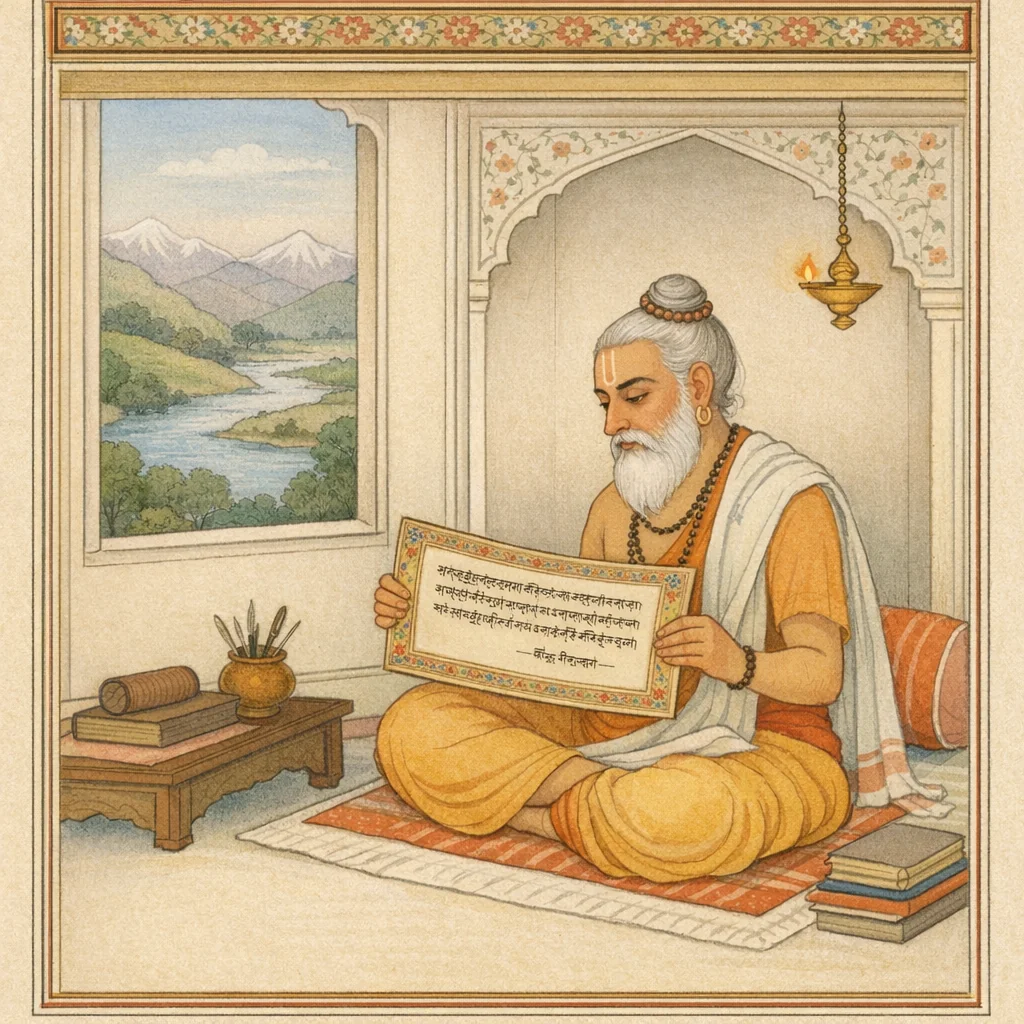
Nakula addresses the sacrificial assembly by outlining the ‘supreme fruit’ of dāna when it is nyāya-labdha (acquired by lawful means), subtle in quantity, and offered to a worthy recipient. He recounts a Kurukṣetra-region account of an elderly uñchavṛtti brāhmaṇa living austerely with wife, son, and daughter-in-law during severe famine. After a long interval they obtain a small measure of barley and prepare saktu, dividing it equally after rites. A hungry brāhmaṇa guest arrives; the family welcomes him with arghya/pādya and offers their share, yet the guest remains unsatisfied. In successive deliberations, the wife, then the son, and finally the daughter-in-law offer their portions, each invoking dharma-based reasons; the elder resists harming dependents but ultimately accepts the daughter-in-law’s insistence grounded in guru-sevā and family continuity. The guest is revealed as Dharma (personified), who praises the purity of intent, capacity-based giving, and self-restraint, declaring their act superior in fruit to many large sacrifices. A divine conveyance appears; the family ascends to heaven. The framing returns to the Aśvamedha, emphasizing that ethical excellence—non-harm, contentment, straightforwardness, tapas, self-control, truth, and charity—are co-equal pillars of dharma.
Chapter Arc: सूत्रधार-स्वर में ग्रन्थ का प्रवाह एक विराम पर आता है—पूर्व अध्याय (नकुलोपाख्यान) की समाप्ति का संकेत देकर पाठक को यह बोध कराया जाता है कि अनुगीत-पर्व की कथा-धारा अब समापन की ओर मुड़ रही है। → कथानक-तनाव युद्ध या संवाद से नहीं, बल्कि ‘समाप्ति’ की गंभीरता से उठता है—पाठ-परम्पराओं (दाक्षिणात्य अधिक-पाठ) के भेद, श्लोक-संख्या का उल्लेख, और छन्द-निर्देश यह प्रश्न जगाते हैं कि महाग्रन्थ का यह विराट शरीर कैसे संहिताबद्ध हुआ। → घोषणा-रूप चरम बिन्दु: ‘आश्वमेधिकपर्व सम्पूर्णम्’—यह वाक्य स्वयं एक अनुष्ठानिक मुहर की तरह पड़ता है, जहाँ कथा नहीं, ग्रन्थ-समाप्ति ही घटना बन जाती है। → समापन-लेख (कोलोफोन) के साथ अध्याय/पर्व का औपचारिक निष्कर्ष—श्लोक-संख्या, छन्द-सूचना और पाठ-भेद का संकेत देकर पाठ को ‘पूर्ण’ घोषित किया जाता है।
Shlokas
Verse 92
इस प्रकार श्रीमह्याभारत आश्वमेधिकपर्वके अन्तर्गत अनुगीतापर्वरमें नकुलोपाख्यानविषयक बानबेवाँ अध्याय पूरा हुआ
ဤသို့ဖြင့် သန့်ရှင်းသော မဟာဘာရတ၏ အရှွမေဓိက ပရဝအတွင်းရှိ အနုဂီတာ အပိုင်း၌ နကူလ အဖြစ်အပျက်ကို ဖော်ပြသော ကိုးဆယ့်နှစ်မြောက် အခန်းသည် ပြီးဆုံး၏။ ဤအဆုံးသတ် ကော်လိုဖွန်သည် နိဒါန်းတစ်ခု၏ ပြီးမြောက်မှုကို အမှတ်အသားပြု၍၊ ဥပမာပြ ဇာတ်လမ်းနှင့် သင်ကြားချက်တို့မှတစ်ဆင့် သီလဓမ္မဆိုင်ရာ ဆင်ခြင်သုံးသပ်မှုကို ထိန်းသိမ်းကာ ဆက်လက်ပို့ဆောင်ရန် ရည်ရွယ်ထားသည်။
Verse 29157
(दाक्षिणात्य अधिक पाठके १२२० श्लोक मिलाकर कुल १२७३ श्लोक हैं) ऑपन-- मा बछ। अप ऋाल ।। आश्वमेधिकपर्व सम्पूर्णम् ।। ब्प्स अनुष्टुप् ( अन्य बड़े छन्द ) बड़े छन््दोंको ३२ अक्षरोंके कुल योग अनुष्टुप् मानकर गिननेपर उत्तर भारतीय पाठसे लिये गये २७४७॥ . (१२२॥ ) १६८
ဝိုင်ရှမ္ပာယနက ကော်လိုဖွန်ပုံစံဖြင့် မှတ်သားသည်– တောင်ပိုင်း (ဒက္ခိဏာတျ) ရွတ်ဆိုပုံတွင် ထပ်တိုး ၁,၂၂၀ ပုဒ် ပါဝင်သဖြင့် ဤအပိုင်း၏ စုစုပေါင်း ပုဒ်ရေ ၁,၂၇၃ ဖြစ်သည်ဟု ဆို၏။ ထို့ကြောင့် အရှွမေဓိက ပရဝသည် ပြီးဆုံး၏။ မီတာရေတွက်ရာတွင် အကြီးမားသော ချန်ဒ်များကို တခါတရံ အနုෂ္ဌုပ်နှင့်ညီမျှသည့် အရေအတွက်သို့ ပြောင်းလဲရေတွက်ကြပြီး၊ အက္ခရာ ၃၂ လုံး စုတစ်စုကို အနုෂ္ဌုပ်တစ်ပုဒ်ဟု သတ်မှတ်ရေတွက်သည်။ ထိုနည်းဖြင့် မြောက်ပိုင်း ရွတ်ဆိုပုံမှ ယူလျှင် ၂,၇၄၇ ဟု ရေတွက်ရသည်။ ဤစာပိုဒ်သည် ဇာတ်ကြောင်းသင်ခန်းစာမဟုတ်ဘဲ တည်းဖြတ်ရေးနှင့် မီတာစာရင်းကိန်းဂဏန်း မှတ်တမ်းဖြစ်၍၊ ပရဝ၏ တရားဝင်အဆုံးသတ်နှင့် စာမူကွဲပြားမှု စာရင်းအချက်အလက်တို့ကို ဖော်ပြသည်။
Frequently Asked Questions
How a household facing famine should balance self-preservation and dependent-care against the absolute duty of atithi-hospitality, especially when resources are insufficient for both.
Merit depends on purity of means and intention: even a small, lawfully-earned gift offered with śraddhā and self-restraint can surpass grand ritual acts, while anger and greed can nullify dāna’s fruit.
Yes: Dharma explicitly declares the family’s subtle gift as heaven-winning and superior in outcome to many large sacrifices, presenting the episode as an evaluative standard for dāna and ethical discipline within ritual contexts.