Adhyaya 2
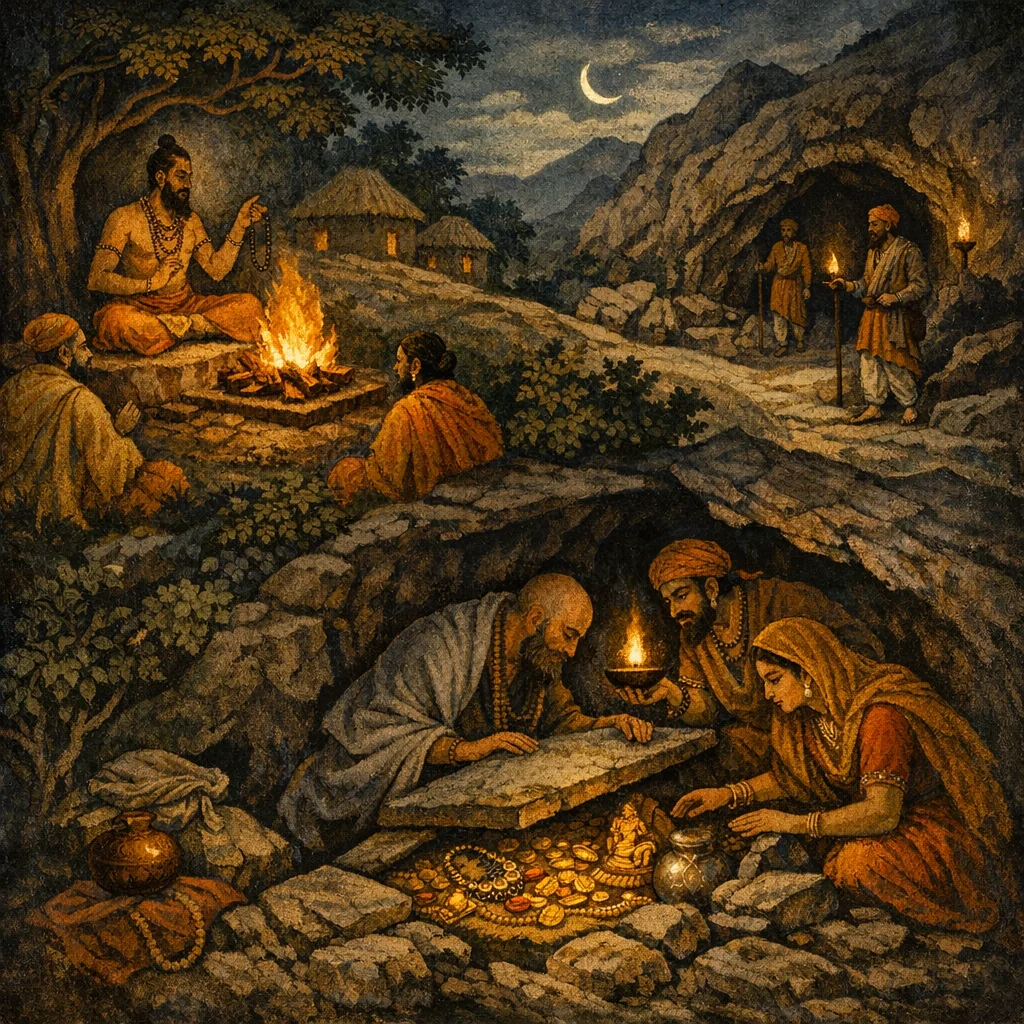
Book 13 operationalizes Kautilya’s doctrine that extraordinary threats and high-stakes contests require extraordinary instruments. Rather than treating religion and marvels as private metaphysics, this book weaponizes them as public technology: staged sanctity, rumor, omen-management, and controlled spectacles become levers to move rulers and populations. Chapter 13.2 specifically shows how the state can engineer ‘siddha’ (accomplished ascetic) personae—matted-hair disciples, mountain-cave residence, ritual timeframes, and planted treasure-signs—to secure the king’s attention, extract promises, and steer decisions. In the Vijigīṣu’s architecture, this is not ornament but command-and-control: it protects the king-limb from deception by outsiders by teaching the state to anticipate and outcompete deception. It also enables the king to bend elite opinion without open force, preserving legitimacy while achieving artha. The placement in Book 13 signals ‘contingency governance’: when normal administration is too slow or too visible, covert dramaturgy becomes policy execution.
Sutras
No sutras available for this adhyaya yet.
Frequently Asked Questions
It immunizes the king and court against external godmen/charlatans by letting the state control the charisma-market; it enables low-violence steering of policy, preventing panic, factional capture, and costly open coercion—thus stabilizing rule and safeguarding revenue, order, and strategic decision-making.
This unit does not specify a direct statutory penalty; the implied danda is administrative: exposure or failure of the operation triggers loss of credibility, counter-espionage risk, and royal sanction against negligent handlers (spies/sattrins) under general Arthashastric discipline for compromised secret operations.