Adhyaya 6
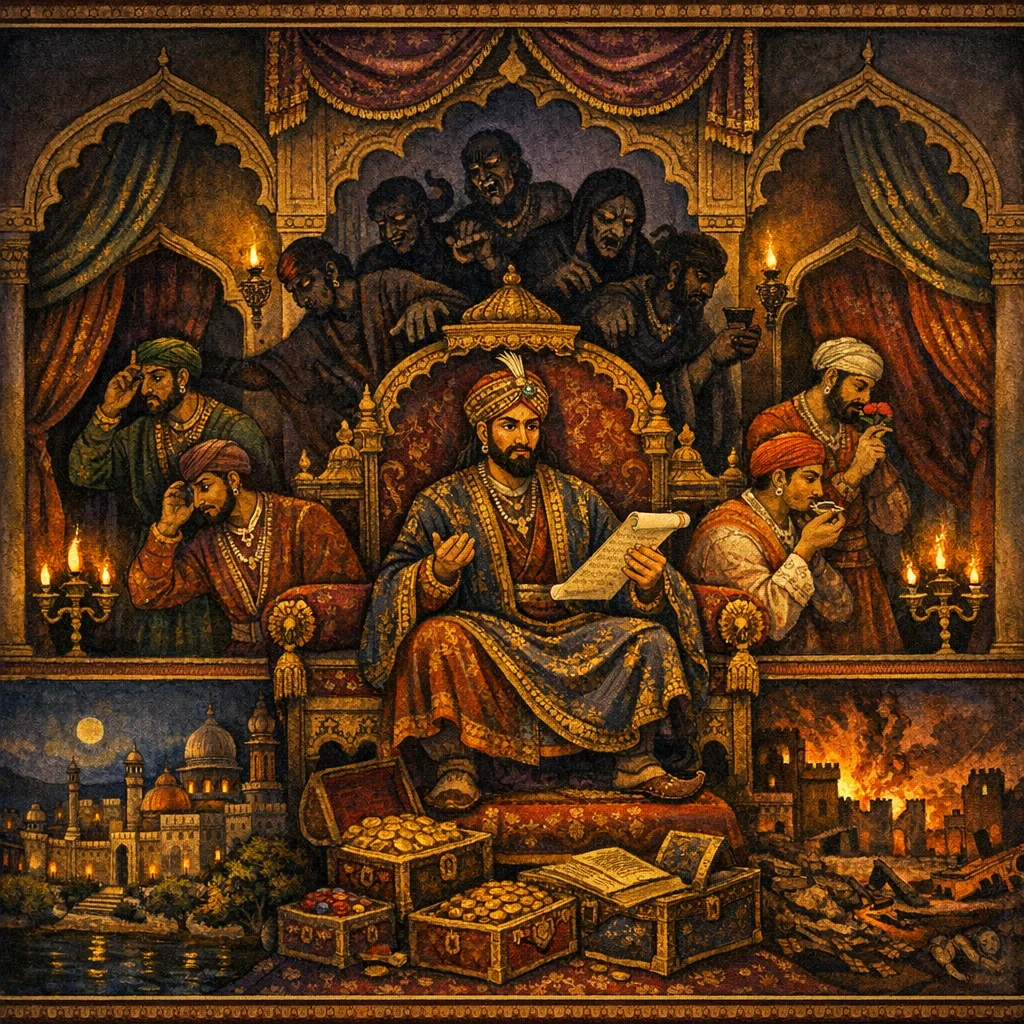
Book 1, Chapter 6 positions indriyajaya (sense-conquest) as the master-key of rājanīti: the entire śāstra is said to hinge on disciplined cognition and appetite-control. Kautilya frames vidyā (learning) as the cause of vinaya (discipline), then defines indriyajaya as non-confusion and non-deviation of the five senses amid their objects, or as faithful practice of the śāstra. The chapter is architectonic within the Vijigīṣu’s power-structure: it hardens the Svāmī-limb so that counsel, revenue, coercion, and diplomacy do not get hijacked by the ṣaḍvarga (kāma, krodha, lobha, māna, mada, harṣa). The negative exempla—kings destroyed along with kin and realm—function as policy-risk cases: private vice becomes public catastrophe. The positive exempla show that long enjoyment of the earth (stable reign) is an output of restraint. Thus, conquest begins as inner governance; external conquest without it is structurally unstable.
Sutras
Sutra 1
विद्या विनयहेतुरिन्द्रियजयः कामक्रोधलोभमानमदहर्षत्यागात्कार्यः ॥ कZ_०१.६.०१ ॥
વિદ્યા વિનયનું કારણ છે. કામ, ક્રોધ, લોભ, માન, મદ અને ઉન્મત્ત હર્ષનો ત્યાગ કરીને ઇન્દ્રિયજય સાધવો જોઈએ.
Sutra 2
कर्णत्वगक्षिजिह्वाघ्राणेन्द्रियाणां शास्त्रानुष्ठानं वा ॥ कZ_०१.६.०२ ॥
ઇન્દ્રિયજય એટલે કાન, ત્વચા, આંખ, જીભ અને નાક—આ ઇન્દ્રિયોના નિયંત્રિત વર્તન; અથવા શાસ્ત્રોના ઉપદેશનું શિસ્તબદ્ધ અનુષ્ઠાન.
Sutra 3
कृत्स्नं हि शास्त्रमिदमिन्द्रियजयः ॥ कZ_०१.६.०३ ॥
નિશ્ચયે, આ સમગ્ર શાસ્ત્ર (મૂળરૂપે) ઇન્દ્રિયજય જ છે.
Sutra 4
तद्विरुद्धवृत्तिरवश्येन्द्रियश्चातुरन्तो अपि राजा सद्यो विनश्यति ॥ कZ_०१.६.०४ ॥
તે (શિસ્ત/અનુશાસન)ના વિરુદ્ધ વર્તન કરનાર અને ઇન્દ્રિયોને વશમાં ન રાખનાર રાજા, અન્યથા બહુ કુશળ હોવા છતાં, તરત જ નાશ પામે છે।
Sutra 5
यथा दाण्डक्यो नाम भोजः कामाद्ब्राह्मणकन्यामभिमन्यमानः सबन्धुराष्ट्रो विननाश करालश्च वैदेहः ॥ कZ_०१.६.०५ ॥
ઉદાહરણ તરીકે, દાંડક્ય નામનો ભોજ રાજા—કામવશ બ્રાહ્મણ કન્યાનું અપમાન/અતિક્રમણ કરીને—બંધુઓ અને રાજ્યসহ નાશ પામ્યો; તેમજ વિદેહનો કરાલ પણ।
Sutra 6
कोपाज्जनमेजयो ब्राह्मणेषु विक्रान्तः तालजङ्घश्च भृगुषु ॥ कZ_०१.६.०६ ॥
ક્રોધથી જનમેજય બ્રાહ્મણો સામે હિંસક બન્યો; અને તાલજઙ્ઘ ભૃગુઓ સામે।
Sutra 7
लोभादैलश्चातुर्वर्ण्यमत्याहारयमाणः सौवीरश्चाजबिन्दुः ॥ कZ_०१.६.०७ ॥
લોભથી ઐલે ચાર વર્ણો પાસેથી અતિશય વસૂલાત/શોષણ કર્યું; અને સૌવીરનો અજબિંદુ પણ।
Sutra 8
मानाद् रावणः परदारानप्रयच्छन्दुर्योधनो राज्यादंशं च ॥ कZ_०१.६.०८ ॥
અહંકારથી—રાવણ પરસ્ત્રીથી વિરત ન થવાથી નાશ પામ્યો; અને દુર્યોધન રાજ્યમાંનો હિસ્સો પણ ન આપવાથી નાશ પામ્યો।
Sutra 9
मदाद्दम्भोद्भवो भूतावमानी हैहयश्चार्जुनः ॥ कZ_०१.६.०९ ॥
સત્તાના મદથી દંભોદ્ભવ અને જીવજંતુઓનું અપમાન કરનાર હૈહય અર્જુન (કાર્તવીર્ય)—બન્નેનો વિનાશ થયો.
Sutra 10
हर्षाद्वातापिरगस्त्यमत्यासादयन्वृष्णिसंघश्च द्वैपायनमिति ॥ कZ_०१.६.१० ॥
બેફામ હર્ષથી વાતાપિએ અગસ્ત્યને અતિશય પીડાવ્યો; અને વૃષ્ણિ-સંઘે દ્વૈપાયન (વ્યાસ)ને અતિશય પીડાવ્યો—આ રીતે (તેઓ) નાશ પામ્યા.
Sutra 11
सबन्धुराष्ट्रा राजानो विनेशुरजितेन्द्रियाः ॥ कZ_०१.६.११च्द् ॥
સગાંસંબંધીઓ અને રાજ્ય હોવા છતાં, ઇન્દ્રિયો ન જીતવાને કારણે રાજાઓ નાશ પામ્યા.
Sutra 12
अम्बरीषश्च नाभागो बुभुजाते चिरं महीम् ॥ कZ_०१.६.१२च्द् ॥
આવા સંયમ દ્વારા અંબરીષ અને નાભાગે લાંબા સમય સુધી પૃથ્વીનો ઉપભોગ કર્યો (અર્થાત્ લાંબા સમય સુધી રાજ્ય કર્યું)।
Frequently Asked Questions
A disciplined king avoids policy capture by desire/anger/greed/pride/intoxication/elation, producing stable judgment, predictable justice, and continuity of rule; the realm and royal lineage are protected from sudden collapse.
No single juridical fine is specified here; the ‘daṇḍa’ is structural and immediate: political ruin (vinaśyati sadyaḥ) of the king, with destruction of kin and realm (sabandhurāṣṭra-vināśa).